Encapsulant Material
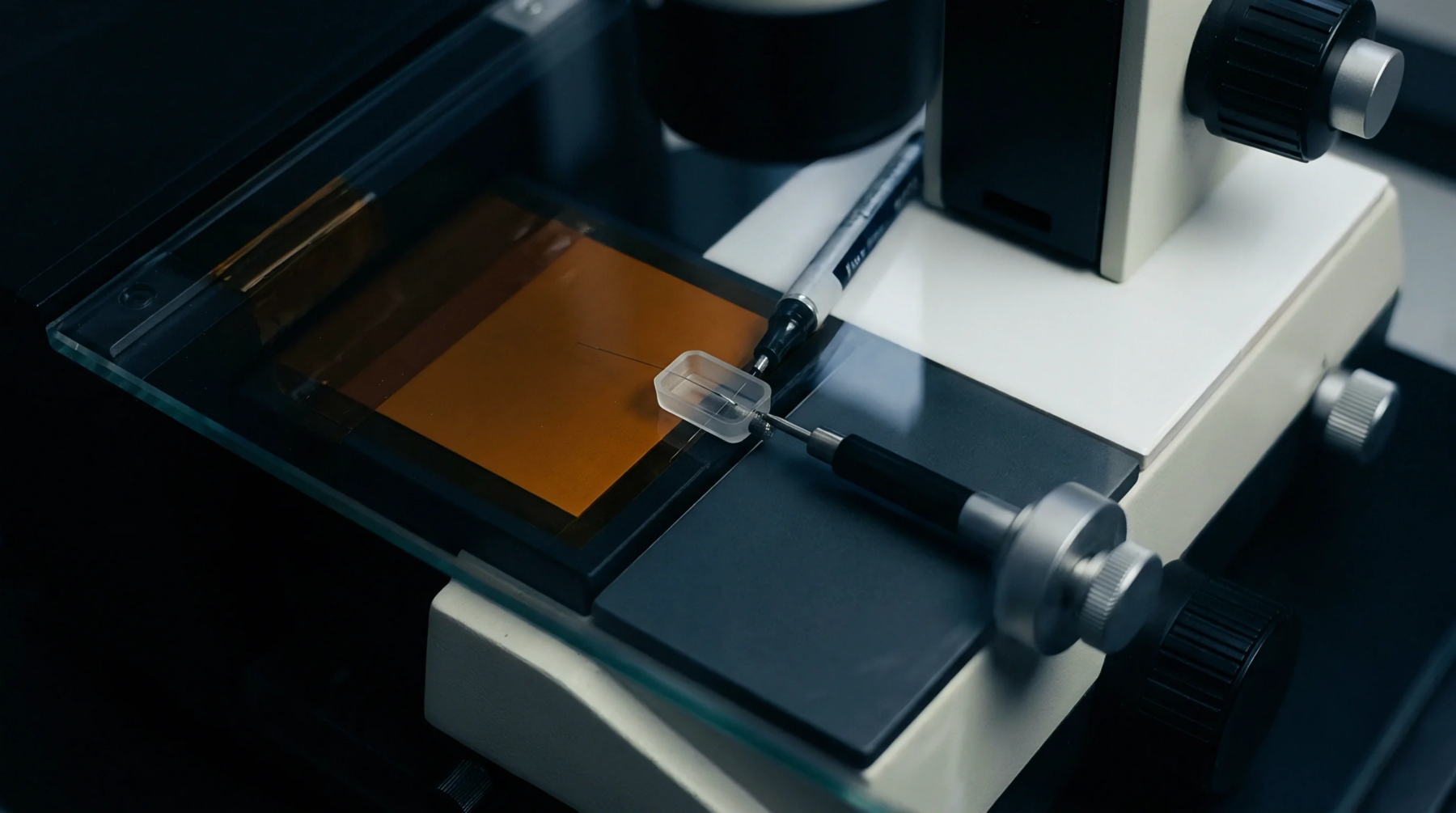
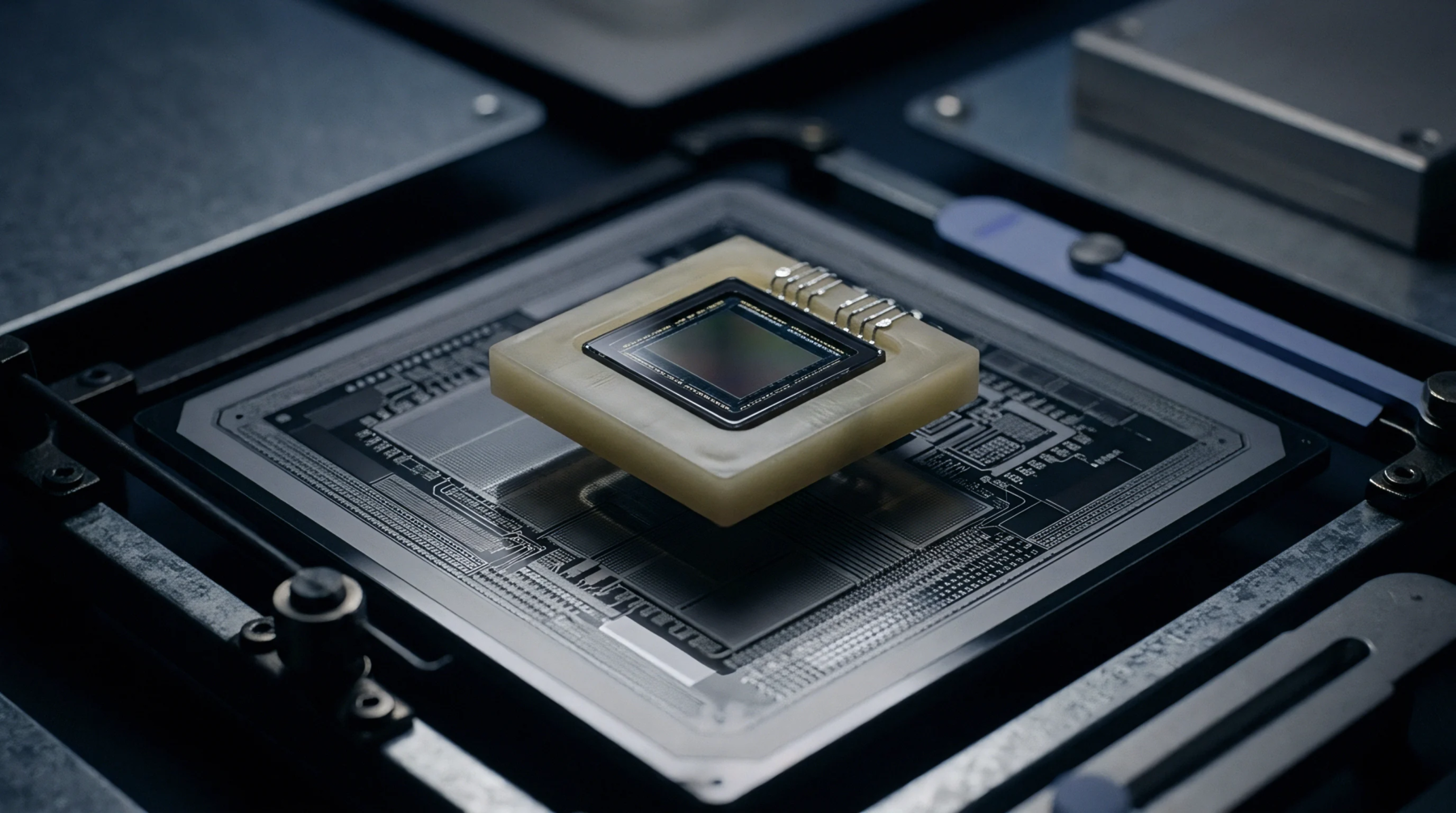
Liquid resins injected into the gap between a microchip and its carrier substrate provide mechanical support and protection for the electrical connections. Application of underfill prevents the solder joints from cracking due to the different rates at which silicon and board materials expand when heated.
Capillary Action
Fluid properties such as viscosity and surface tension determine how well the material flows beneath the die after it has been soldered. The process of applying underfill relies on the small distance between the chip and the board to pull the liquid in through narrow channels. Precise control of the dispensing temperature ensures a layer without voids that completely surrounds the solder bumps.
Automated equipment monitors the flow rate to prevent the formation of air pockets. This thorough coverage is necessary to prevent localized stress points that could damage the silicon.
Thermal Management
While the primary role is mechanical, the choice of filler particles within the resin also influences the heat dissipation of the package. Specialized underfill formulations include thermally conductive ceramic powders to help draw heat away from the active silicon. This capability is essential for high-power devices that would otherwise overheat due to the insulating properties of standard organic materials.
Moisture Barrier
The cured resin seals the delicate interconnects away from the surrounding atmosphere and prevents the ingress of corrosive agents. Using underfill improves the performance of electronics in humid or salt-heavy environments.