Moisture Classification
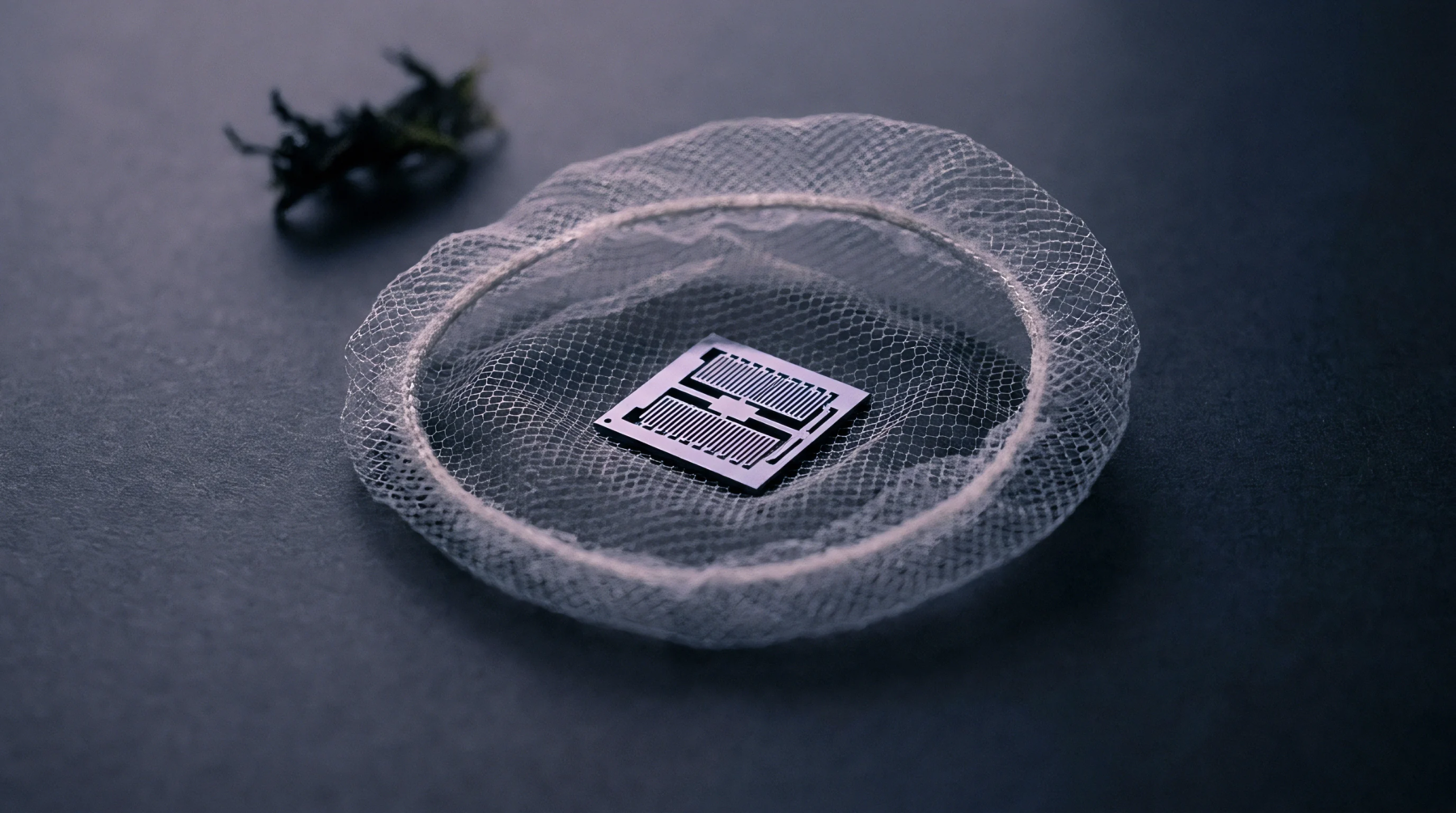
Moisture sensitivity level 3 defines the maximum floor life threshold for surface mount electronic components before moisture induced package cracking occurs during reflow soldering. Exposed semiconductor packages absorb atmospheric humidity through porous plastic body materials and microscopic interfacial pathways. Internal vapor pressure rises rapidly when components encounter the high temperatures of assembly ovens.
Delamination between the silicon die and the molding compound typically results if the absorbed moisture concentration exceeds specific mass fractions set by standards organizations. Manufacturers establish this classification through standardized temperature and relative humidity exposure chambers followed by thermal stress simulation.
Exposure Boundary
Controlled factory floors maintain ambient humidity below specific dew point limits to halt moisture ingress during assembly operations. Components packaged inside moisture barrier bags remain stable until vacuum seals are breached at the production line. Dry cabinet storage halts the internal clock governing floor life once devices emerge from protective packaging.
Baking procedures restore dry conditions inside saturated components when manufacturing delays exceed the allowable exposure window. Unsealed packages left on open benches absorb ambient water vapor at rates dictated by local atmospheric conditions and ambient temperature gradients.
Thermal Stress
Vapor pressure builds inside the package interior during the high temperature excursion of the reflow oven. Water molecules trapped within polymer voids expand violently when thermal energy converts liquid moisture into superheated steam. Internal mechanical stress exceeds the interfacial adhesion strength holding the leadframe and molding compound together.
Fractures propagate outward toward the component exterior and visible cracks appear along the package edges. Microscopic fissures also sever internal wire bonds without leaving external evidence of structural failure.
Verification Protocol
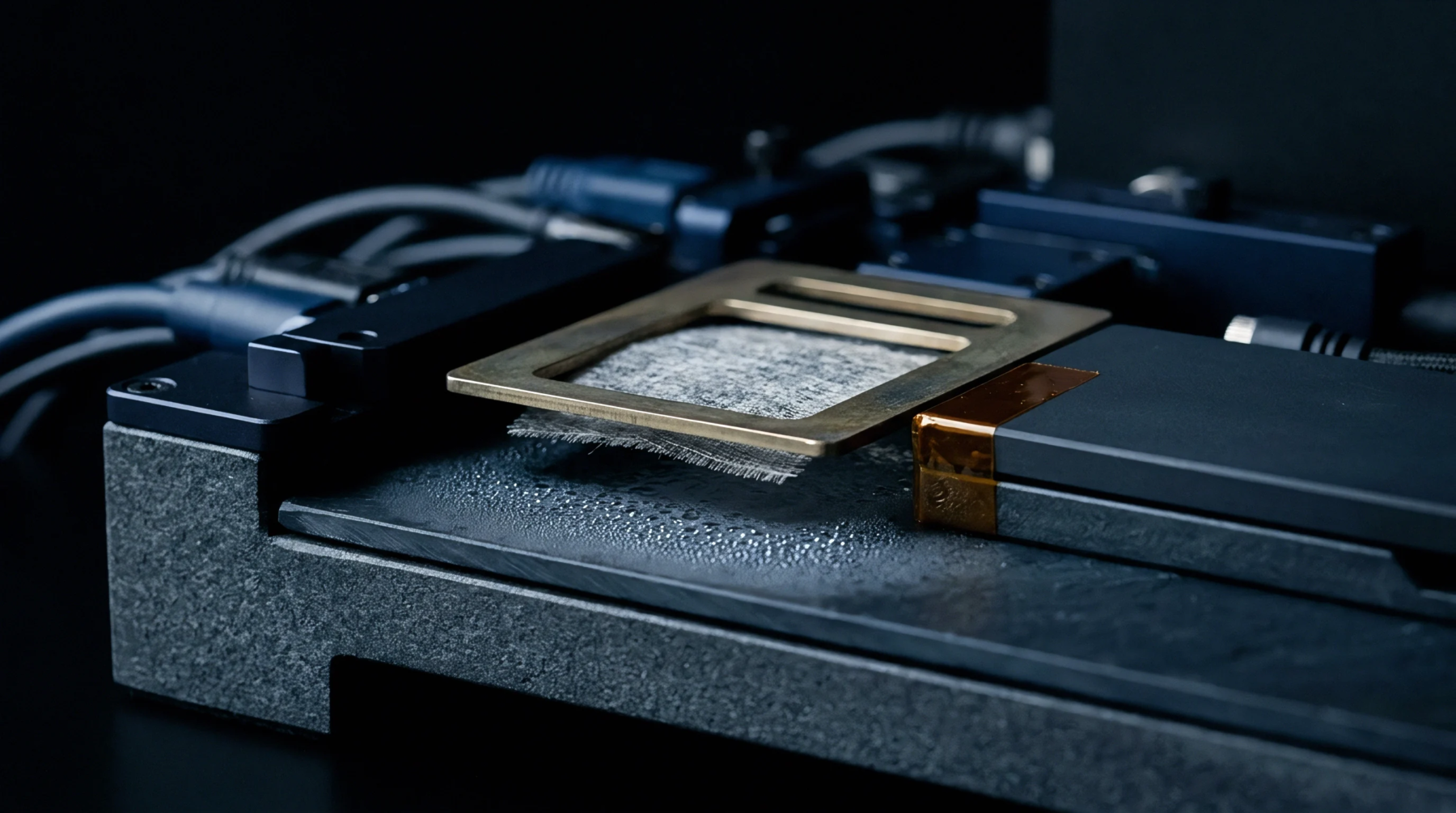
Metrological verification requires weighing sample packages on analytical balances with sub milligram resolution before and after environmental conditioning. Moisture absorption is quantified by calculating the exact mass gain relative to the dry weight of the device. Ultrasonic scanning acoustic microscopy inspects internal interfaces for hidden delamination voids following thermal exposure.
Destructive cross sectioning confirms crack propagation paths when non destructive acoustic methods reveal internal anomalies. Certification documents record the precise soak time and humidity level endured by the sample lot prior to electrical testing.