Structural Deformation
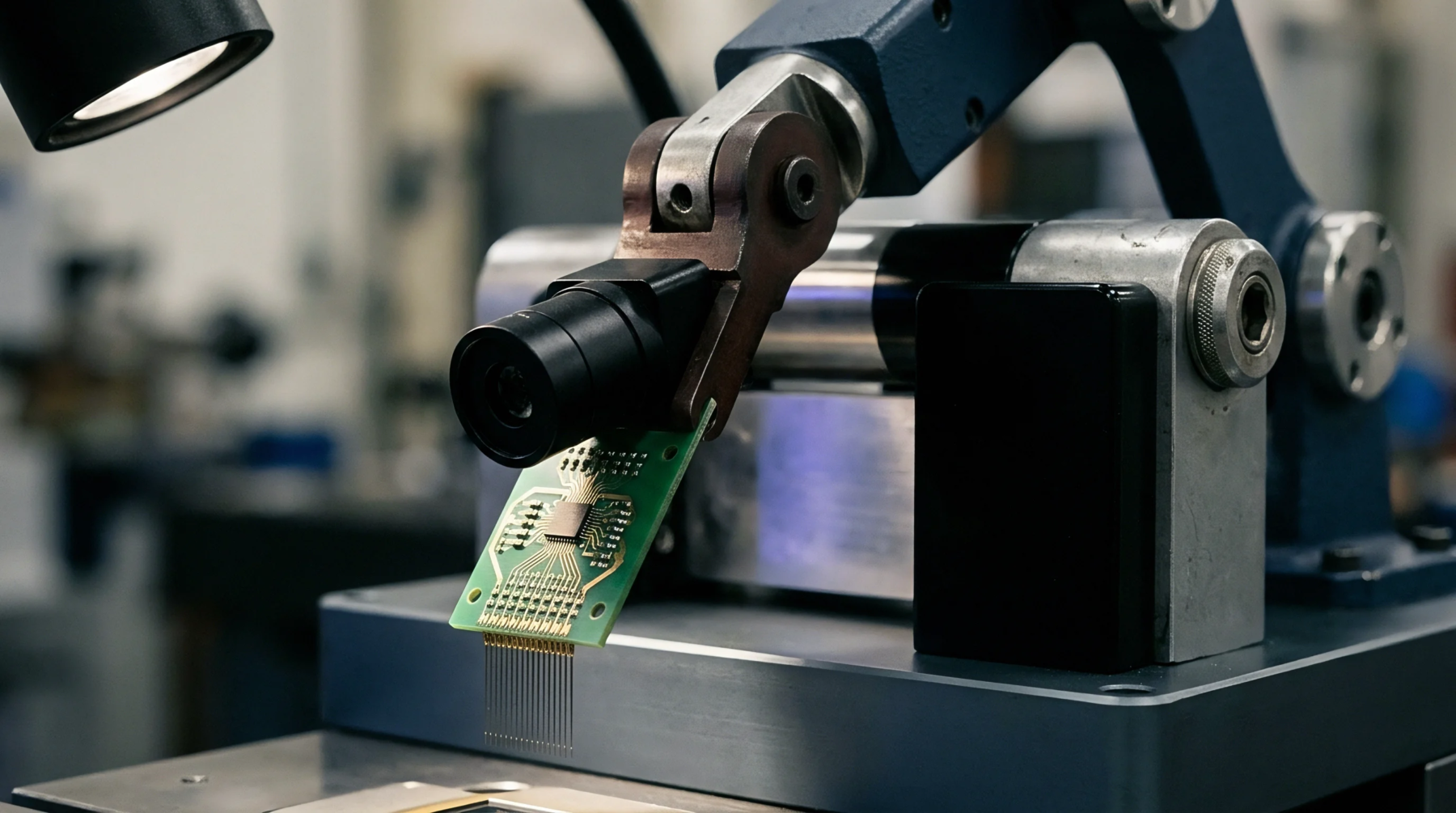
Relative displacement of particles within a material resulting from applied forces or thermal expansion defines the physical state of a sensing element. Any mechanical strain applied to a precision resistor or sensor die can alter its electrical properties through the piezoresistive effect.
Signal Interference
Mounting a sensor to a surface with a different thermal expansion coefficient introduces unwanted stress as temperatures fluctuate. This mechanical strain shows up as a drift in the zero point or a change in the sensitivity of the device. External loads on the housing or pressure from the potting compound also contribute to the total deformation of the internal components.
These forces are quantified using micro-strain units where one unit represents a change of one part per million in the length of the material. Calibration procedures often involve applying a known load and measuring the resulting electrical shift to establish the strain sensitivity of the instrument.
Compensation Method
Advanced packaging techniques utilize compliant materials and flexible leads to decouple the sensitive die from the external environment. By isolating the chip, the influence of mechanical strain is reduced to a level that can be managed by the internal compensation circuitry. High accuracy instruments often feature a floating internal structure to maintain stability under varying mechanical loads.
Failure Mode
Fatigue occurs when the material is subjected to repeated cycles of tension and compression. Over time, this process leads to the formation of microcracks that degrade the structural integrity of the sensor leads or the substrate. Testing for this condition involves accelerated life cycles where the device is exposed to vibration and thermal shock.