Dimensional Limit
Dimensional discrimination capability defines the minimum distance at which two separate physical features can be distinguished by a sensor. High spatial resolution allows an imaging array to detect micro-cracks that are positioned very close to each other. This capability depends directly on the focus of the probe and the frequency of operation.
Sensor Geometry
Physical coil size restricts the minimum footprint of the electromagnetic field. A smaller sensor provides higher spatial resolution but has a reduced penetration depth and a narrower scan width. Engineers must select the coil diameter that balances the need to detect small localized defects with the required depth of inspection.
Focusing Mechanisms
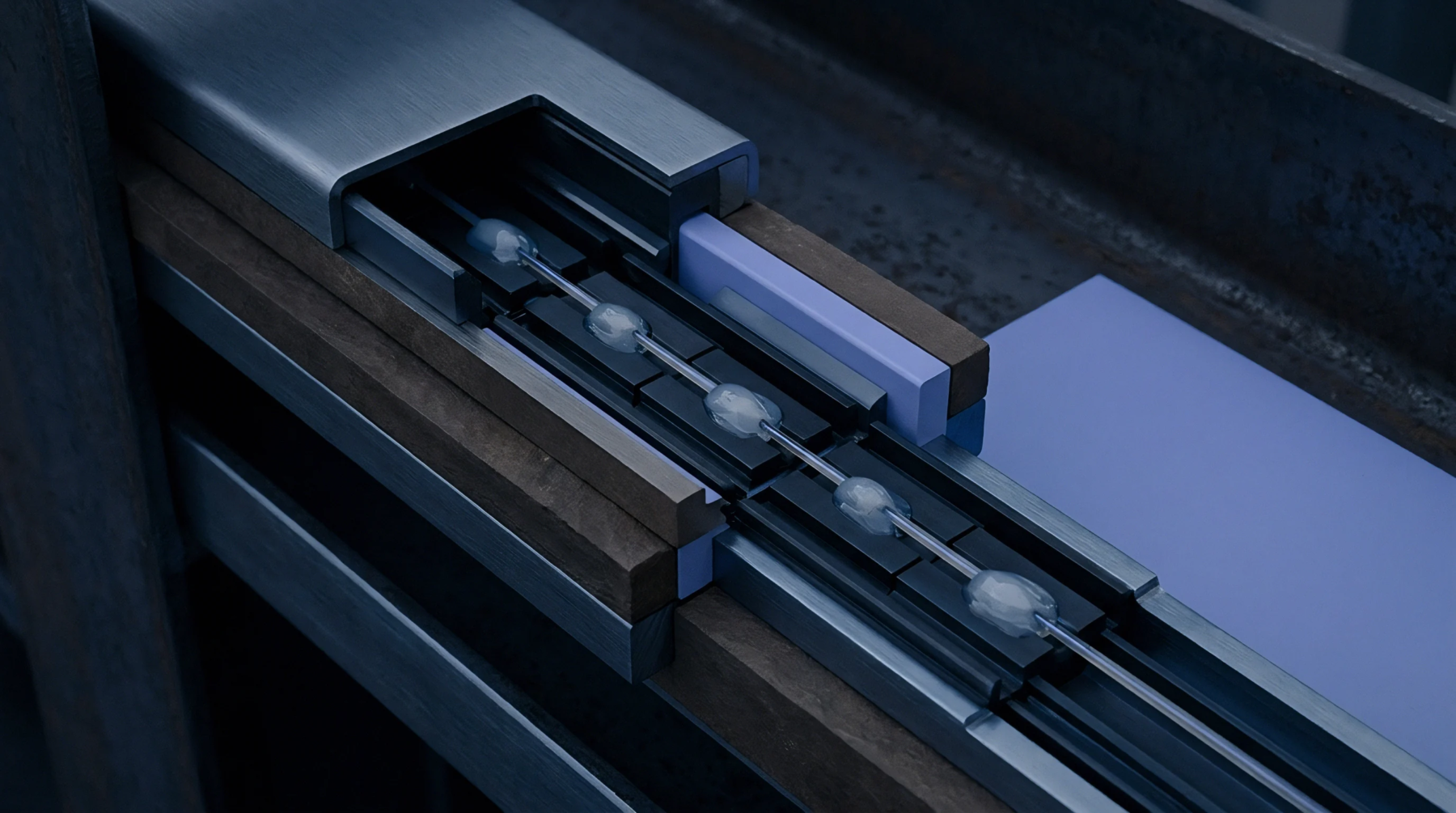
Shielded coils and specialized ferrite cores concentrate the magnetic flux into a highly localized zone. This configuration prevents the field from spreading laterally, which enhances the spatial resolution in both the scan and index directions. High-resolution sensors are critical for scanning complex geometries such as threaded bolt holes and welded joints where stress concentration occurs.
By limiting the field spread, these focused probes reduce edge effects and unwanted reflections from geometric boundaries.
Inspection Speed
High-resolution scanning requires smaller step sizes and slower probe movement to prevent spatial aliasing. The data acquisition rate must be synchronized with the mechanical scanner to ensure that the sensor captures sufficient data points per unit of area. This synchronization guarantees that the spatial resolution is maintained across the entire inspected surface.