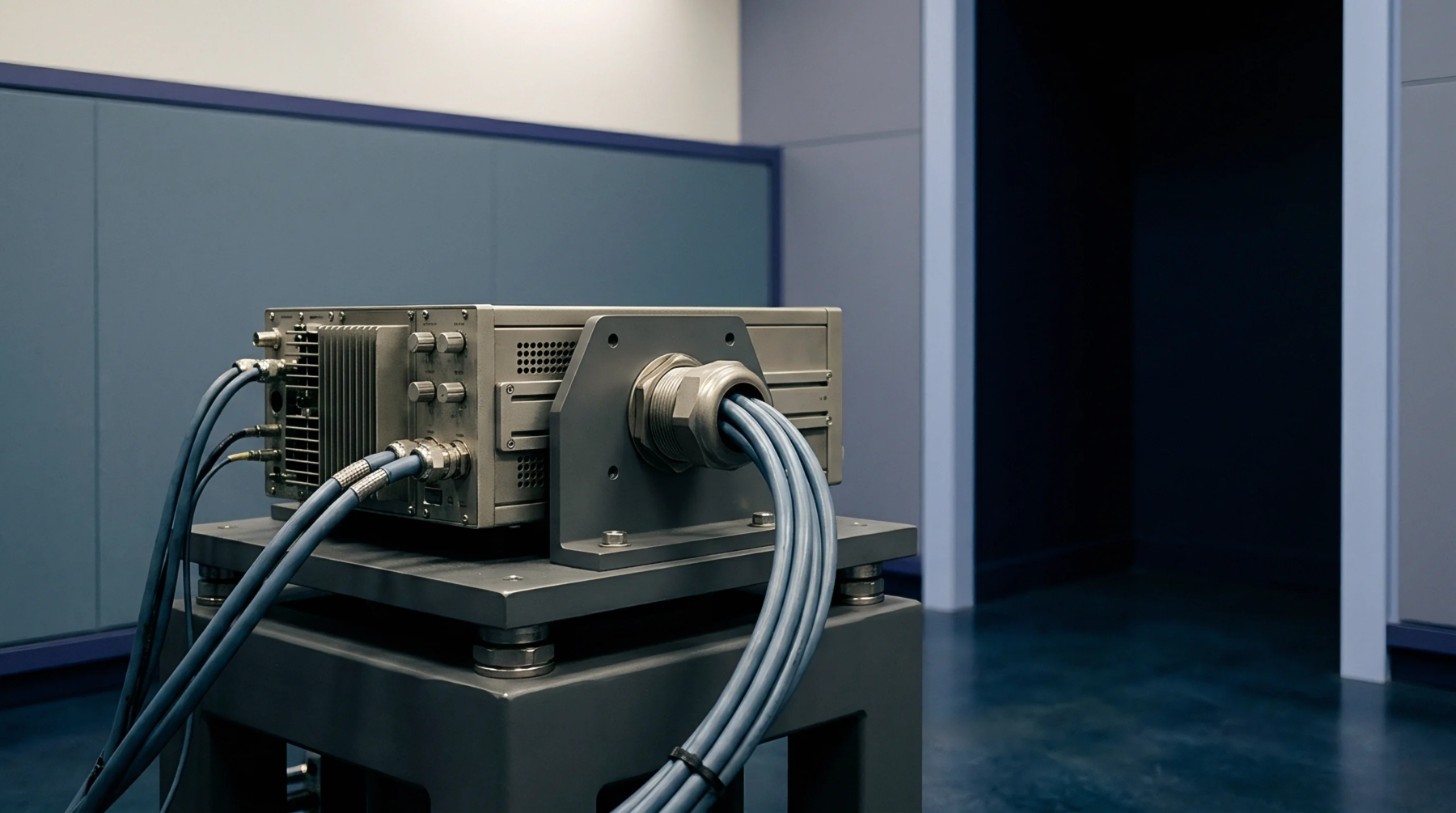
Mitigating Thermoelectric and Common Impedance Ground Coupling in Mixed Output Stages
Mitigate mixed output ground errors by routing isolated Kelvin returns and orienting symmetric thermocouple junctions along isothermal lines.
Mitigate mixed output ground errors by routing isolated Kelvin returns and orienting symmetric thermocouple junctions along isothermal lines.
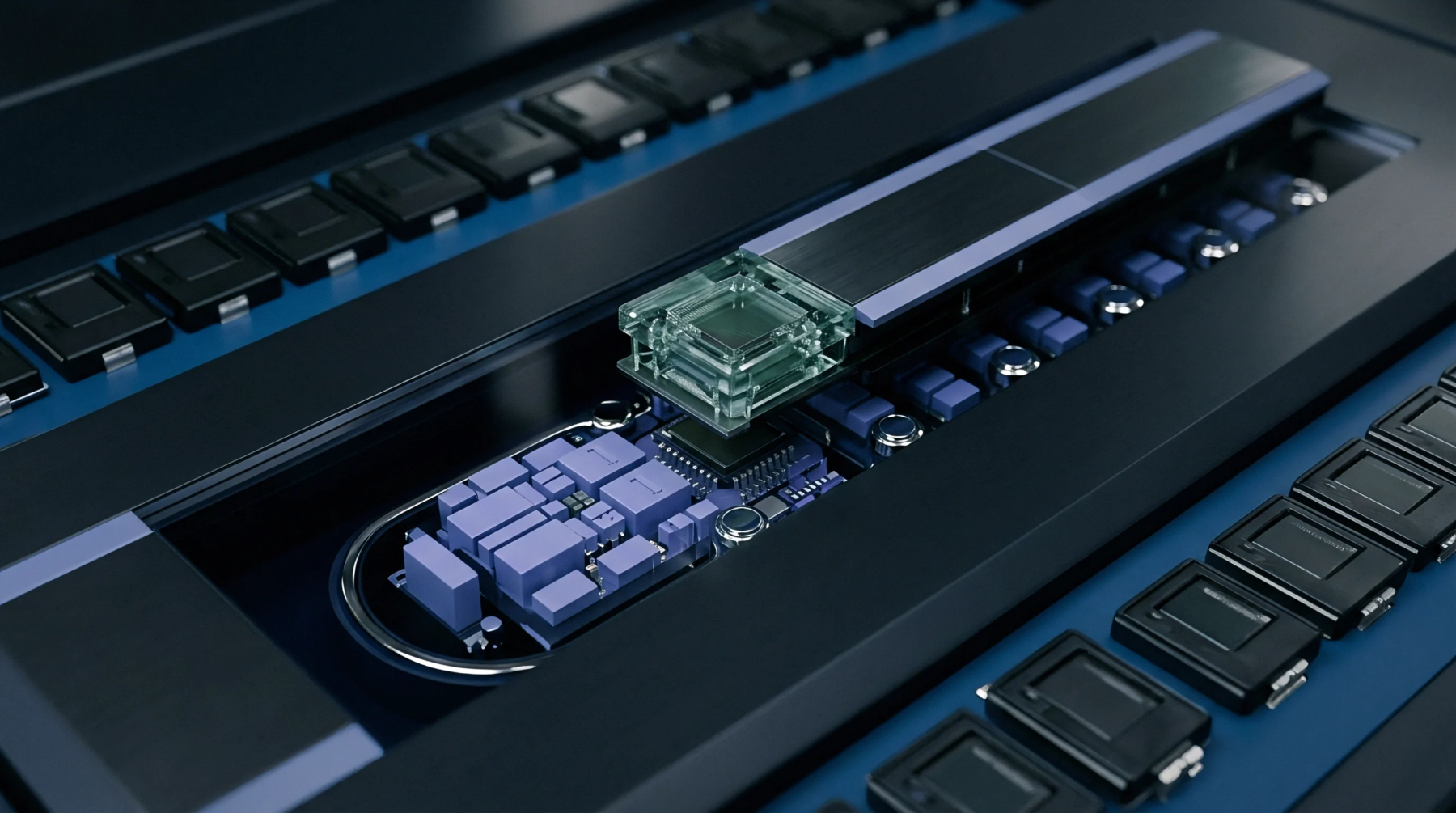
Precision reference isolation requires driven guard rings, symmetrical thermal layout, and strain-relief board cutouts to eliminate offset drift.
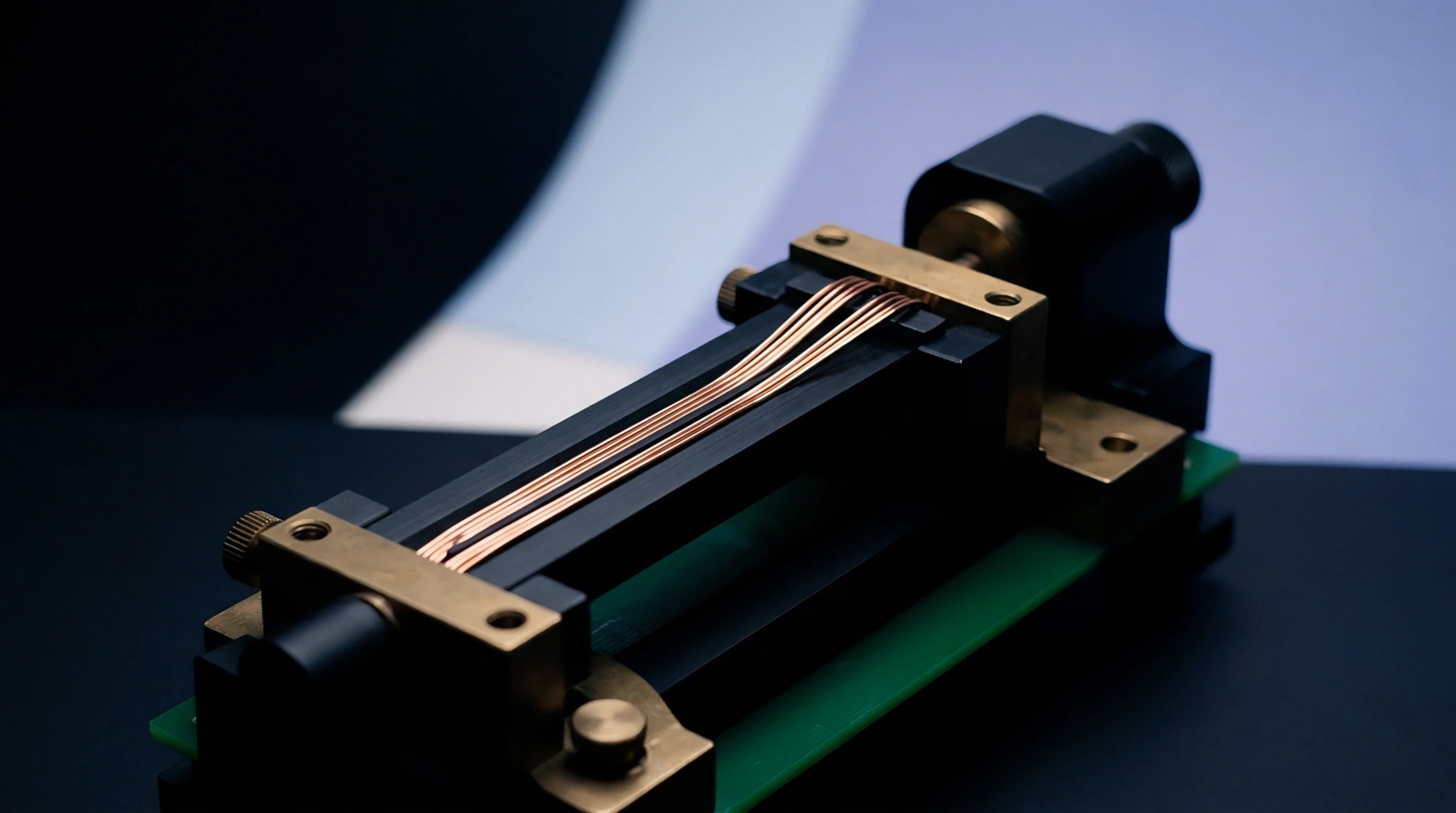
Dynamic finite element modeling predicts package viscoelastic stress relaxation to prevent sensor drift and solder joint fatigue under cyclic field loading.
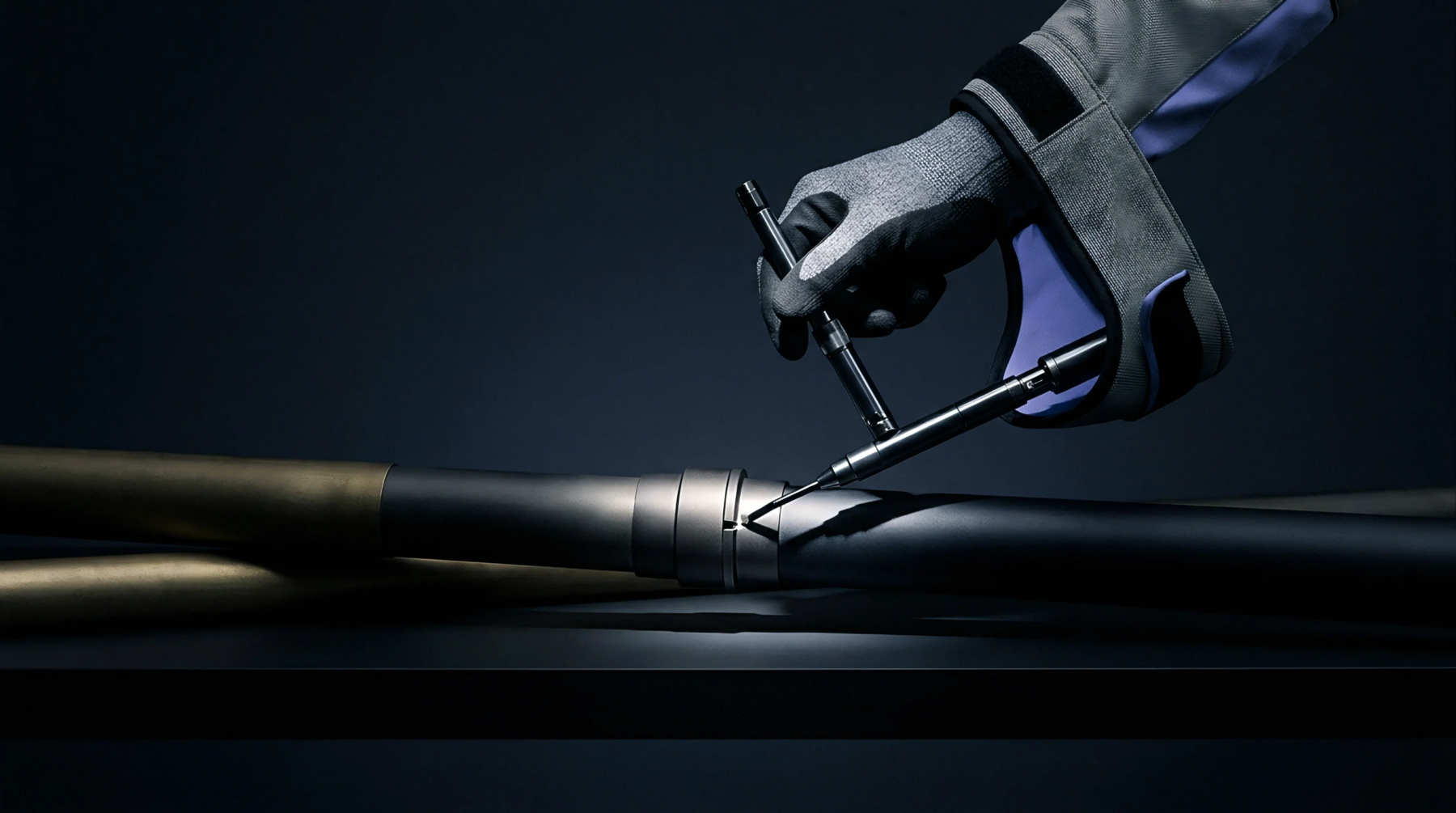
Automated thermal chamber calibration requires active derivative dwell monitoring, low-EMF switching matrices, and validated polynomial interpolation.
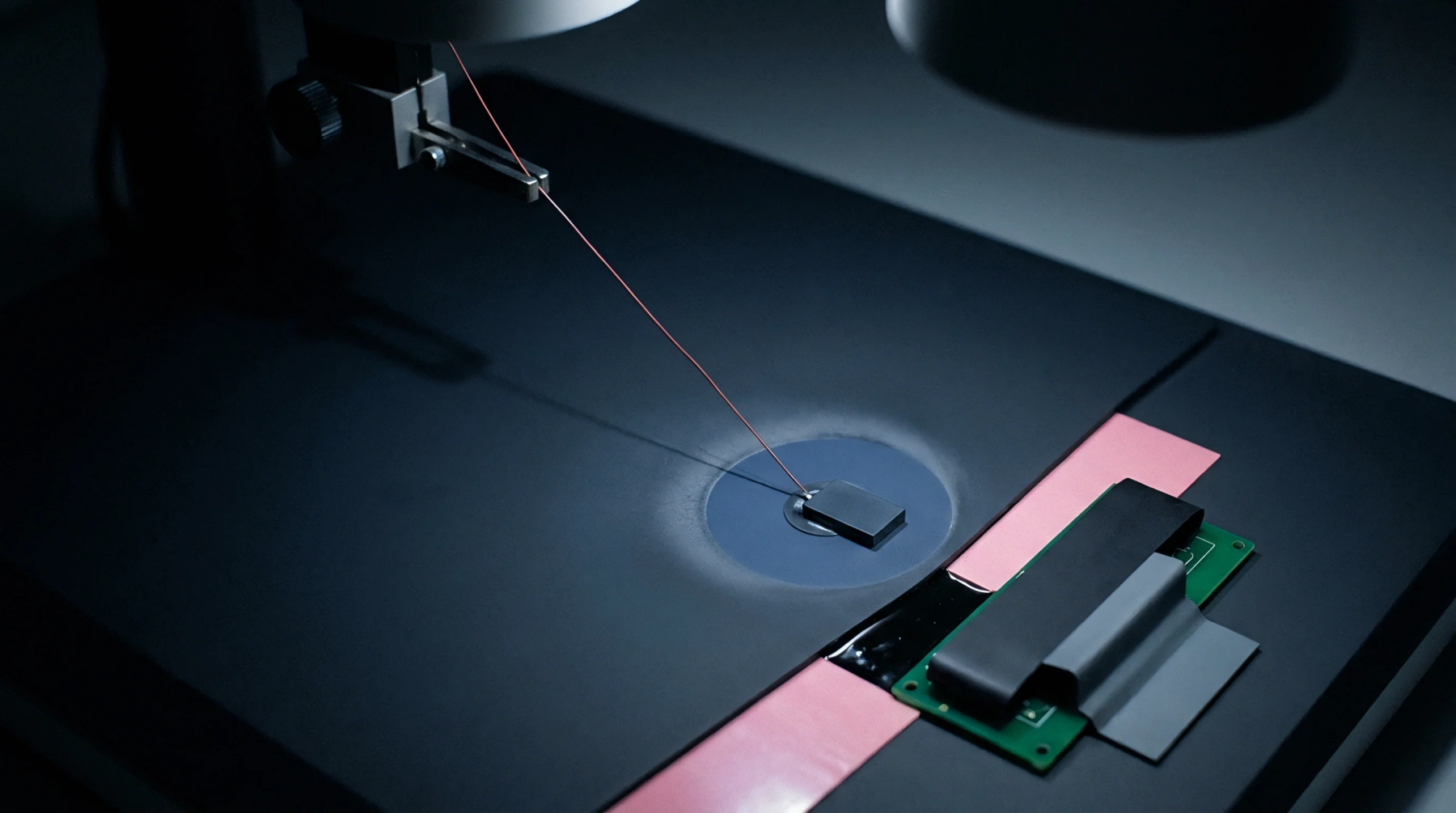
Implementing routed stress relief slots with keyhole radii isolates MEMS sensors and brittle MLCC components from depanelization microstrain and thermal flex.
Asymmetric multi-drop sensor interconnects generate non-linear phase distortion through uneven stub reflections, demanding localized capacitance matching to protect eye margins.

Lumped bus capacitance above 354 pF delays serial rise times beyond Fast-mode thresholds, corrupting runtime address enumeration and requiring active buffering.
Mitigate sensor line capacitance by pairing calculated physical pull-ups, ground coplanar shielding, and active rise-time accelerators before layout freezes.
Dynamic ground bounce on extended flex arrays demands active slew rate control and continuous differential reference sensing to prevent asynchronous enable corruption.

Cascading multi-node sensor chains demands strict bus capacitance budgeting and active buffer isolation to maintain rise-time and timing skew margins.
Cascade enable daisy chaining reduces host controller interface traces to four lines while dynamic address framing scales high-density sensor arrays efficiently.

Dynamic address allocation timing requires firmware driver validation of open-drain to push-pull transitions within strict t_CAS and t_SCO propagation bounds.

Address expansion in dense sensor arrays demands active bus isolation when trace and pin parasitics exceed 400 pF to prevent rise time failure.

Dynamic address discovery selection balances high sensor silicon costs against the board space, layer count, and firmware overhead of physical multiplexing.
Active translator phase margin collapses when multi-drop capacitive loading shifts the dominant pole, requiring damping resistors and buffer architecture audits.
Active edge rate recovery circuits overcome capacitive bus loading by temporarily dropping translator output impedance during logic transitions.
Calculate bus parasitic limits by summing pin, pad, and trace capacitance against standard rise-time formulas to fix pull-up values before board layout freezes.

Optimizing SMT stencil aperture ratios above 0.66 and eliminating passive input dividers resolves yield drops on fine pitch level translators.

Managing capacitive budgets in dense sensor arrays demands strict control over trace parasitic capacitance, package lead pin loads, and bus driver pull-up values.

Hardware translators modify target bytes inline without code overhead, while bus multiplexers isolate capacitive loads through switched firmware transactions.
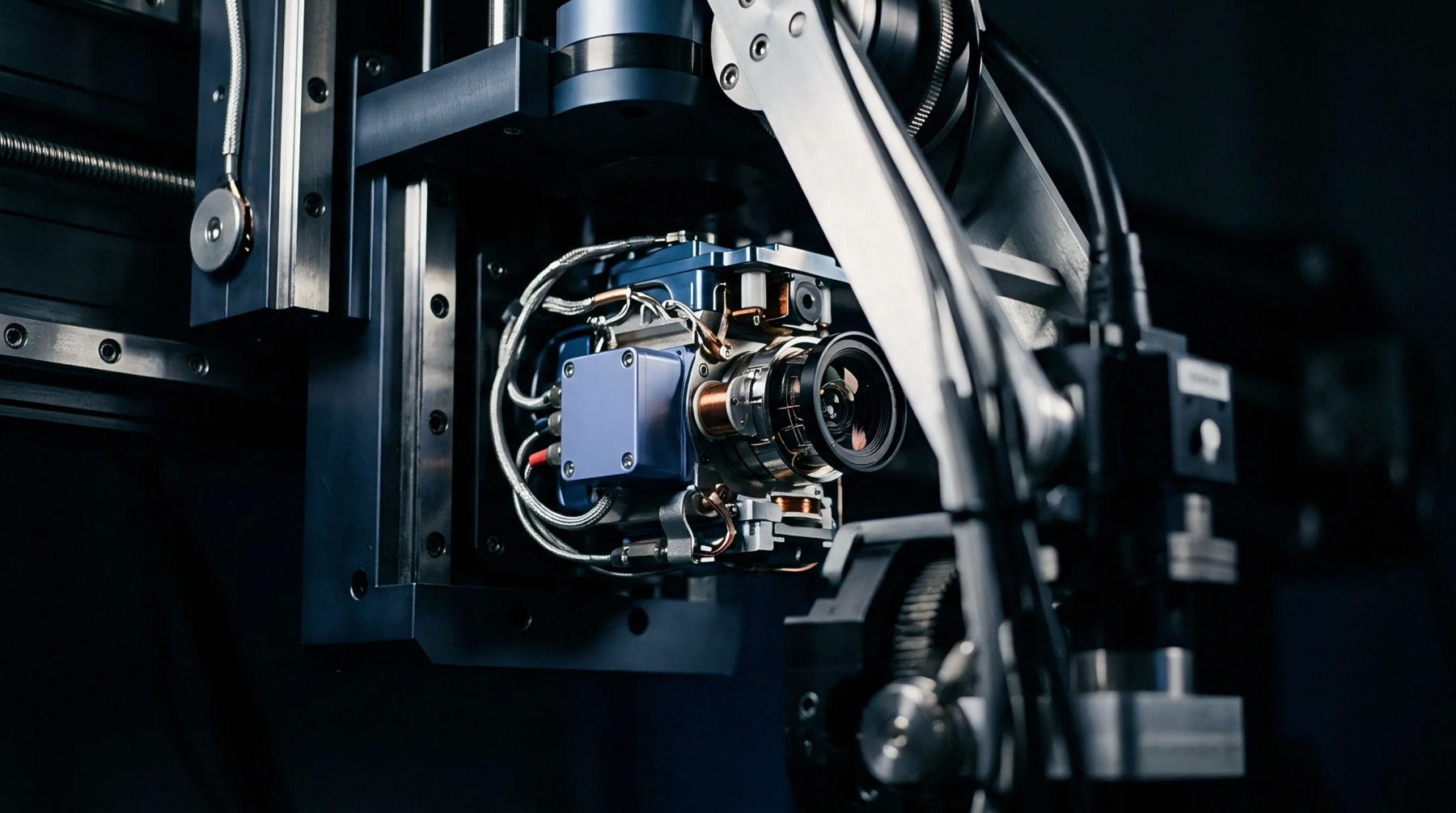
Resolving real-time kernel bus degradation requires hardware DMA ring pacing, PHY timestamping, and targeted hardware FIFO watermark tuning.

Partitioning bus capacitance through active buffers keeps total trace loads below four hundred picofarads while preserving edge timing across extended topologies.
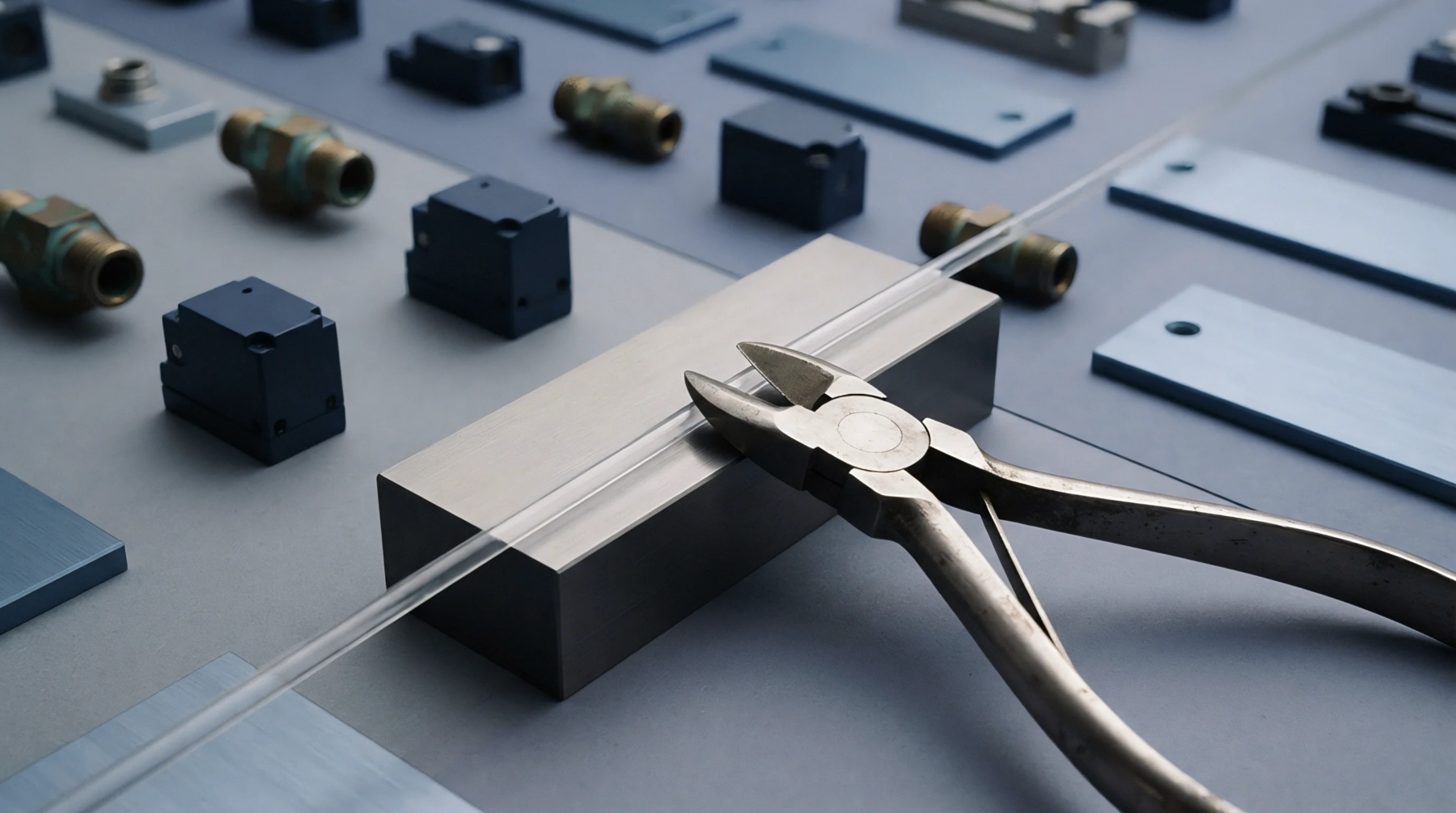
Configure hardware address pins with direct rail connections or precise resistor networks to prevent bus collisions on shared multi-sensor circuits.
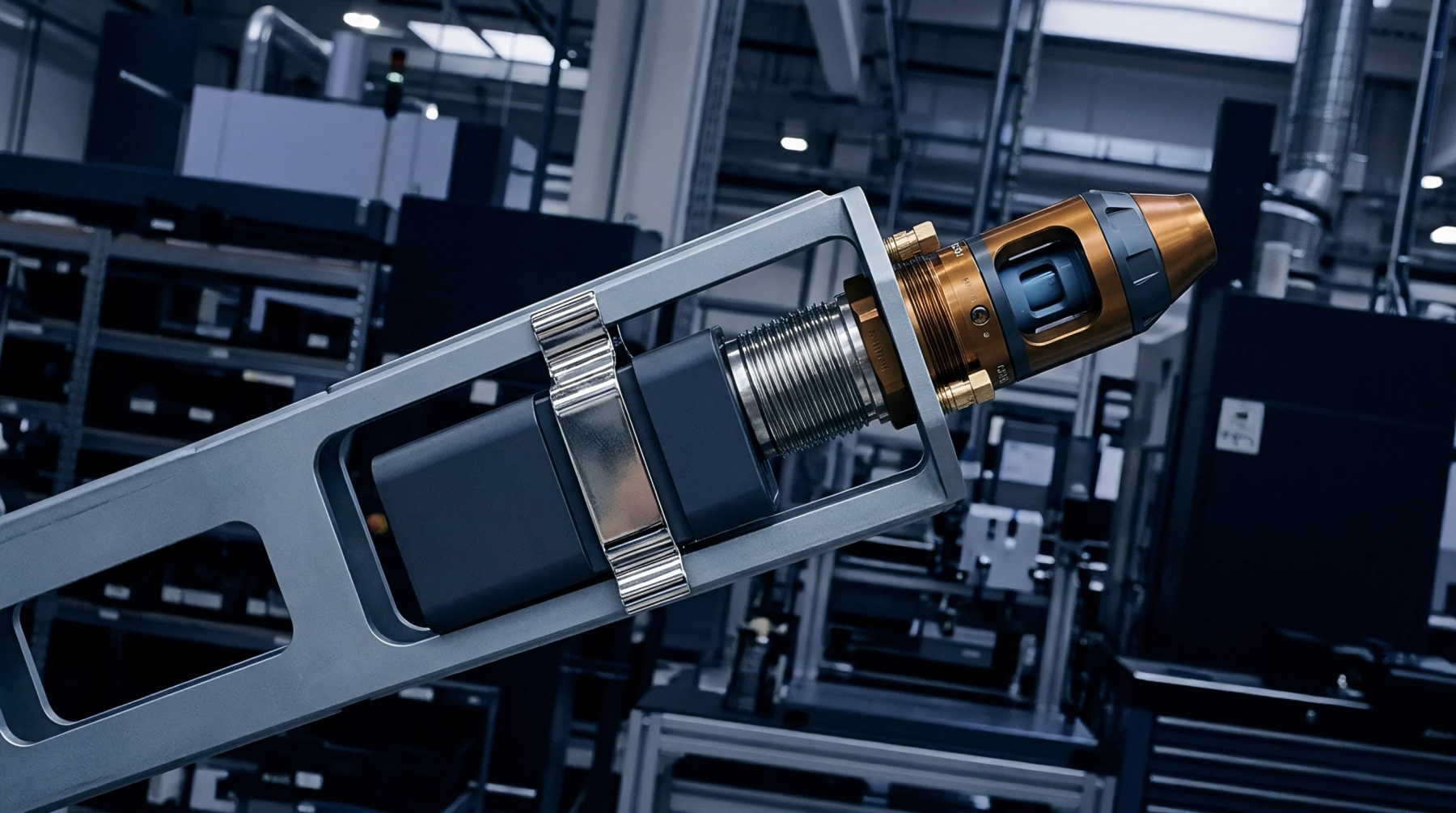
Asymmetric housing geometry breaks time temperature superposition accuracy by inducing multi-axial stress states that alter polyurethane relaxation rates.

Viscoelastic modeling via Prony series predicts time-dependent die offset drift, enabling firmware compensation and low-stress package selection.

Selecting piezoresistive pressure packaging requires matching media isolation, land pattern strain limits, and bus interfaces to control unit cost.

Viscoelastic gel relaxation causes long term zero offset drift in hermetic pressure sensors, requiring precise gel volumetric control and ASIC recalibration.

Digital ASIC multi-order polynomial compensation eliminates potting stress thermal offset drift through multi-temperature matrix calibration and NVM coefficient storage.

Dual-compound sensor potting relaxes over time, shifting baseline bridge calibration unless modeled via nonlinear viscoelasticity and stabilized by post-cure baking.
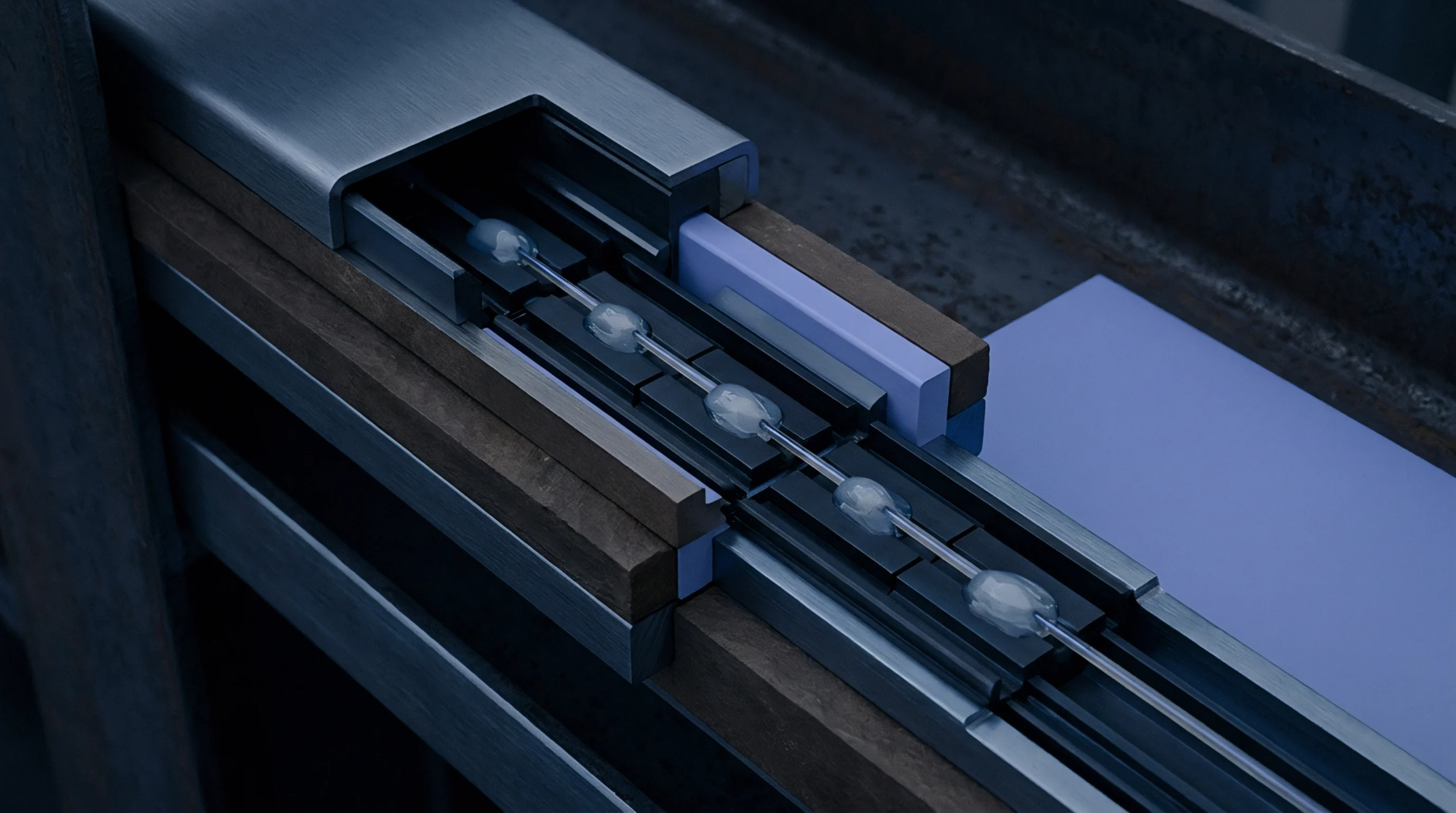
Stress isolation in piezoresistive pressure sensors requires low-CTE glass pedestals and soft gel fills to eliminate reflow and PCB strain drift.
Expertise is a utility, not a secret. sentiention™ publishes its working knowledge as open reference: intelligence layer covering the materials it sources, the markets it enters, and the reference that serves both.