
Early Sensor Drift Mechanisms in Precision Strain Gauges
Early sensor drift in precision strain gauges stems from adhesive glueline viscoelastic relaxation, foil alloy recovery, and moisture ingress within 72 hours.
Early sensor drift in precision strain gauges stems from adhesive glueline viscoelastic relaxation, foil alloy recovery, and moisture ingress within 72 hours.

Moisture kinetics in epoxy molding compounds dictate reflow vapor pressure, package strain, and MSL floor life across surface mount assembly lines.

Water vapor diffusion across elastomer seals causes reference cavity pressurization and dielectric drift, requiring coulometric ISO 15105-2 verification.

Peroxide-cured EPDM and specialty FFKM compounds prevent seal failure by resisting hydrolytic scission and dynamic compression set under thermal steam washdowns.

Modelling hygrothermal stress requires superposing thermal strain, moisture swelling, and superheated steam pressure at leadframe interfaces during 260°C reflow.
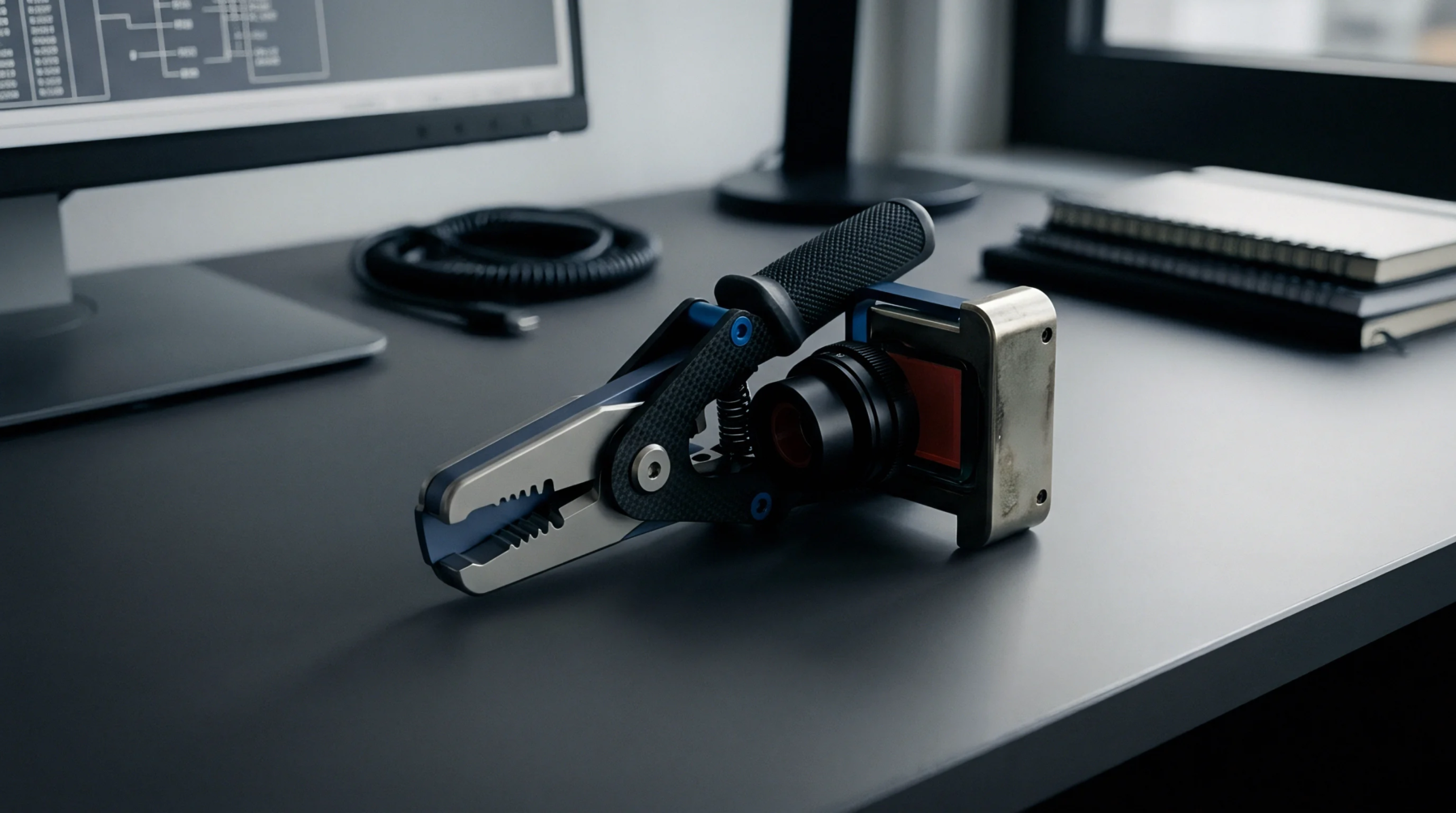
Dynamic atmospheric humidity alters gel swelling stress and dielectric passivation properties in piezoresistive sensors, driving measurable zero baseline drift.
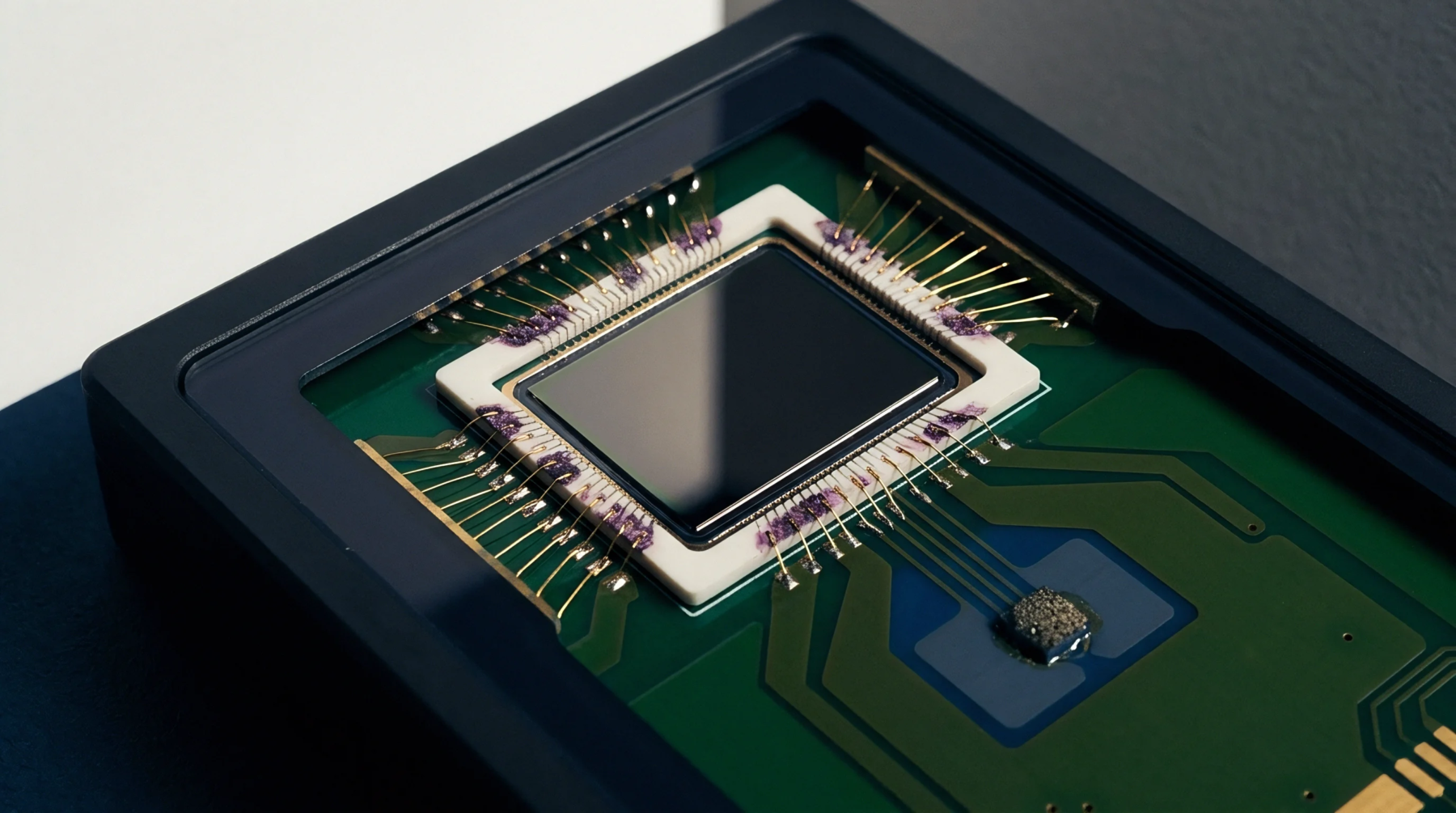
Polymeric potting stress relaxation causes time-dependent zero drift in precision transducers, requiring thermal seasoning to stabilize output baseline.
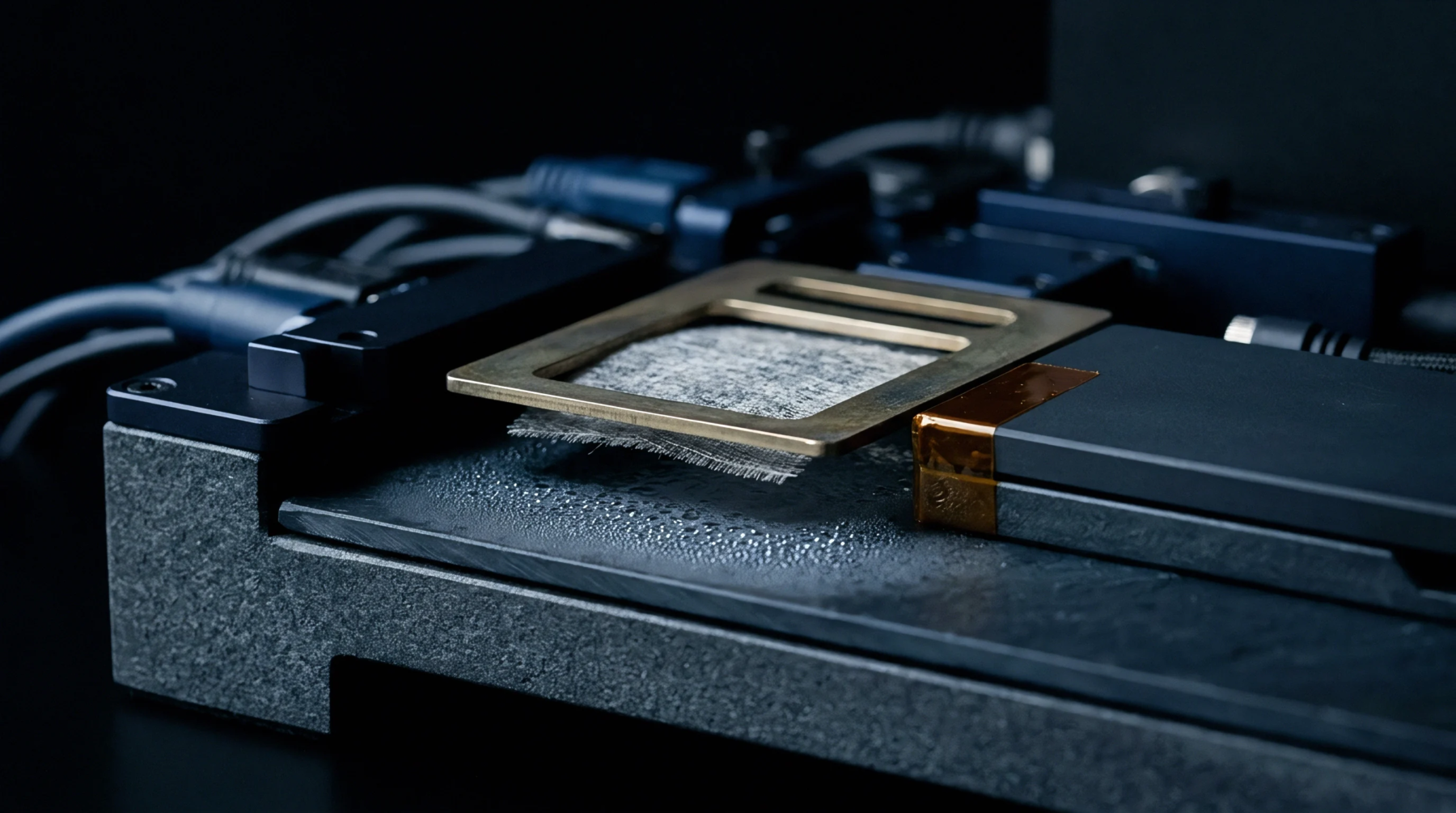
Epoxy molding compounds absorb moisture according to temperature-dependent diffusion rules, requiring strict MSL floor life management to avoid popcorning during reflow.

Quantifying permeation drift requires modeling water vapor diffusion across elastomer seals to prevent dielectric zero shifts in vacuum pressure transmitters.
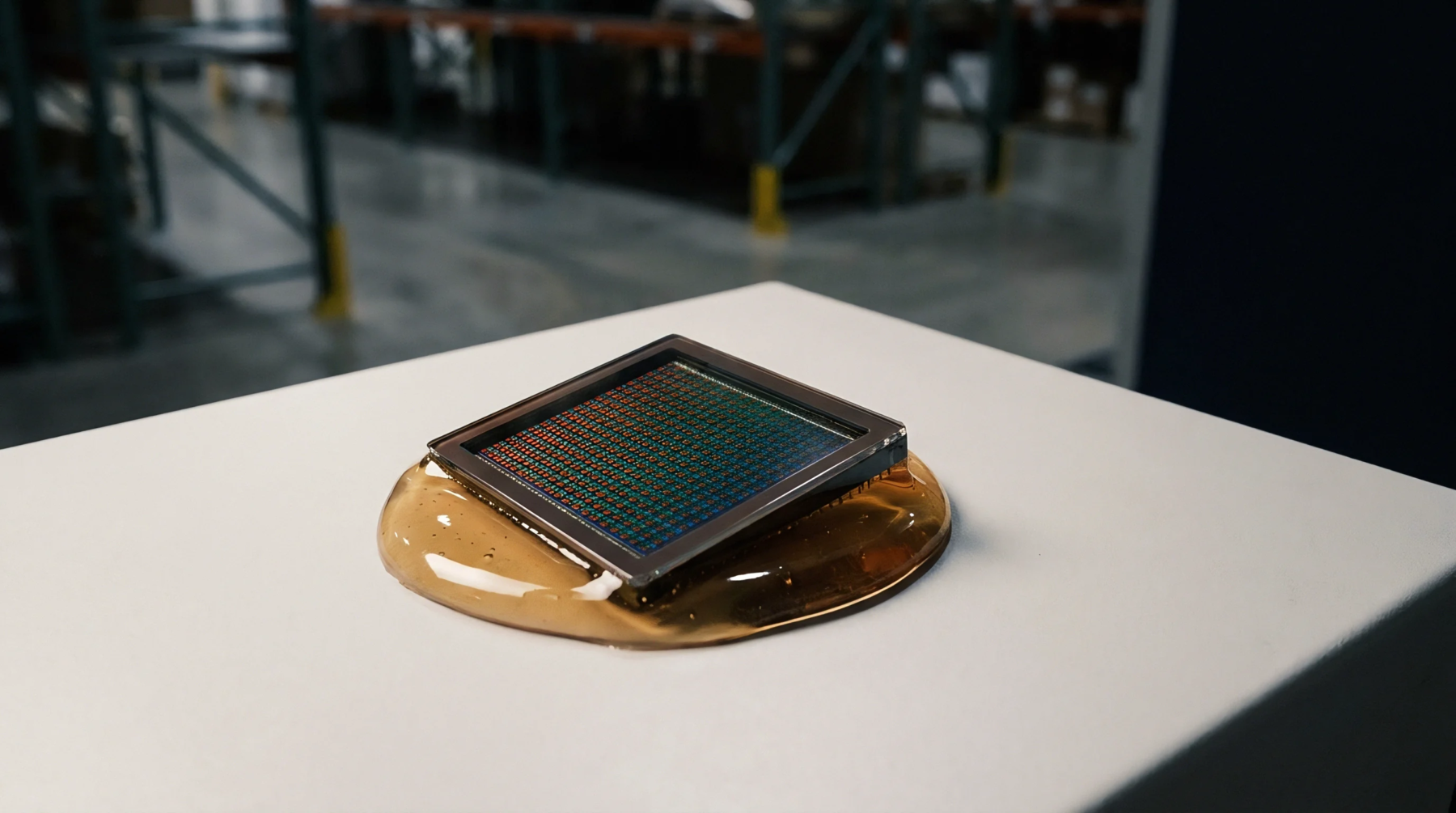
Dynamic moisture ingress into piezoresistive sensor encapsulants expands thermal hysteresis by up to 0.25% FSS, requiring humidity-conditioned calibration.

Epoxy compound moisture absorption generates critical steam pressures during lead-free reflow, demanding strict MSL dry-pack handling to prevent internal delamination.

Compromised MSL 3 packaging instantly voids floor life: quarantine components, verify humidity cards, and require J-STD-033 dry baking before SMT reflow.
Expertise is a utility, not a secret. sentiention™ publishes its working knowledge as open reference: intelligence layer covering the materials it sources, the markets it enters, and the reference that serves both.