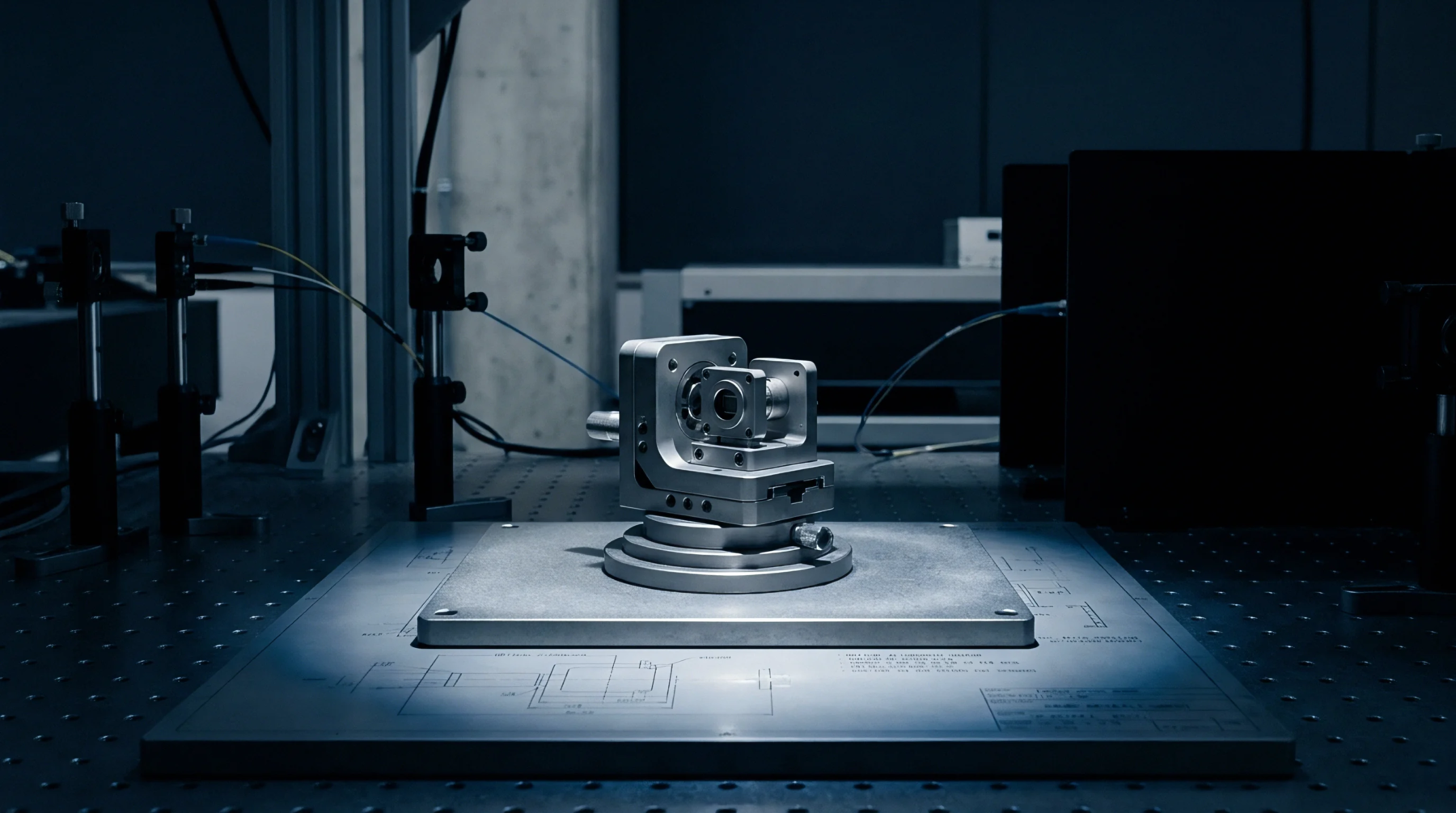
Decoupling Multi Axis Shaker Table Cross Motion in Inertial Calibration
Multi-axis shaker cross-motion decoupling relies on synchronized multi-channel reference arrays and dynamic frequency-domain matrix inversion.
Multi-axis shaker cross-motion decoupling relies on synchronized multi-channel reference arrays and dynamic frequency-domain matrix inversion.

Multilayer ceramic components generate microphonic noise through piezoelectric coupling, manageable via Class I dielectrics or soft terminations.
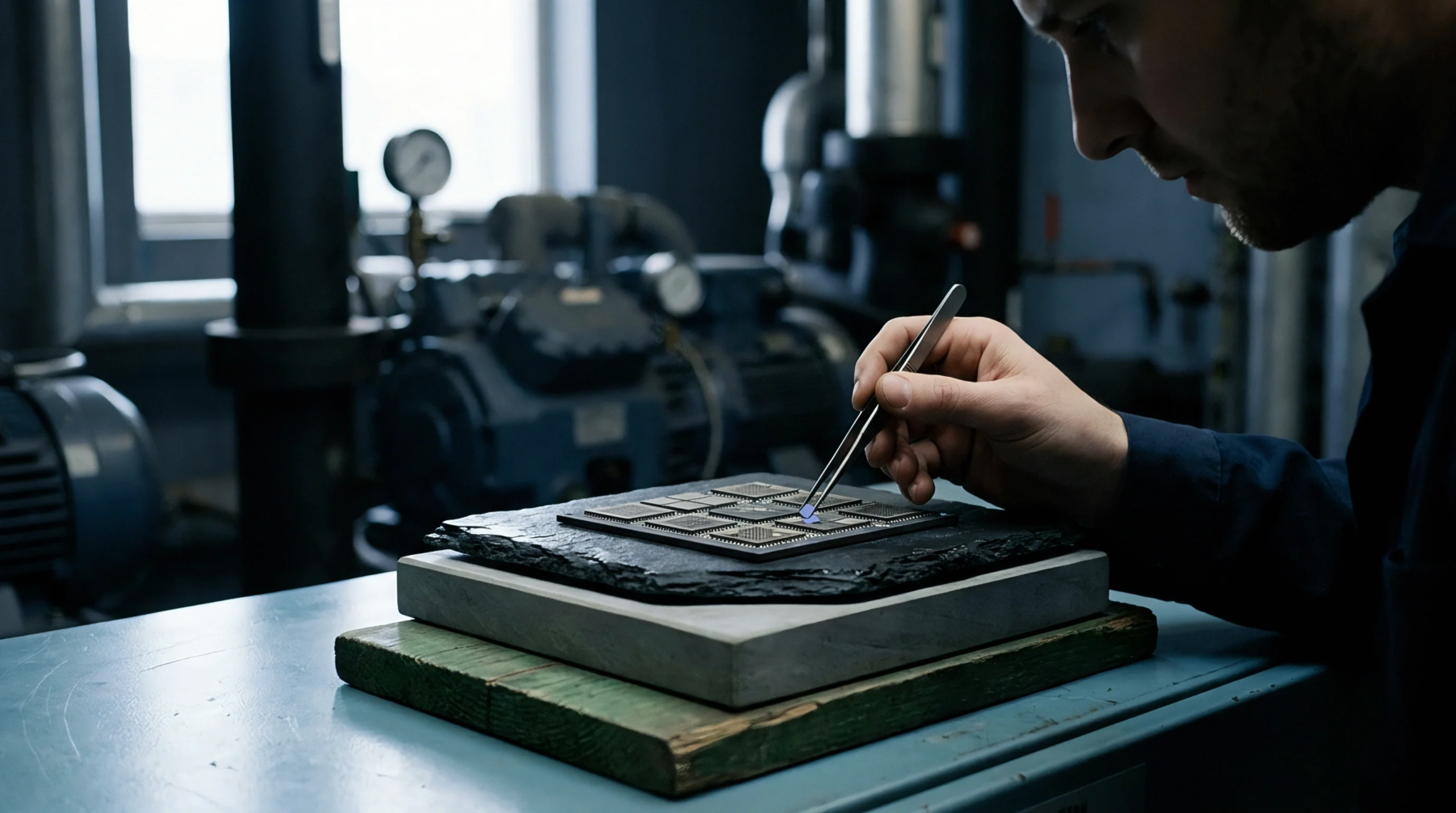
Thermal stress accelerates species desorption and diffusion inside wafer-level cavities, requiring Arrhenius modeling and non-evaporable getters for vacuum stability.

Dynamic thermo-mechanical strain relaxation in piezoceramic dosing mounts requires combined viscoelastic creep and CTE mismatch budgeting to hold nanometer tolerances over extended operating cycles.
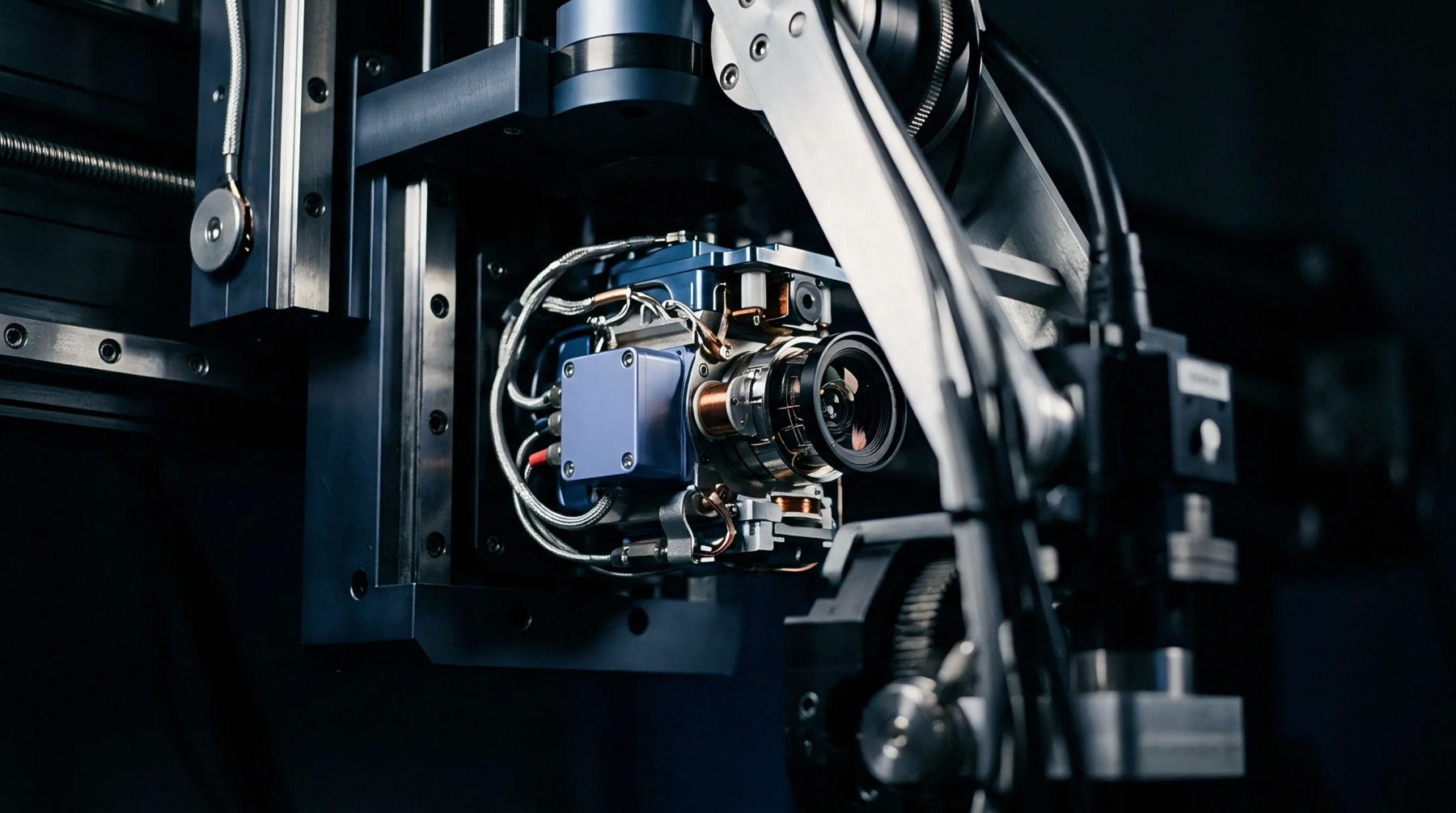
Modeling GaN MEMS high-temperature drift requires separating lattice defect diffusion from contact degradation to set verified recalibration schedules.
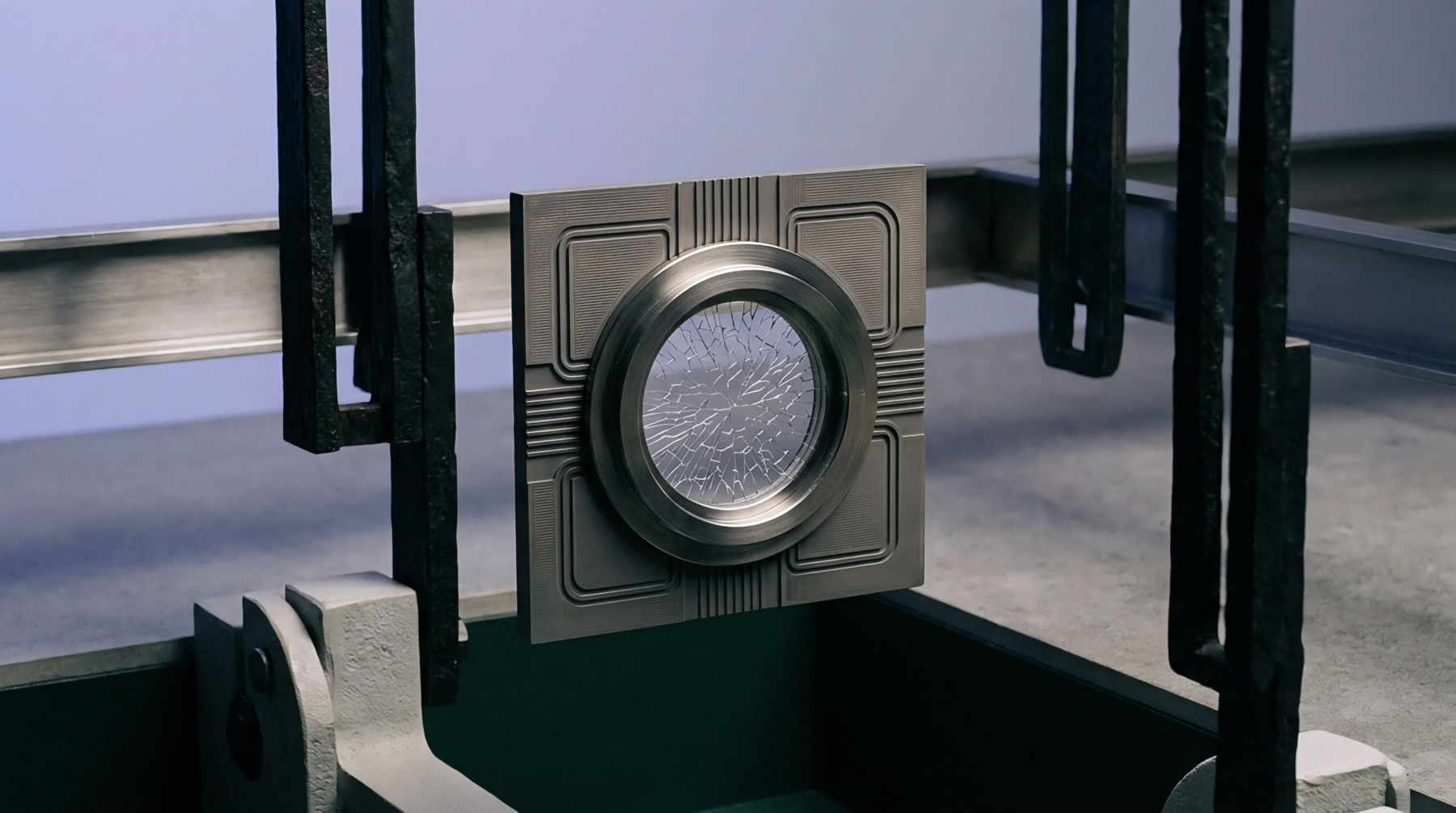
Standard micro cavity vacuum assessment requires non-destructive optical lid deflection or resonant Q-factor testing to bypass sub-nanoliter volume limits.

Resolving dynamic calibration covariance requires tracking cross-channel spectral correlations to prevent accepting multi-axis sensors that breach true tolerances.
Non-equilibrium microstructural evolution in silicon suspension beams drives mechanical quadrature drift beyond transimpedance amplifier saturation ceilings.
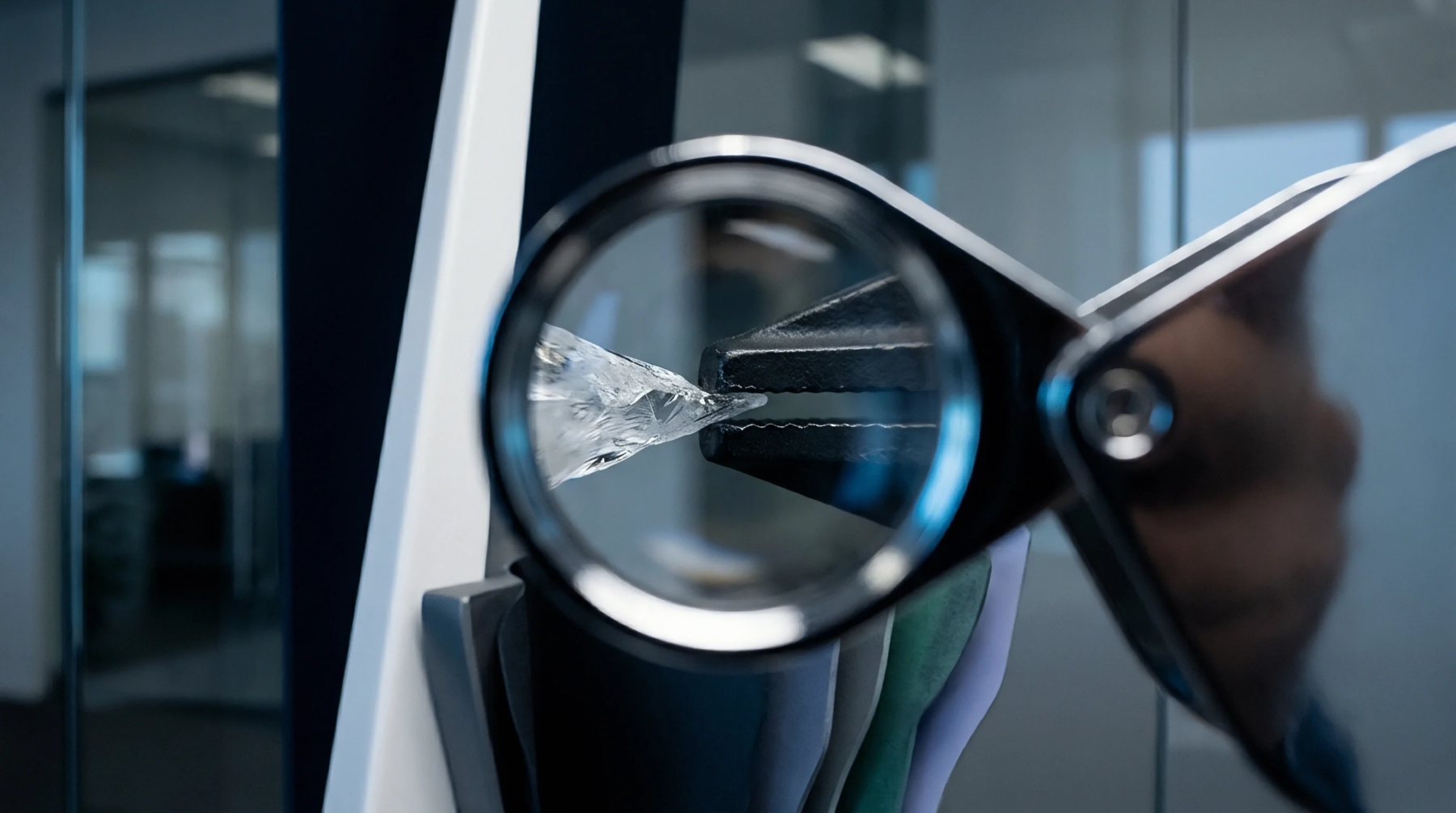
Micro-scale squeeze film mechanics govern capacitive sensor bandwidth, damping, and Brownian noise through Knudsen-dependent gas rarefaction and pressure tuning.

Sub-micron MEMS suspension stiffness degrades under polymer encapsulation via interfacial non-linear viscoelastic relaxation, shifting resonant frequency and phase.

Asymmetric thermal gradients induce localized mechanical strain in silicon MEMS transducers, causing uncompensated sensor drift that defies scalar calibration.

Map frequency-dependent MEMS group delay and exposure centroid offsets to sub-microsecond levels using hardware-triggered laser vibrometry.
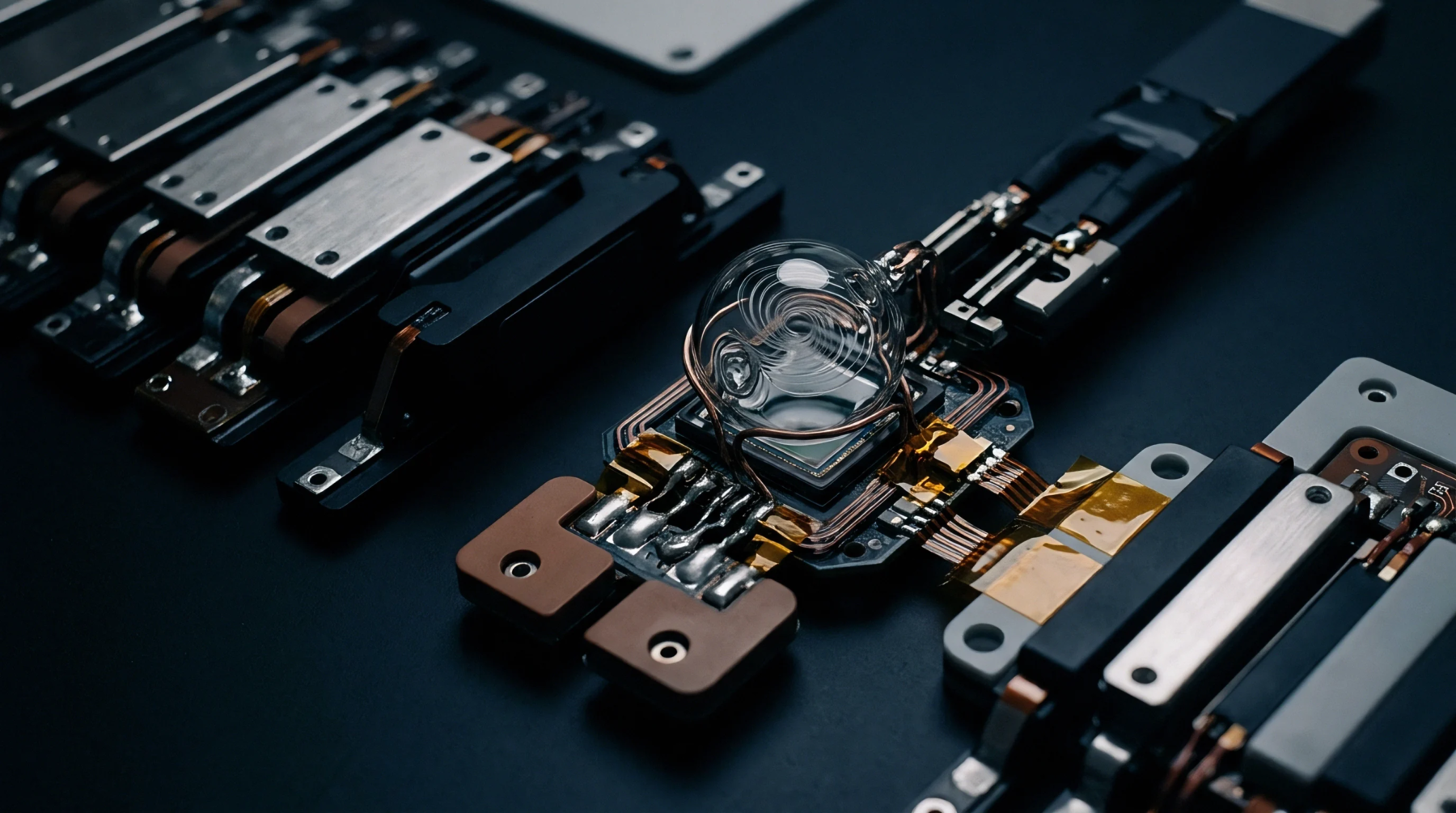
High-temperature MEMS micro-strain relaxation follows stretched exponential kinetics driven by Coble creep, requiring in-situ Raman verification above 400°C.
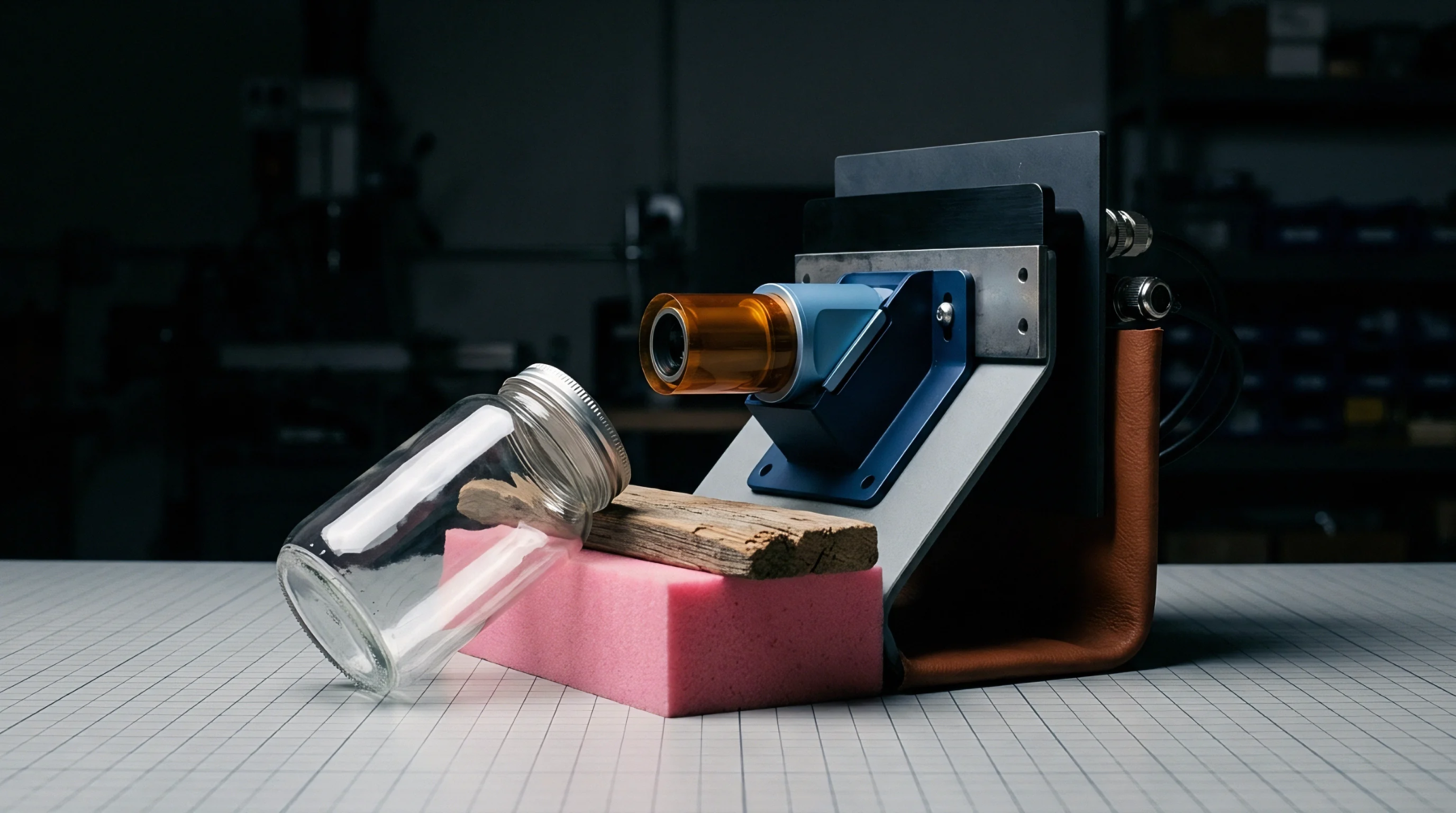
Non-linear squeeze film compression transforms high-frequency cross-axis vibration into static acceleration bias through phase-aligned mechanical gap modulation.
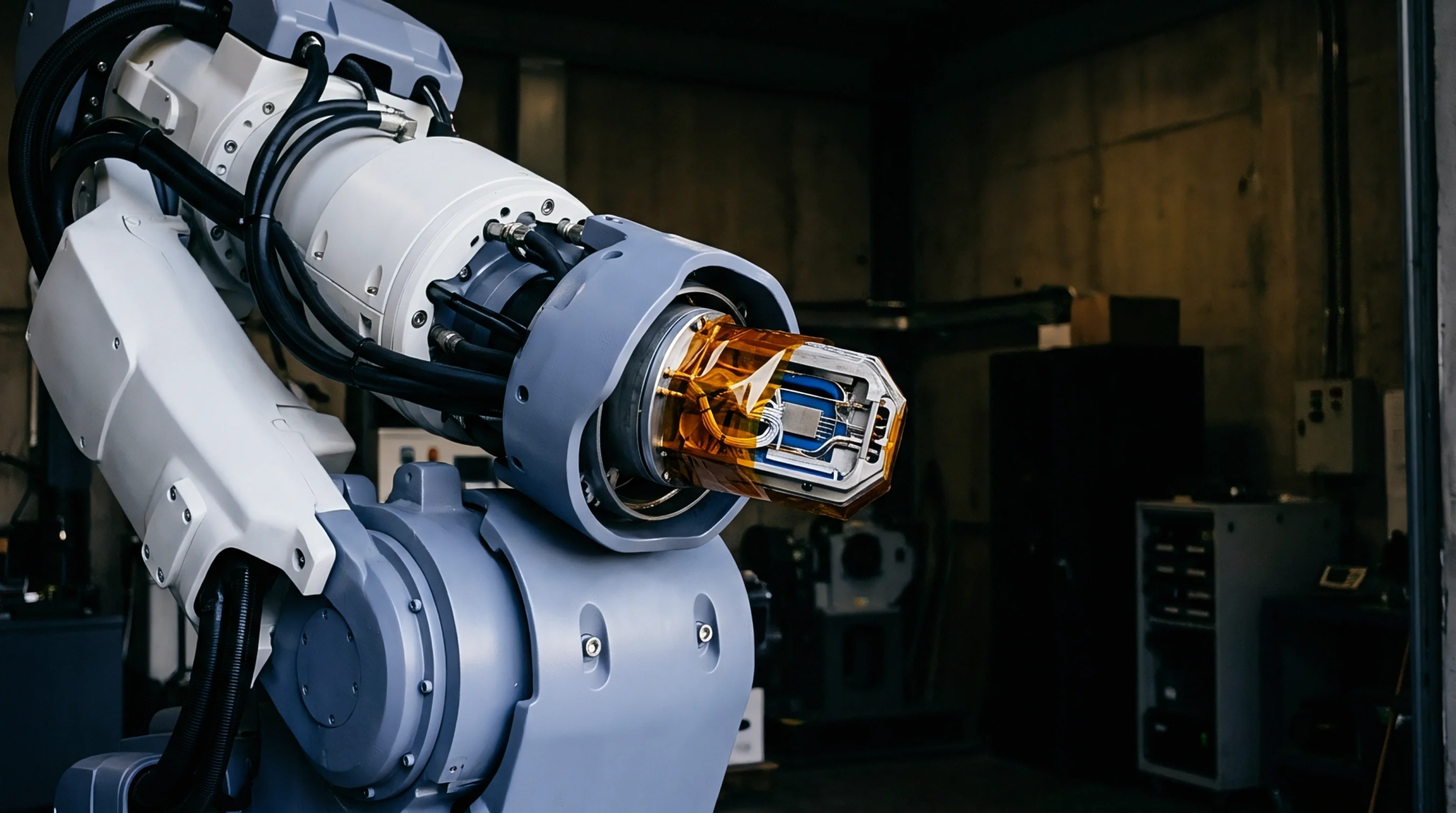
Real-time digital inverse Prony filtering decouples time-dependent polymer stress relaxation from true acceleration signals in high-precision micro-sensors.
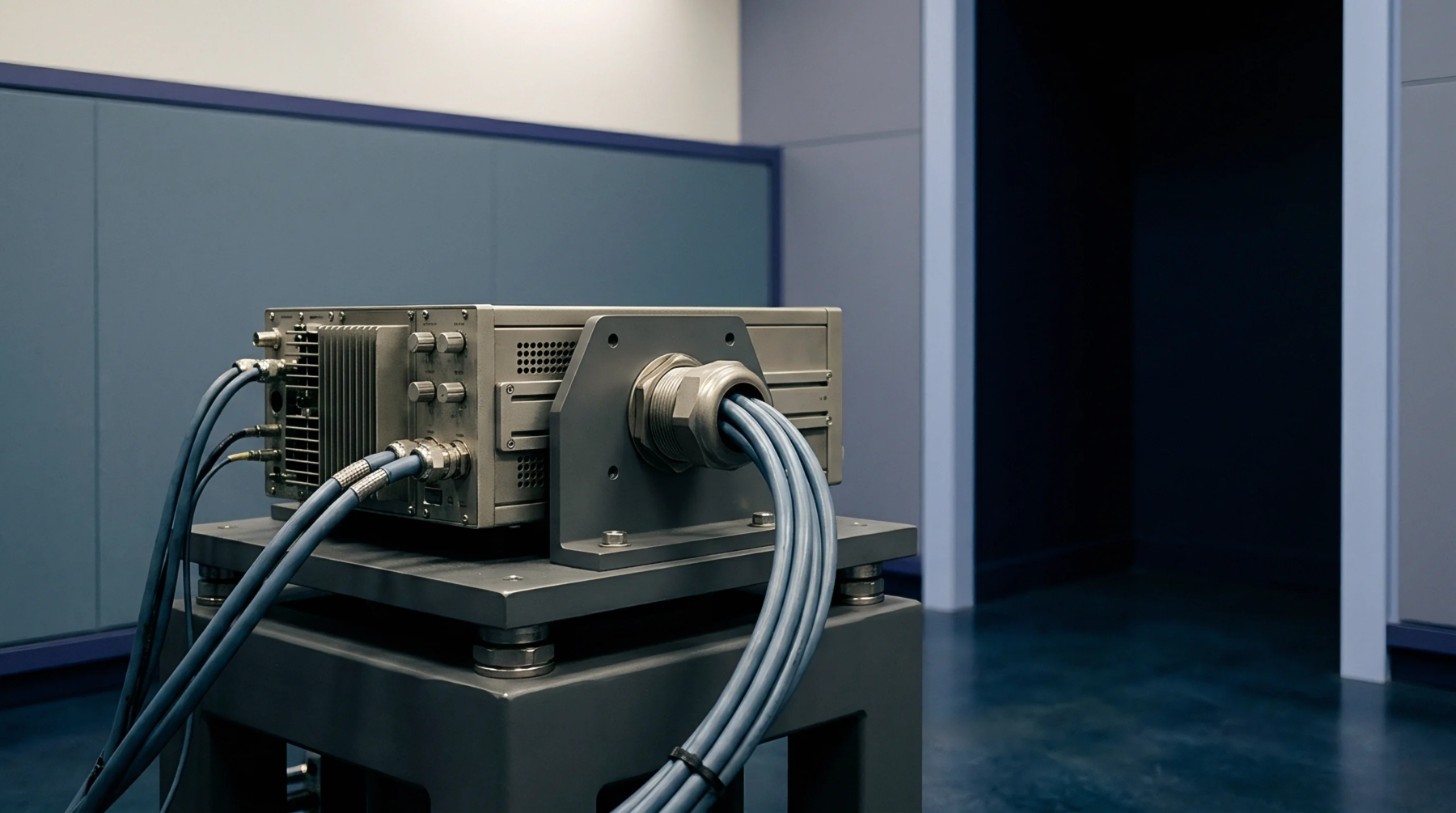
Sub-microsecond IMU line timing synchronization requires bypass of internal ASIC decimation filters and direct FPGA timestamping of differential trigger pulses.
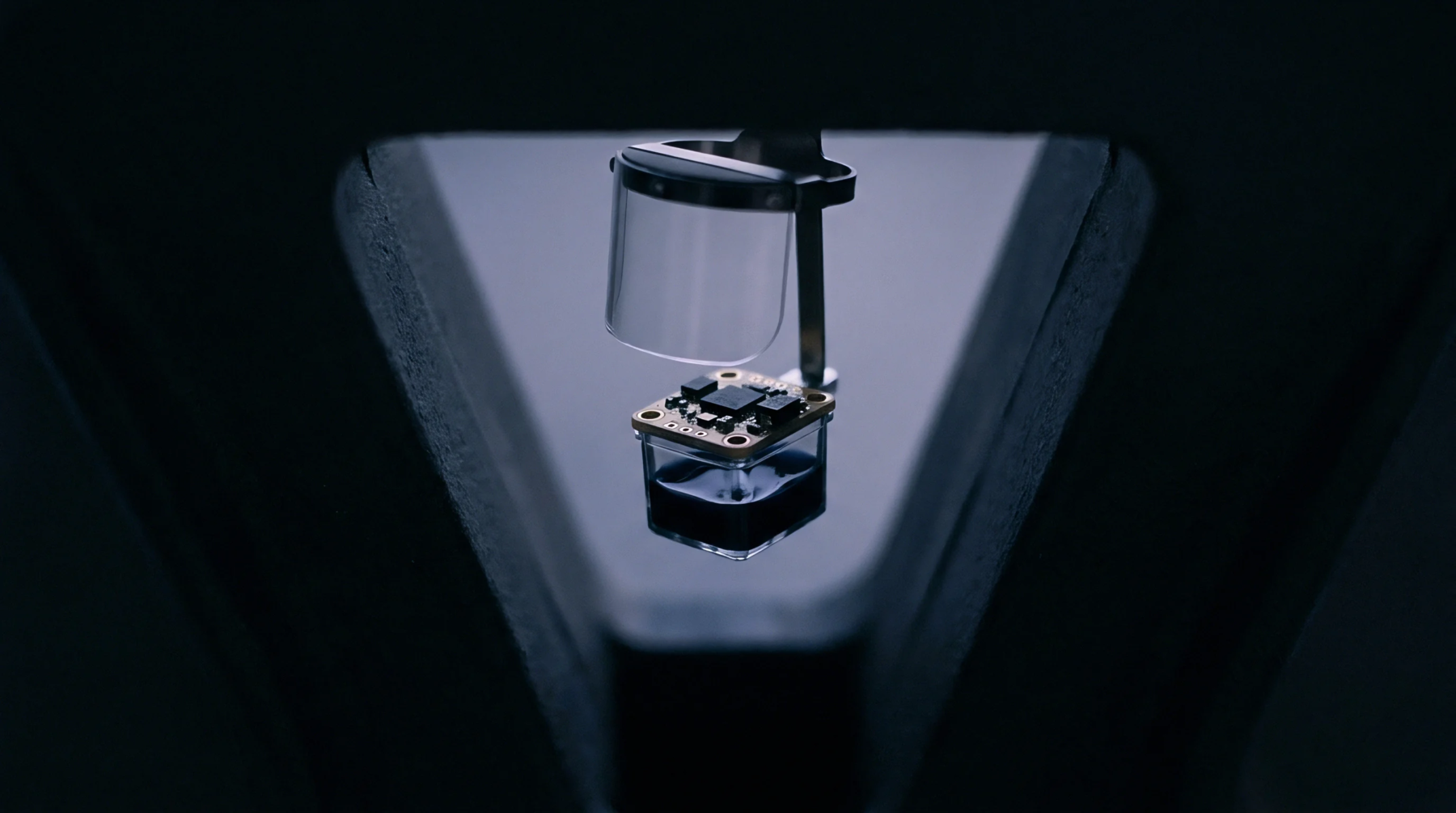
High temperature MEMS lot acceptance demands GUM-compliant uncertainty budgeting that maps micro strain relaxation kinetics to verified drift limits.
Expertise is a utility, not a secret. sentiention™ publishes its working knowledge as open reference: intelligence layer covering the materials it sources, the markets it enters, and the reference that serves both.