
Evaluating SMT Yield Loss and Calibration Cost in Discrete Transducer Assembly
Discrete transducer SMT yield loss and calibration costs depend on pad symmetry, post-reflow strain aging, and test cell chamber dwell times.
Discrete transducer SMT yield loss and calibration costs depend on pad symmetry, post-reflow strain aging, and test cell chamber dwell times.
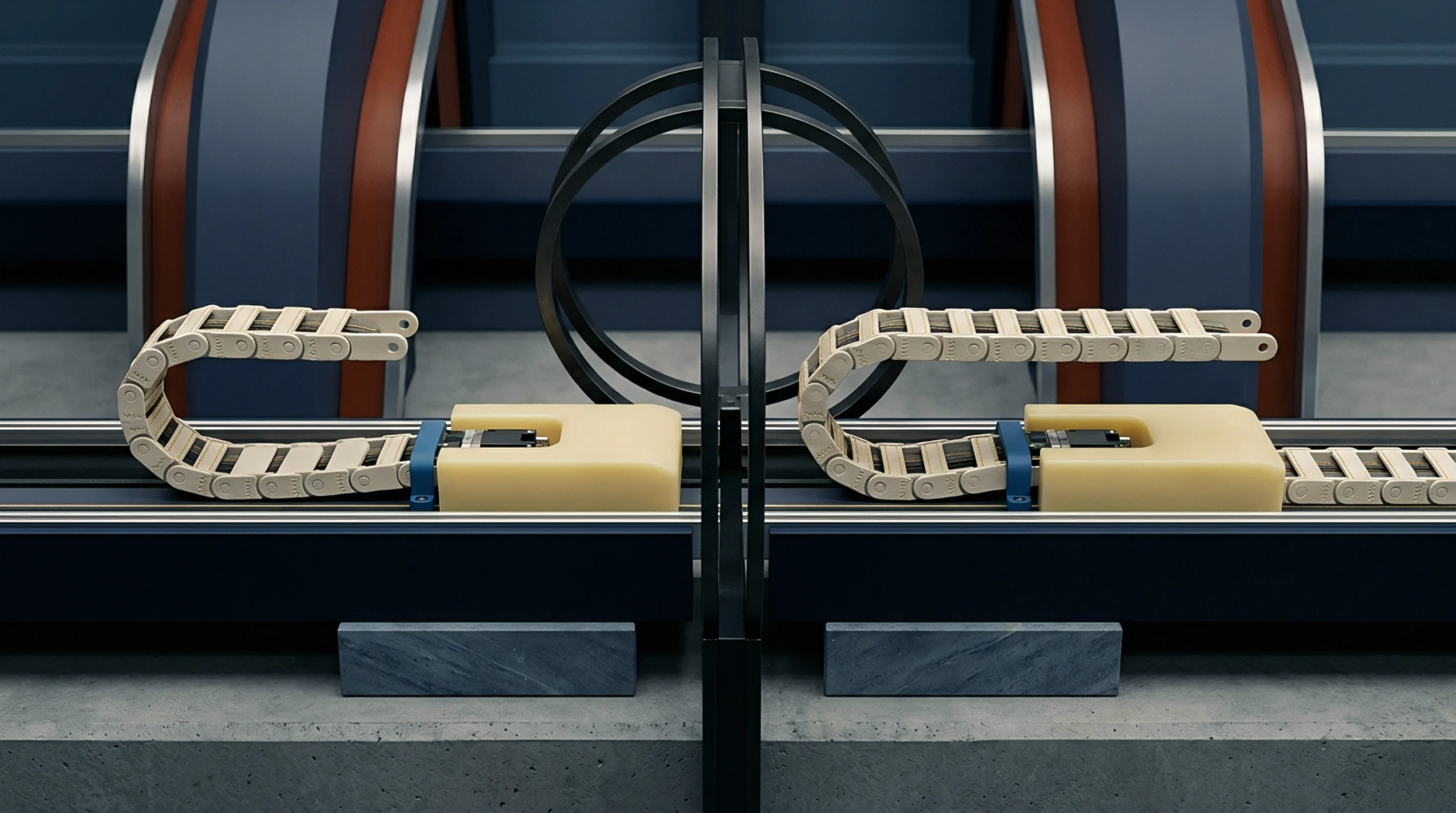
Establishing pressure traceability requires calculating complete uncertainty budgets and enforcing accredited test ratios to prove sensor claims.

Compositionally graded compliant interlayers and post-sputter thermal anneals eliminate residual thermal strain, preventing zero-drift in sputtered thin-film sensors.
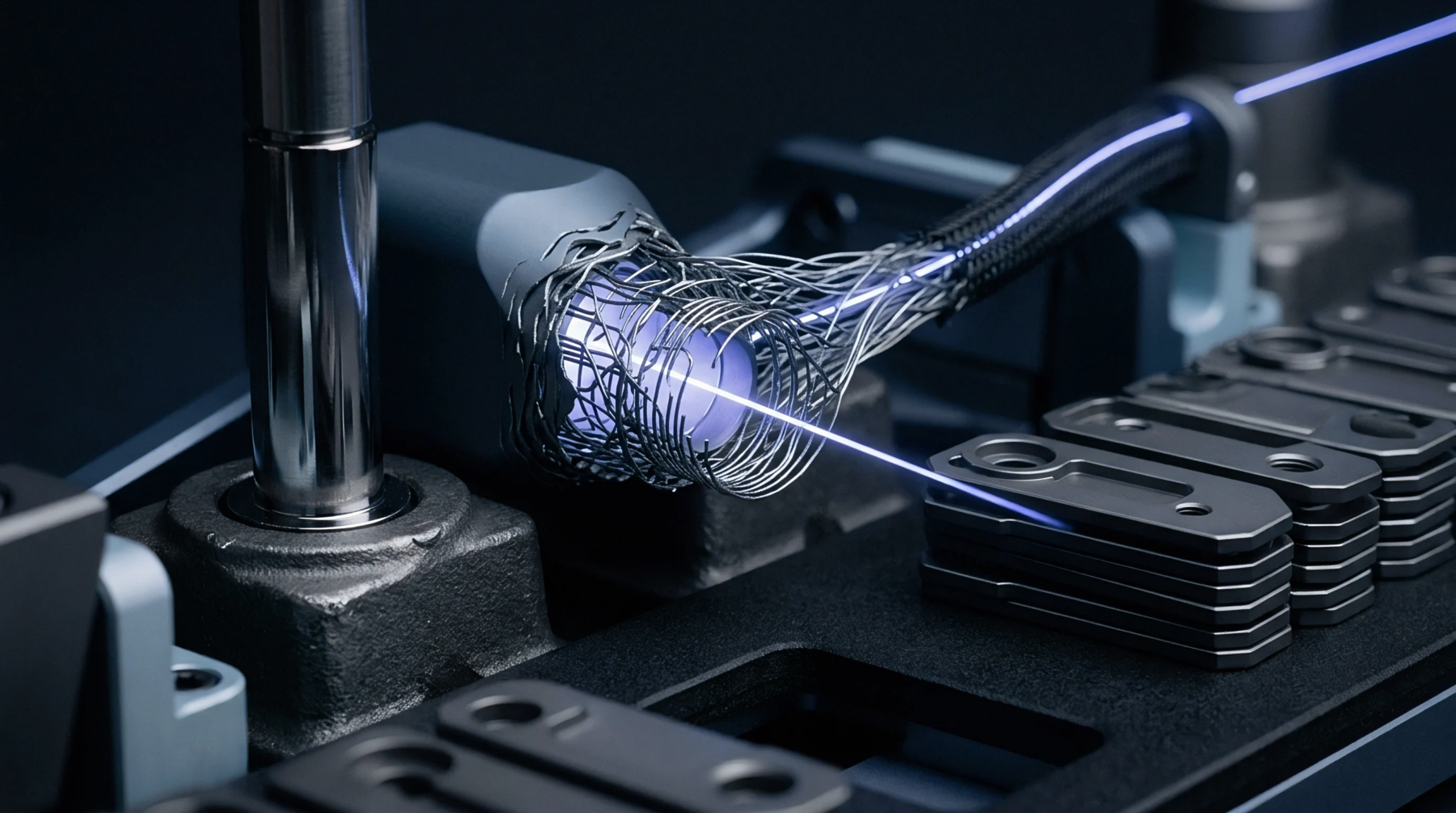
Quantifying diaphragm strain and gas nucleation requires combining von Kármán plate mechanics with bulk modulus compliance models under dynamic step testing.

Dynamic thermal cycling induces non-linear piezoresistive hysteresis that demands dynamic gradient tracking and second-order surface compensation models.

Cross-sensitivity matrix calibration corrects temperature-dependent pressure errors in marine sensors, securing depth measurement accuracy across full ocean depth.

Submersible sensor accuracy requires unbroken ISO 17025 traceability and pressure-thermal uncertainty budgets to prevent costly subsea deployment failures

Automated thermal burn-in exhausts initial die-attach stresses while acoustic microscopy weeds out sub-surface voids to halt piezoresistive field drift.
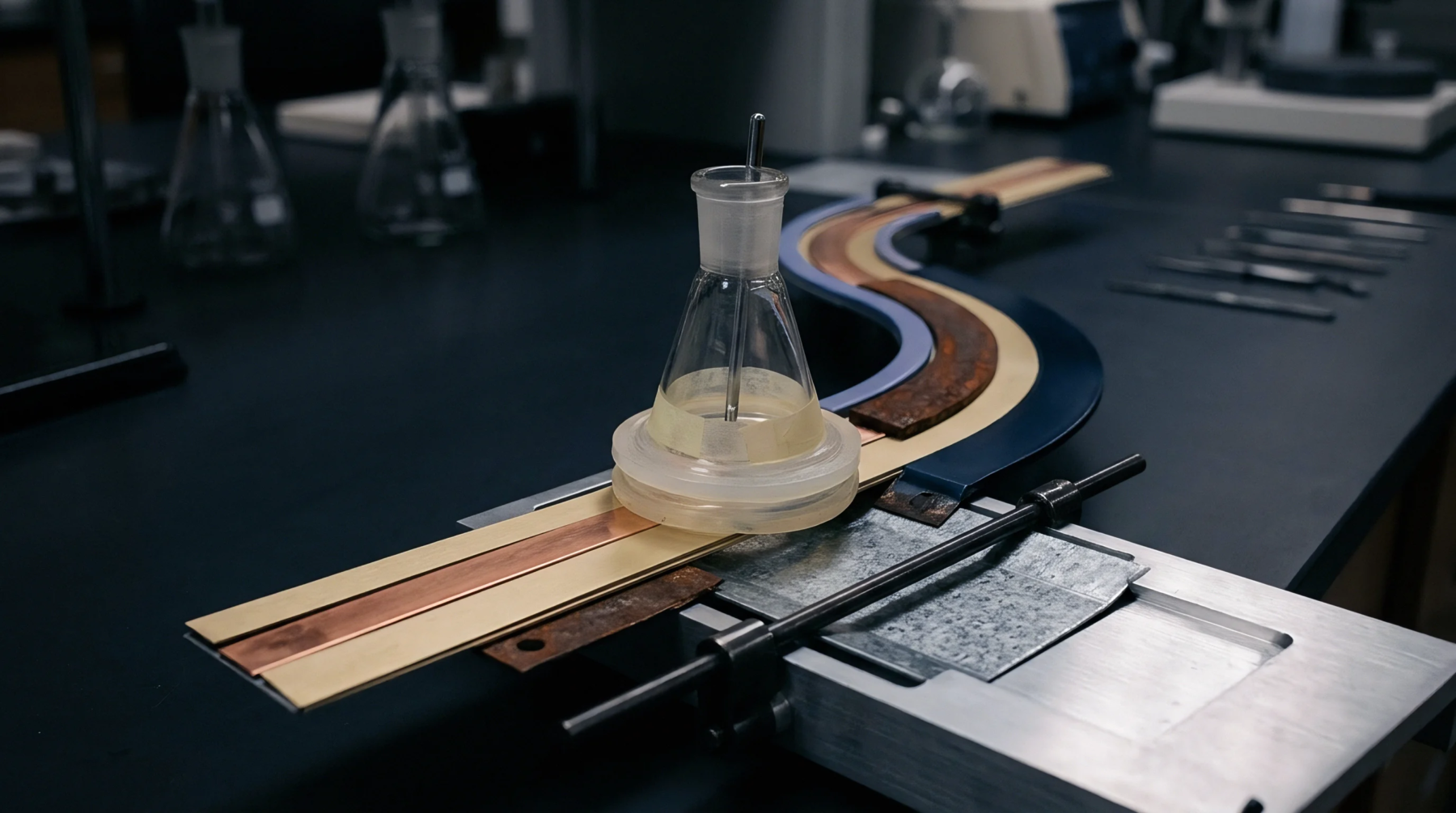
Prony series modeling converts polymer relaxation data into actionable sensor zero-drift predictions, isolating packaging strain from true physical signals.

Anodically bonded Borofloat glass pedestals isolate silicon piezoresistive diaphragms from packaging strain, reducing zero thermal shift below 0.02 percent span.

Thermal drift compensation uses bivariate polynomial surfaces or lookup tables in embedded firmware to eliminate temperature-induced bridge offset and span errors.
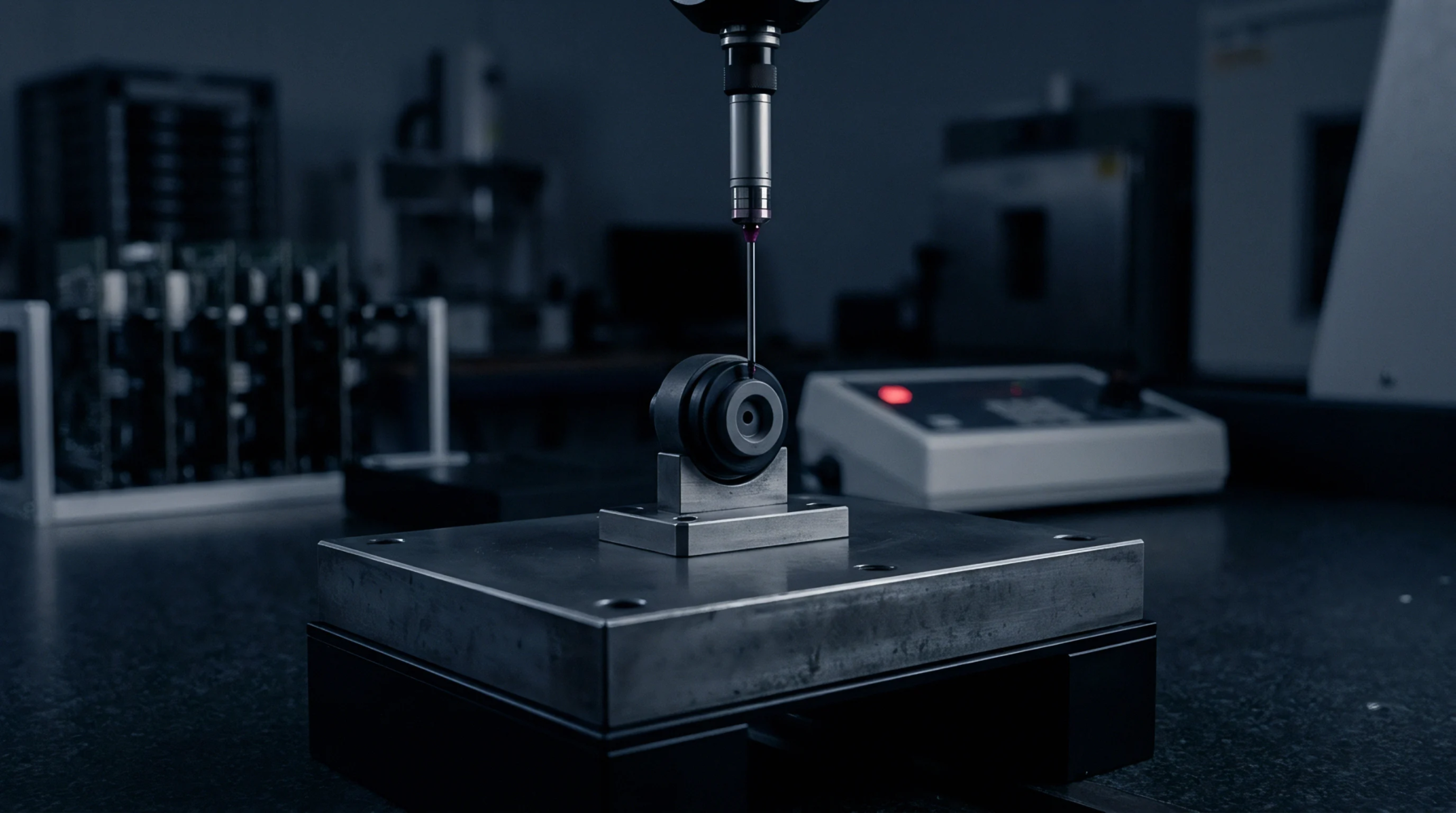
Bivariate polynomial surface fitting extracts piezoresistive drift matrices via singular value decomposition to eliminate thermal span and offset errors.
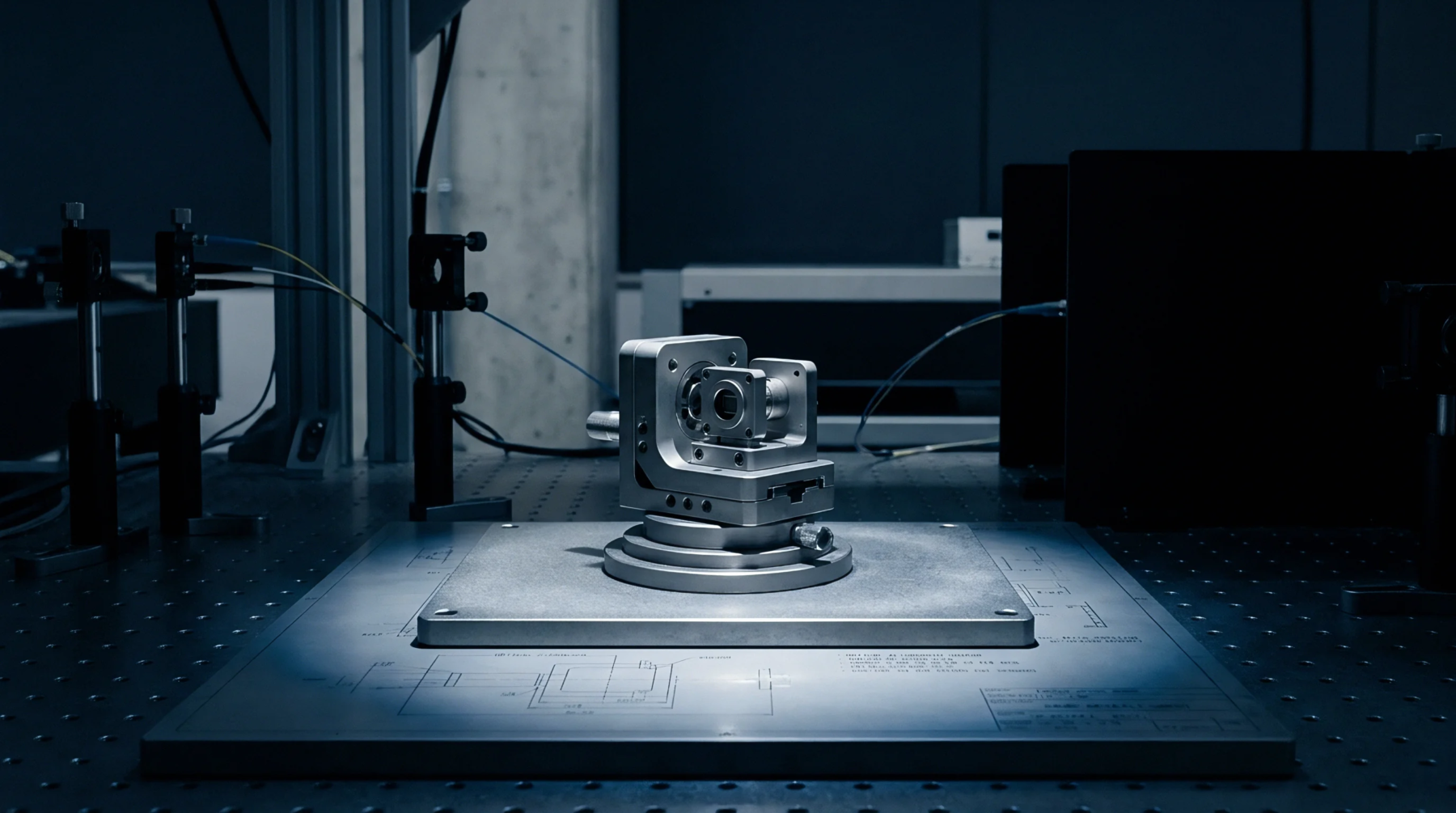
Linear annual drift extrapolation from four-week test bench data produces severe forecast errors by ignoring logarithmic relaxation and test fixture noise floors.

Room-temperature sensor calibrations omit outdoor thermal drift coefficients, expanding real field uncertainty far beyond published baseline claims.

Dynamic atmospheric humidity alters gel swelling stress and dielectric passivation properties in piezoresistive sensors, driving measurable zero baseline drift.

Managing sputtered interlayer stress prevents sensor delamination and holds zero-point strain gauge drift below zero point five percent at nine hundred degrees Celsius.

Mitigating piezoresistive pressure diaphragm stress requires Pyrex pedestal isolation, compliant die-attach selection, and multi-point thermal matrix trim.

Replacing a primary sensor with an alternate physics module requires rebuilding signal conditioning, cross-sensitivity models, and chamber qualification suites
Expertise is a utility, not a secret. sentiention™ publishes its working knowledge as open reference: intelligence layer covering the materials it sources, the markets it enters, and the reference that serves both.