Temperature Differential
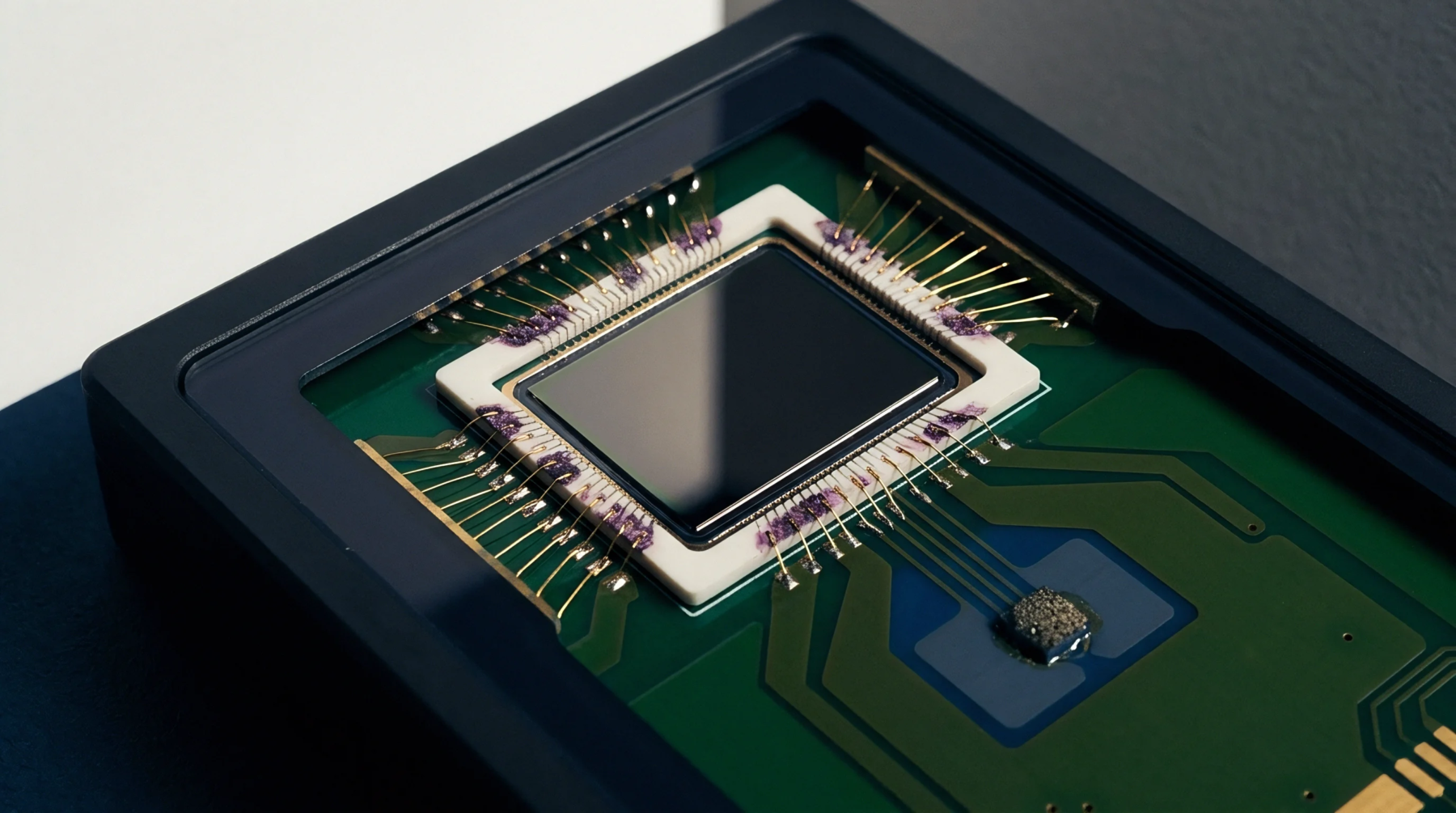
Differences in temperature between two points in a system drive the flow of heat and induce mechanical strains in sensitive components. These thermal gradients can be measured across a circuit board, a sensor housing, or even within a single silicon die. They are often the primary source of unpredictable drift in precision instruments.
Mechanical Influence
Non-uniform temperatures cause materials to expand at different rates, leading to bending or twisting. Thermal gradients can warp the mounting structure of a gyroscope, introducing a false rotation signal. This effect is often non-linear and difficult to compensate with simple models.
Calibration Difficulty
Most calibration routines assume a uniform temperature across the sensor, which is rarely true in the field. When thermal gradients are present, the internal temperature sensor may provide a reading that does not match the actual state of the sensing element. This mismatch results in an error in the bias correction.
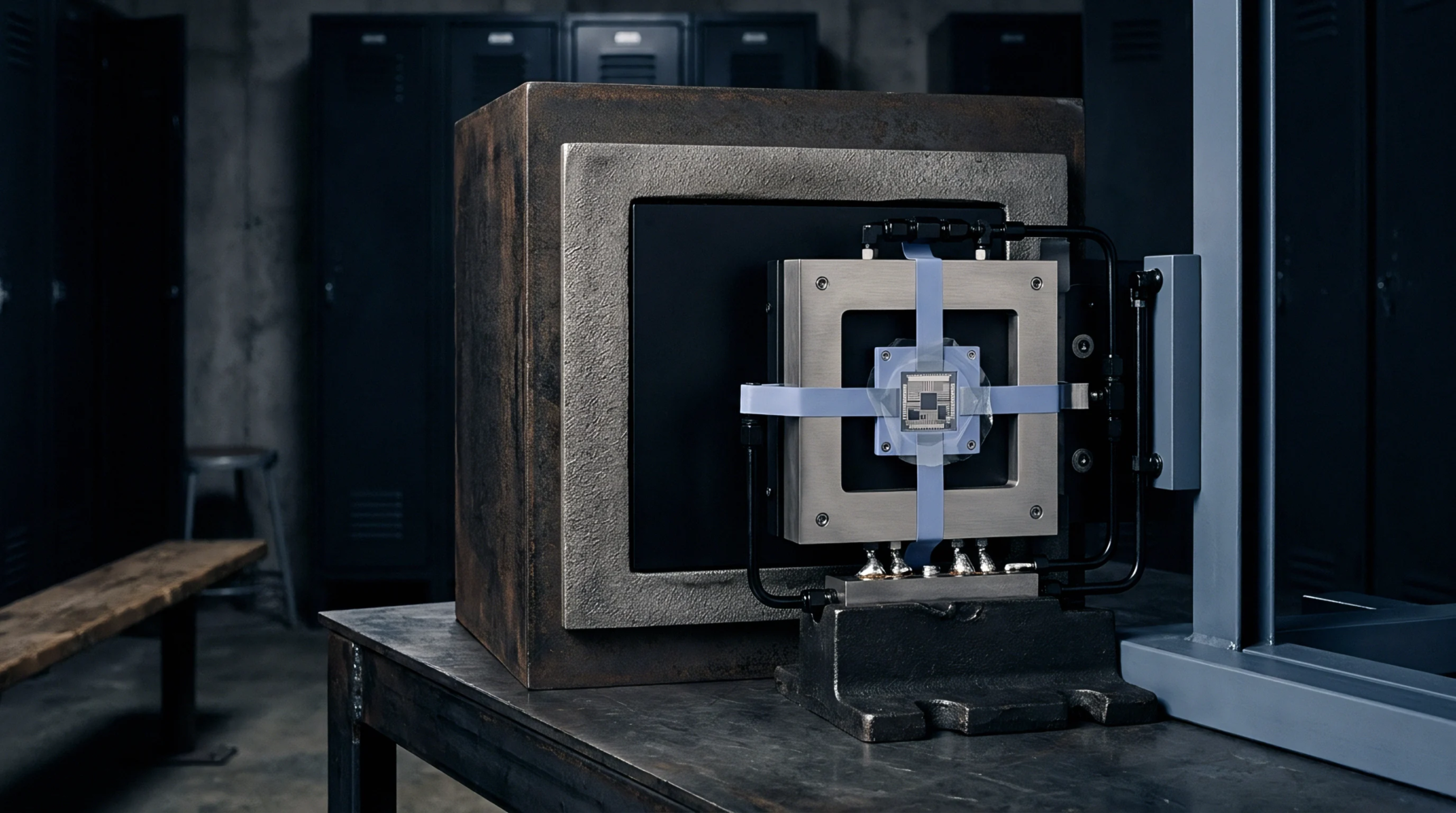
Engineers use thermal shields and heat pipes to minimize these differences. They also place multiple temperature sensors around the critical components to better map the thermal profile. This data allows for more advanced multi-point compensation algorithms.
System Reliability
Long-term exposure to steep thermal gradients can lead to fatigue in solder joints and wire bonds. Managing these differentials is essential for the longevity of electronics in extreme environments.