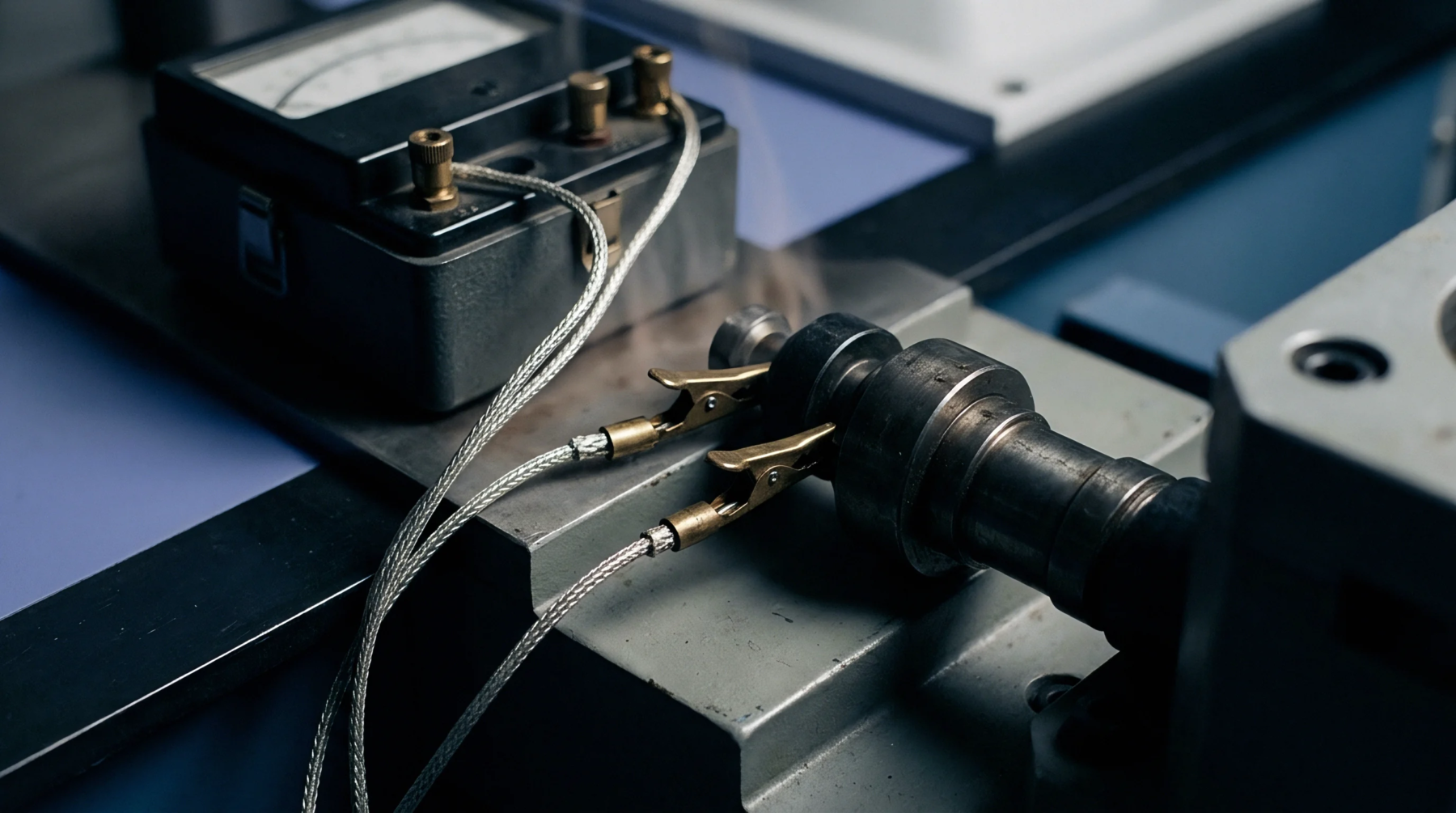
Evaluating Temperature Coefficient Wander in Thin Film Platinum Resistance Elements
Evaluating temperature coefficient wander in thin film platinum RTDs requires tracking substrate strain, glass passivation diffusion, and multi-point calibration.
Evaluating temperature coefficient wander in thin film platinum RTDs requires tracking substrate strain, glass passivation diffusion, and multi-point calibration.

Wafer trim establishes initial sensor accuracy classes, but package stress and thermal drift determine field performance and calibration costs.
Silicon piezoresistive thermal offset stems from resistor TCR imbalances and package thermal stress, requiring targeted drive excitation and polynomial compensation.

Matrix compensation algorithms correct non-linear thermal piezoresistive drift by mapping raw bridge and temperature counts through fixed-point polynomial surfaces.

Heavy boron doping above 1e19 cm-3 stabilizes piezoresistive gauge factor thermal decay, allowing passive current-bias drift compensation.

Turnover temperature migration in sub-ppm resistance references systematically shifts effective thermal coefficients, accelerating drift and invalidating linear calibrations.

Optimizing thermal curvature parameters requires orthogonal polynomial regression across symmetrical bath temperatures to eliminate parameter covariance errors.

Quantifying silicon dislocation velocity under thermal steps sets the thermal ramp limits needed to prevent permanent zero-offset voltage drift in strain sensors.

Ambient thermal calibration demands fitting parabolic alloy coefficients and correcting thermoelectric offsets to bound resistance drift under operational swings.

Implantation energy and post-anneal thermal budgets set piezoresistive sensitivity and offset stability in silicon pressure sensor diaphragms.

Thermal drift compensation uses bivariate polynomial surfaces or lookup tables in embedded firmware to eliminate temperature-induced bridge offset and span errors.

Piezoresistive silicon pressure transducers convert diaphragm strain to millivolts via p-type bridges, requiring ratiometric current-driven signal amplification.

Degenerate boron doping above 5 x 1019 cm-3 bounds radiation mobility loss by saturating impurity scattering in piezoresistive elements.

Thermal expansion mismatch generates interfacial shear tractions that distort piezoresistive bridge symmetry, producing unrecoverable zero-point drift.
Optimizing boron doping concentrations between 10¹8 and 10¹⁹ cm⁻³ balances high piezoresistive gauge factors with manageable temperature coefficient drift.

Dual-implant boron-phosphorus profiles achieve zero-crossing TCR at 3.5e19 cm^-3, suppressing piezoresistive thermal drift to 12 ppm/K.

Reconfiguring signal chains between capacitive and piezoresistive transducers requires matching input impedance, excitation sources, and thermal compensation math.
High-side shunts deliver superior low-current accuracy under high temperatures, while integrated Hall sensors reduce high-current thermal power loss.

Thermal zero drift calibration of piezoresistive pressure transducers requires precise thermal soak equilibrium, bridge resistance thermometrics, and low-order polynomial matrix surface fitting to achieve residual zero offset errors below 0.05 percent of full-scale output across broad operating temperatures.
P-type silicon piezoresistors doped with boron to 1e18 cm-3 achieve an optimal balance between gauge factor magnitude and thermal coefficient stability.
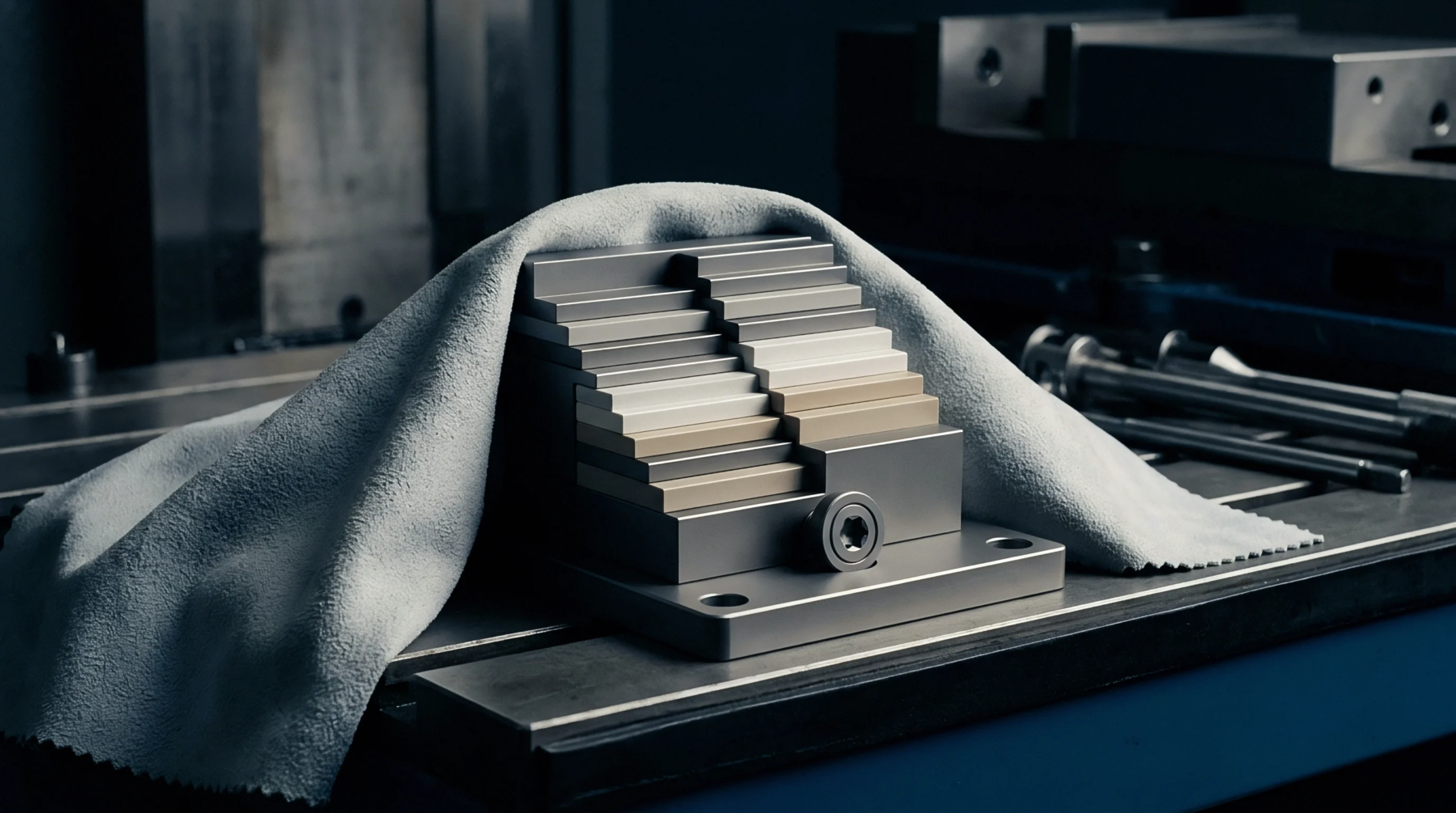
Optimal piezoresistive stability requires heavy surface boron doping above 2e19 cm-3 combined with plasma-activated silane coupling to prevent delamination.

Normalizing digitized bridge and temperature counts before solving polynomial matrix equations eliminates floating point overflow and preserves calibration accuracy.
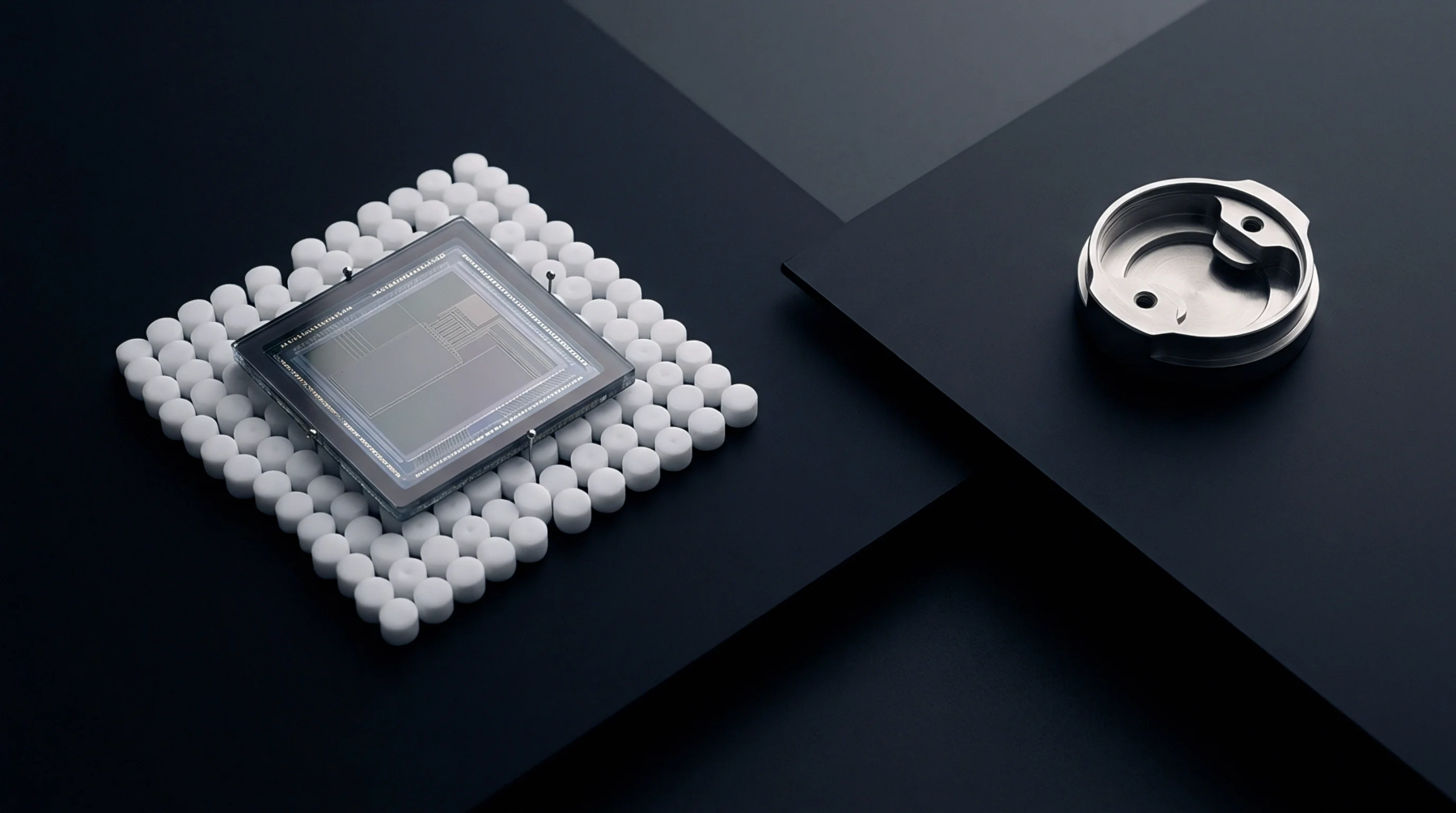
Optimizing piezoresistive sensor wafers requires targeting acceptor doping between 1x10^18 and 3x10^18 cm^-3 to balance gauge factor against thermal drift.
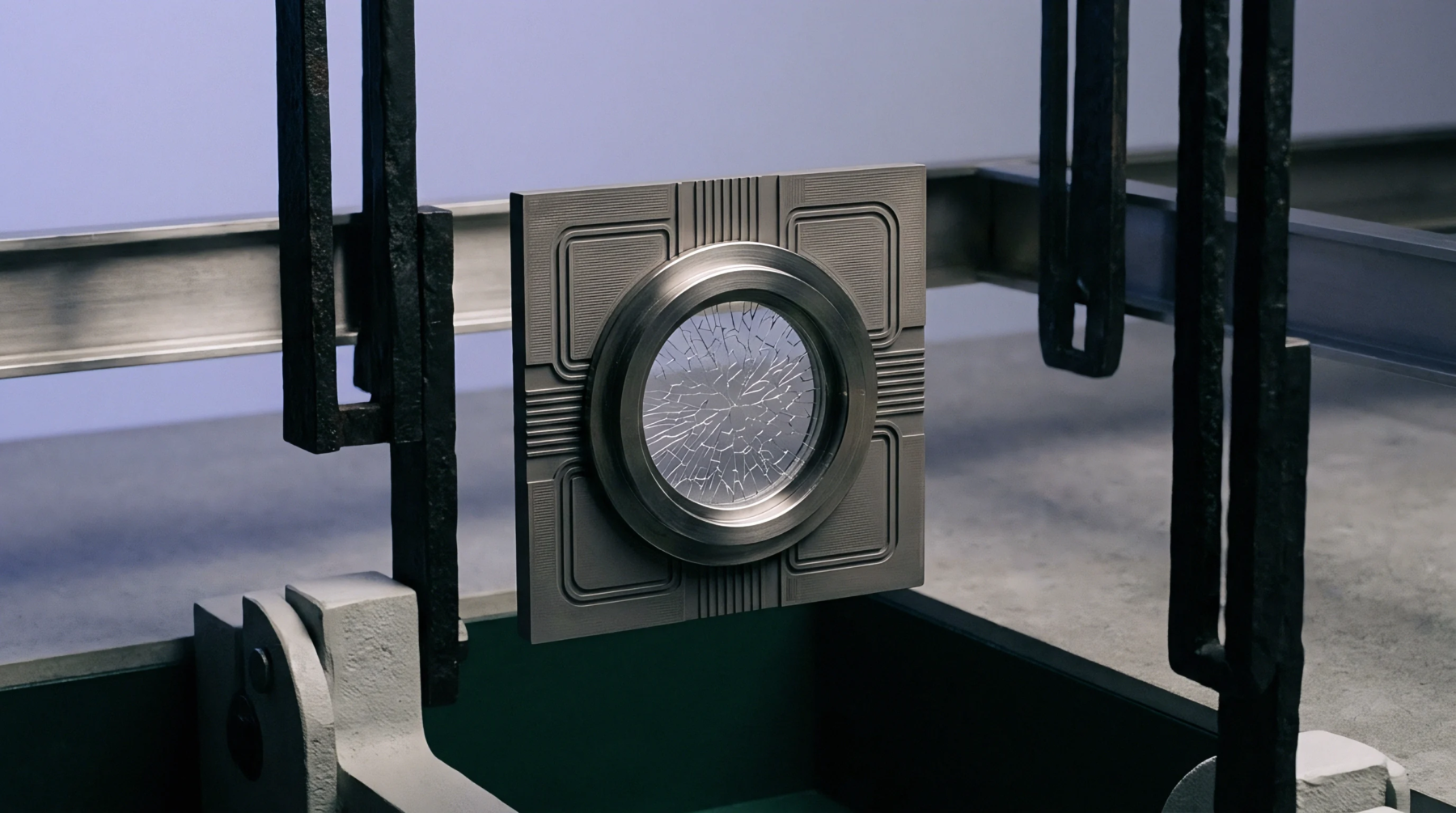
Matching element strain coefficients to substrate thermal expansion eliminates thermal hysteresis and holds sub-ppm resistance stability across operational temperature bands.
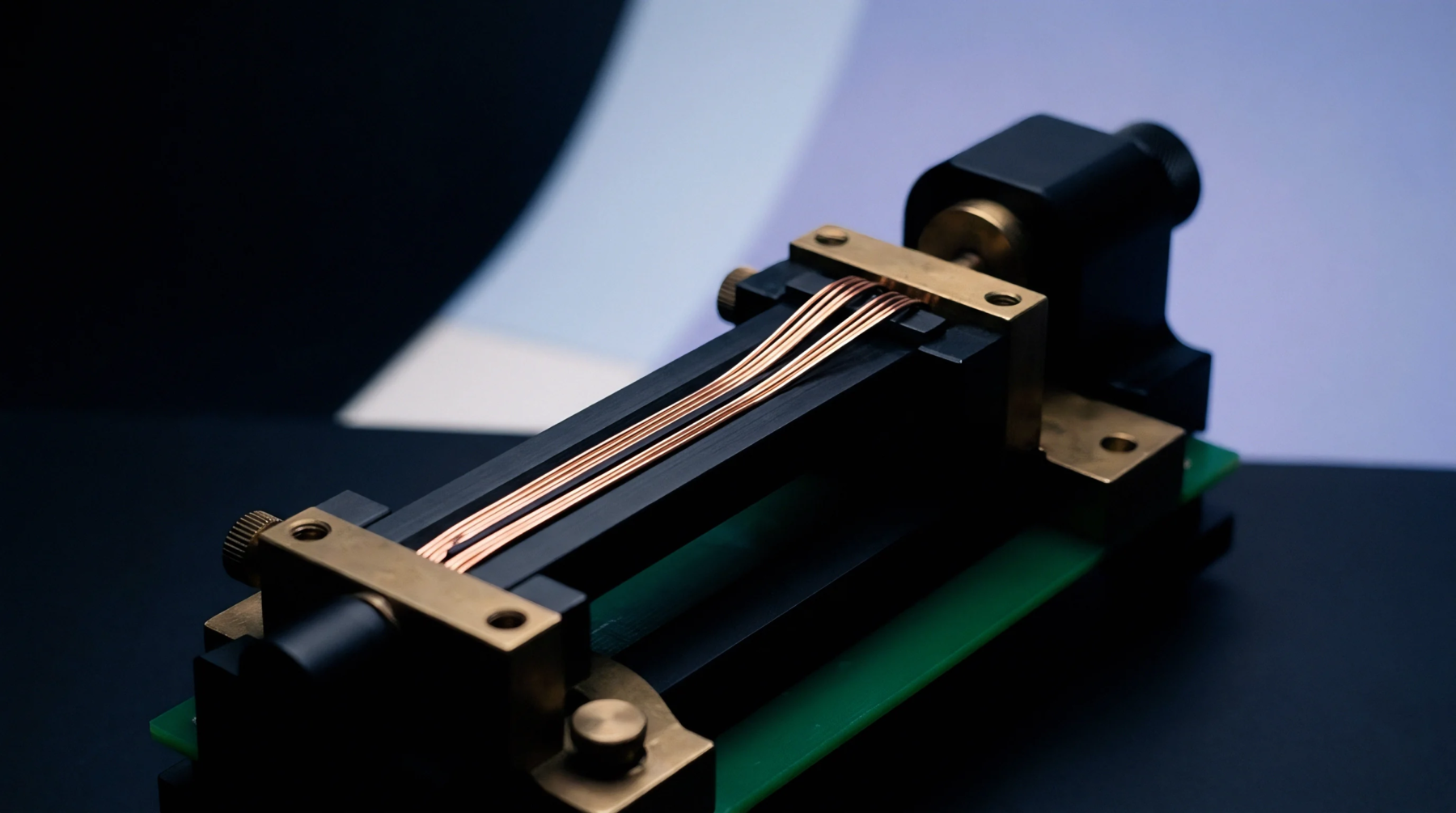
Silicon piezoresistive strain sensitivity depends on boron doping density, requiring constant current excitation or bivariate digital polynomials to suppress thermal span drop.
Expertise is a utility, not a secret. sentiention™ publishes its working knowledge as open reference: intelligence layer covering the materials it sources, the markets it enters, and the reference that serves both.