
Dynamic Bias Error Compensation Algorithms under High Thermal Gradient Profiles
Dynamic thermal gradients induce structural strain and bias errors that static calibrations miss, requiring real-time state observer algorithms.
Dynamic thermal gradients induce structural strain and bias errors that static calibrations miss, requiring real-time state observer algorithms.
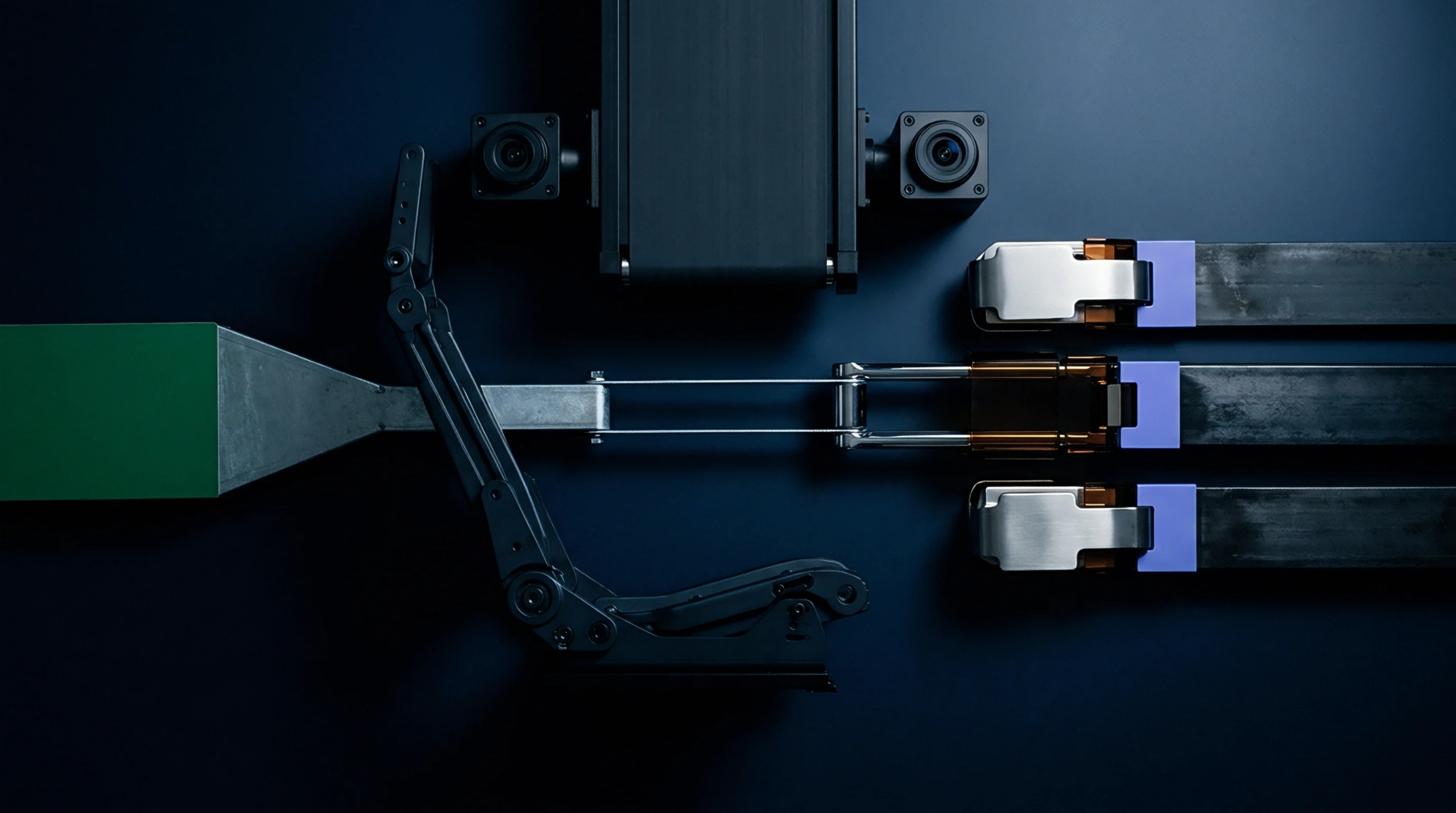
Thermal shock induces severe biaxial strain gradients that shift ferroelectric permittivity non-linearly via electrostriction, requiring C0G or soft terminations.

Dynamic multi-sensor varactor compensation uses thermal flux tracking and predictive modeling to eliminate tuning drift during steep temperature ramps.

Selecting surface mount sensor packages requires balancing land-pattern mechanical stress and reflow limits against bus integration effort and unit yield cost.

Peroxide-cured EPDM and specialty FFKM compounds prevent seal failure by resisting hydrolytic scission and dynamic compression set under thermal steam washdowns.

Sensor accuracy price curves scale exponentially because higher tiers demand longer thermal chuck dwell times, lower silicon yields, and guard-banded calibration.

Polyimide die attach master curves bound stress relaxation under automotive minus forty to plus one hundred seventy-five degree thermal shock cycles.

Continuous thermal shock introduces spatial transient heat gradients that degrade LC oscillator stability unless dynamic rate-of-change compensation is applied.
Expertise is a utility, not a secret. sentiention™ publishes its working knowledge as open reference: intelligence layer covering the materials it sources, the markets it enters, and the reference that serves both.