
Reconciling Divergent Calibration Certificates across Accredited Testing Facilities
Reconciling divergent calibration certificates requires auditing lab scopes, matching test conditions, and computing normalized error ratios before retesting.
Reconciling divergent calibration certificates requires auditing lab scopes, matching test conditions, and computing normalized error ratios before retesting.
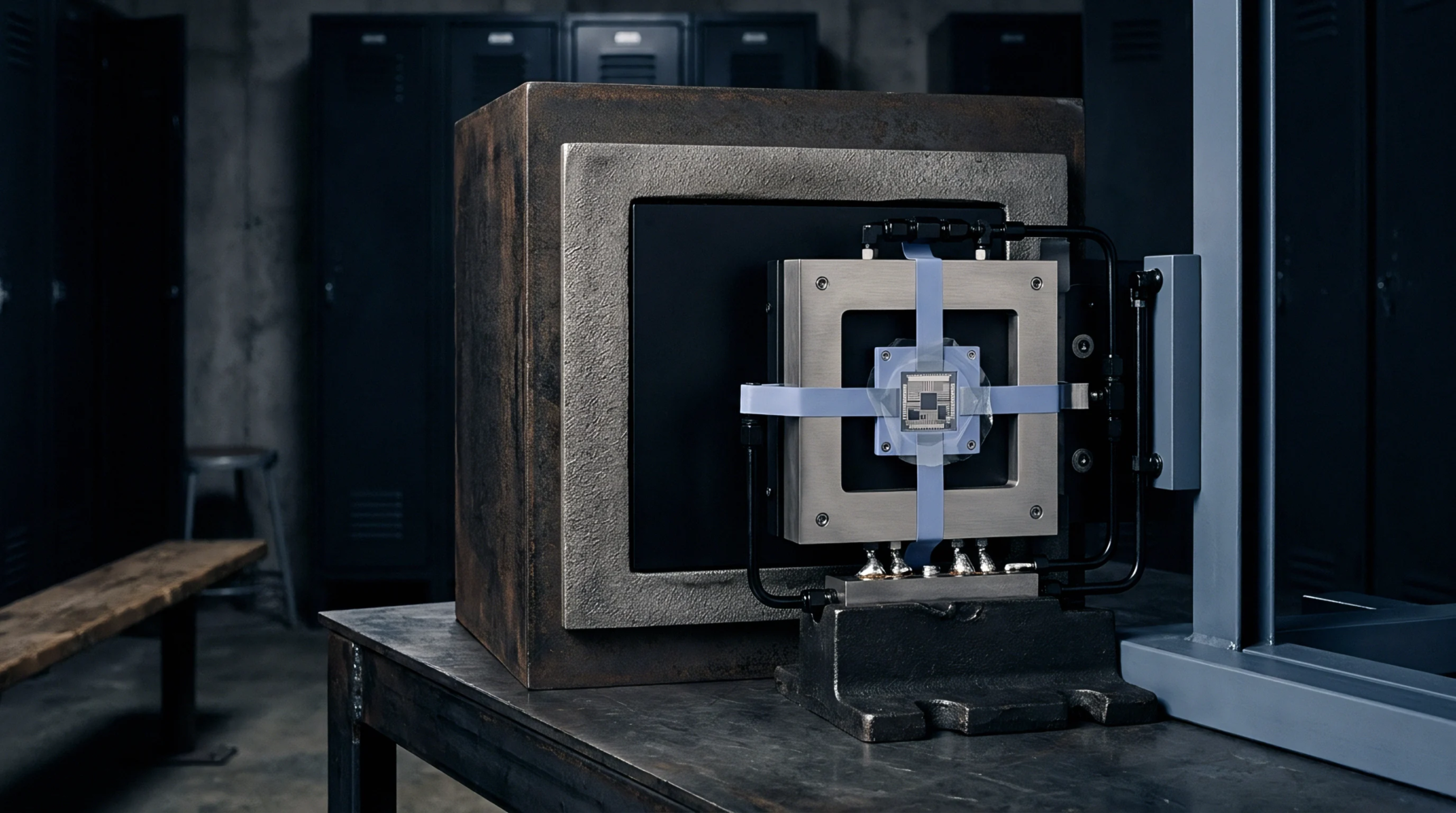
Extracting non-negative Prony parameters from dynamic sweeps requires Tikhonov-regularized NNLS to prevent numerical instability in time-domain FEA solvers.

Anodically bonded Borofloat glass pedestals isolate silicon piezoresistive diaphragms from packaging strain, reducing zero thermal shift below 0.02 percent span.
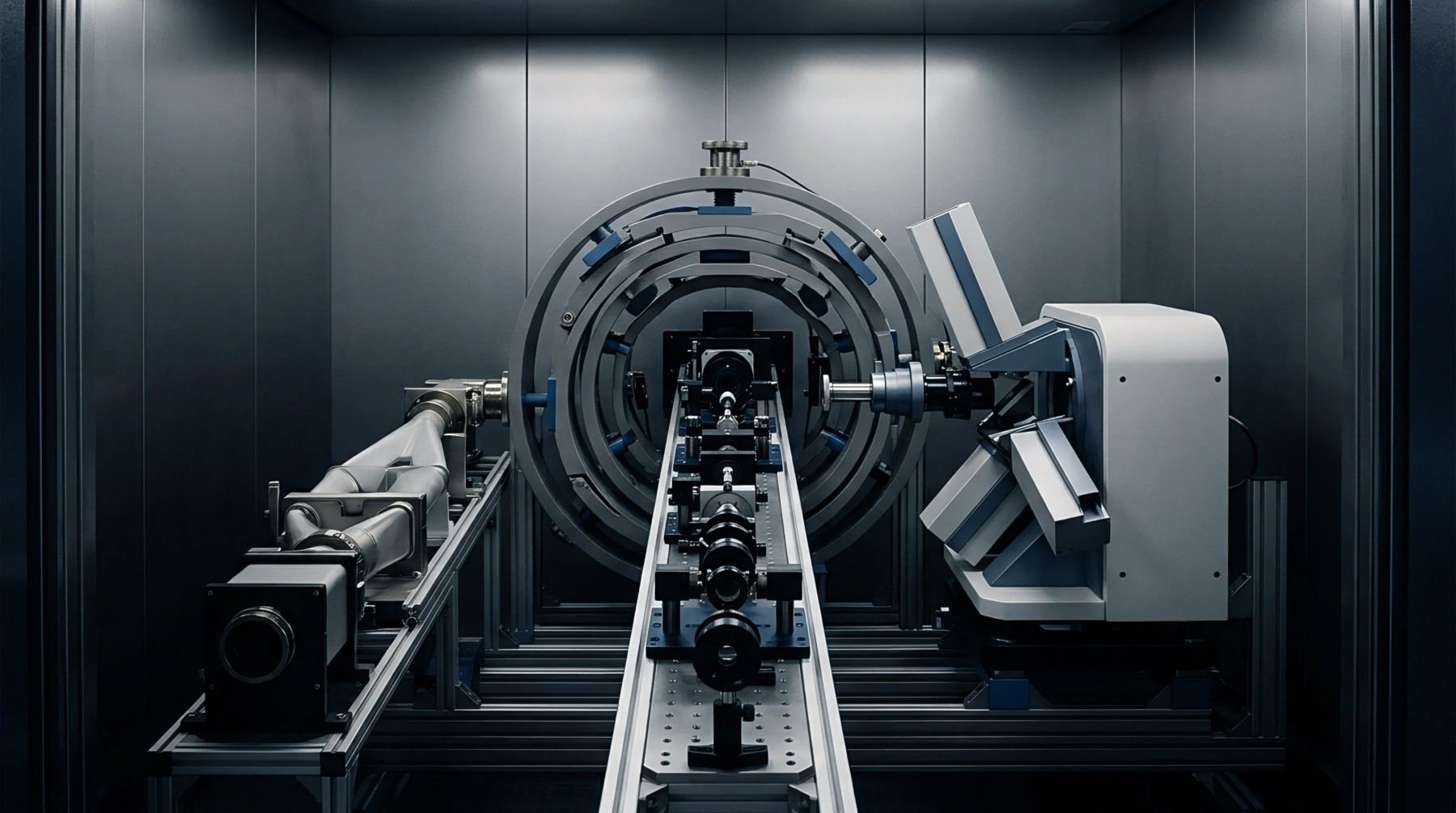
Calibration maps sensor error against traceable standards, while drift stems from physical aging, mechanical strain, and environmental stress over time.

Master supply agreements must separate initial trim accuracy from multi-year operational drift, backing rejection triggers with accredited 4:1 TUR testing.
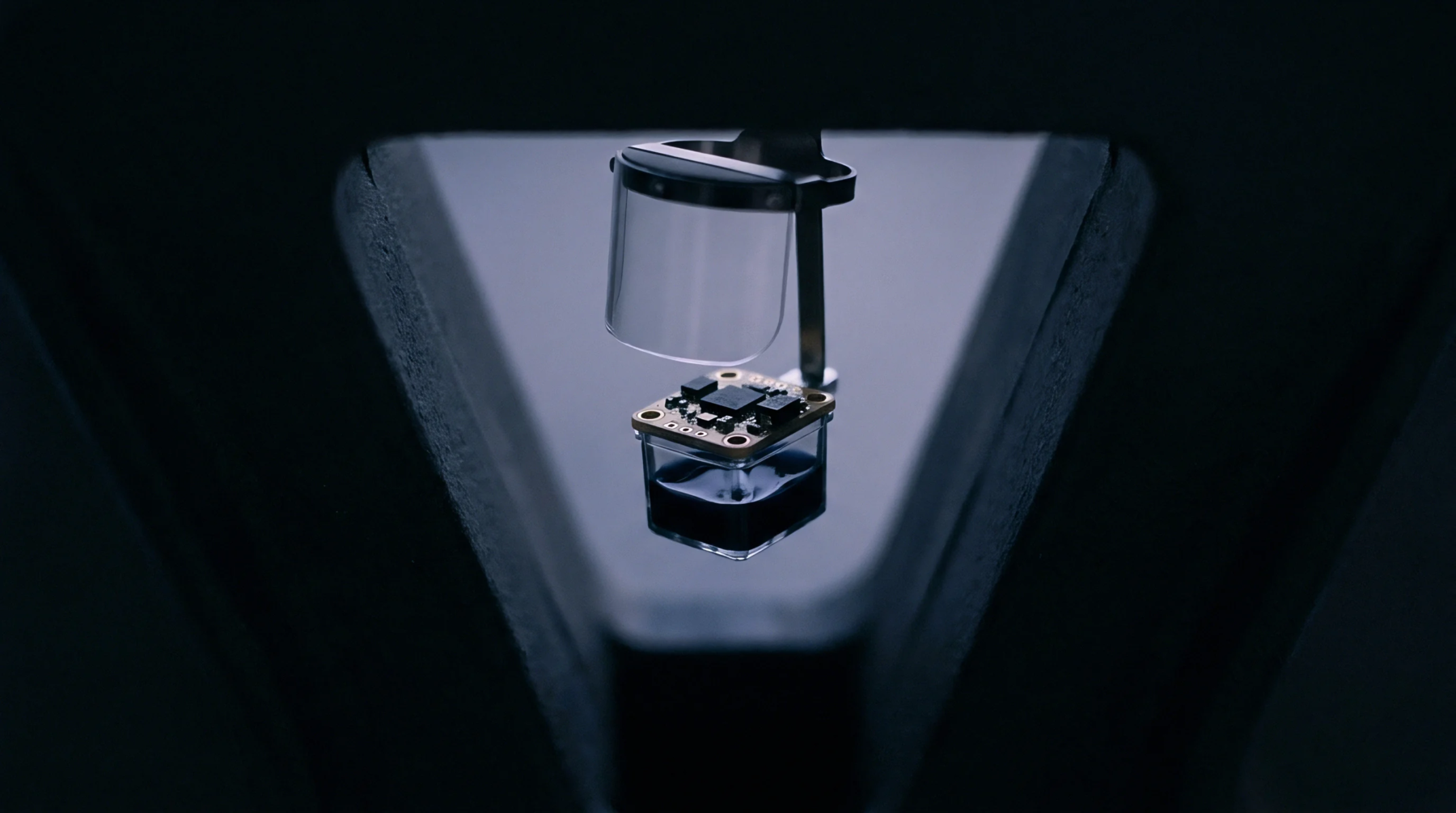
High temperature MEMS lot acceptance demands GUM-compliant uncertainty budgeting that maps micro strain relaxation kinetics to verified drift limits.

Normalizing digitized bridge and temperature counts before solving polynomial matrix equations eliminates floating point overflow and preserves calibration accuracy.
Expertise is a utility, not a secret. sentiention™ publishes its working knowledge as open reference: intelligence layer covering the materials it sources, the markets it enters, and the reference that serves both.