Moisture Sensitivity
Dimensional change in a material resulting from the absorption of atmospheric water vapor into its molecular structure. Managing hygroscopic expansion is vital in the design of high-precision fiber optic or composite structures where micron-level shifts matter. This expansion occurs when water molecules occupy space between polymer chains.
The resulting increase in volume can put stress on delicate electronic components.
Dimensional Change
Calculating the magnitude of the shift requires knowledge of the coefficient of hygroscopic expansion for each material in the assembly. While thermal expansion is well understood, hygroscopic expansion often occurs over a longer timeframe as moisture slowly diffuses into the part. The process is reversible, but the hysteresis during drying can lead to permanent deformation.
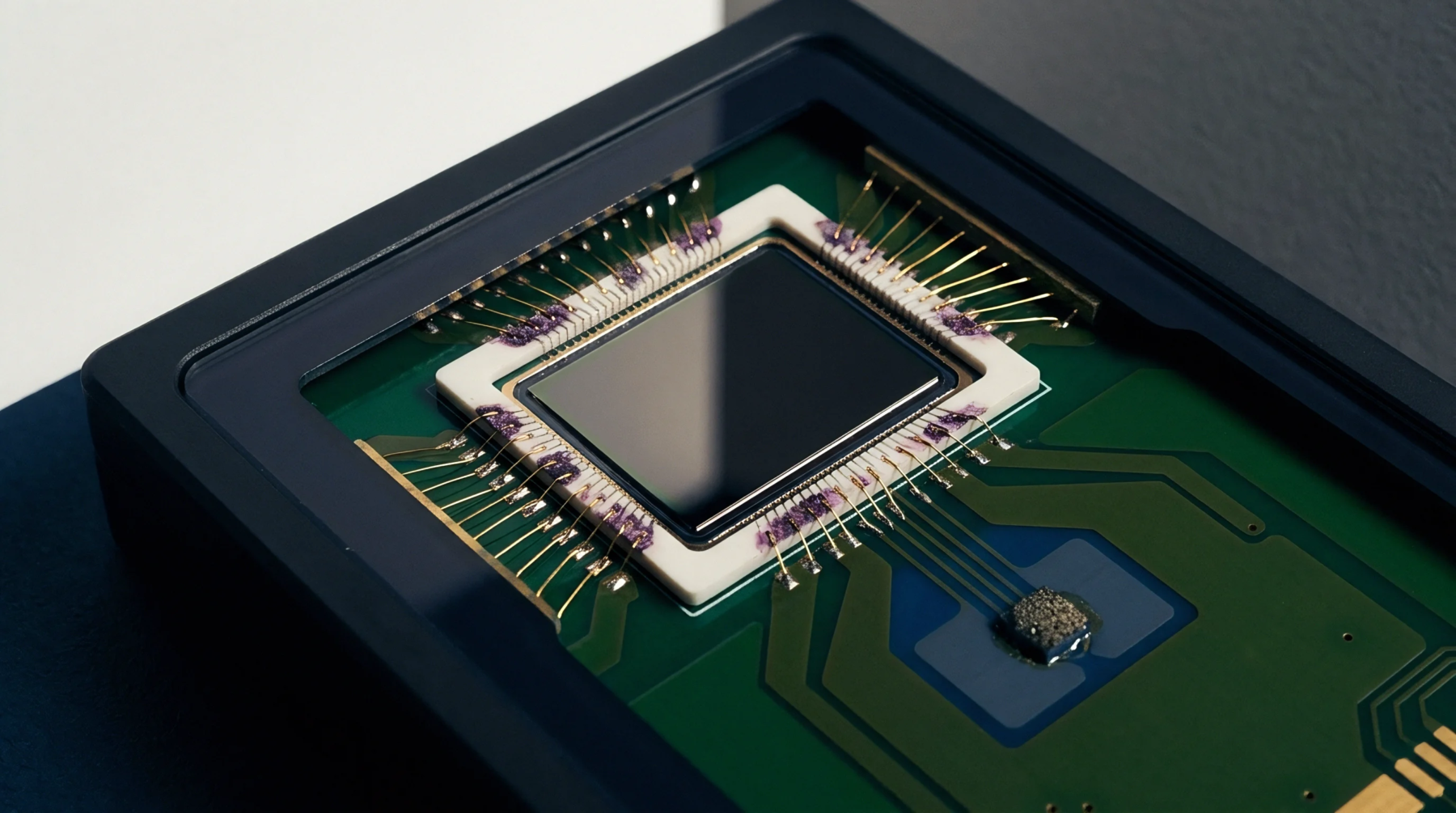
This behavior is a major concern for manufacturers of printed circuit boards and optical sensors.
Material Coefficient
Measurement of this property involves weighing samples and measuring their dimensions at various levels of relative humidity. Every material responds differently, with some polymers swelling significantly while metals remain unaffected by hygroscopic expansion. Designers use this data to select materials that are compatible with each other in humid environments.
Failure to account for these changes can lead to the cracking of hermetic seals.
Design Tolerance
Engineering for humidity requires the inclusion of gaps and flexible joints to accommodate the swelling of plastic housings. If hygroscopic expansion is not constrained, it can shift the alignment of lenses or the tension in a strain gauge bridge. Testing the final product in high-humidity chambers reveals whether the design can handle these environmental loads.
Stable performance depends on the selection of materials with low moisture affinity.