
Dynamic Bias Error Compensation Algorithms under High Thermal Gradient Profiles
Dynamic thermal gradients induce structural strain and bias errors that static calibrations miss, requiring real-time state observer algorithms.
Dynamic thermal gradients induce structural strain and bias errors that static calibrations miss, requiring real-time state observer algorithms.
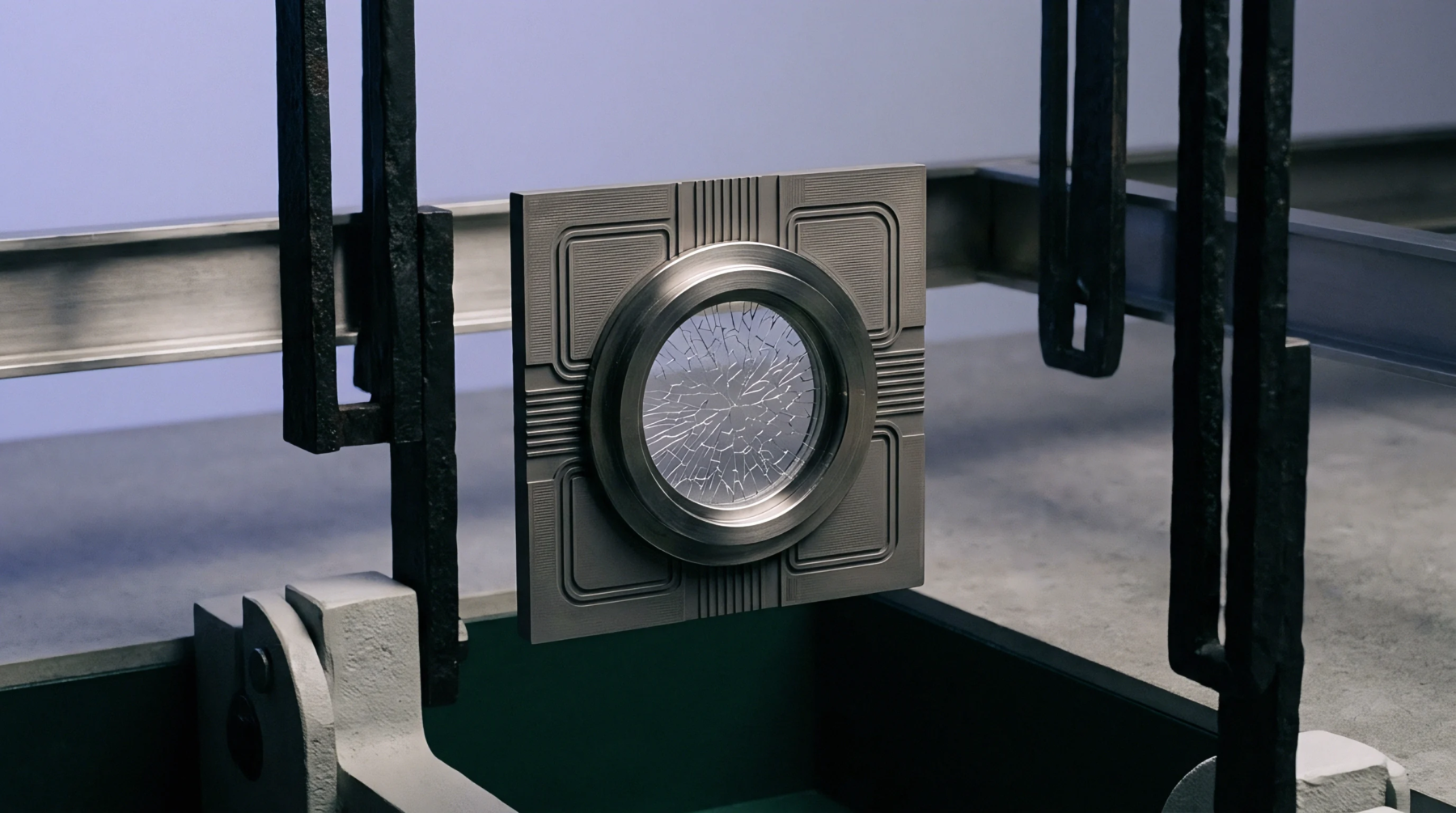
Interfacial hygroscopic swelling stress arises from differential moisture expansion, compounding thermal mismatch and driving package delamination during reflow.

Static thermal zero-g bias shifts in MEMS accelerometers are isolated by enforcing prolonged thermal dwell periods to decouple stress creep from thermal gradients.

Land pattern geometry, bus capacitance control, and driver timing dictate assembly yield and operational stability across sensor package formats.
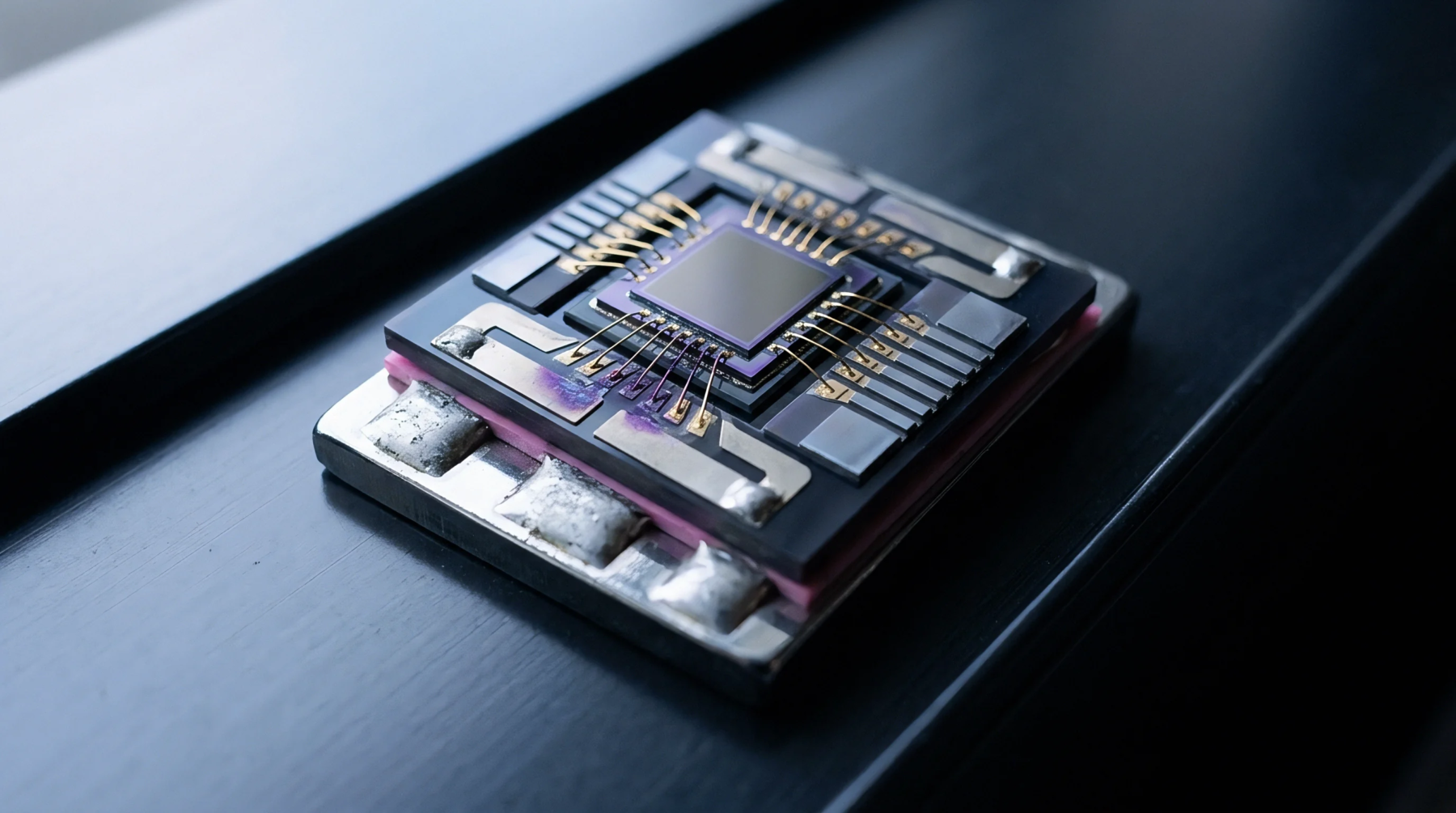
Substrate viscoelastic relaxation and thermal expansion mismatch induce time-dependent, hysteretic offset drift in MEMS requiring mechanical anchor isolation.
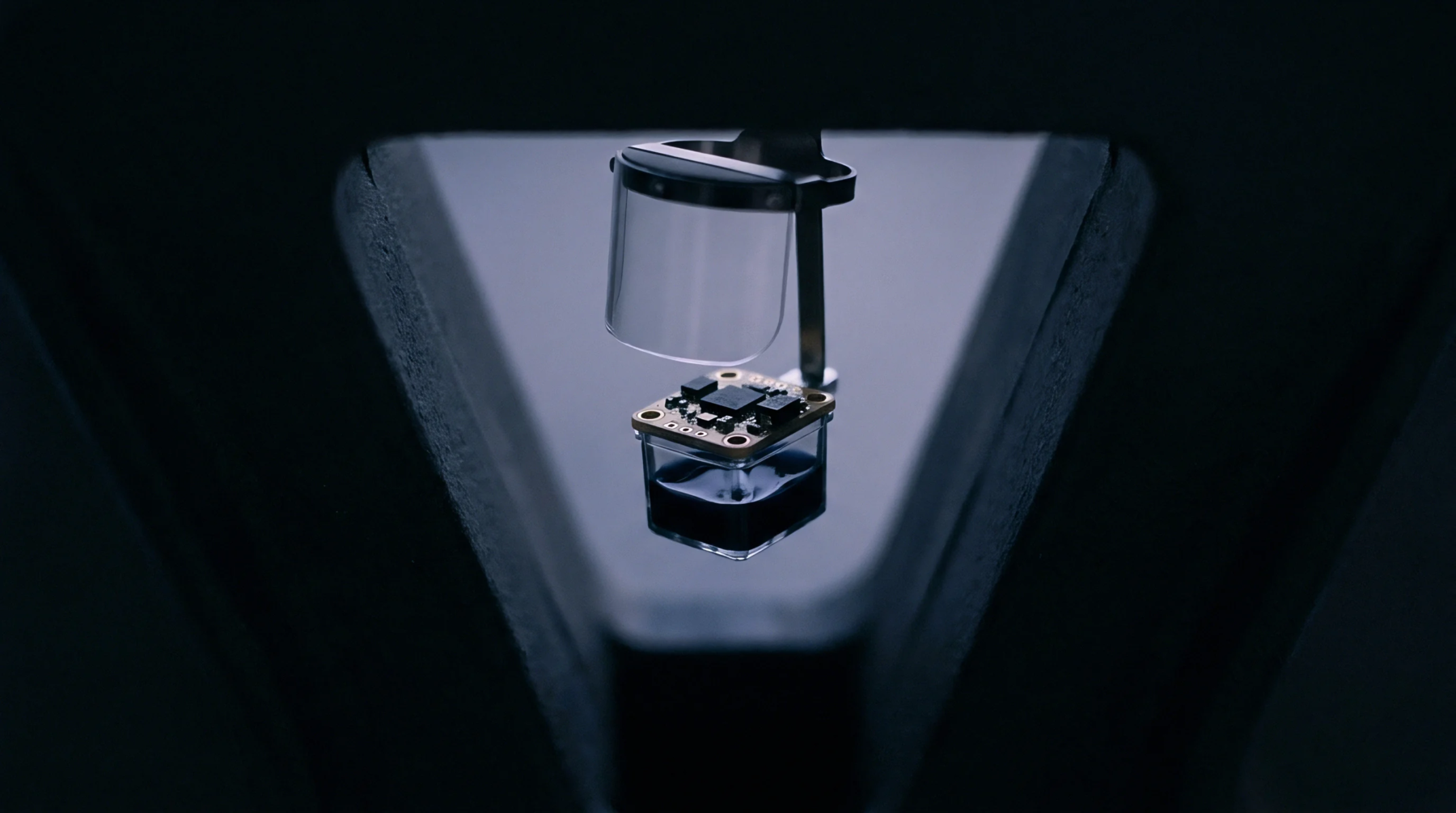
Initial glass transition advancement dictates die attach modulus evolution and residual stress, requiring calibrated thermal analysis to prevent assembly yield loss.
Polymer die attach selection governs MEMS IMU bias drift by balancing storage modulus, glass transition temperature, and long-term viscoelastic stress relaxation.
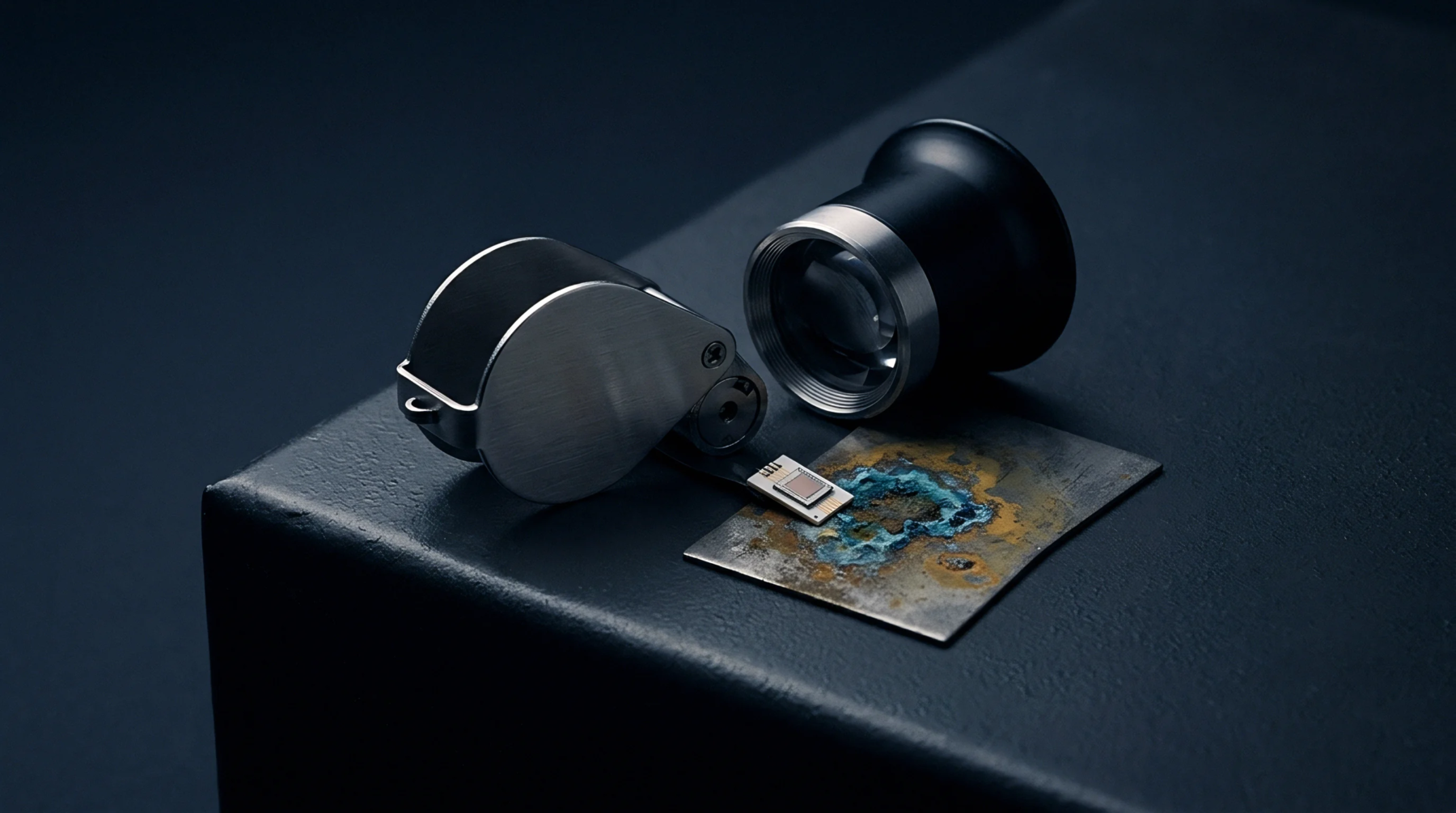
Silicon substrate thermal expansion alters MEMS structural spacing and compliance, requiring isolated single-point anchors and 3rd-order ASIC polynomial correction.

Iso-die package selection dictates backend lead times from 4 to 20 weeks and MOQs up to 50k units, requiring total landed cost models over raw component price.

Continuous thermal shock introduces spatial transient heat gradients that degrade LC oscillator stability unless dynamic rate-of-change compensation is applied.
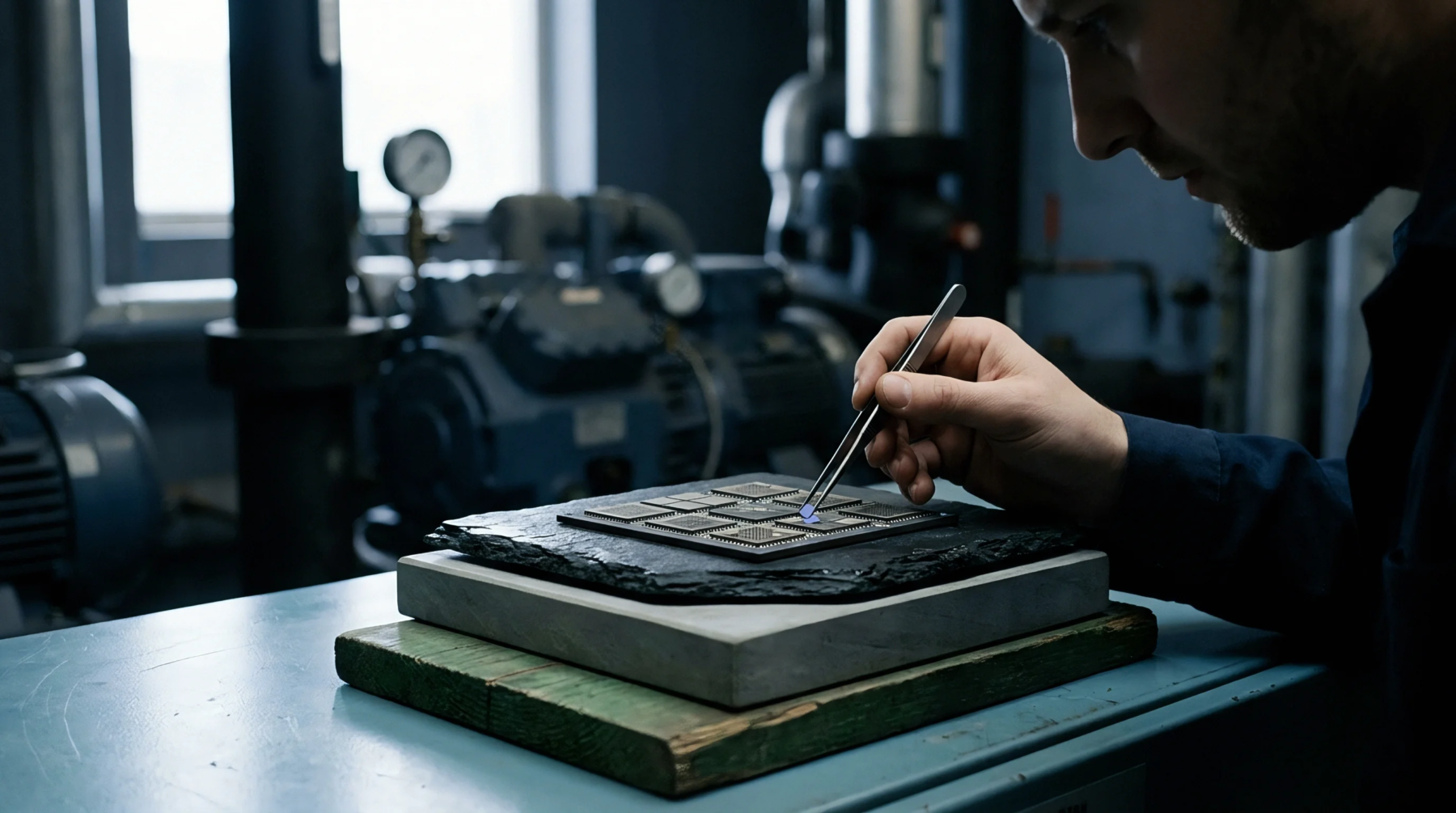
Thermal expansion mismatch between silicon dies and packaging substrates generates parasitic mechanical stress, causing piezoresistive zero-point drift.

High-frequency multi-coil inductive sensing isolates proximity from target alloy by measuring complex impedance vectors to decouple eddy loss from flux displacement.
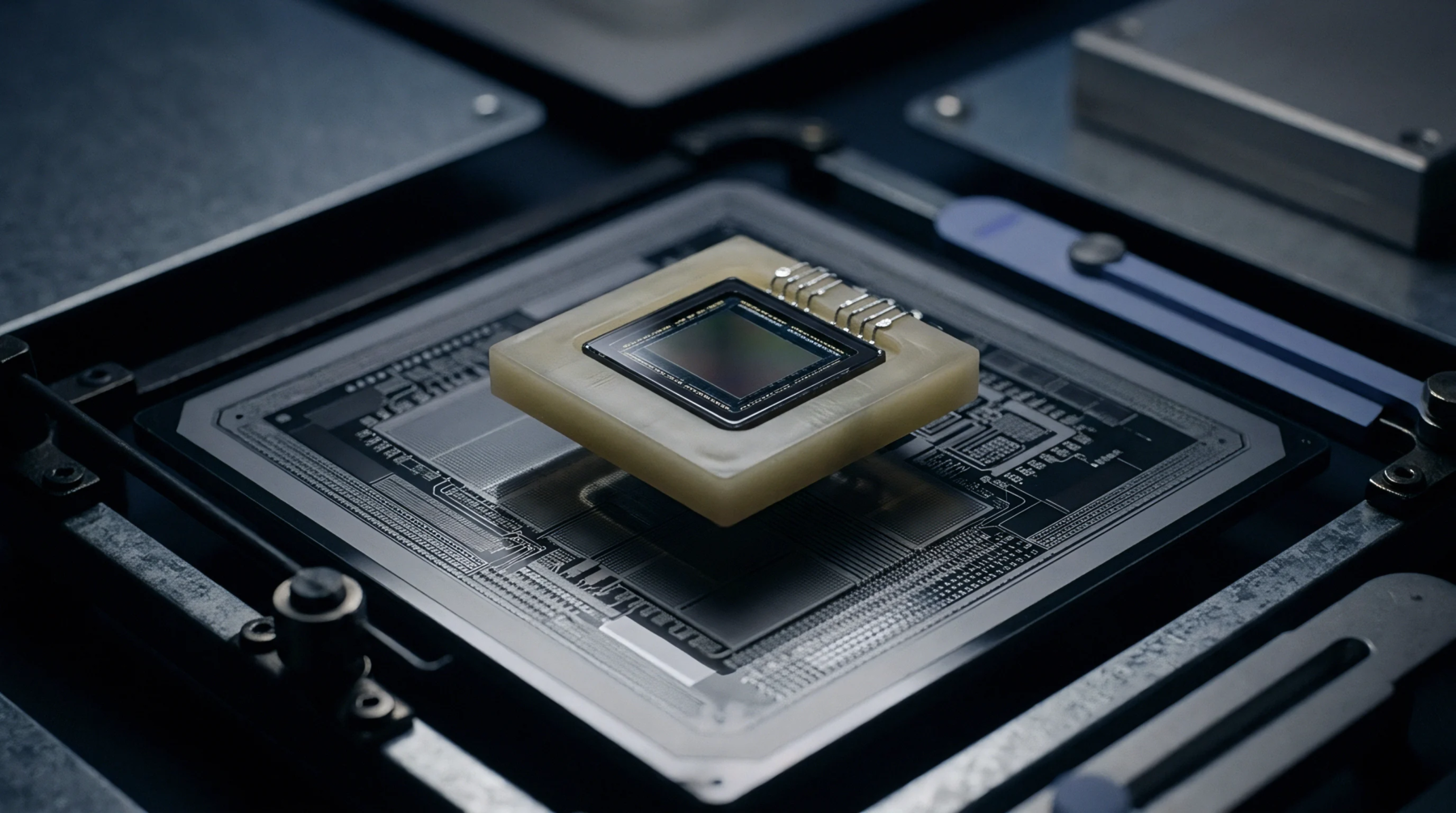
Silicon substrate expansion mismatches create stress across MEMS structures, driving zero-g drift that demands isolated anchors and hysteresis modeling.

Substrate thermal expansion creates packaging shear stress that warps MEMS proof masses, demanding central single-anchor isolation and polynomial offset calibration.
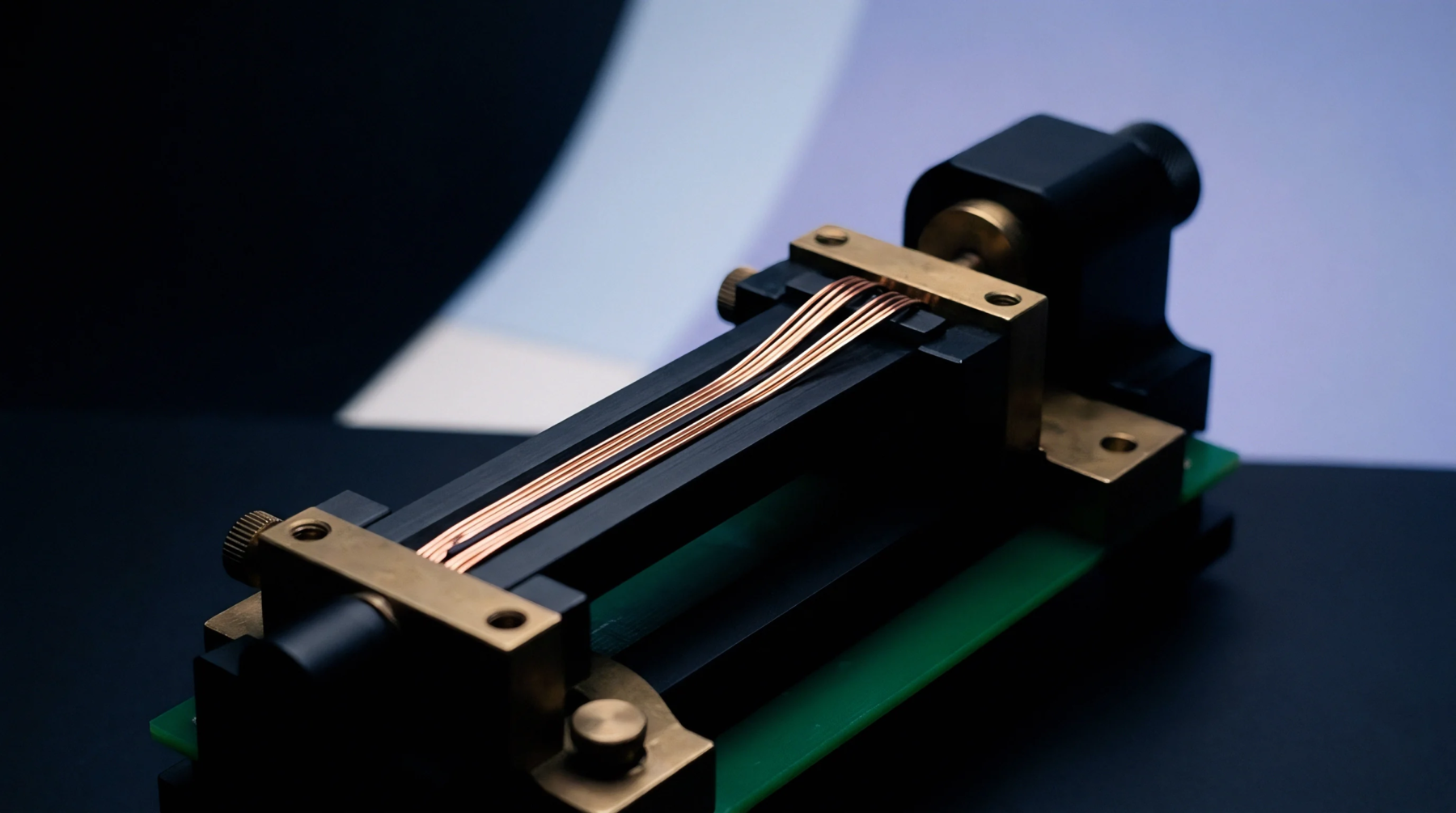
Silicon piezoresistive strain sensitivity depends on boron doping density, requiring constant current excitation or bivariate digital polynomials to suppress thermal span drop.
Expertise is a utility, not a secret. sentiention™ publishes its working knowledge as open reference: intelligence layer covering the materials it sources, the markets it enters, and the reference that serves both.