
Thermal Expansion Mismatch Strain Mitigation in Reactive Sputtered Sensor Layering
Compositionally graded compliant interlayers and post-sputter thermal anneals eliminate residual thermal strain, preventing zero-drift in sputtered thin-film sensors.
Compositionally graded compliant interlayers and post-sputter thermal anneals eliminate residual thermal strain, preventing zero-drift in sputtered thin-film sensors.
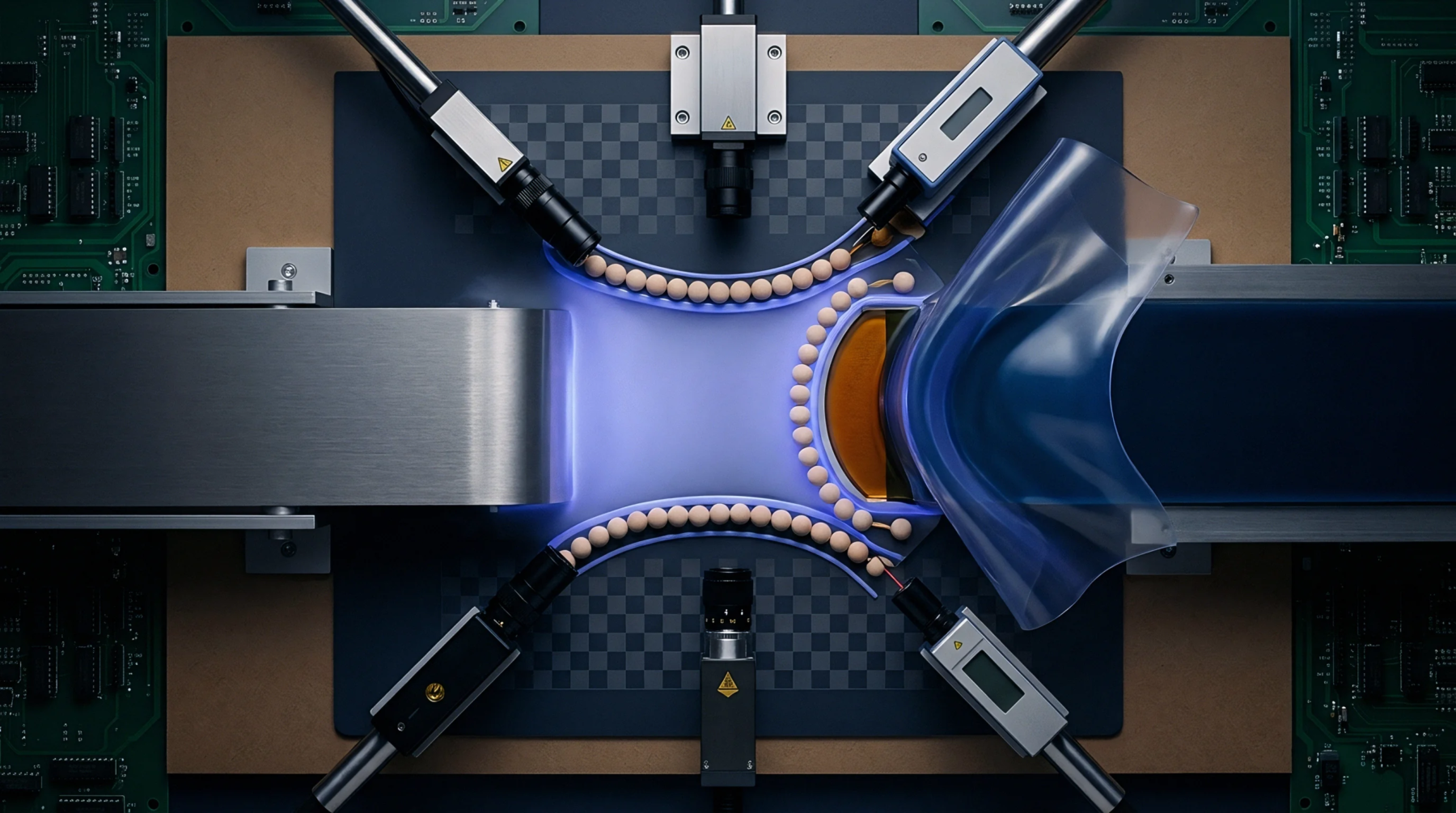
Thermal zero hysteresis in micro dosing controls is mitigated by active dual vector temperature compensation and low expansion wetted materials.
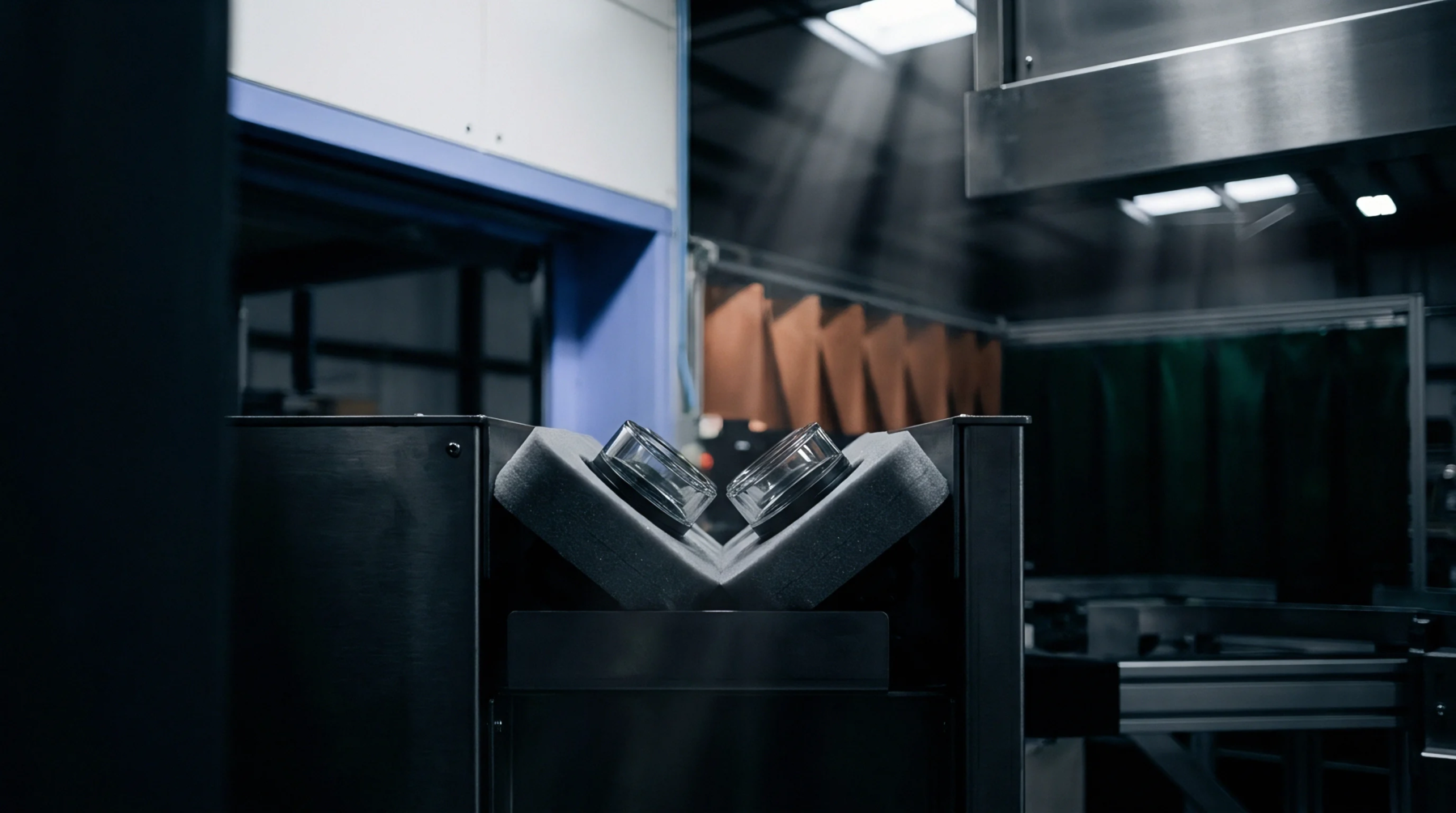
Anodic glass pedestal bonds creep during thermal cycling via sodium-depleted layer relaxation, inducing permanent piezoresistive sensor zero-point drift.

Static thermal zero-g bias shifts in MEMS accelerometers are isolated by enforcing prolonged thermal dwell periods to decouple stress creep from thermal gradients.

MEMS thermal hysteresis creates non-repeatable zero-g offset shifts up to 3 mg, driving uncompensable arcsecond tilt errors in static leveling systems.
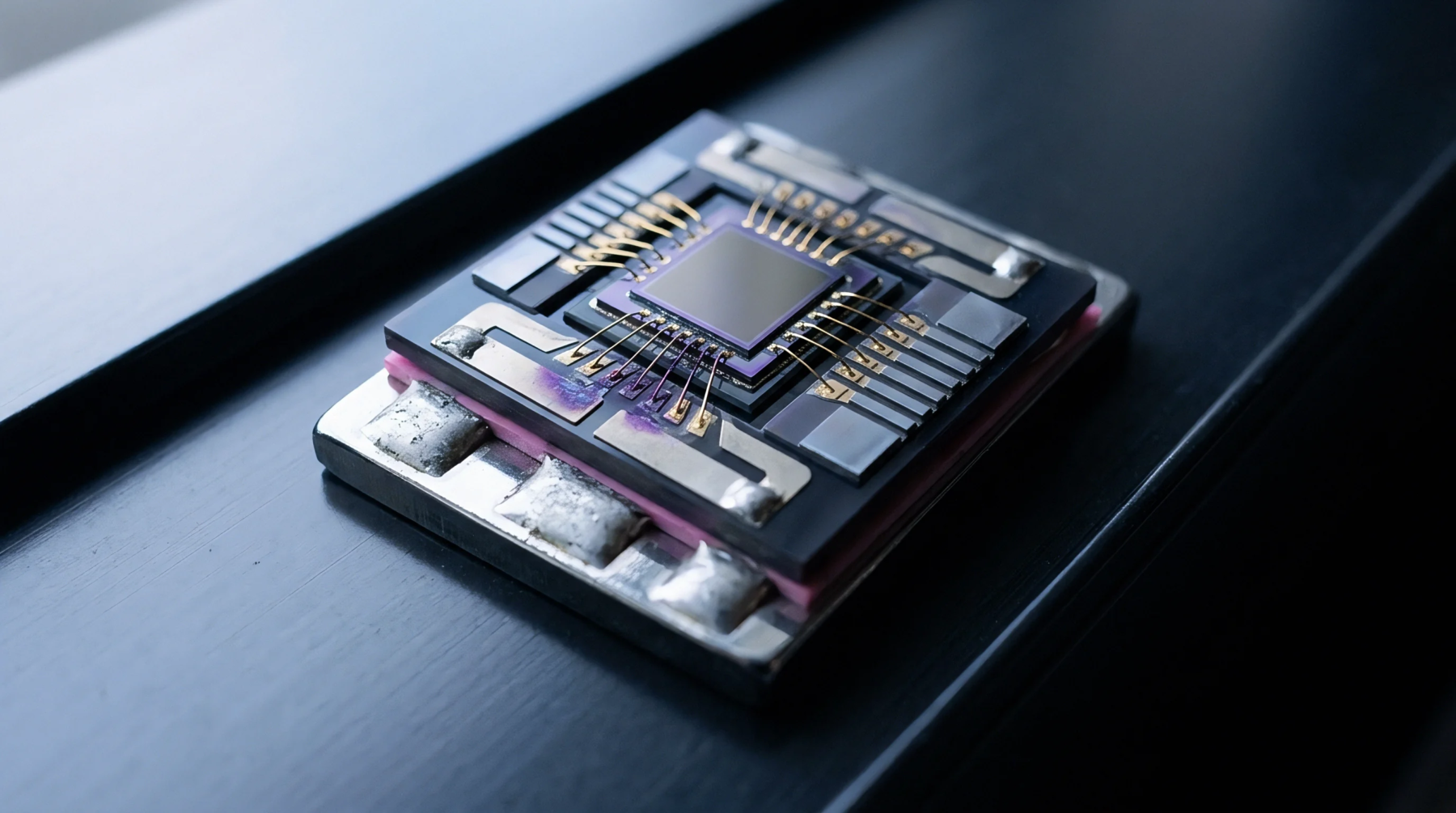
Anodic glass bonding strain is minimized by combining matched non-linear CTE glass selection, thin compliant interlayers, and controlled cool-down ramps.

Substrate CTE mismatch drives interfacial shear strain into current shunt alloys, causing piezoresistive thermal hysteresis that requires post-cure thermal cycling to stabilize.

Substrate thermal gradients induce anisotropic strain fields that degrade MEMS accuracy through piezoresistive offset shifts and capacitive gap distortion.

Continuous thermal shock introduces spatial transient heat gradients that degrade LC oscillator stability unless dynamic rate-of-change compensation is applied.

Thermal expansion mismatch between silicon dies and packaging substrates generates parasitic mechanical stress, causing piezoresistive zero-point drift.

Dynamic thermal gradient compensation requires multi-node spatial sensing and state-space filtering to eliminate phase-lagged bias shifts during rapid thermal slewing.
Expertise is a utility, not a secret. sentiention™ publishes its working knowledge as open reference: intelligence layer covering the materials it sources, the markets it enters, and the reference that serves both.