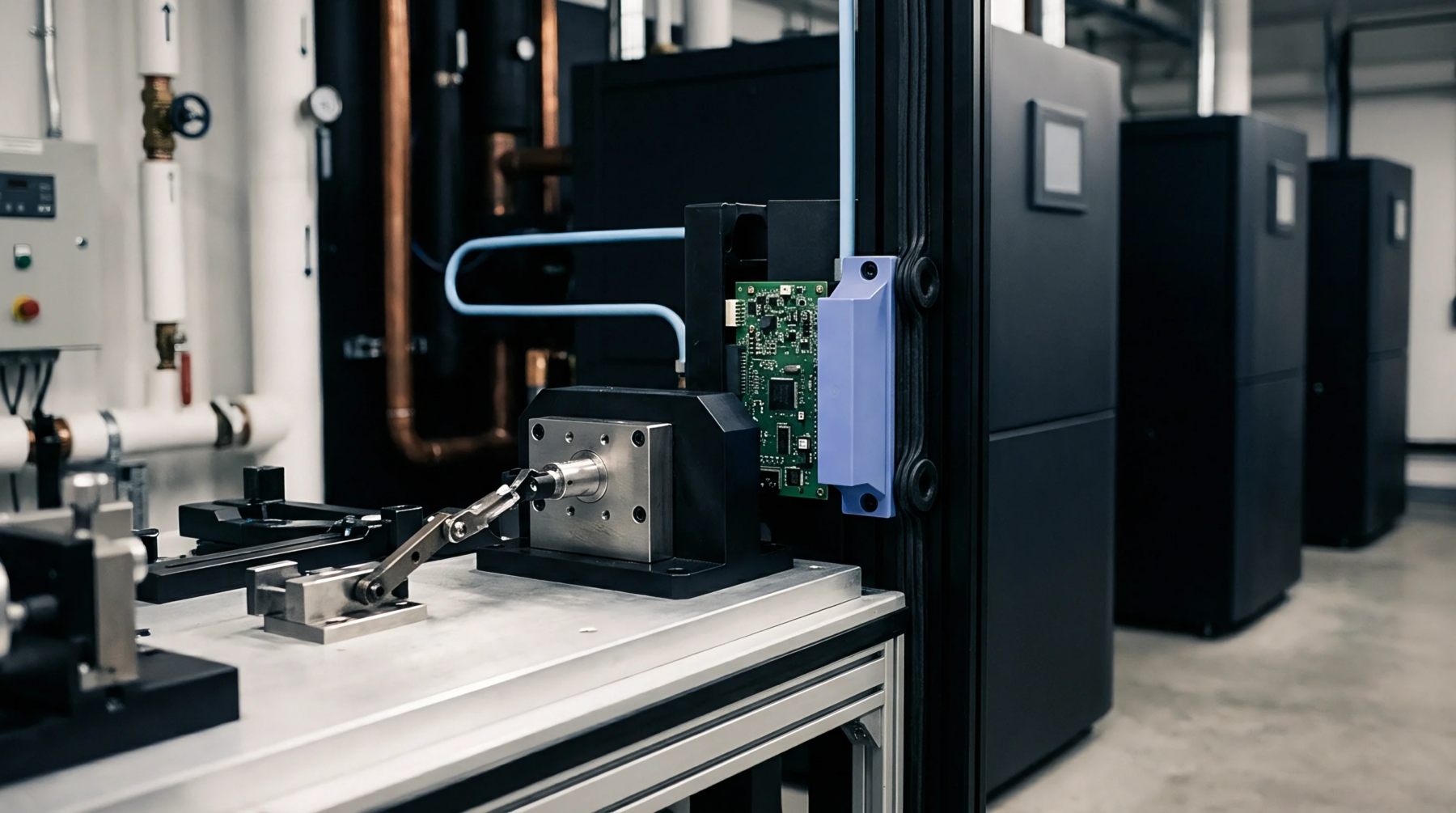
Board Flex Reaching the Die as Offset Error after Assembly
Board flexure transfers shear strain through solder joints into silicon dies, shifting zero-point offsets; isolate footprints using slots or diagonal placement.
Board flexure transfers shear strain through solder joints into silicon dies, shifting zero-point offsets; isolate footprints using slots or diagonal placement.
An ISO/IEC 17025 logo proves accreditation only for parameters and ranges explicitly listed on the laboratory active schedule of scope.
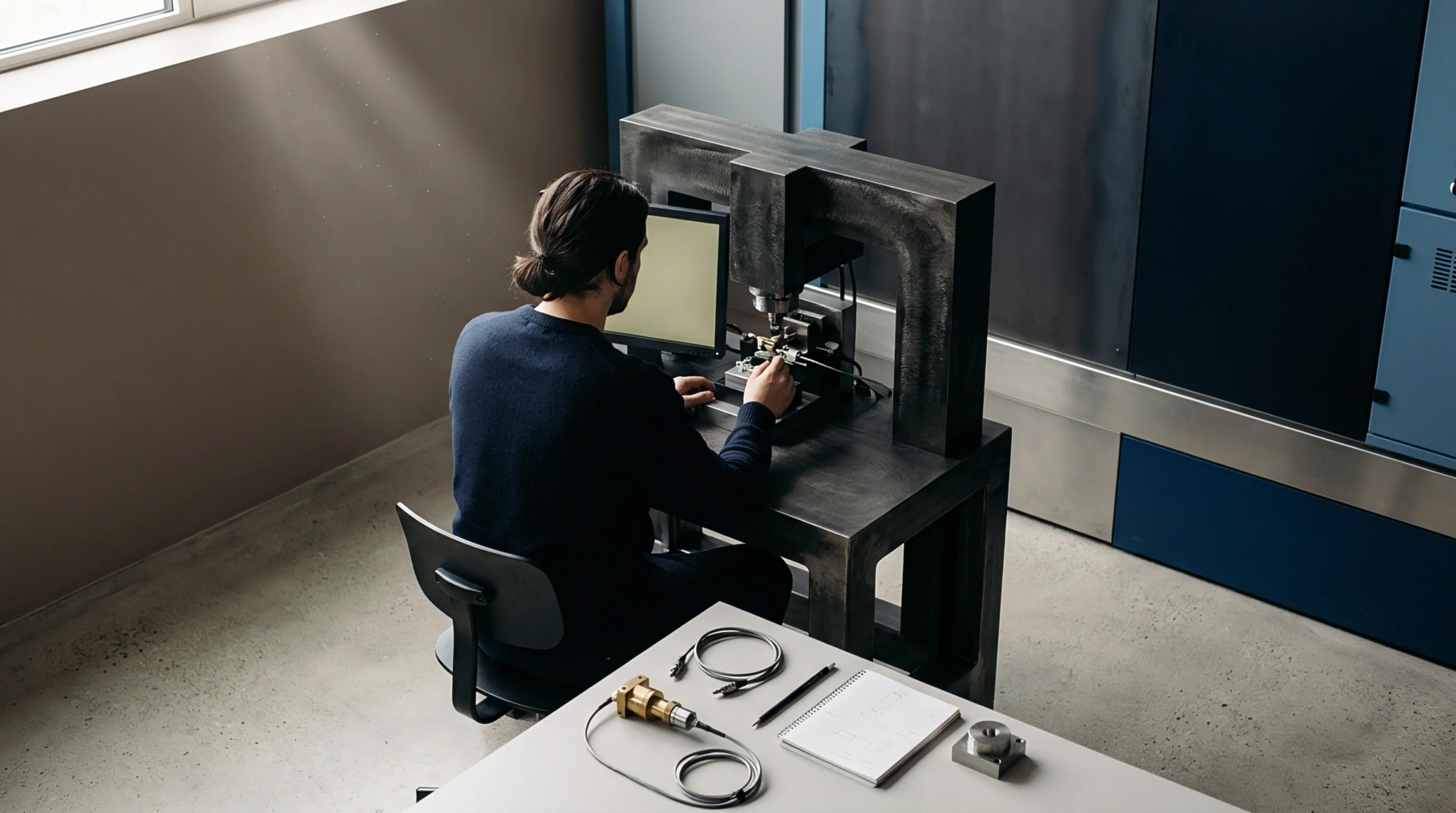
Variable acceptance sampling under ISO 3951-1 verifies continuous MEMS IMU drift profiles while protecting production lines from latent silicon wafer defects.
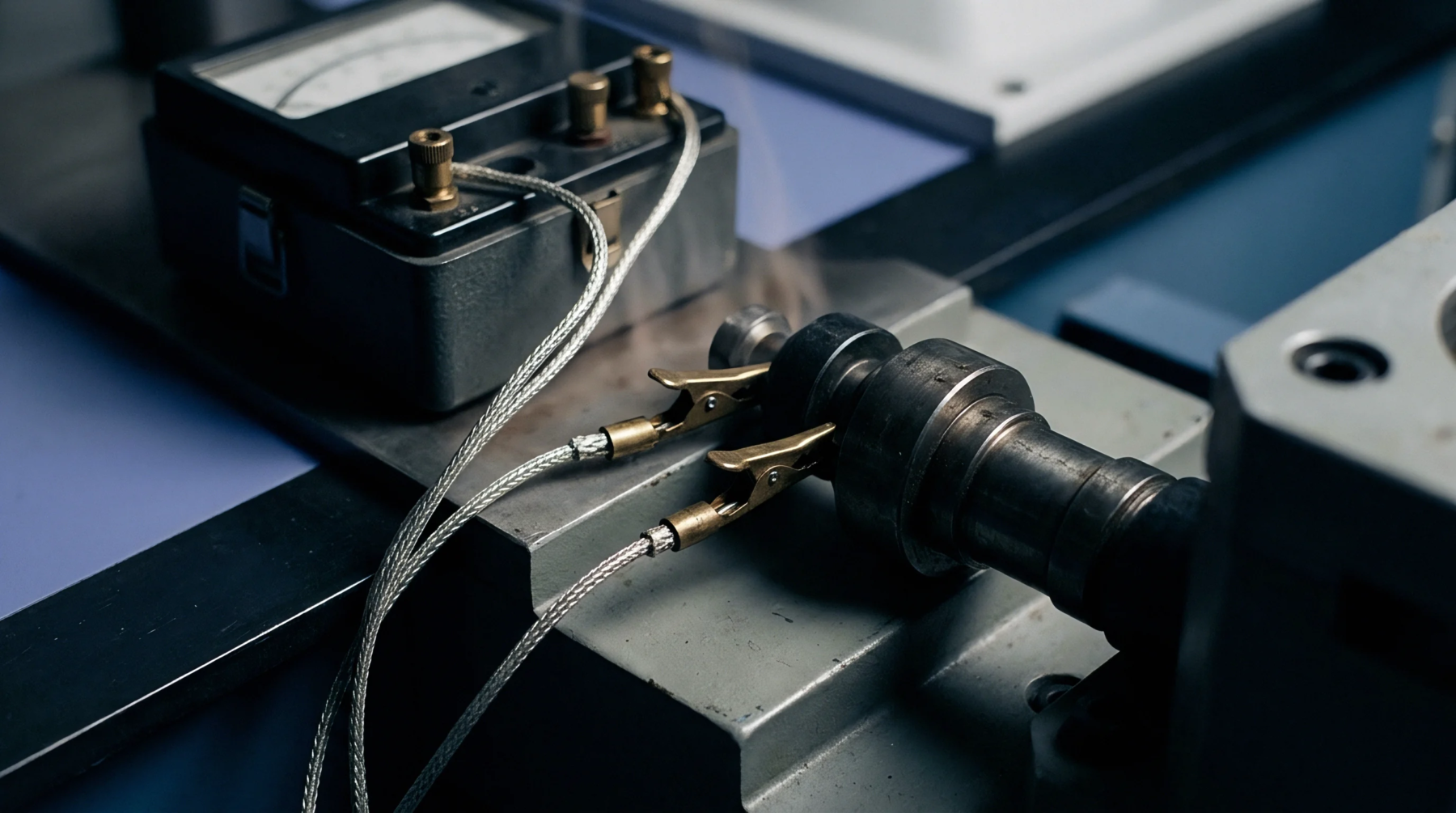
Unbudgeted sensor thermal settling times and hysteresis generate severe measurement errors, demanding mandatory package-level soak protocols to preserve field accuracy.
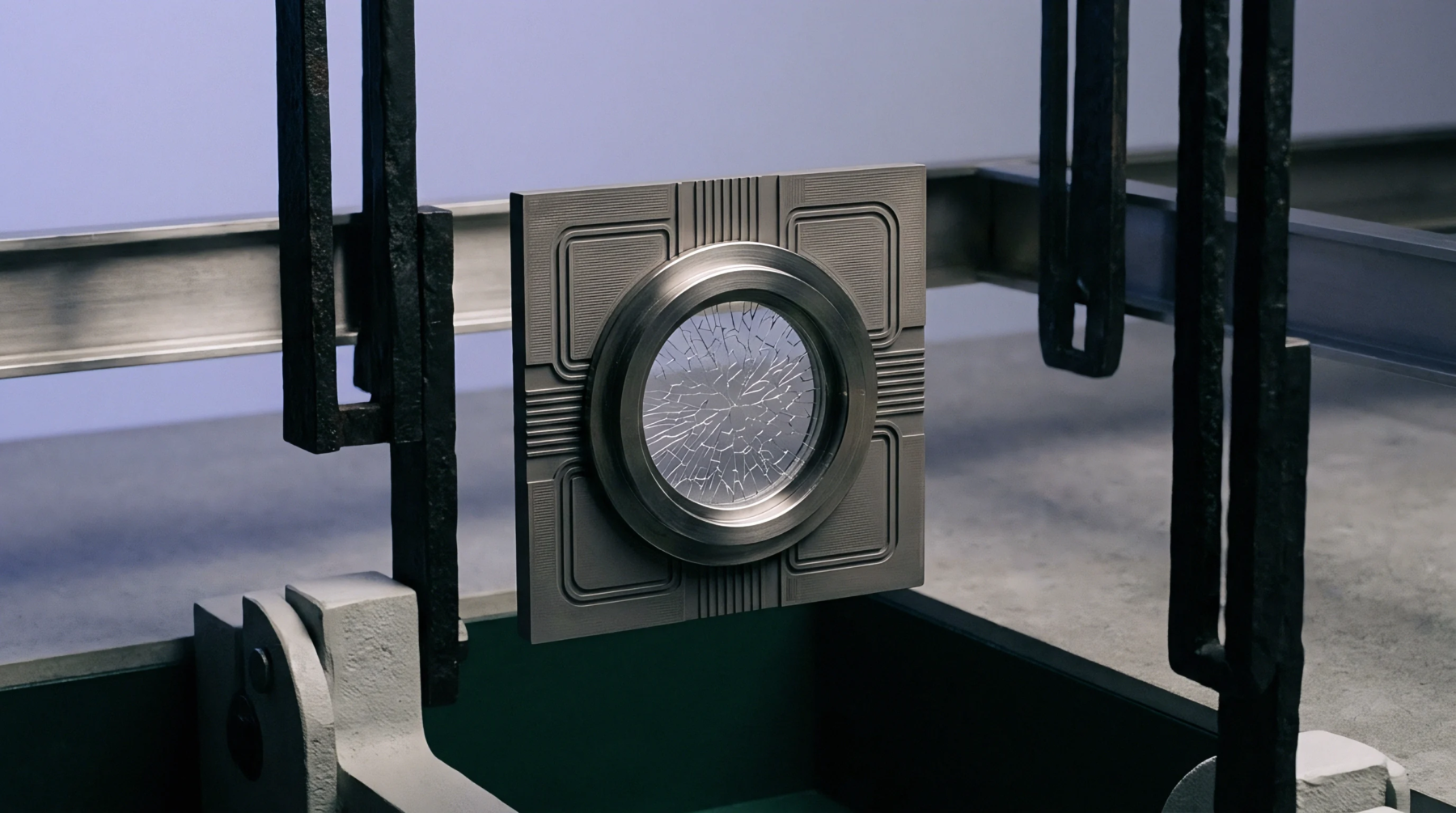
Matching element strain coefficients to substrate thermal expansion eliminates thermal hysteresis and holds sub-ppm resistance stability across operational temperature bands.

Substrate thermal expansion creates packaging shear stress that warps MEMS proof masses, demanding central single-anchor isolation and polynomial offset calibration.
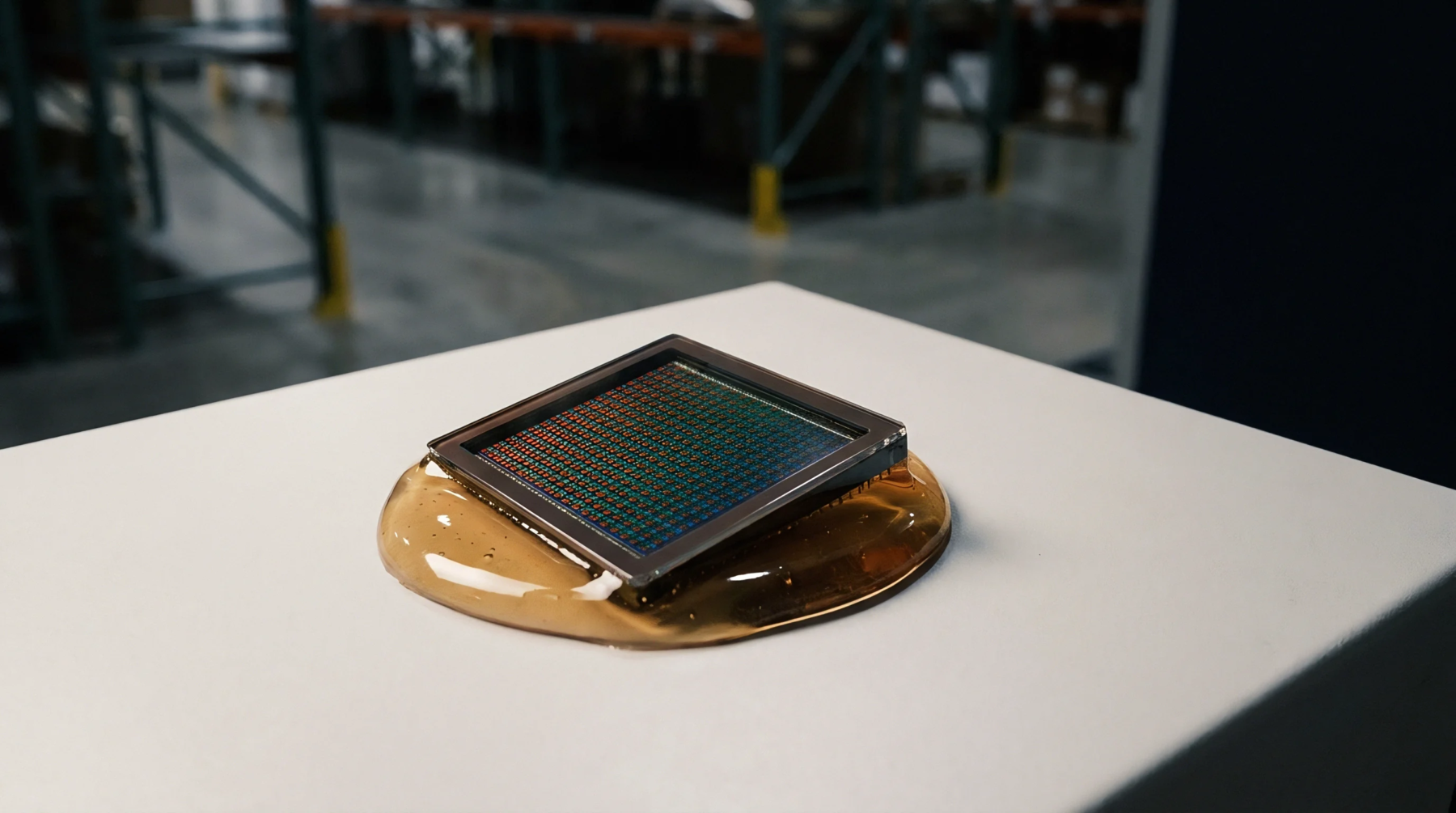
Dynamic moisture ingress into piezoresistive sensor encapsulants expands thermal hysteresis by up to 0.25% FSS, requiring humidity-conditioned calibration.

Cross-border supply disputes resolve only when contracts define referee laboratory selection, expanded uncertainty budgets, and guard-banding rules under ISO 14253-1.
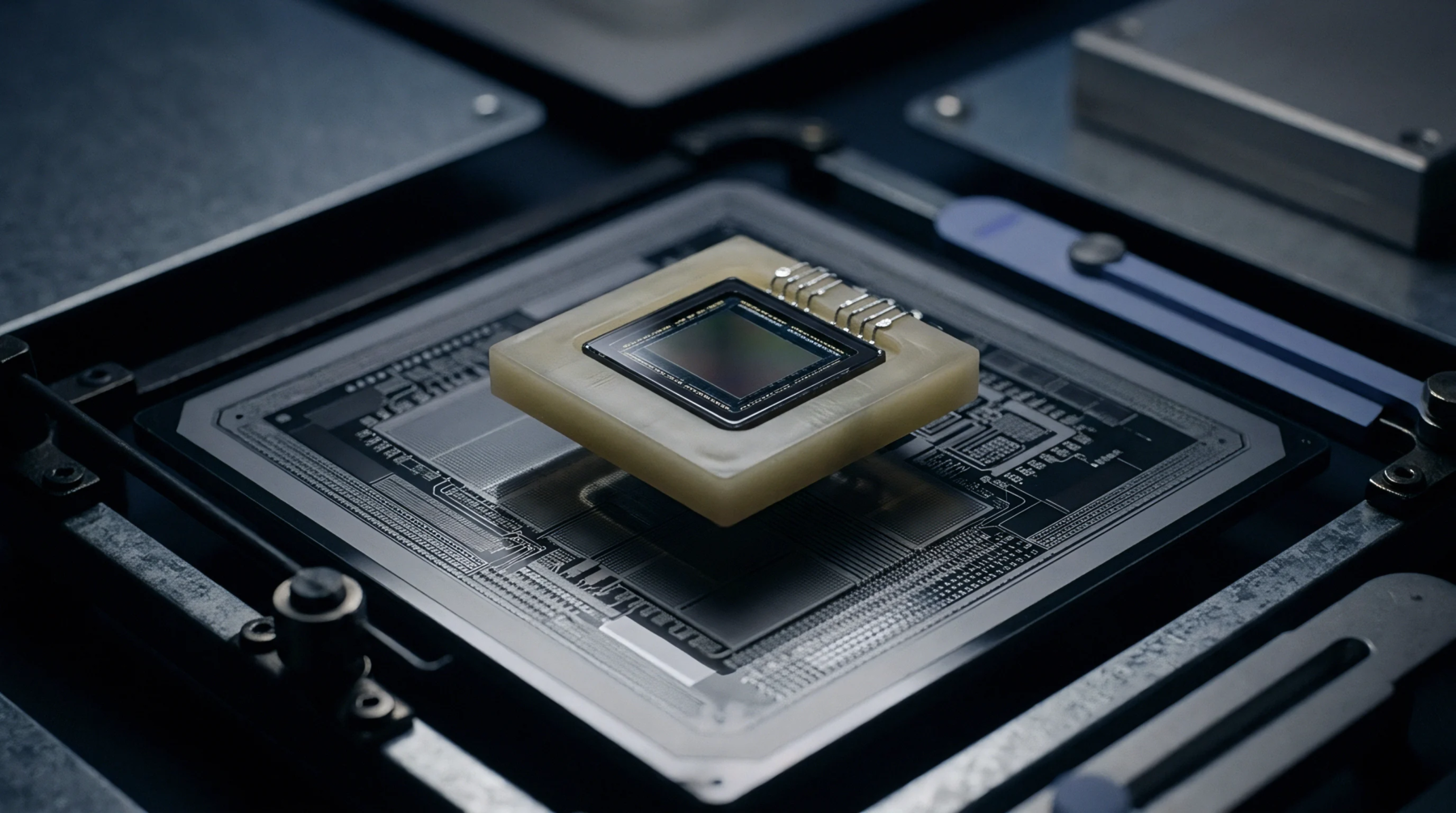
Silicon substrate expansion mismatches create stress across MEMS structures, driving zero-g drift that demands isolated anchors and hysteresis modeling.

Driving current from an analog sensor output heats internal silicon sub-circuits, creating thermal gradients that drift the internal voltage reference beyond nominal tolerances.

Normalizing digitized bridge and temperature counts before solving polynomial matrix equations eliminates floating point overflow and preserves calibration accuracy.
Micro-strain relaxation in MEMS silicon transducer die-attach and packaging interfaces causes long-term zero drift that invalidates ASIC polynomial calibration.

Ground alignment error bounds depend on accelerometer turn-on bias for leveling and East gyro bias stability divided by cosine latitude for heading accuracy.

Allan Variance bias stability metrics directly determine discrete Kalman process noise matrix entries to prevent filter divergence under non-stationary drift.

Mechanical stress isolation via matched CTE submounts, compliant gels, and silicon micro-machined trenches eliminates parasitic packaging strain to preserve long-term sensor calibration stability.

Stationary leveling extracts pitch and roll by isolating the 1g local gravity vector, bounded by accelerometer bias stability and vibration rectification error.
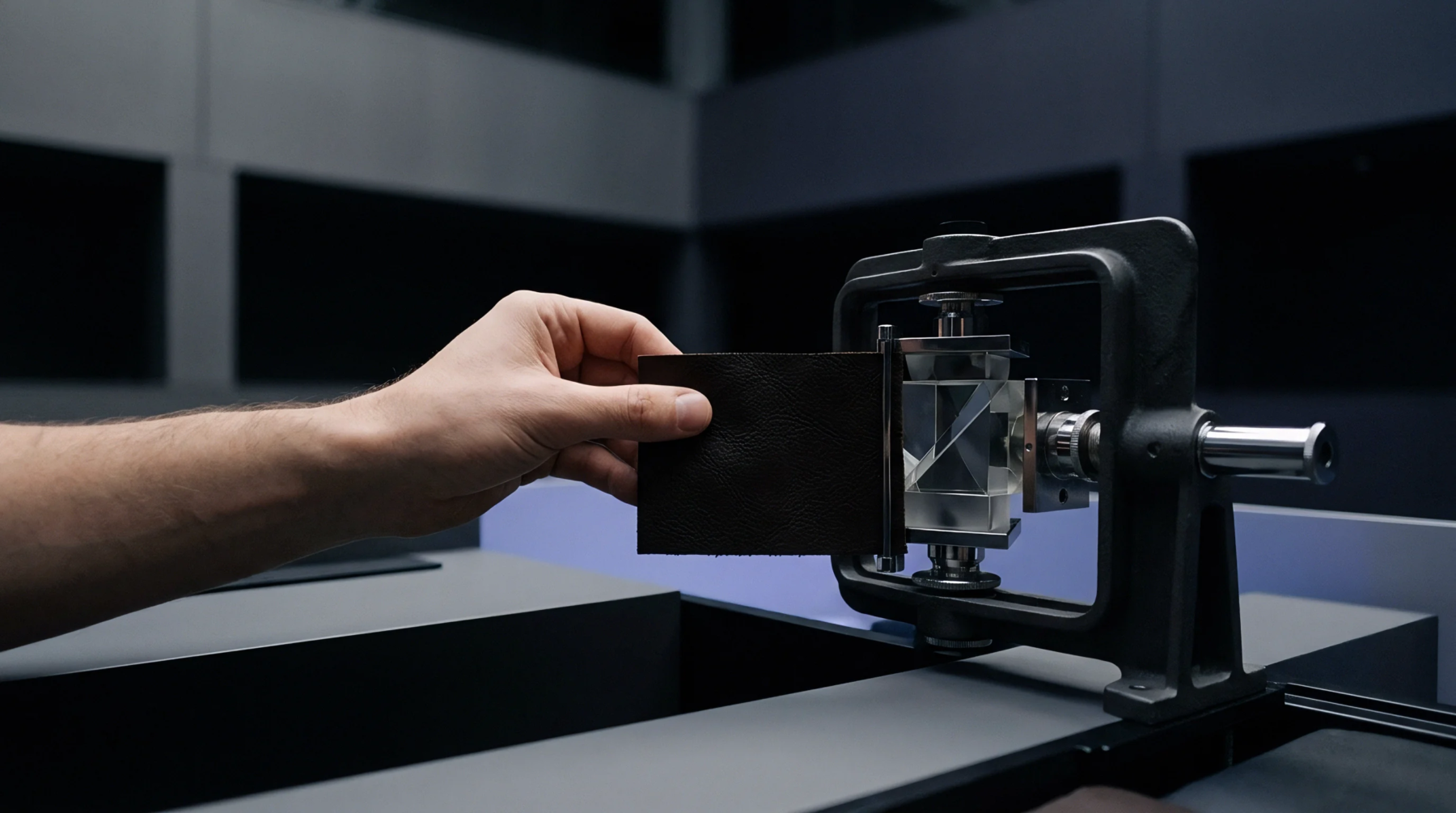
Static multi-position gravity inversion separates zero-g offset from scale factor while Allan variance bias instability defines maximum valid integration time.

Thermal hysteresis and package strain corrupt accelerometer zero offset; accurate baseline determinations require thermal soak isolation and vibration rejection.

Viscoelastic relaxation in organic sensor die attach adhesives causes baseline zero drift that requires thermal pre-conditioning bake cycles to stabilize.
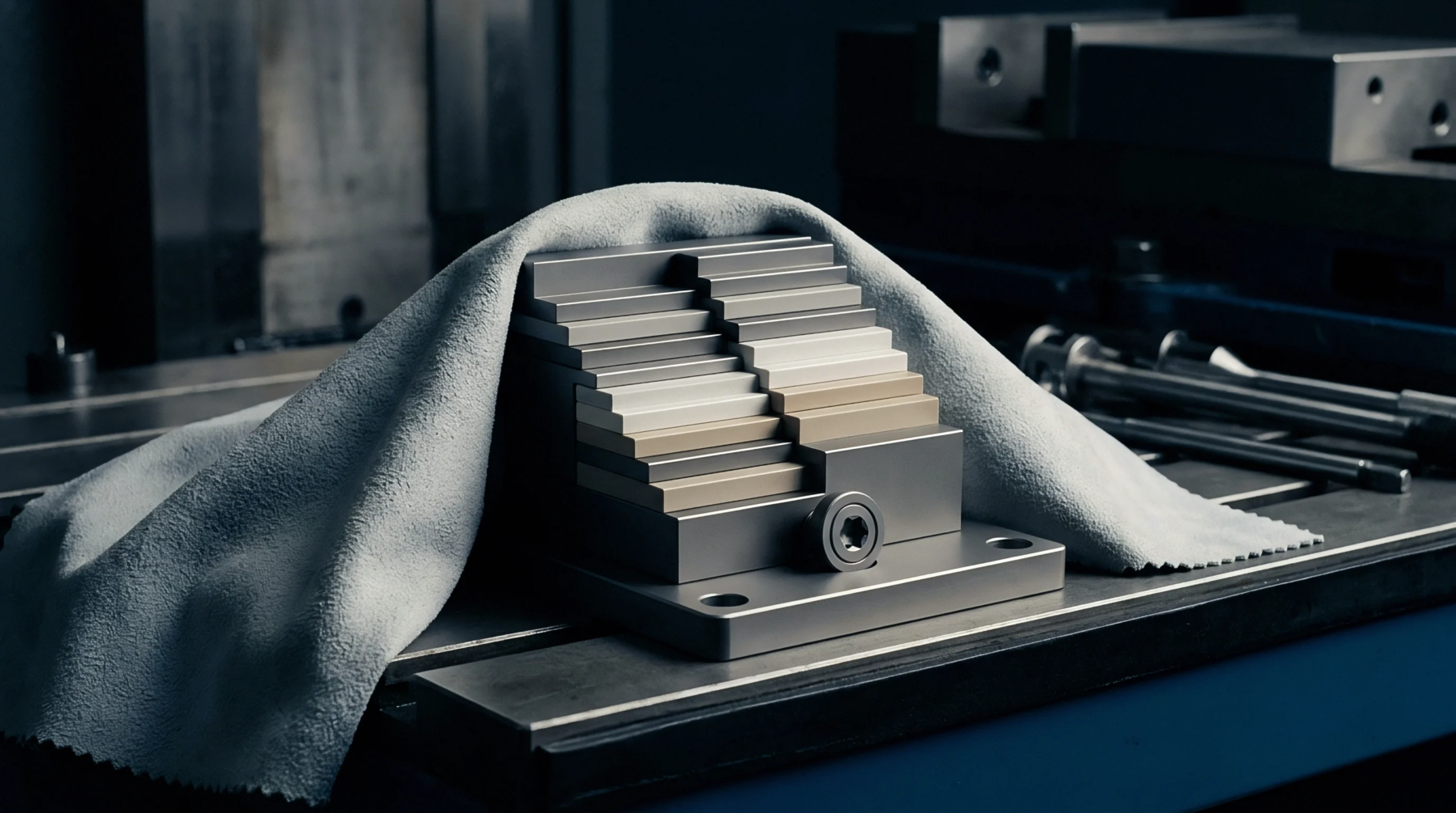
Optimal piezoresistive stability requires heavy surface boron doping above 2e19 cm-3 combined with plasma-activated silane coupling to prevent delamination.

Mitigating thermal Shupe bias in tactical fiber gyros requires quadrupolar winding symmetry paired with soft silicone potting and FIR derivative firmware filtering.

Minimizing fluid volume below five microliters and matching diaphragm spring rate eliminates thermal zero shift in isolated piezoresistive pressure cells.

Thermal expansion mismatch between silicon dies and packaging substrates generates parasitic mechanical stress, causing piezoresistive zero-point drift.

Modeling die stress hysteresis in capacitive accelerometers requires mapping non linear viscoelastic adhesive relaxation directly to comb gap displacement.

Real-time state-space thermal observers reconstruct unmeasured internal temperature gradients to eliminate dynamic bias drift in tactical MEMS IMU firmware.

Temperature cross-sensitivity in pressure sensors stems from physical die stress and semiconductor carrier shift, requiring digital ASIC polynomial compensation to control thermal error bands.

Master supply agreements must separate initial trim accuracy from multi-year operational drift, backing rejection triggers with accredited 4:1 TUR testing.

Quantifying thermal hysteresis and scale factor asymmetry in high aspect ratio MEMS gyroscopes requires modeling package strain and electrostatic comb non-linearities.
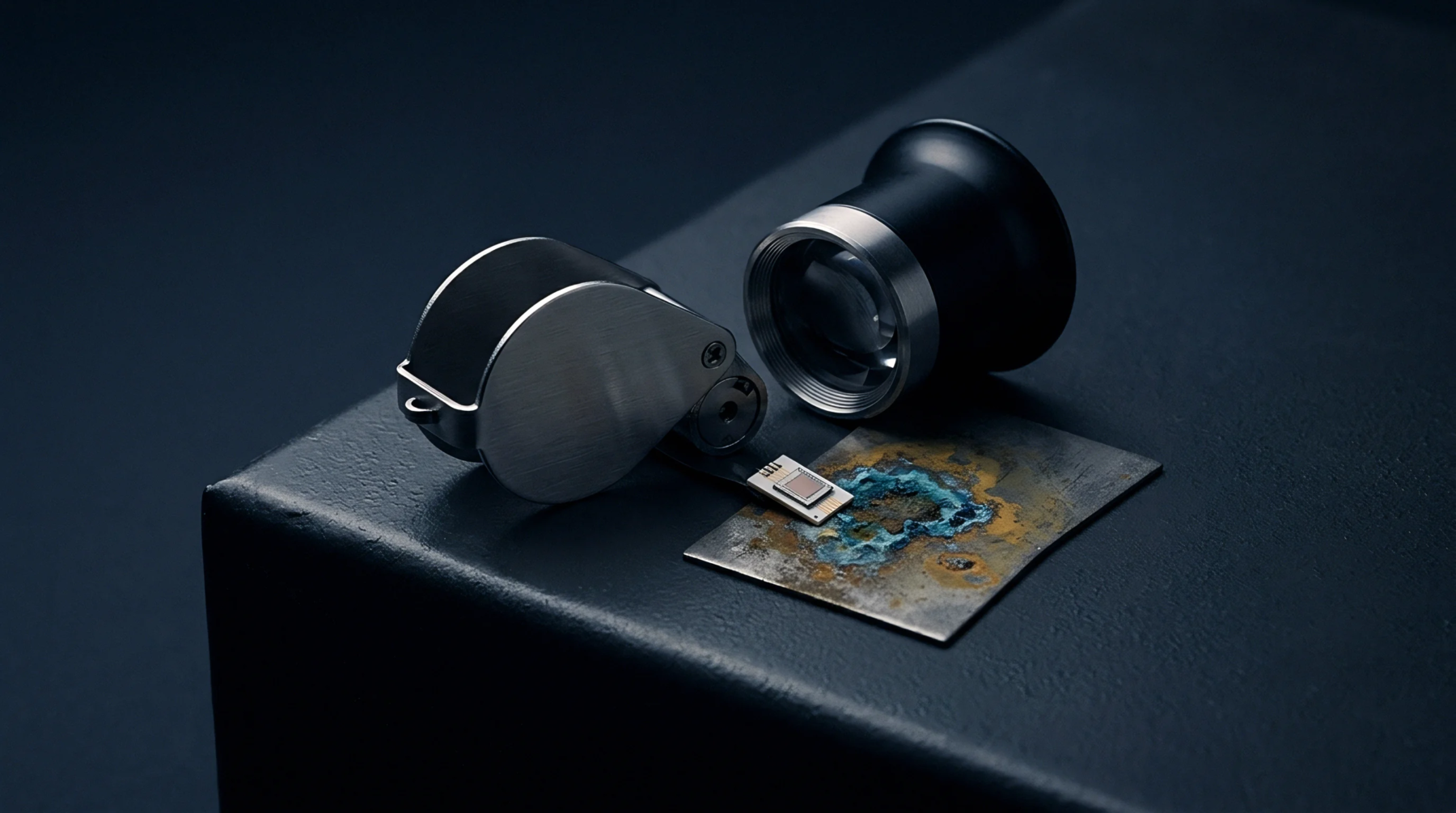
Silicon substrate thermal expansion alters MEMS structural spacing and compliance, requiring isolated single-point anchors and 3rd-order ASIC polynomial correction.
High frequency FMCW radar transducers in narrow vessels mitigate thermal drift by combining low-loss thermal isolation mounts with dynamic real-time DSP phase subtraction.
Expertise is a utility, not a secret. sentiention™ publishes its working knowledge as open reference: intelligence layer covering the materials it sources, the markets it enters, and the reference that serves both.