Isothermal Stabilization
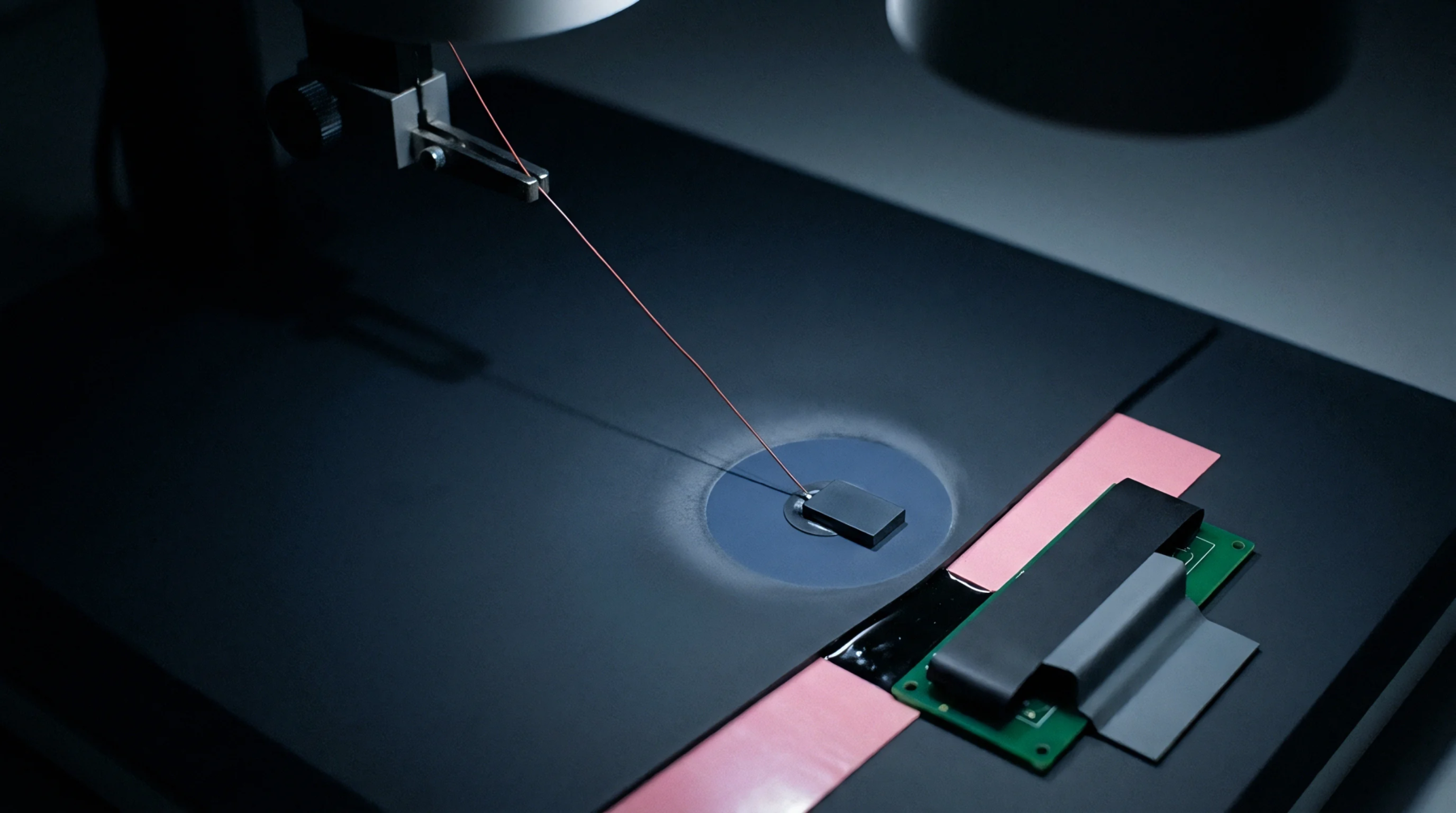
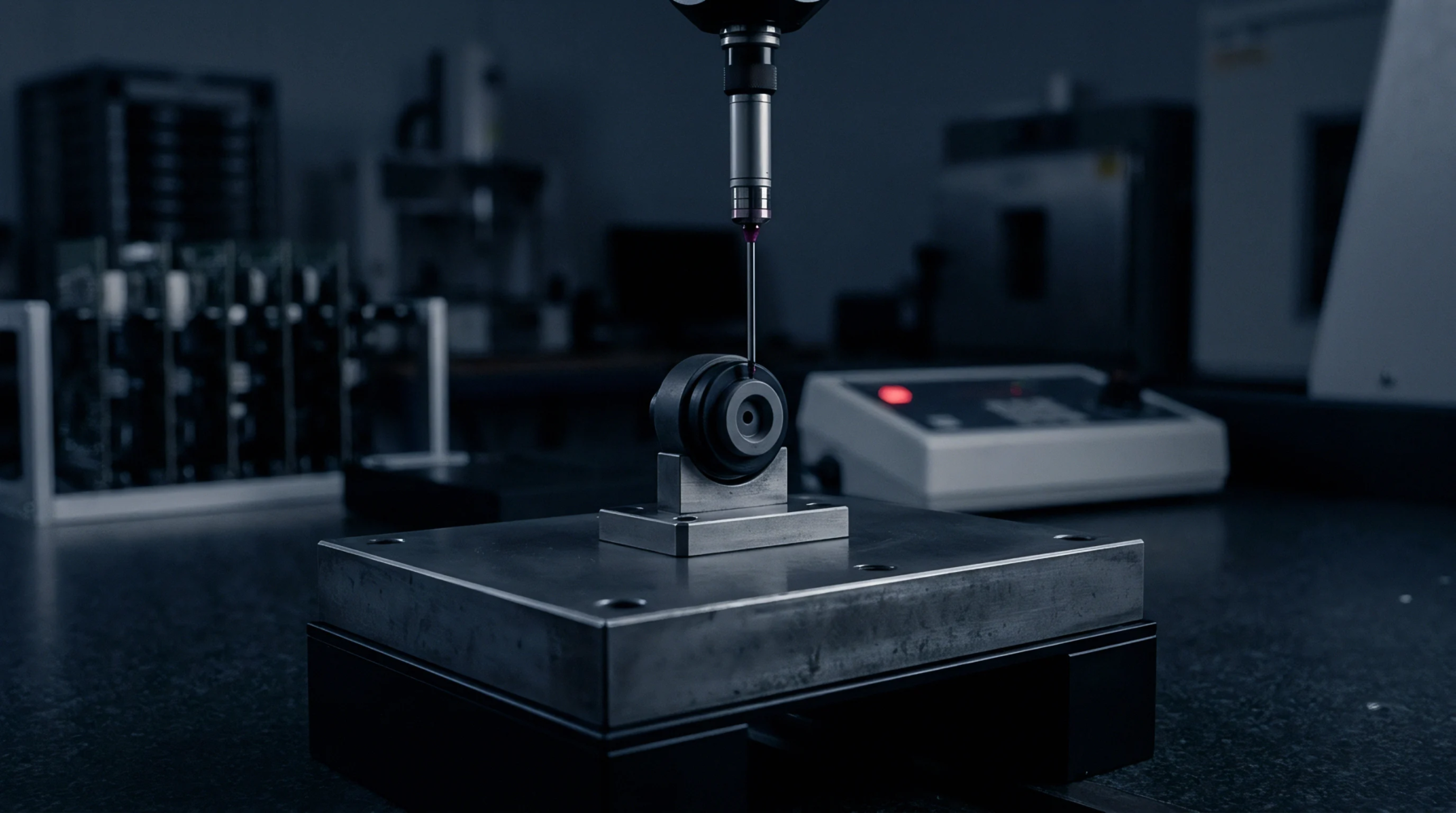
Controlled thermal conditioning involves maintaining an instrument, sensor assembly, or electronic subsystem at an elevated or depressed temperature until all internal components attain complete thermodynamic equilibrium. Executing a thermal soak ensures that internal temperature gradients, thermal expansion stresses, and latent material settling processes achieve a stable baseline before functional testing commences. Measurement accuracy in calibration laboratories depends directly on this thermal equilibration, as unobserved internal temperature differentials create parasitic thermoelectric voltages and dimensional distortions.
Standard acceptance protocols demand soaking durations calculated from internal assembly heat capacities rather than relying on chamber ambient air indicators. Premature testing before completion of this stabilization phase introduces systematic measurement errors that compromise calibration certificates.
Thermal Diffusion Kinetics
Heat transfer from environmental chamber atmospheres into dense internal packaging assemblies progresses through conduction, natural convection, and radiative mechanisms. The duration of a thermal soak depends on the mass, thermal conductivity, and structural complexity of the device under test. Thick polymeric encapsulants, glass-filled potting compounds, and multi-layer printed circuit boards exhibit low thermal conductivities that delay internal core temperature stabilization.
While external package surfaces reach test temperatures rapidly, deep silicon dies, core magnets, and inner reference diodes lag behind for tens of minutes. Thermocouples affixed to external package surfaces cannot confirm internal stabilization without mathematical modeling of the thermal time constant of the internal assembly.
Calibration Repeatability Impact
Temperature gradients across sensitive analog front-end circuits generate unintended Seebeck effect voltages across heterogeneous metal junctions, distorting low-level direct-current sensor measurements. Bypassing a comprehensive thermal soak allows transient mechanical strains to warp optical cavities, quartz crystals, and micromachined membranes during active calibration recording. Piezoresistive sensors tested during thermal transition show apparent sensitivity drift that reflects thermal lag between the sensor diaphragm and package thermistors.
Achieving true thermal equilibrium settles internal mechanical stresses, stabilizes reference voltage bandgaps, and allows crystal oscillators to reach steady-state frequencies. High-precision metrology standards mandate soaking intervals to ensure that published sensor specifications represent steady-state field operational capabilities.
Verification Protocol
Metrological validation of soak completion requires monitoring stabilization metrics derived from internal system behavior rather than environmental chamber telemetry. Laboratories track the stability of internal component temperature sensors, clock frequencies, or bridge resistance values over time, defining completion when variations drop below specified drift limits. Standard qualification routines document the required thermal soak time by calculating three to five thermal time constants based on the slowest internal thermal node.
Environmental screening procedures such as MIL-STD-810 specify explicit soak durations at extreme temperature boundaries before executing baseline operational test routines. Quality assurance documentation certifies that instruments passed calibration only after verified thermal dwell intervals confirmed complete internal thermal stability.