Measurement Shift
Temperature-induced output shifts describe the difference in a sensor’s reading at a specific reference temperature depending on whether that temperature was approached from a higher or lower point. Documenting thermal hysteresis establishes the limits of long-term measurement repeatability for high-precision environmental sensors and transducers. The behavior is driven by mechanical stresses in the packaging materials as they expand and contract.
Packaging Stress
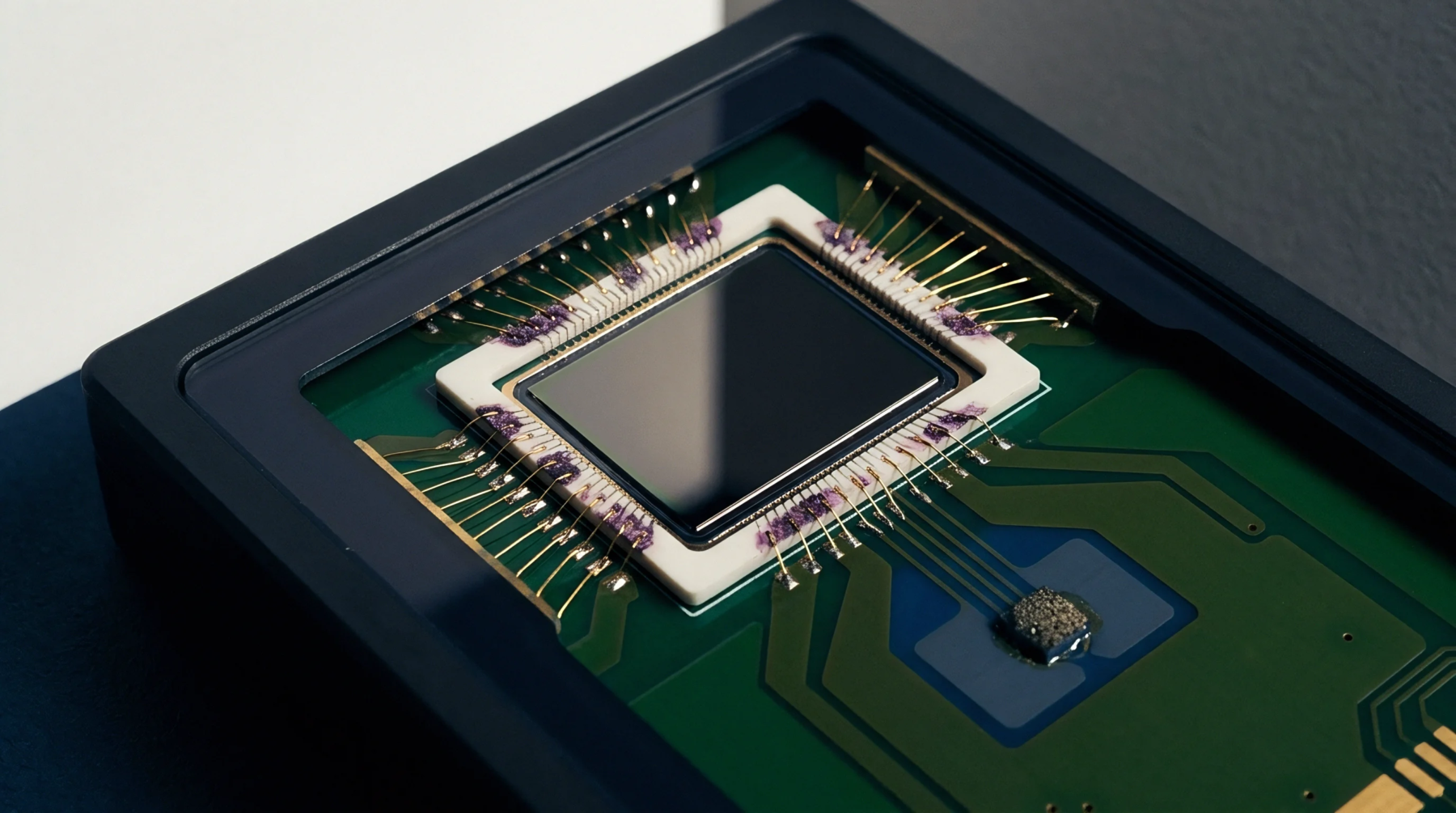
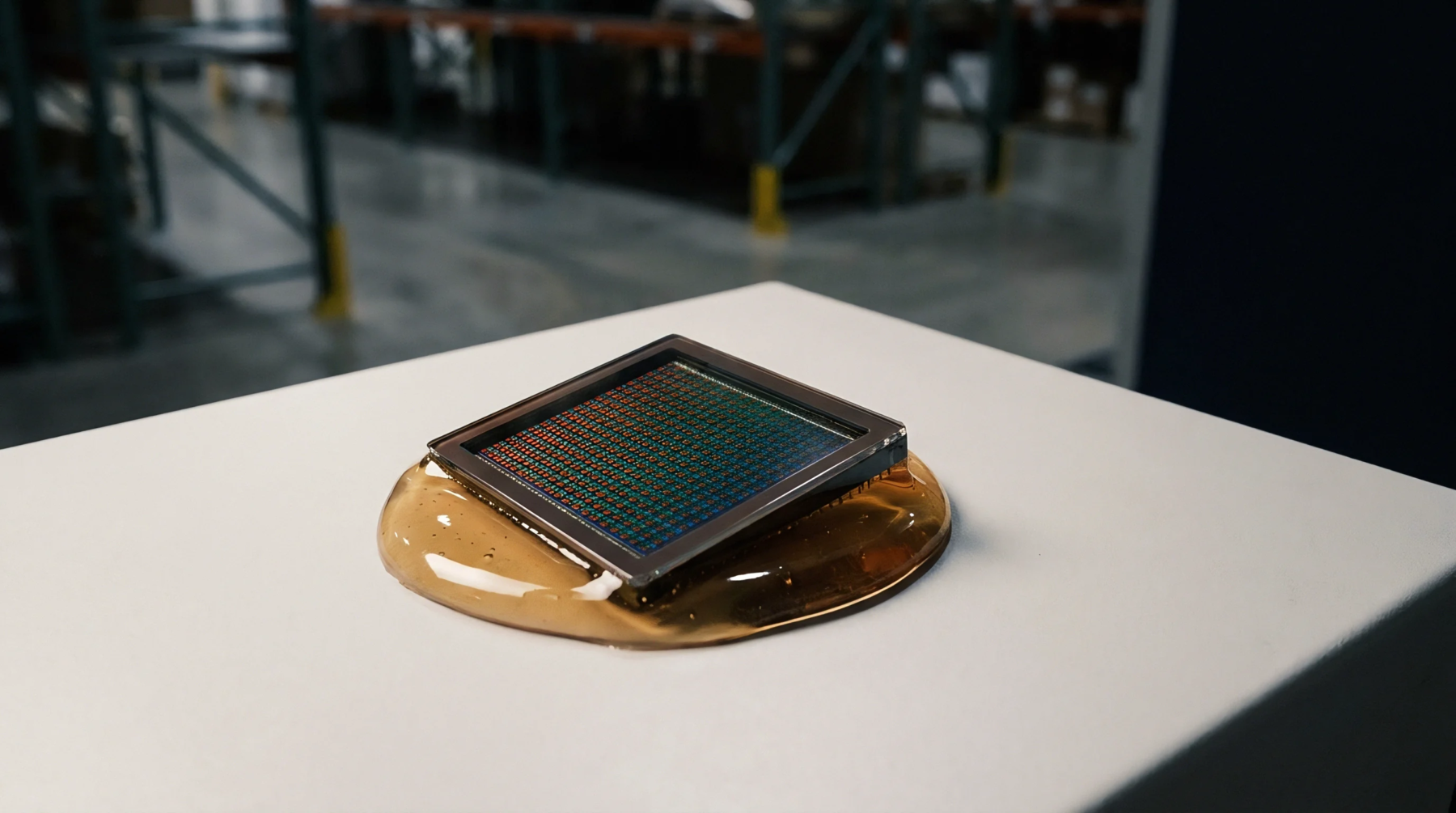
Different expansion coefficients between the silicon sensor die, the ceramic substrate, and the protective epoxy housing generate internal stress cycles during thermal transitions. When the device is heated, these materials expand at different rates, leaving residual strains that do not immediately resolve when the temperature falls back to the start point. This residual stress alters the piezo-resistive or capacitive properties of the sensor, causing a shift in the output signal.
Error Calibration
Multi-point temperature calibration can compensate for predictable shifts, but the non-linear nature of the stress relaxation makes complete correction difficult. Standard datasheets specify the maximum expected drift as a percentage of the full-scale output.
Field Performance
Environmental monitoring stations require periodic recalibration to account for the gradual accumulation of stress-induced offsets over years of seasonal cycling. The calibration process is verified under stable laboratory conditions.