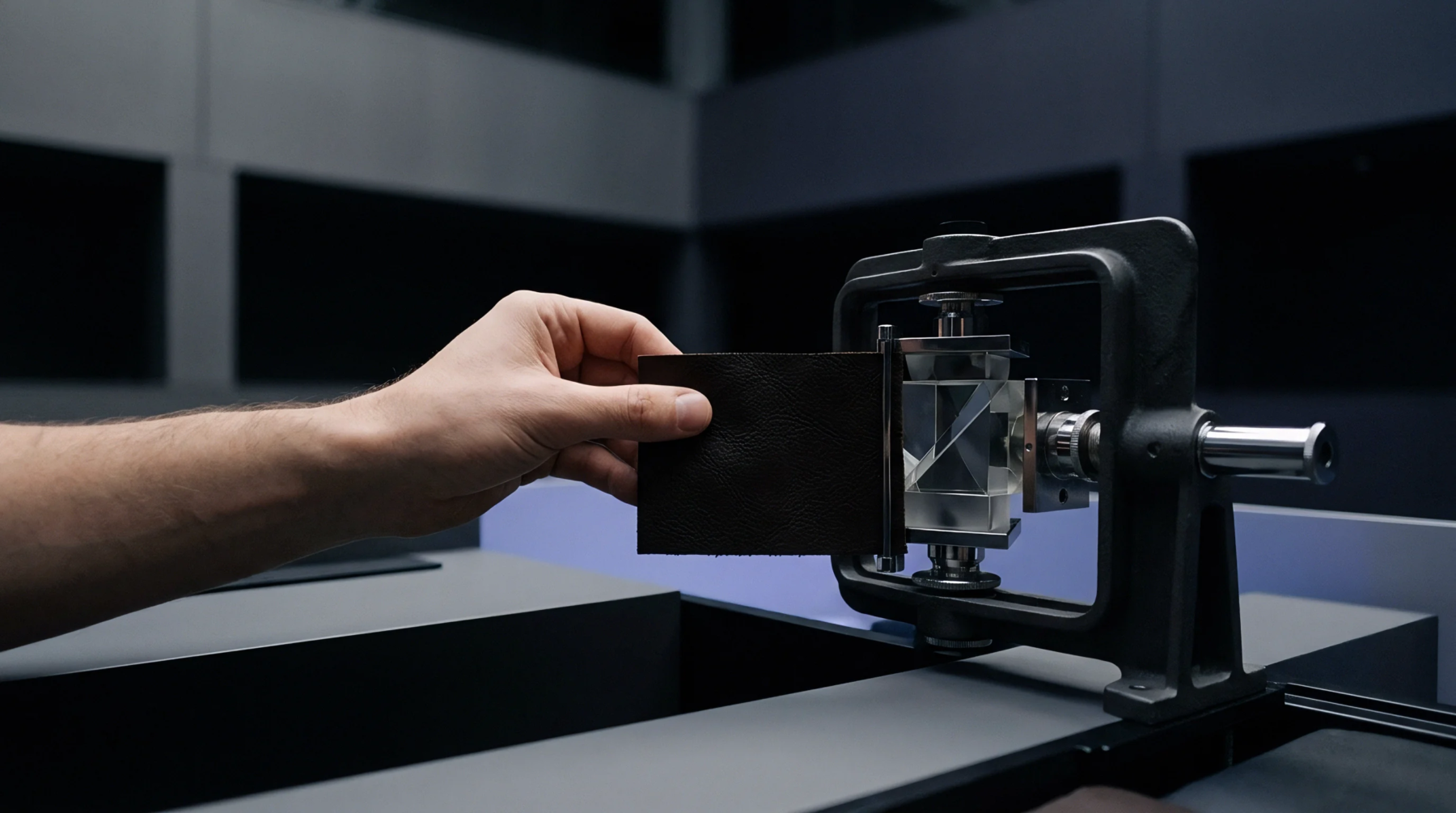
Holding Mechanism
A rigid apparatus utilizes differential air pressure to secure non-ferrous, thin-walled, or fragile substrates against a flat reference plane during machining or inspection. This vacuum chuck fixture relies on an internal pump to evacuate air from a gasketed cavity, thereby generating a downward clamping force proportional to the effective surface area and the pressure gradient. Mechanical integrity requires high-grade aluminum or steel construction to resist deflection under atmospheric load.
Flatness tolerances of the mounting surface establish the upper limit for part precision, which typically reaches the micrometer scale in high-quality systems.
Pressure Gradient
The performance of the assembly depends on the difference between atmospheric pressure and the internal chamber pressure. A vacuum chuck fixture maintains stability through a porous medium or an array of grooves that distribute suction across the workpiece footprint. Flow rates through the pump indicate potential leaks at the perimeter or porosity within the material itself.
High-performance units verify this seal via an integrated gauge that monitors pressure drops in real time.
Mounting Interface
Calibration of the base plate ensures perpendicularity relative to the machine spindle or measuring probe. Each vacuum chuck fixture connects to the distribution manifold using hardened fittings to prevent vibration-induced decoupling. Thermal expansion of the fixture material acts as a drift source that alters the reference height during long production cycles.
Regular inspection of the interface confirms that residual coolant or debris does not compromise the seating plane.
Systemic Constraint
Dynamic stability decreases as the rigidity of the substrate reaches its limits. A vacuum chuck fixture encounters a force floor defined by the product of the differential pressure and the total contact area, which limits the allowable cutting forces applied by the tool. Thin materials with high stiffness-to-weight ratios prove superior for this method of workholding.
Proper selection of the sealing cord geometry prevents premature failure under high lateral load.