
Incoming Sensor Intake Verification Methods and Baselines
Sensor intake verification validates accuracy claims, establishes zero baselines, quantifies drift, and protects yield through traceable metrology.
Sensor intake verification validates accuracy claims, establishes zero baselines, quantifies drift, and protects yield through traceable metrology.
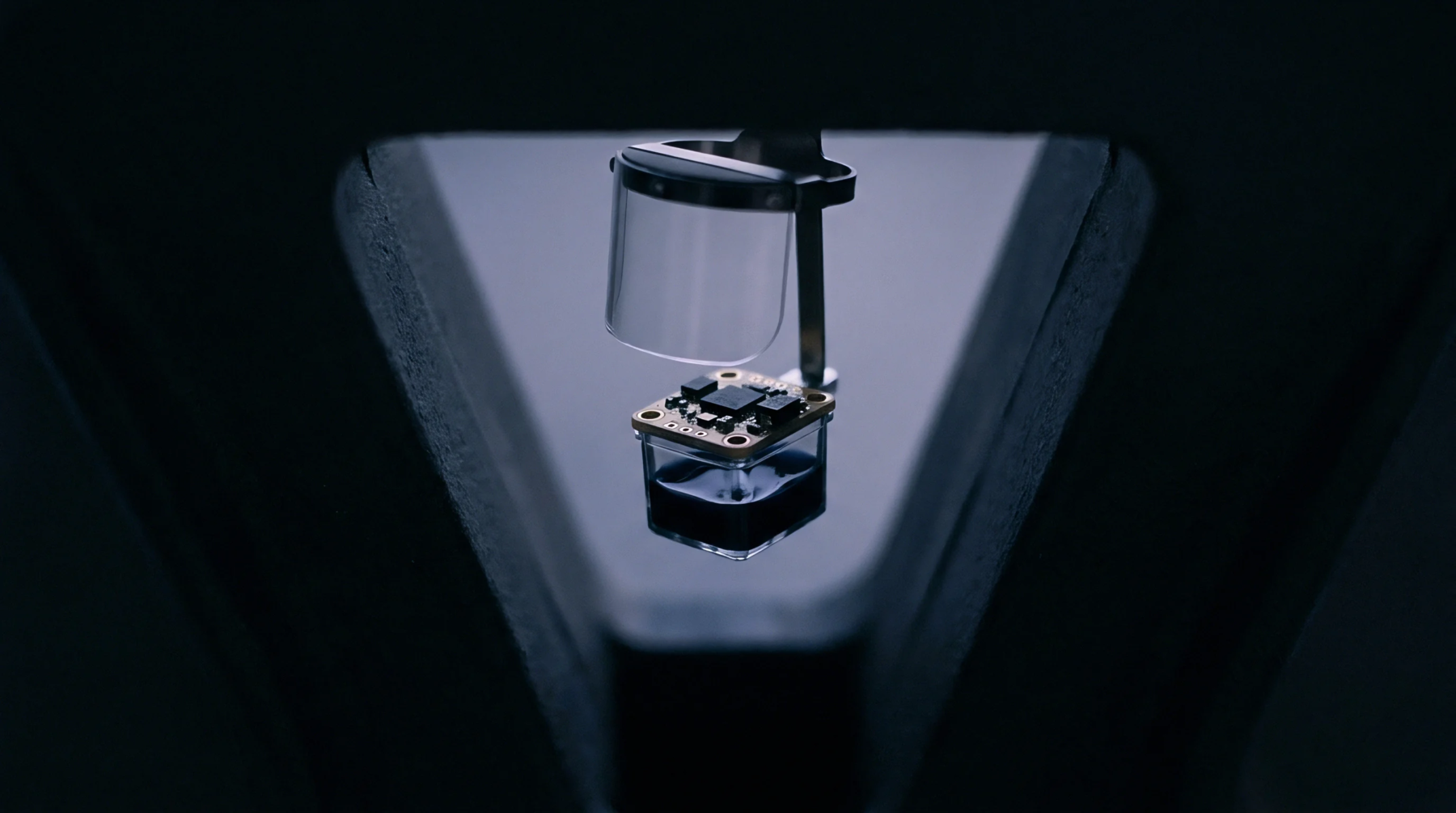
Dynamic hysteresis and moisture drift demand coupled viscoelastic-diffusion filters to preserve sensor accuracy limits within unconditioned process media.

Thermal drift compensation uses bivariate polynomial surfaces or lookup tables in embedded firmware to eliminate temperature-induced bridge offset and span errors.

Undetected metrological drift in offshore sensors requires contractual drift caps, extended audit windows, and dual-transmitter cross-validation to protect fiscal allocation.
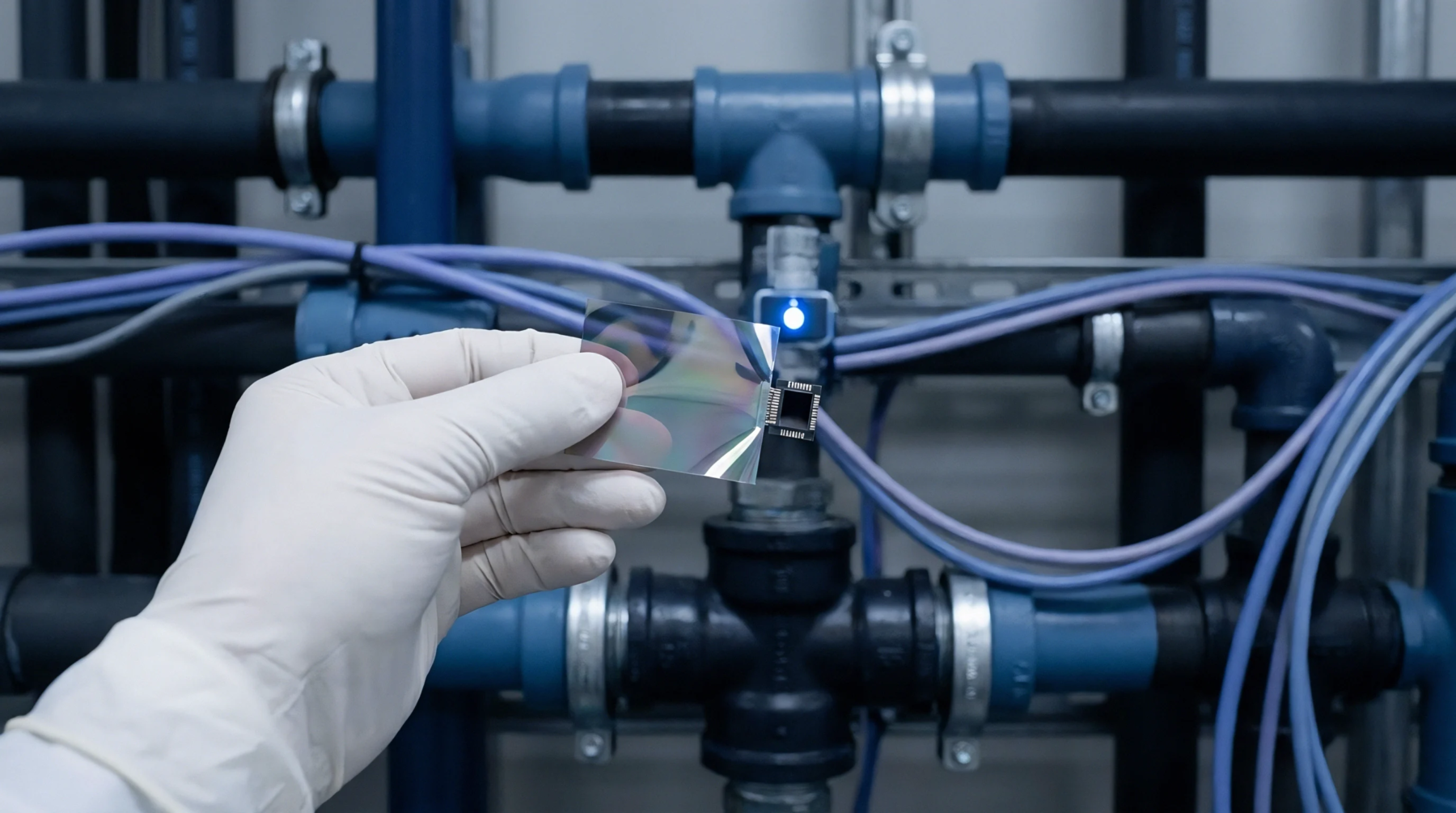
Packaging stress decay in silicon sensor dies causes continuous zero-point drift that requires thermal preconditioning bakes to stabilize long-term offset accuracy.
Micro-strain relaxation in MEMS silicon transducer die-attach and packaging interfaces causes long-term zero drift that invalidates ASIC polynomial calibration.
Expertise is a utility, not a secret. sentiention™ publishes its working knowledge as open reference: intelligence layer covering the materials it sources, the markets it enters, and the reference that serves both.