
Quadrupolar Fiber Gyroscope Bias Drift Mitigation under Transient Thermal Gradients
Quadrupolar winding cancels symmetric thermal gradients, leaving elasto-optic drift manageable via compliant potting and multi-point sensor compensation.
Quadrupolar winding cancels symmetric thermal gradients, leaving elasto-optic drift manageable via compliant potting and multi-point sensor compensation.

Finite element modeling of FOG coil thermoelastic stress vectors requires anisotropic orthotropic material matrices to capture photoelastic birefringence drift.

Non-dynamic thermo-mechanical stress drift in IFOG fiber spools originates from viscoelastic matrix hysteresis and CTE mismatch, requiring stress-state relaxation modeling beyond rate-proportional Shupe compensation during rapid thermal ramps.

Precision Allan variance characterization demands thermal soak chambers featuring sub-millikelvin temperature stability, low vibration, and zero fluid turbulence.

Extracting Allan deviation noise parameters demands fitting logarithmic asymptote slopes across discrete cluster time intervals under steady thermal conditions.

Thermal transient disturbance vectors skew inertial alignment by inducing differential expansion and thermistor lag, requiring dynamic lag-compensated matrix modeling.
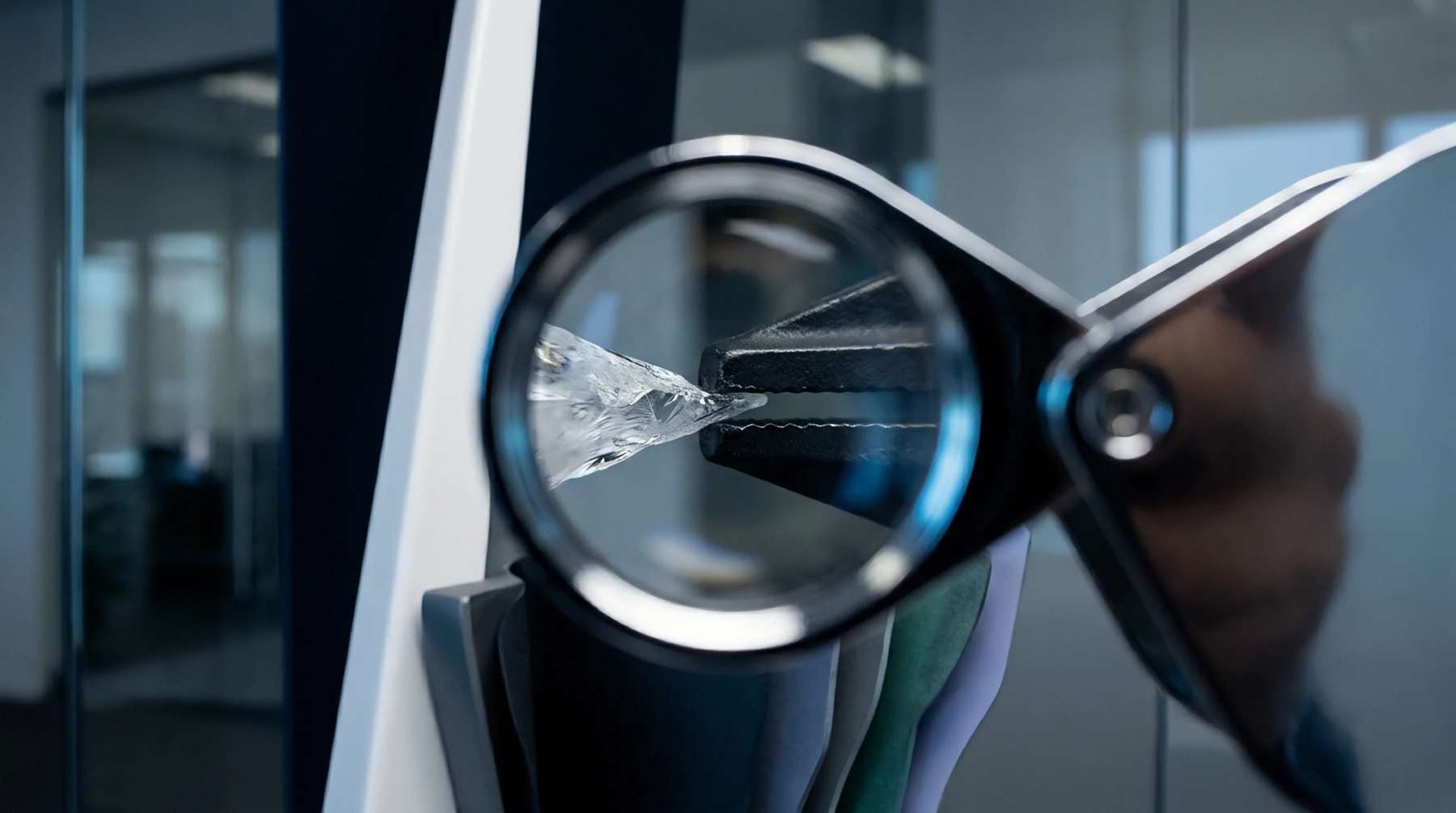
Detecting Earth rotation rate for north alignment demands gyro bias stability below 0.05 degrees per hour and accelerometer tilt correction within 0.1 mrad.

Bench Allan variance parameters convert to discrete Kalman process noise matrices by integrating state transition matrices over the sampling interval.
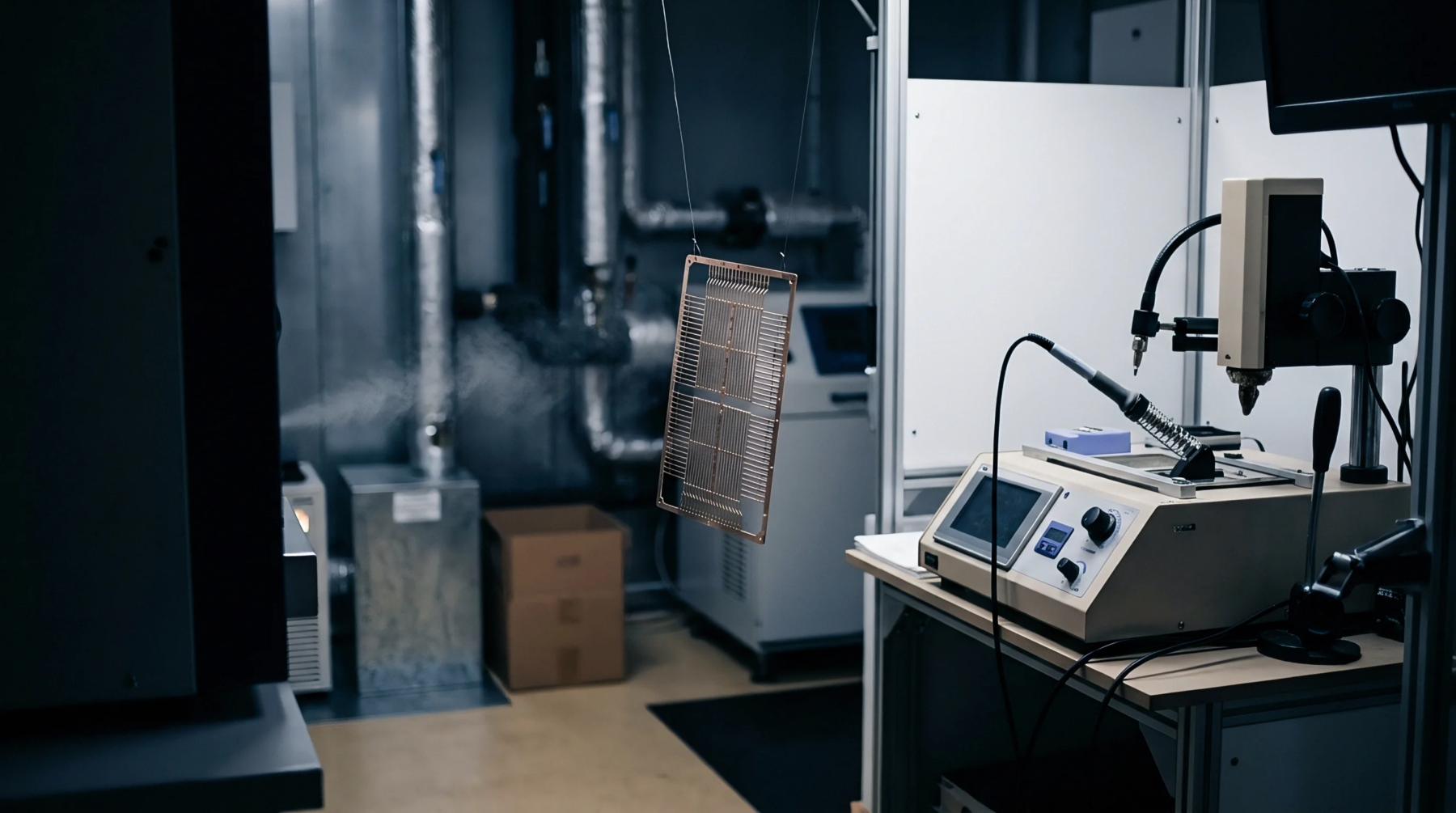
Analytical error bounds combine accelerometer bias tilt projection and latitude secant gyrocompassing equations to establish deterministic spatial uncertainty limits.
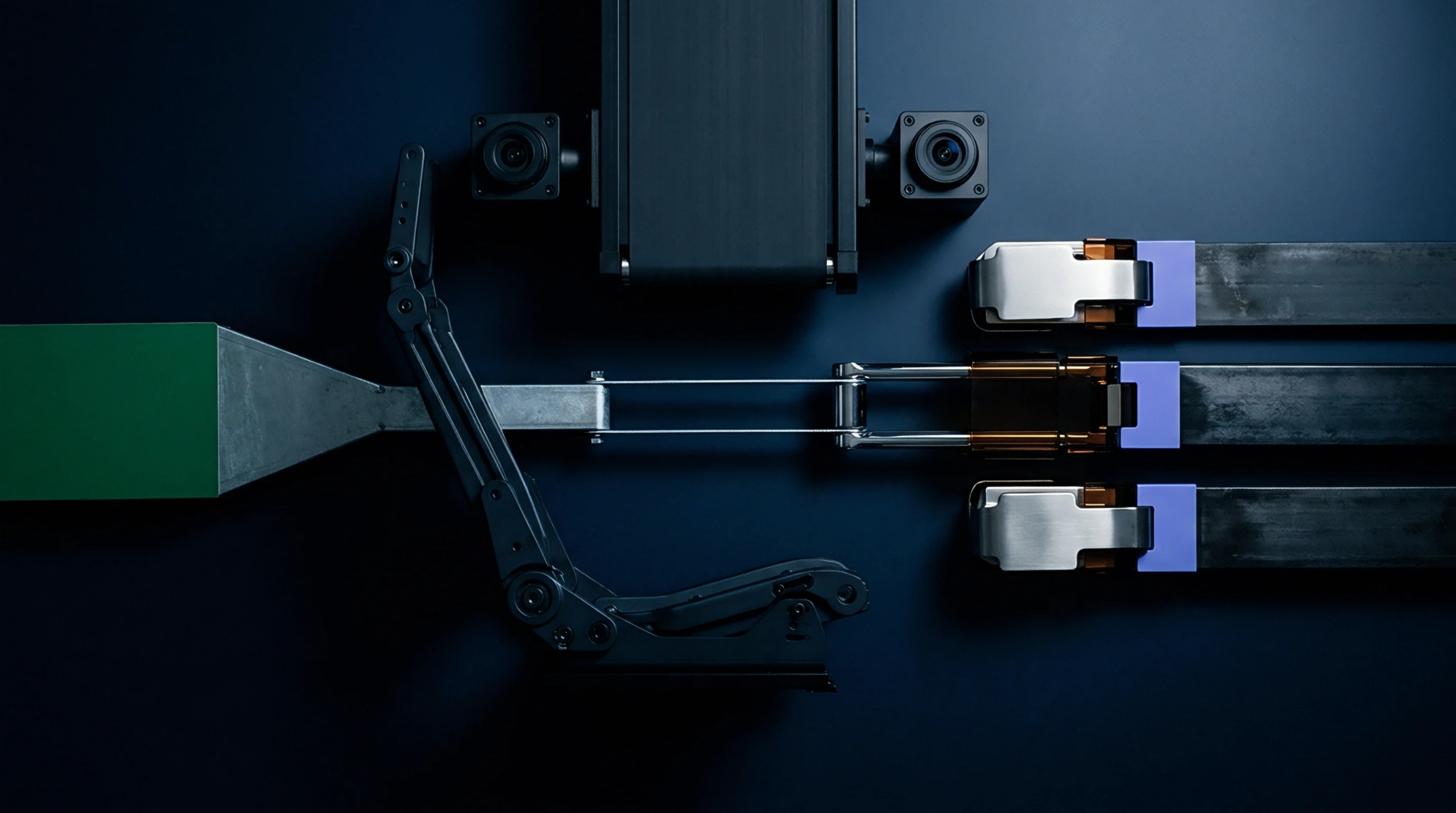
Closed loop inertial sensor Allan variance noise parameters require isolating active rebalance filter artifacts before populating discrete Kalman filter process noise matrices.
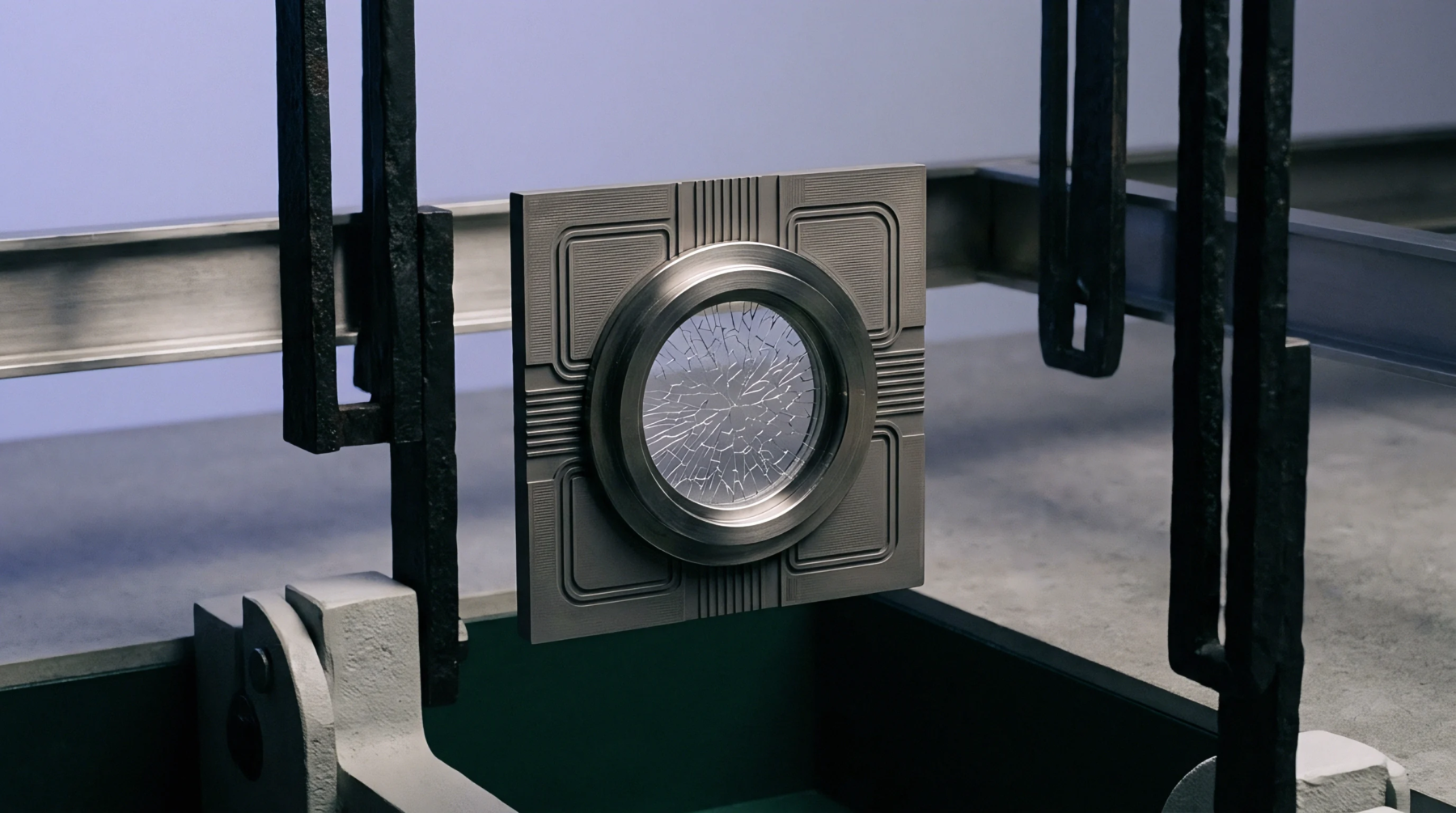
Wafer-level packaging stress relaxation induces anisoelastic stiffness drift and quadrature leakage, requiring stabilization annealing to hold tactical bias limits.

Real-time state-space thermal observers reconstruct unmeasured internal temperature gradients to eliminate dynamic bias drift in tactical MEMS IMU firmware.
Evaluating tactical IMU thermal gradient response requires measuring dynamic bias shifts during rapid thermal ramps rather than steady state isothermal soak points.

Dynamic multi-node state-space modeling eliminates transient thermal bias lag by reconstructing internal die gradients from embedded physical sensors.

Quantify gyro noise coefficients by fitting specific logarithmic slope asymptotes to overlapped Allan deviation curves gathered in thermally stabilized static rigs.

Stationary alignment extracts gravity and Earth rate vectors to initialize pitch, roll, and true north azimuth prior to unguided motion tracking.

Allan Variance bias stability metrics directly determine discrete Kalman process noise matrix entries to prevent filter divergence under non-stationary drift.

Ground alignment error bounds depend on accelerometer turn-on bias for leveling and East gyro bias stability divided by cosine latitude for heading accuracy.
Static ground alignment accuracy depends on isolating Earth rotation rate from sensor bias instability through multi-position indexing and Allan variance metrics.

Inertial dead reckoning holds only while gyroscope bias instability bounds cubic tilt divergence within allowable spatial position tolerance thresholds.

Variable sampling verification for high-rate MEMS gyroscopes optimizes lot acceptance by deriving continuous quality indices from dynamic rate table test samples.
Variable acceptance sampling under ISO 3951-1 verifies continuous MEMS IMU drift profiles while protecting production lines from latent silicon wafer defects.
Expertise is a utility, not a secret. sentiention™ publishes its working knowledge as open reference: intelligence layer covering the materials it sources, the markets it enters, and the reference that serves both.