Differential Expansion
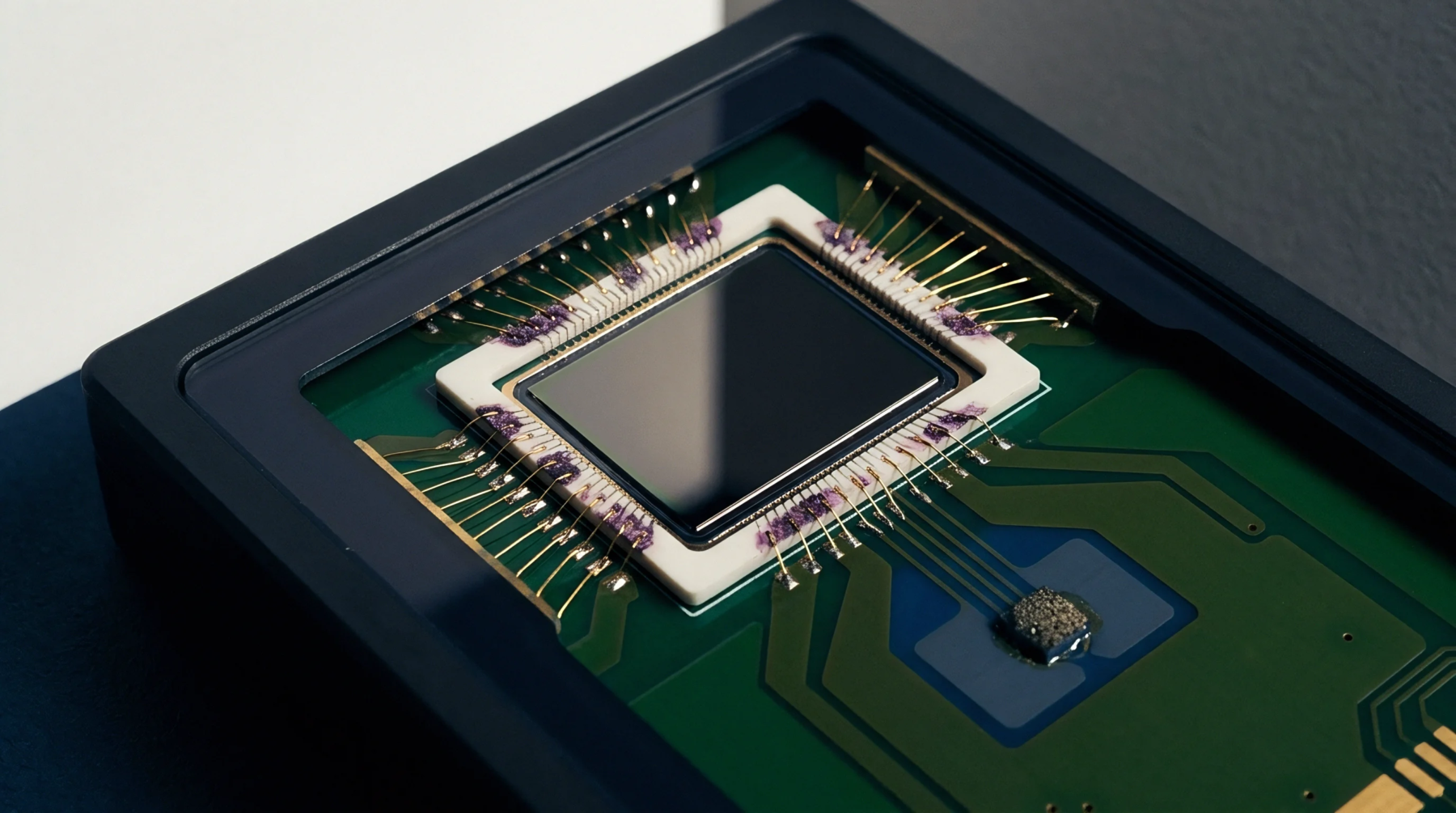
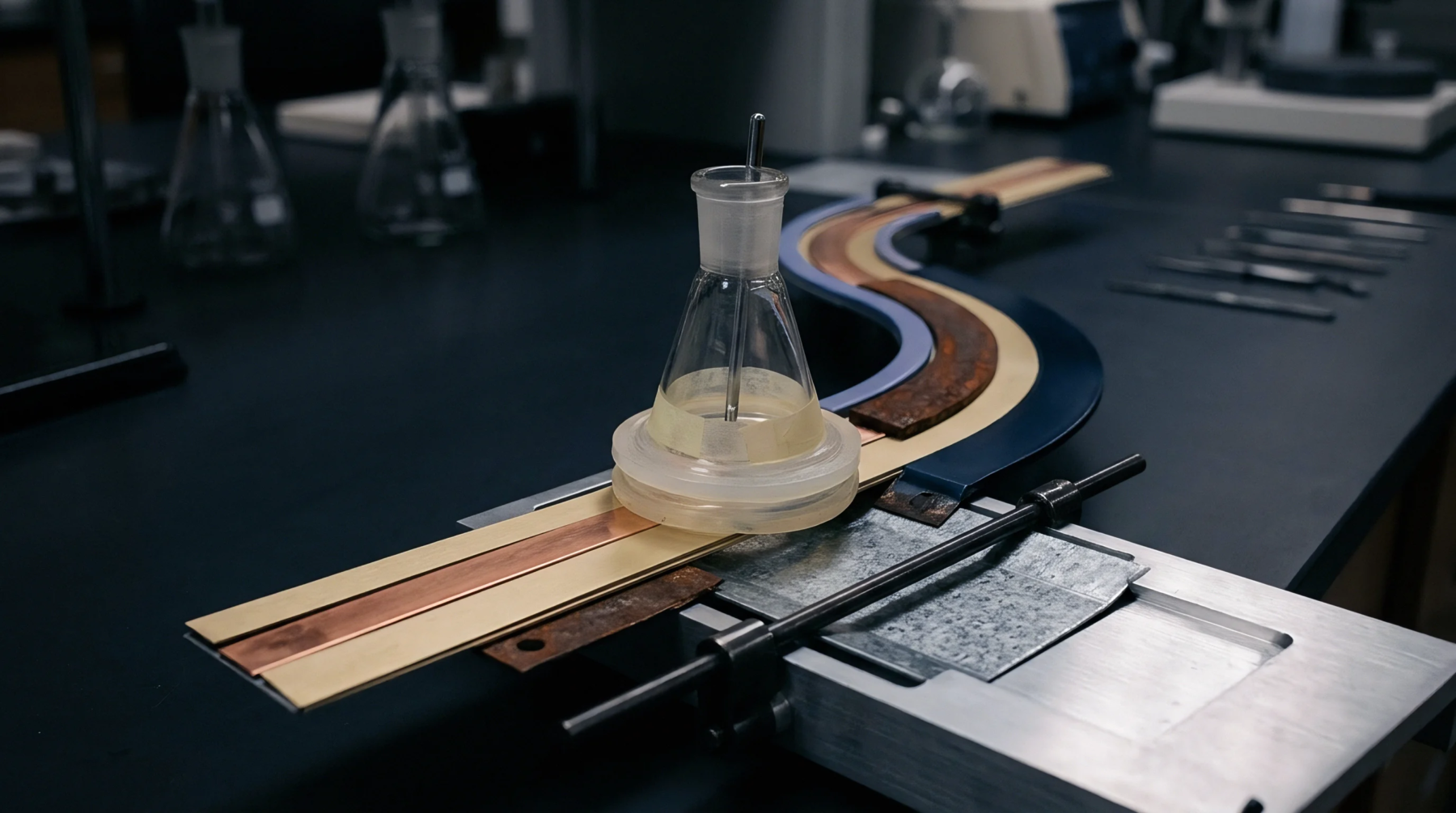
Disparity describes the physical state where joined materials undergo unequal volumetric changes in response to identical temperature shifts due to their unique linear coefficients. Thermal expansion mismatch occurs when two rigidly bonded substances possess distinct properties that cause them to displace unevenly during thermal cycling. Engineers monitor this variance to prevent structural fatigue or mechanical fractures at junctions.
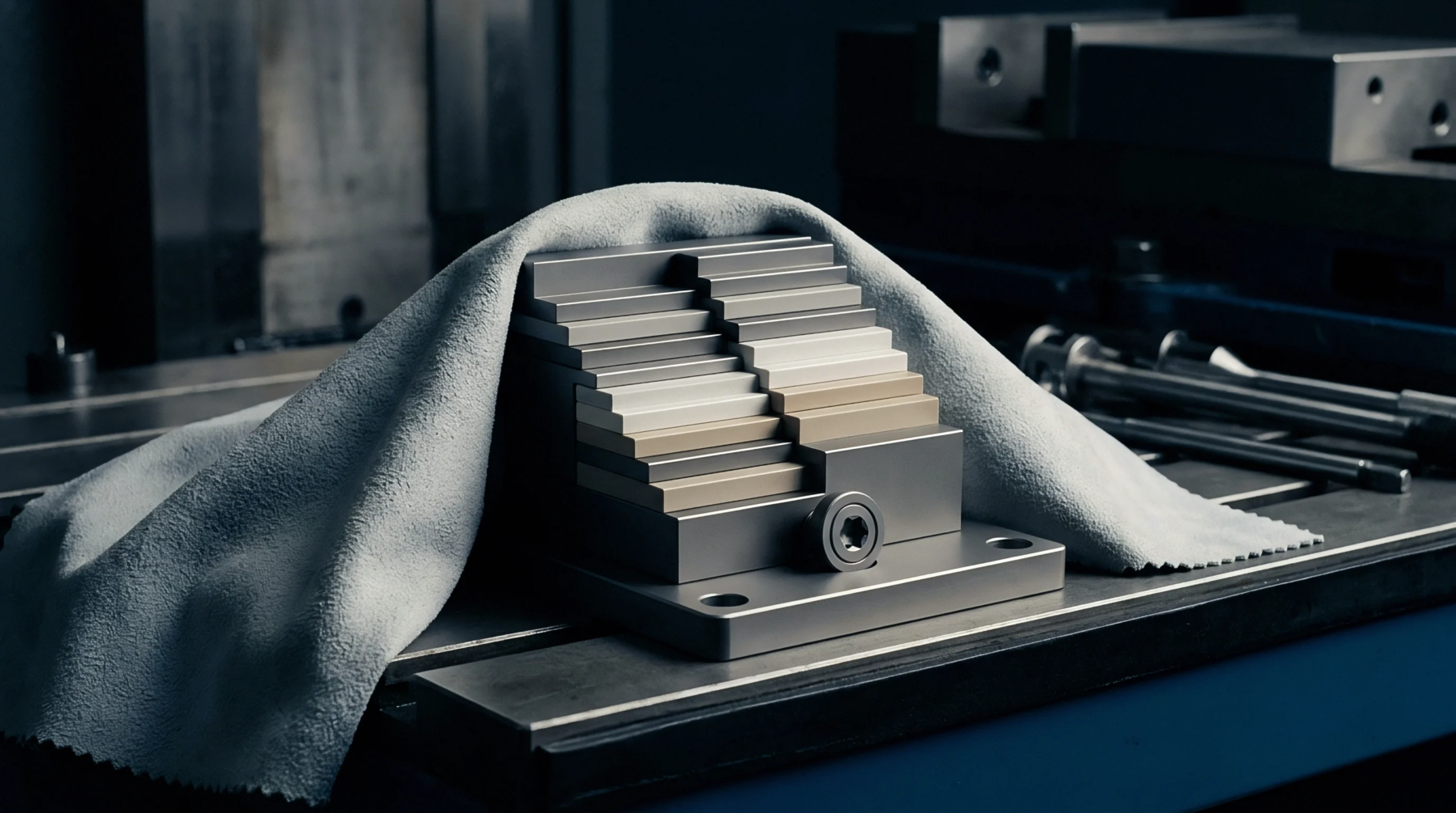
Differential movement creates shear stresses that exceed the elastic limits of bonding agents or base substrates. This phenomenon dictates the choice of adhesives and fasteners in high precision assemblies where thermal stability governs operational integrity.
Interface Stress
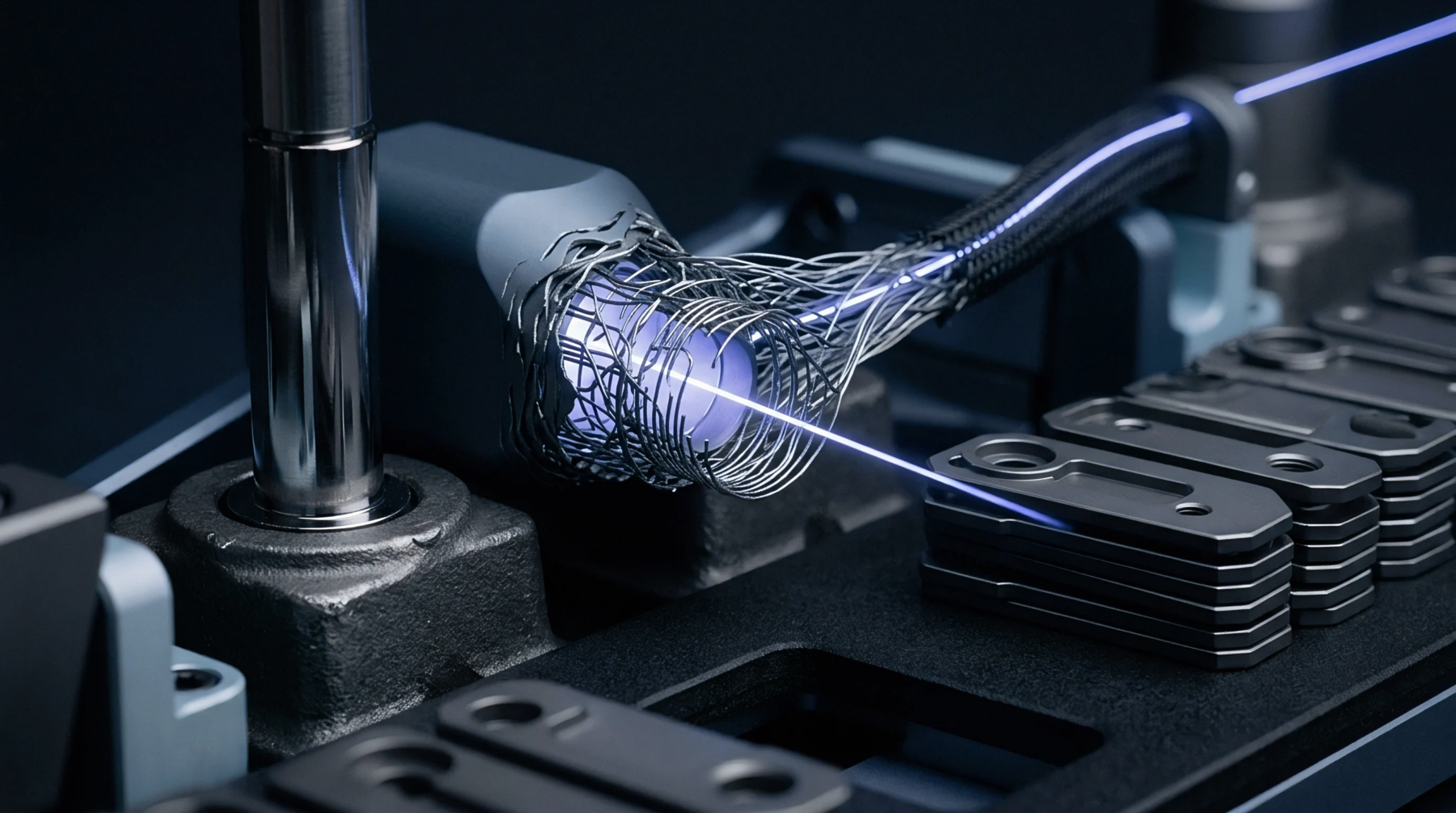
Interfacial strain develops when constrained materials force each other into geometric states incompatible with their natural expansion. Such forces peak at the perimeter of the joint where the constraint vanishes and the displacement gradient reaches maximum intensity. Designers quantify the resulting shear through finite element models that predict the fatigue life of solder joints or ceramic coatings.
Each material absorbs energy until reaching a yield point where plastic deformation or brittle cracking occurs to relieve the accumulated tension. Constant temperature fluctuations accelerate the degradation of these boundaries by fatigue accumulation during every heating and cooling cycle. Reliable prediction requires characterization of the local elastic modulus and the temperature range encountered during standard service.
Calibration Drift
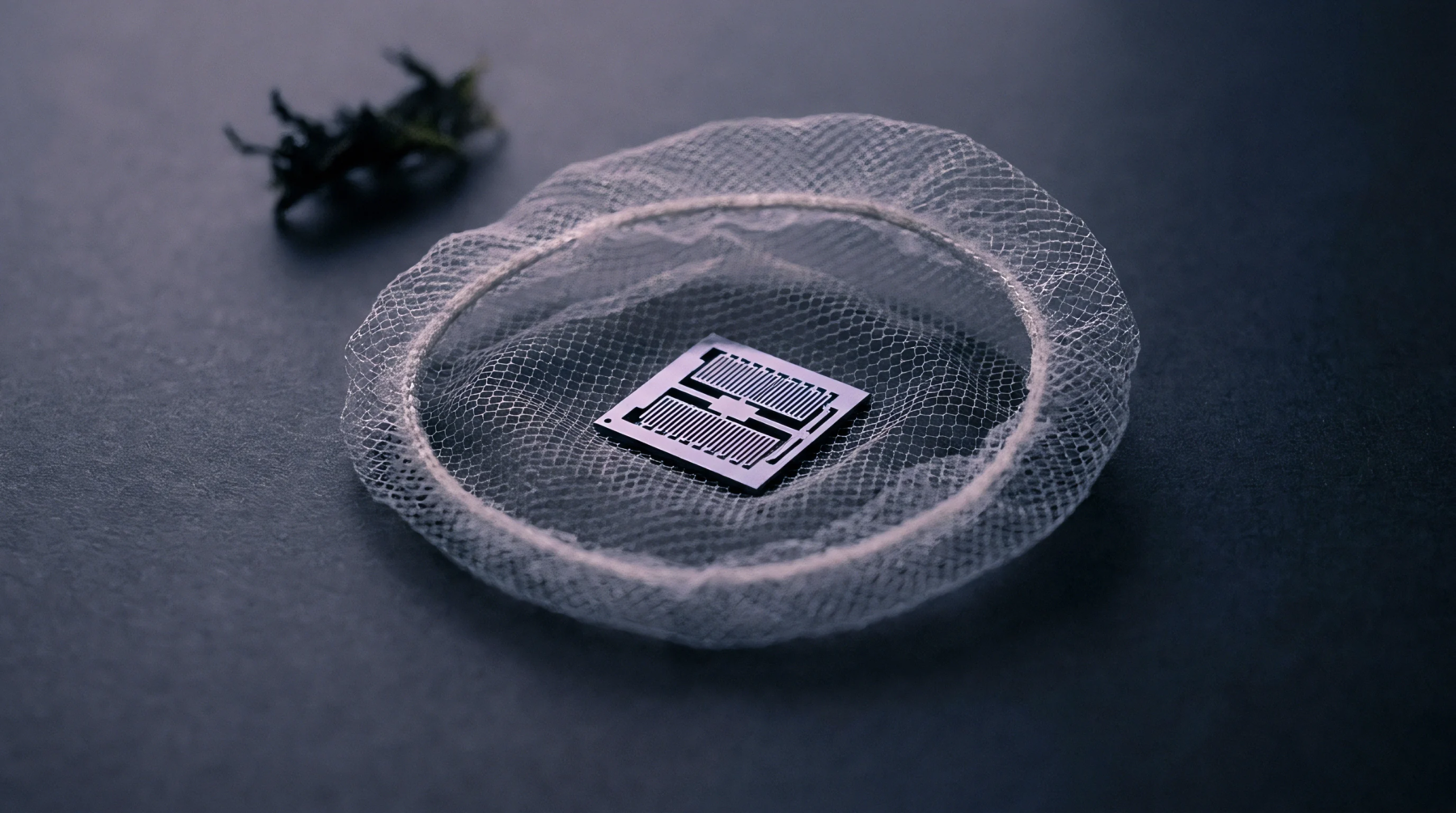
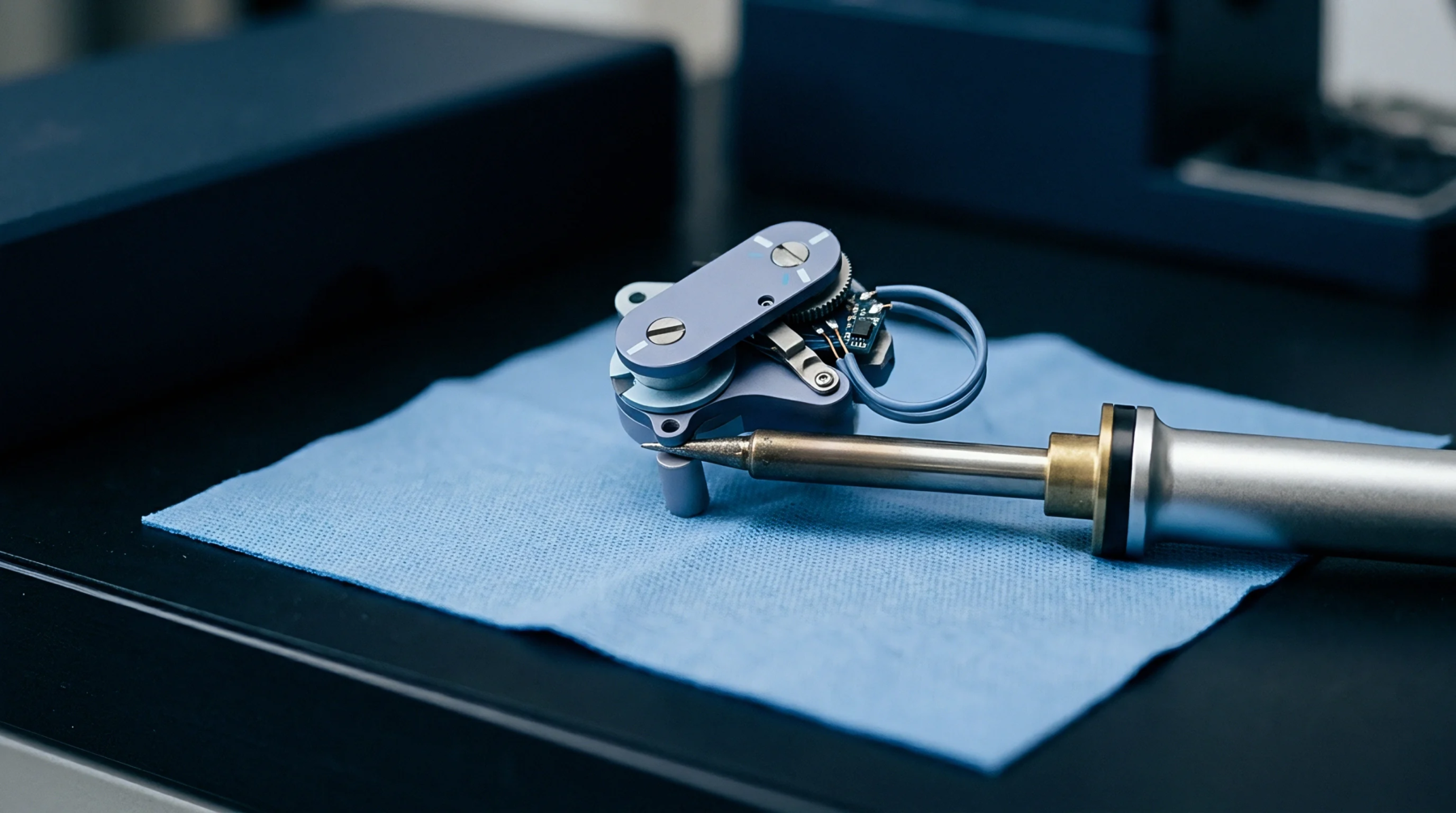
Metrological accuracy diminishes when expansion variations induce micro-strains on electronic sensors mounted to rigid substrates. Sensing elements exhibit measurement bias if the underlying frame expands at a rate different from the component itself. Transducer packages minimize this error by utilizing low expansion alloys or compensating circuitry that balances the shift through passive feedback.
Calibration labs verify the linearity of output signals across specified temperature spans to isolate the contribution of the frame from the intended signal of the sensor. Variations in mounting torque or environmental control settings influence how these internal tensions shift the zero point and gain of the measurement chain. Accurate correction requires an empirical mapping of the drift curve against known temperature references in a controlled chamber.
Manufacturing Constraint
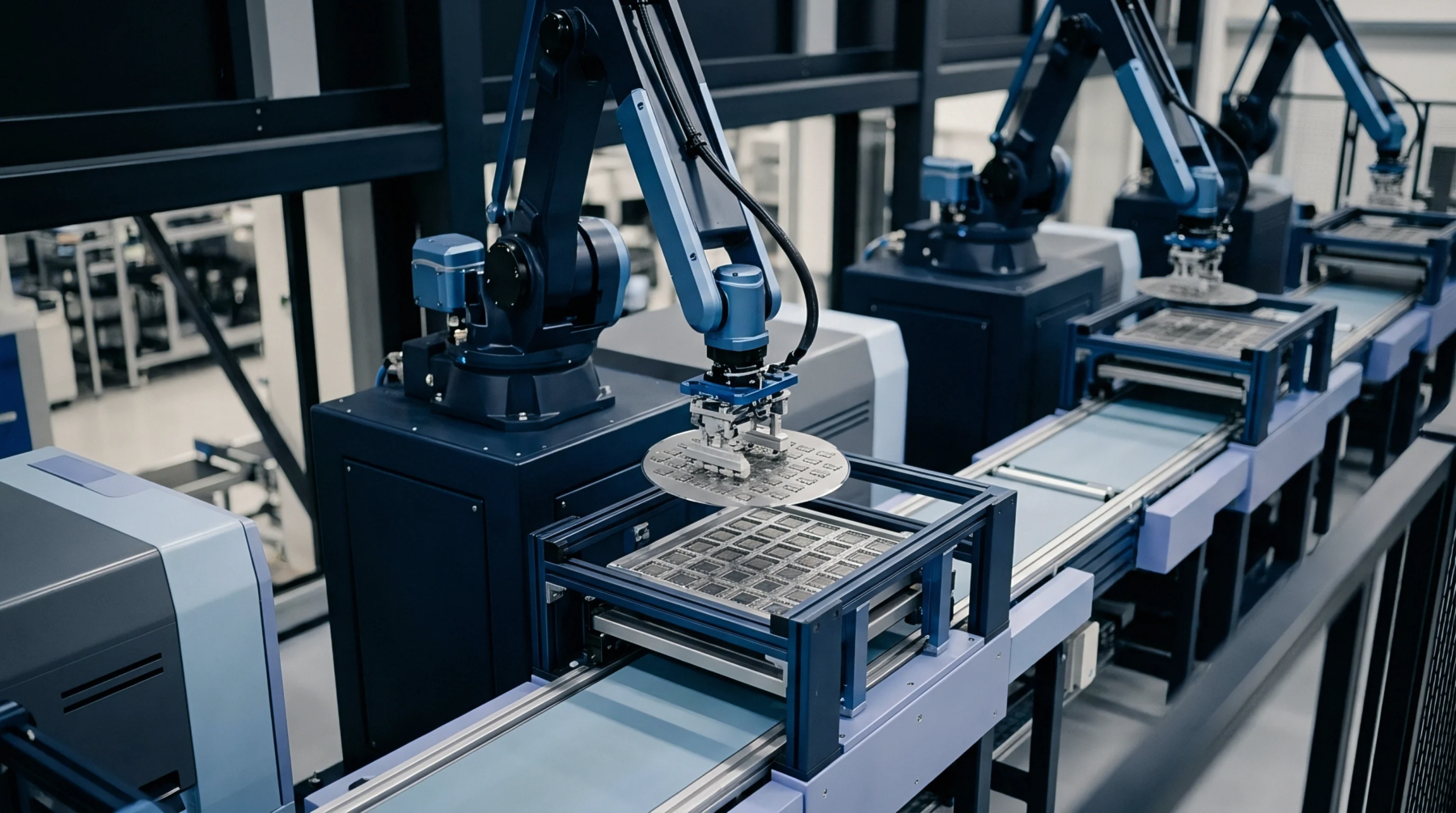
Fabrication procedures select materials based on their compatibility to ensure that parts maintain structural cohesion under environmental load. Producers reduce potential failure by matching thermal coefficients through the inclusion of filler particles or the deposition of buffer layers. Process engineers verify the stability of these assemblies by subjecting test samples to accelerated thermal shock tests that simulate lifetime exposure.
Successful bonding depends upon the ability of the interface to accommodate small deviations without reaching the point of separation. Long term performance relies on the careful management of the boundary conditions established during the initial curing or sintering phase of construction. Persistent interfacial integrity constitutes the standard by which the durability of such composite architectures is verified.