
Calculating Burn in Duration to Attenuate Non Linear Sensor Aging
Calculate sensor burn-in time by dividing equivalent operating hours at the infant drift inflection point by the temperature-derived Arrhenius acceleration factor.
Calculate sensor burn-in time by dividing equivalent operating hours at the infant drift inflection point by the temperature-derived Arrhenius acceleration factor.
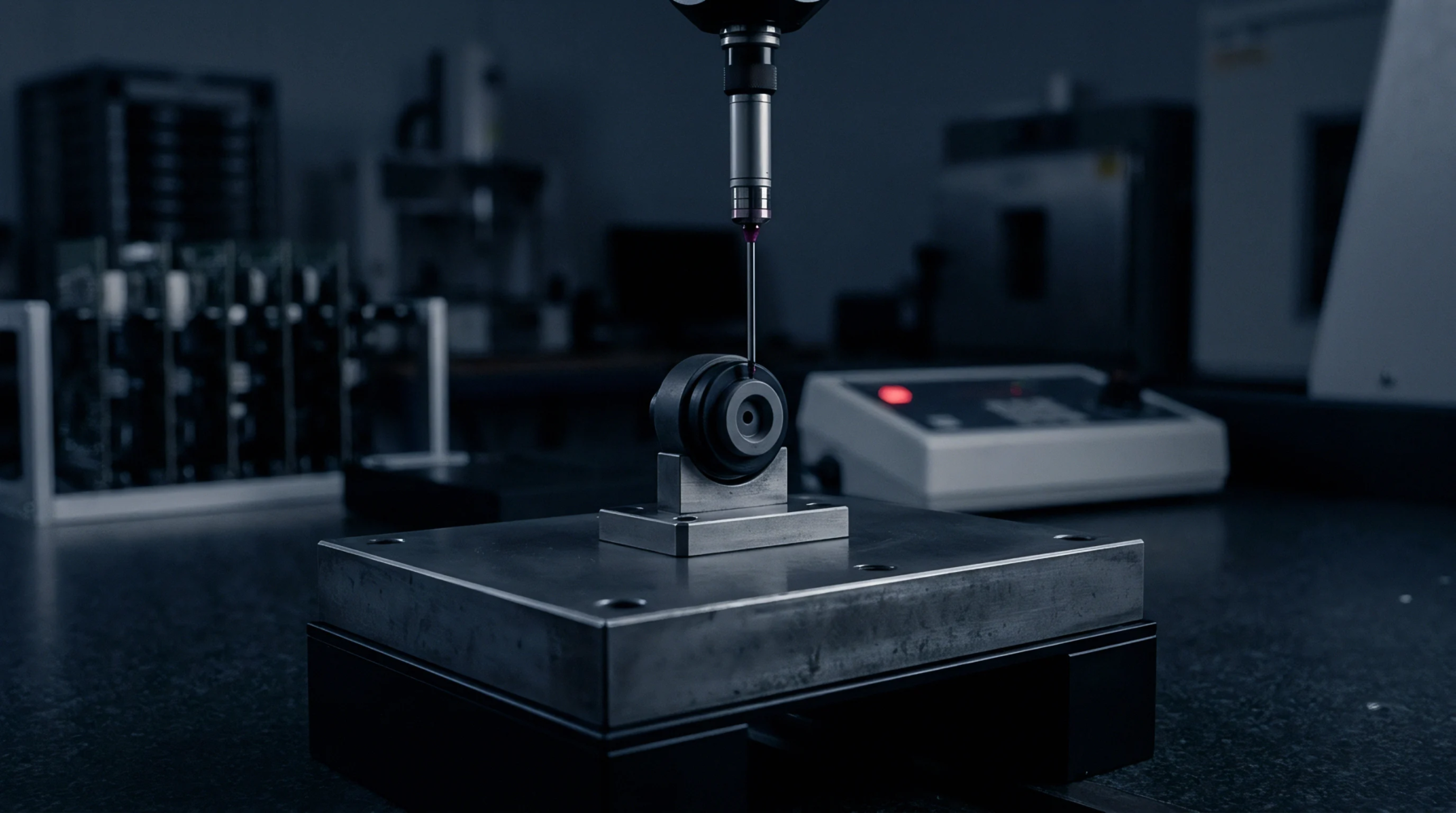
Submicroliter cavity stability under cryogenic cycling depends on managing fluid volumetric contraction to prevent diaphragm bucking and zero drift.
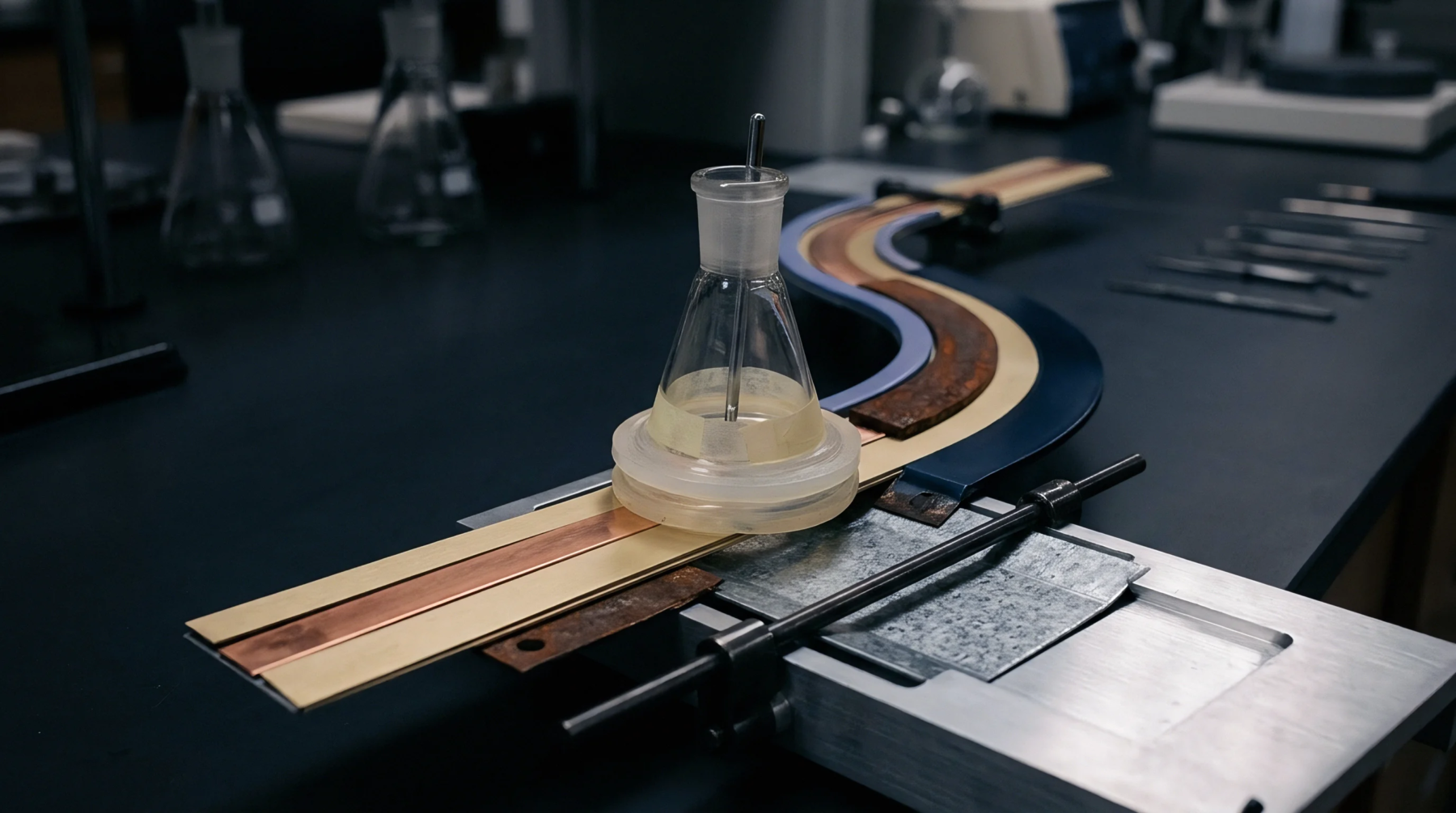
Prony series modeling converts polymer relaxation data into actionable sensor zero-drift predictions, isolating packaging strain from true physical signals.

Encapsulated piezoresistive sensor zero drift under cyclic humidity stems from encapsulant swelling strain and viscoelastic creep, requiring Parylene passivation or oil isolation to hold long-term accuracy.

Managing sputtered interlayer stress prevents sensor delamination and holds zero-point strain gauge drift below zero point five percent at nine hundred degrees Celsius.
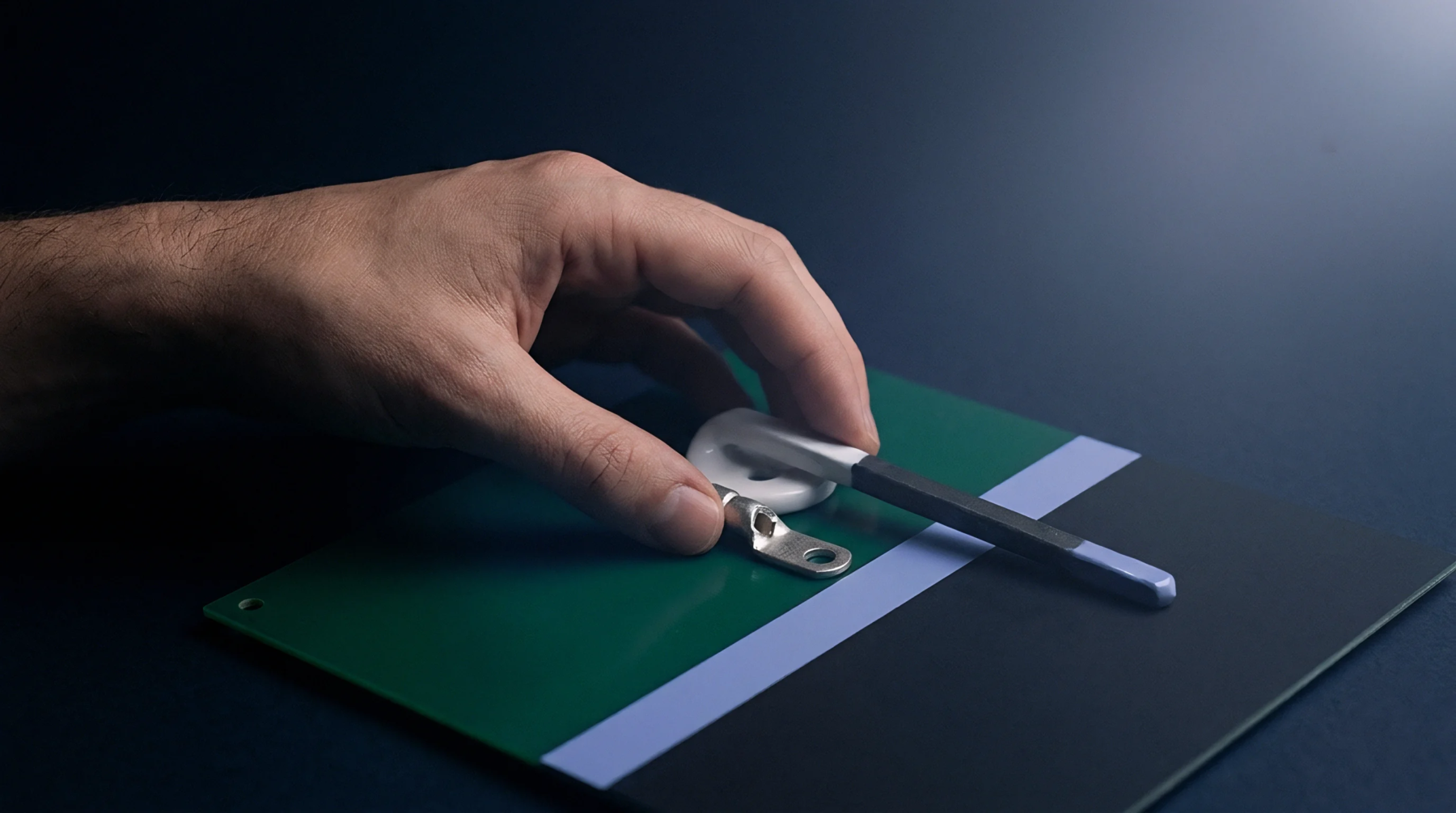
Thermal zero drift calibration of piezoresistive pressure transducers requires precise thermal soak equilibrium, bridge resistance thermometrics, and low-order polynomial matrix surface fitting to achieve residual zero offset errors below 0.05 percent of full-scale output across broad operating temperatures.

Minimizing fluid volume below five microliters and matching diaphragm spring rate eliminates thermal zero shift in isolated piezoresistive pressure cells.

Incoming transducer lot qualification demands static thermal dwell saturation mapped against spatial chamber gradients to prevent false acceptance of drifting lots.
Expertise is a utility, not a secret. sentiention™ publishes its working knowledge as open reference: intelligence layer covering the materials it sources, the markets it enters, and the reference that serves both.