Material Behavior
Mechanical physical properties describe materials that exhibit both viscous and elastic characteristics when undergoing mechanical deformation under applied forces. Viscoelasticity causes polymers, potting compounds and structural adhesives to display time-dependent strain rates and energy dissipation under dynamic loading conditions. Boundary limits differentiate viscoelastic behavior from purely elastic Hookean solids and purely viscous Newtonian fluids.
Strain Response
Instantaneous mechanical stress induces an immediate elastic strain response followed by a delayed viscous creep deformation over extended temporal periods. Removing the applied load results in incomplete immediate recovery followed by slow, time-dependent stress relaxation within the material matrix.
Damping Performance
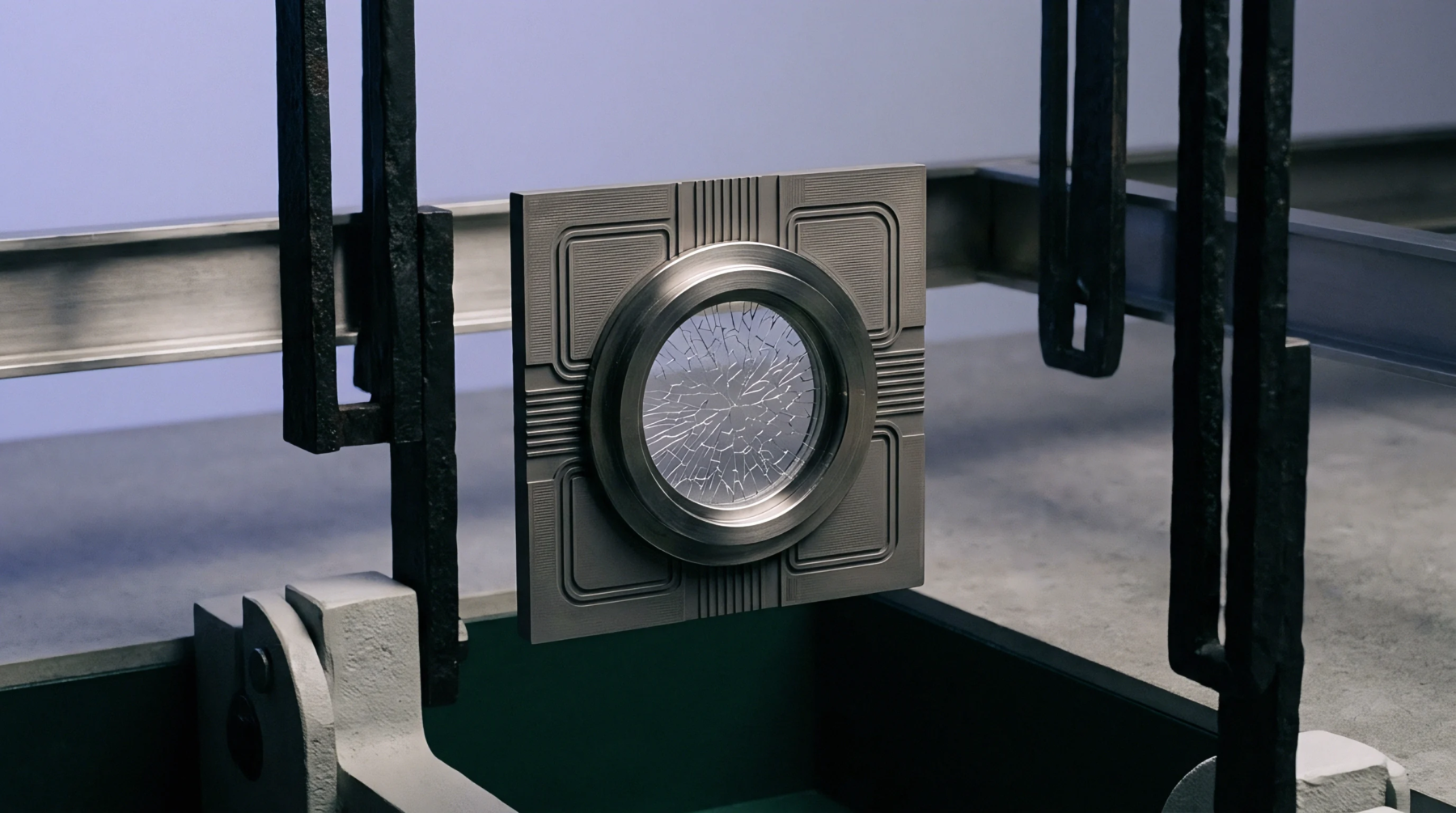
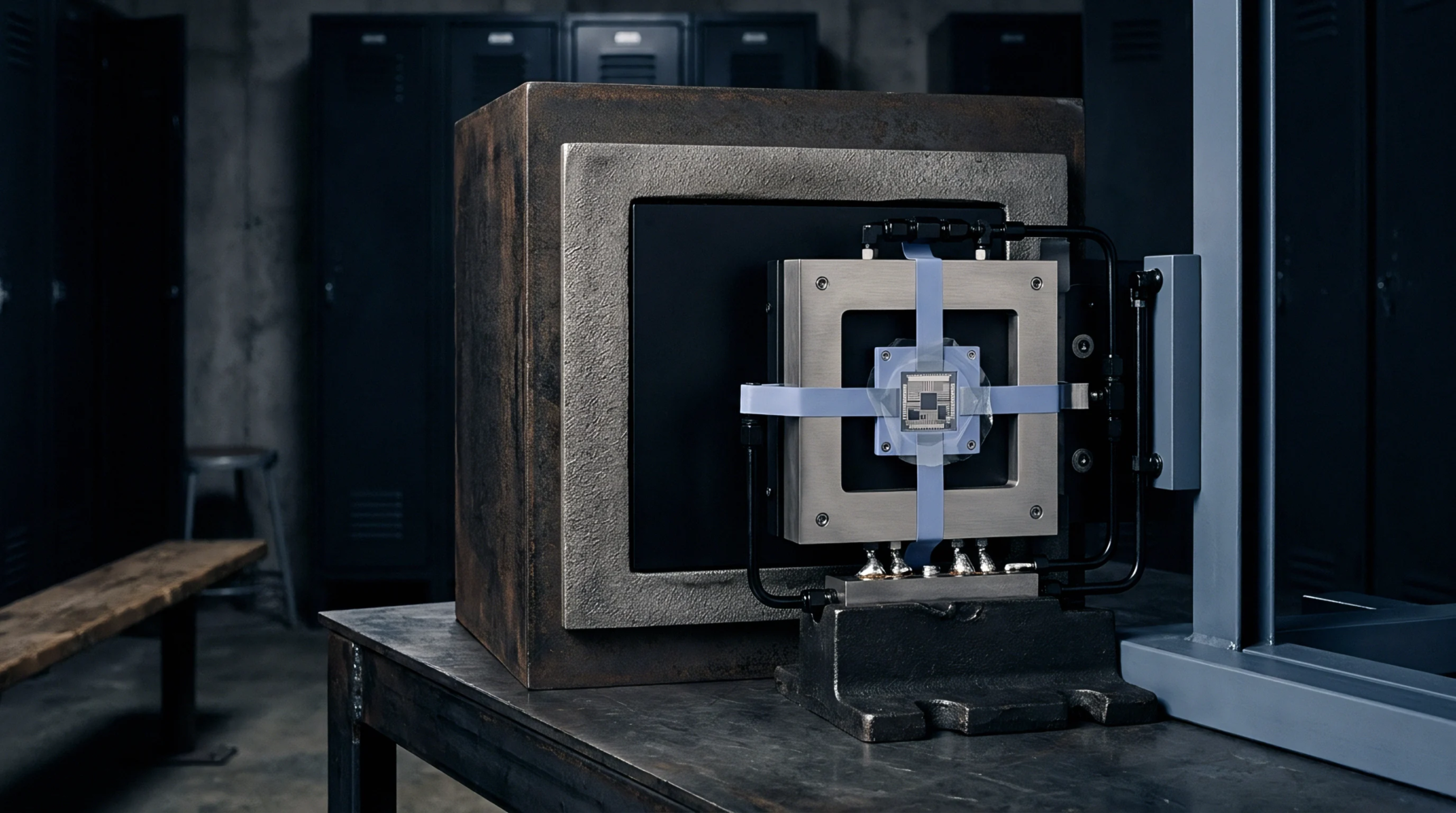
Temperature variations alter the loss modulus and storage modulus ratios of potting compounds, shifting mechanical dampening effectiveness across operational environments. Vibration damping isolation pads rely on internal viscous losses to convert acoustic and mechanical shock energy into harmless thermal energy. When electronic assemblies face dynamic thermal expansion stress, viscoelastic potting materials absorb differential expansion forces without cracking delicate glass sensors.
Temperature extreme glass transition thresholds dictate where materials shift from flexible elastomeric states into brittle glassy structures. Structural engineers model temperature-dependent complex moduli to ensure long-term mechanical reliability of encapsulated sensor assemblies.
Rheological Verification
Dynamic mechanical analysis instruments characterize storage modulus, loss modulus and phase angle tan delta across wide frequency and temperature ranges. Test reports provide master curves using time-temperature superposition principles to predict long-term material deformation.