
Boron Doped Silicon Piezoresistor Displacement Damage Characterization
Boron-doped silicon piezoresistors lose sensitivity and gain resistance under displacement radiation via Watkins replacement carrier removal and band-shift loss.
Boron-doped silicon piezoresistors lose sensitivity and gain resistance under displacement radiation via Watkins replacement carrier removal and band-shift loss.

A four-node Cauer RC matrix tracks transient internal gradients, eliminating thermal substrate offset drift in sub-millisecond optical pyrometry.

Modulating thermopiles past their thermal corner frequency attenuates Seebeck output by over twenty decibels per decade, demanding low-conductance cavity gases.

Membrane heat capacity and enclosure gas conductivity set the upper modulation frequency limit and optical power output of pulsed infrared emitters in NDIR sensors.

Longitudinal hydroxyl poisoning on tungsten trioxide films is governed by logarithmic Elovich kinetics, reversible only via thermal pulsing above 380 degrees Celsius.

Dynamic thermal modulation extracts orthogonal kinetic descriptors from polycrystalline sensing arrays, enabling regularized inversion of cross-sensitivity.

Oxygen ionosorption establishes an intergranular depletion barrier in metal oxide films, producing exponential baseline shifts from thermal and ambient moisture variations.
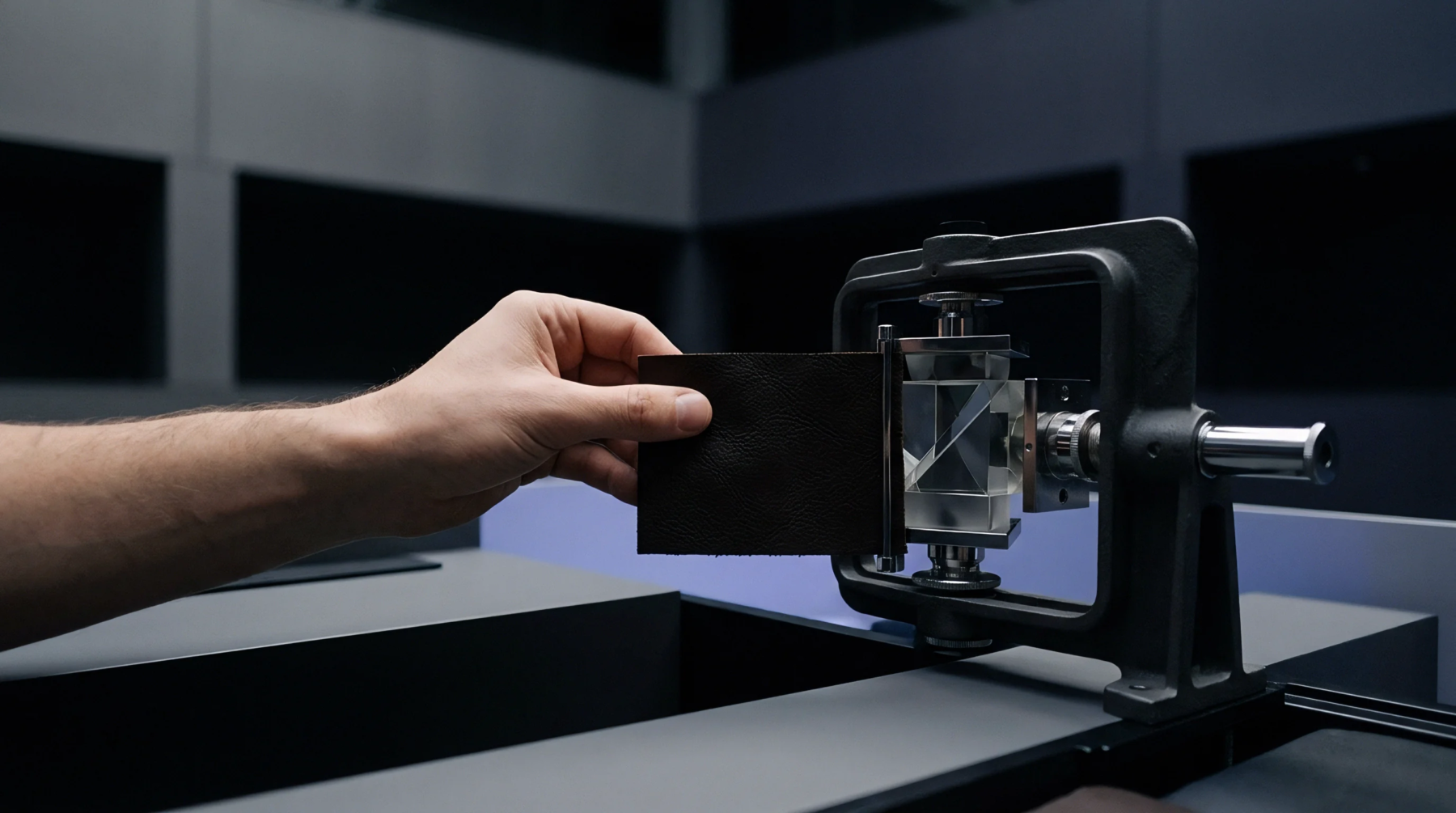
Acid vapor accelerates siloxane anchor hydrolysis and capillary blister peel, requiring ALD barrier interlayers to preserve cavity ring-down finesse.

Droplet scattering and liquid absorption degrade mirror reflectance unevenly across wavelengths, driving differential optical baseline ratio drift.

Humidity cross-sensitivity in NDIR sensors stems from direct 4.26-micrometer water absorption lines, collision broadening, and condensation scatter on cavity mirrors.

Polymer die-attach moisture uptake and viscoelastic stress relaxation drive submicron optical drift, demanding tight fillet controls or eutectic metallurgy.

Dynamic mechanical analysis measures time-dependent compliance spectra to predict multi-year creep strain and joint fatigue in semiconductor packaging polymers.
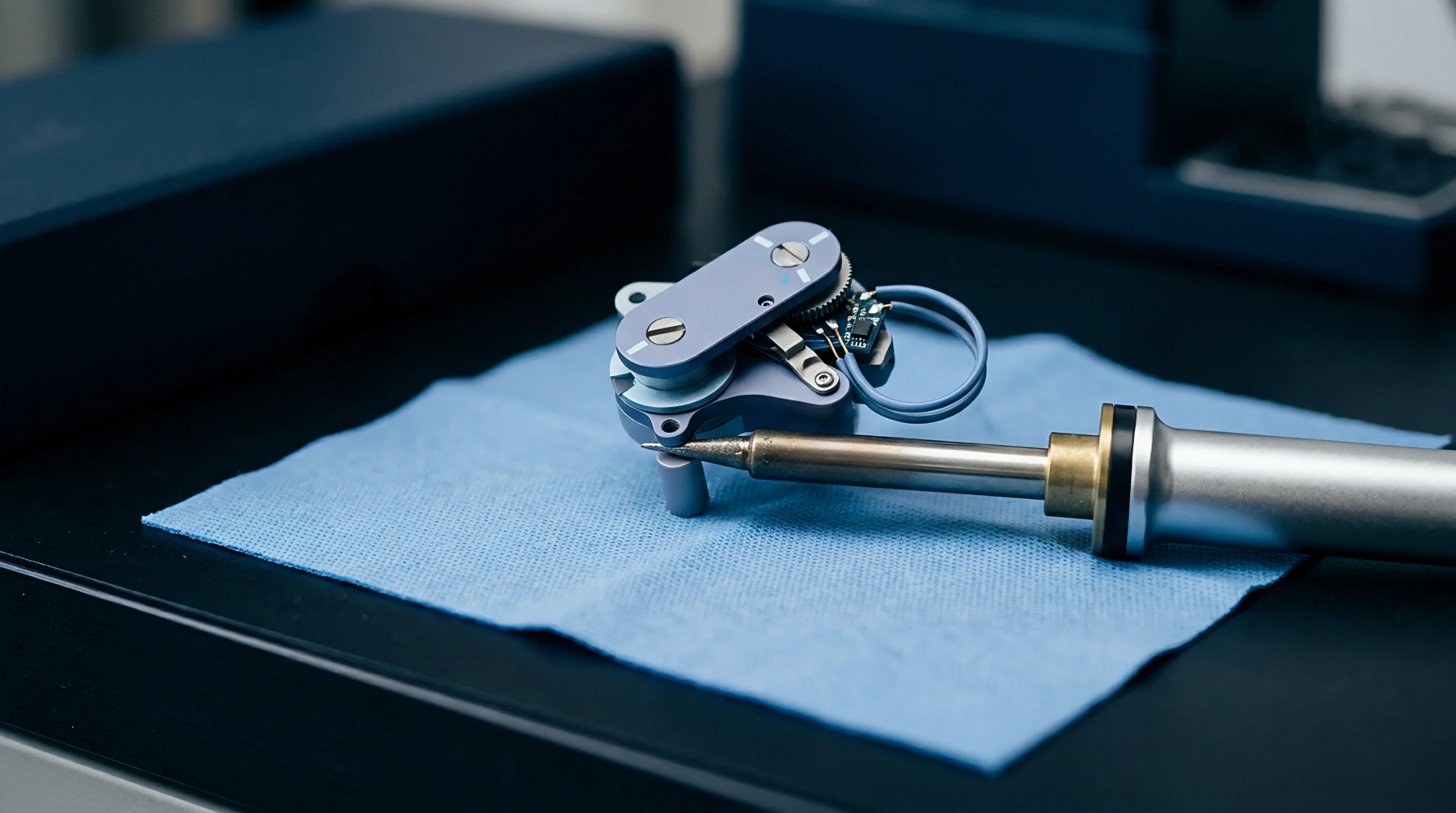
Crosslink density controls die attach modulus, glass transition, and interfacial shear stress, dictating thermal cycle fatigue life in microelectronic packages.
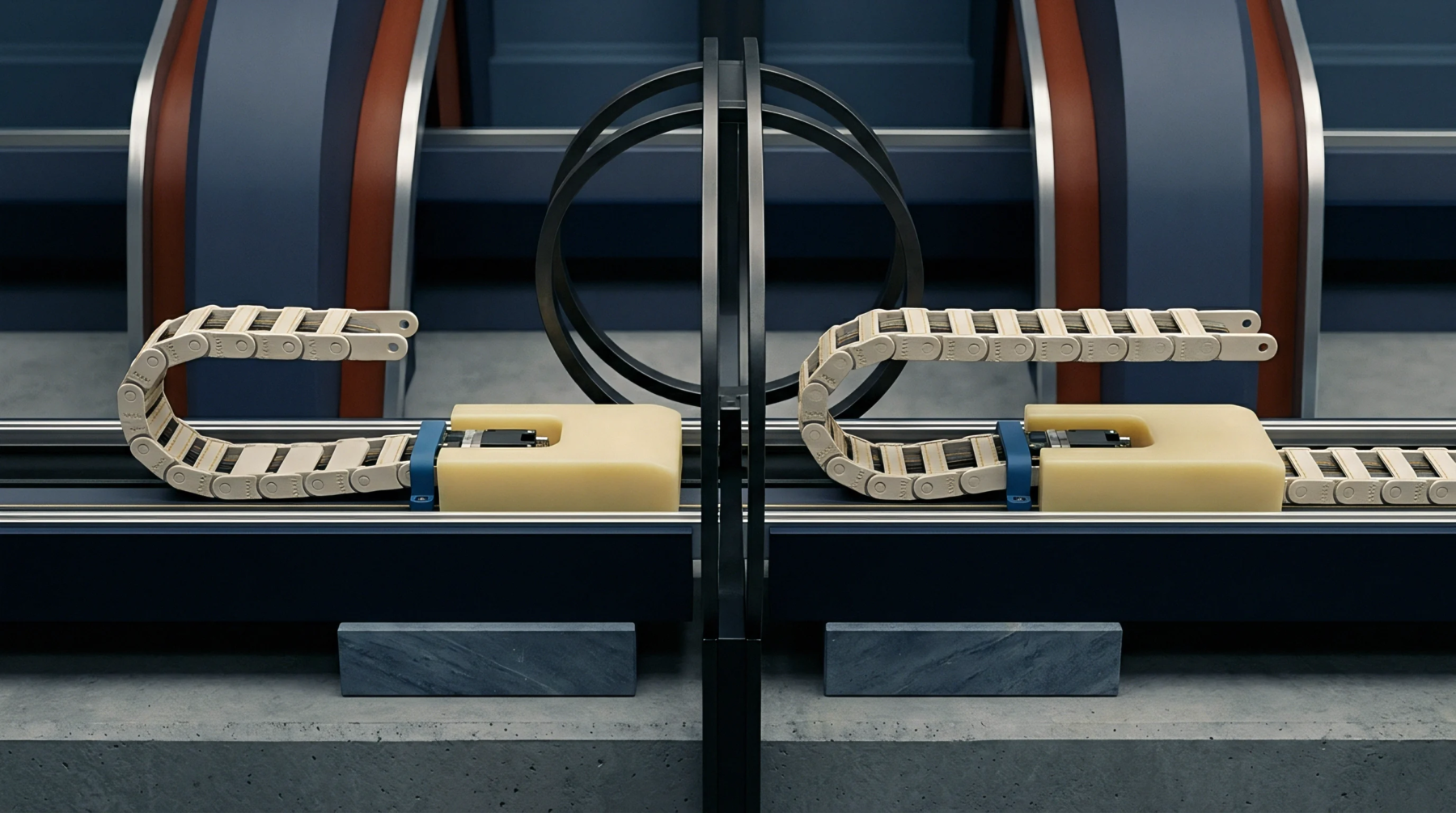
Sinc zero placement attenuates high-frequency noise, but residual flicker noise and clock phase jitter establish the absolute lower phase drift floor limit.

High decimation filters reduce white noise below the flicker corner, allowing output bit truncation to obscure real 1/f noise floor transitions.
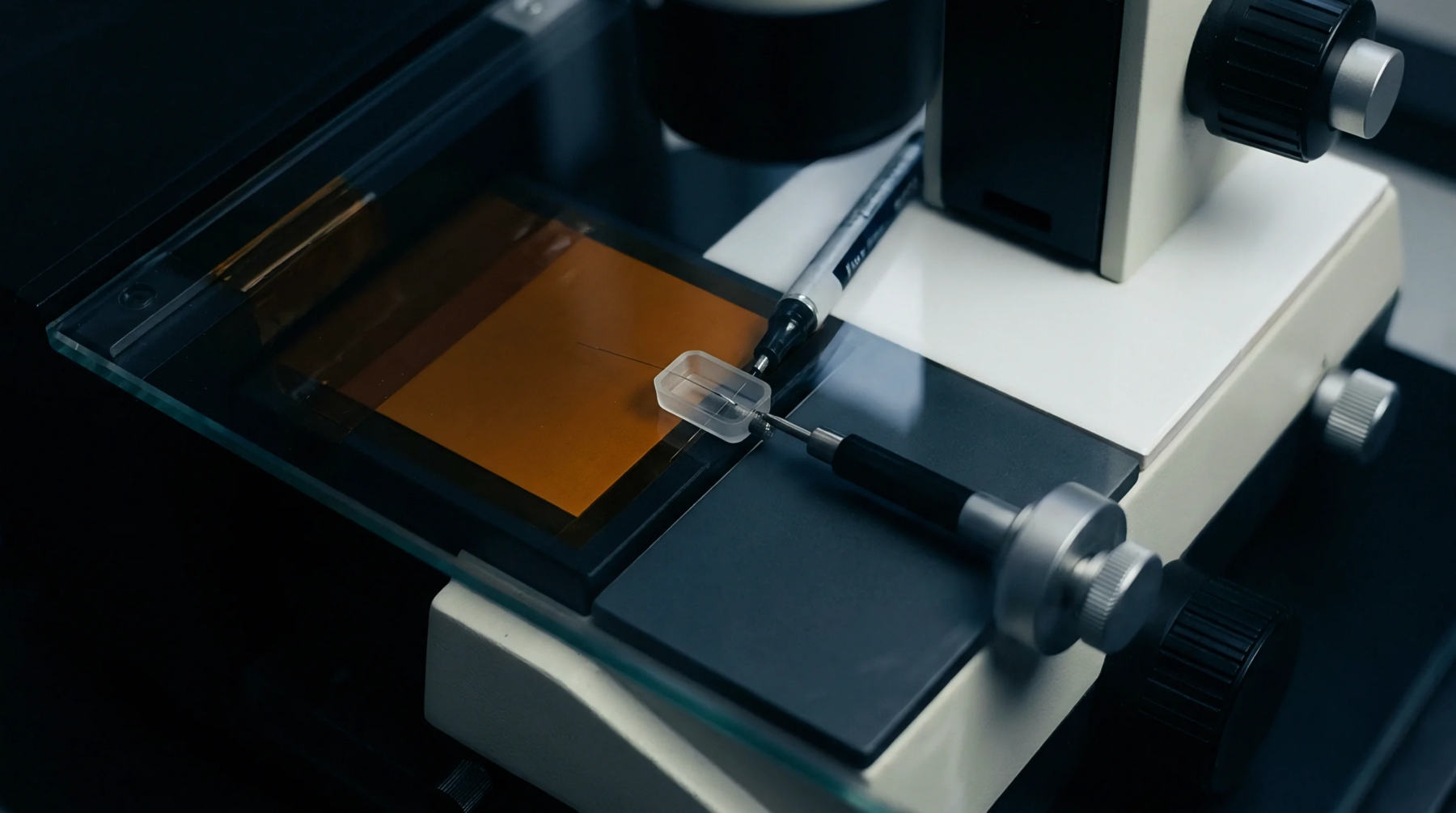
Allan deviation plots log-log noise slopes to locate the exact averaging window where delta-sigma converter drift overtakes white-noise decimation filtering.

Uncalibrated NDIR arrays drift under humidity due to line broadening, water vapor dilution, and differential interference filter degradation across channels.

Front-end chopping and mechanical stress-relief routing isolate MEMS accelerometers from drift and cross-axis errors before digitization.

Match physical transduction mechanisms to target material limits, thermal loop expansion, and analog noise ceilings before selecting specific sensor vendors.

Primary lithium battery passivation causes severe voltage drops during current transducer bursts, requiring energy buffers or active depassivation routines.

Active energy overhead in battery transducer nodes is governed by analog stabilization latency rather than pure conversion clock speed.

Sensor power evaluation requires calculating energy per bit of resolution across the temperature envelope rather than relying on room-temperature active current claims.
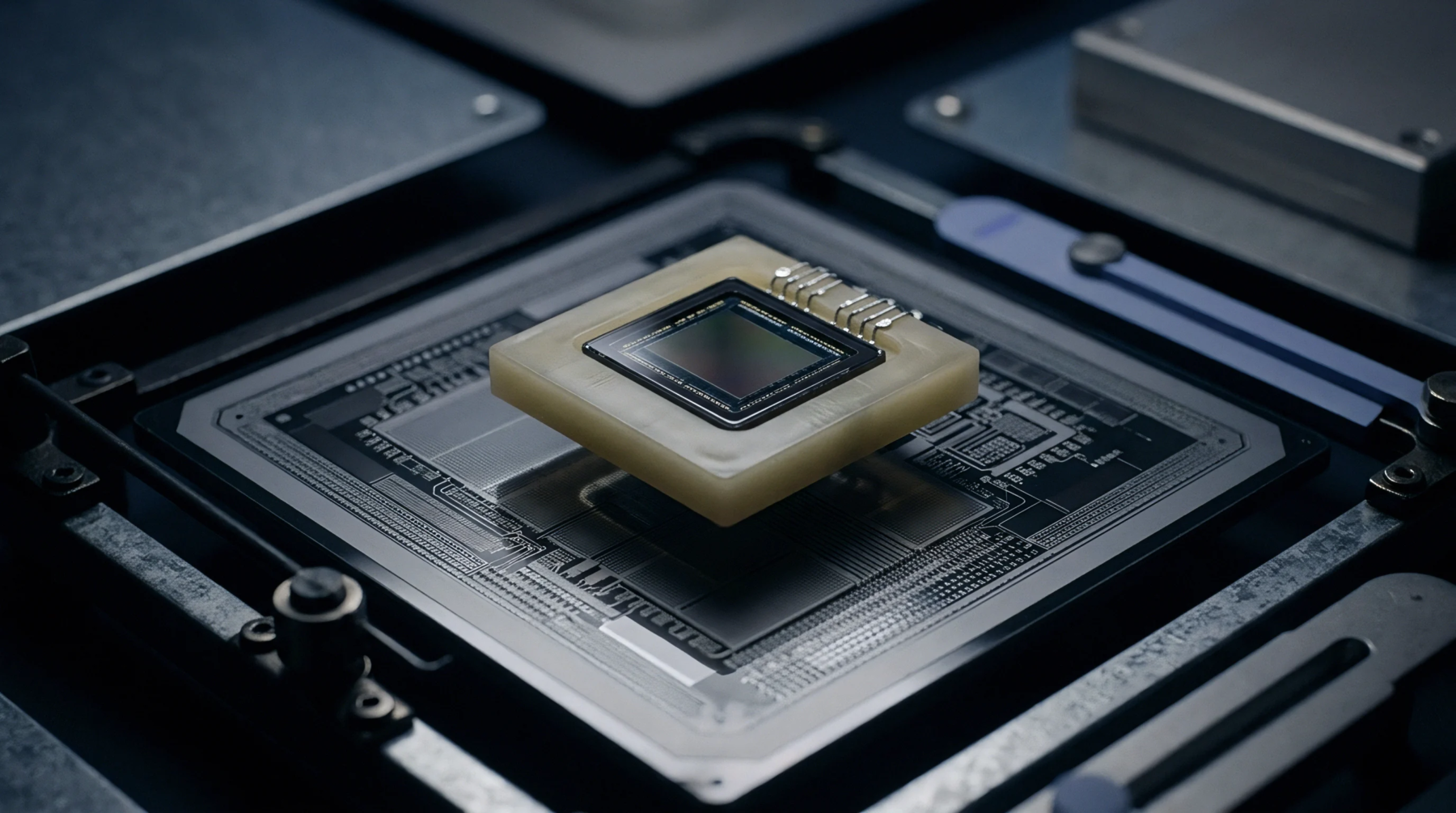
Mitigating sub-micro-g thermal hysteresis requires balanced differential resonator topologies, low-creep eutectic die bonding, and wafer-level thermal RC filtering.
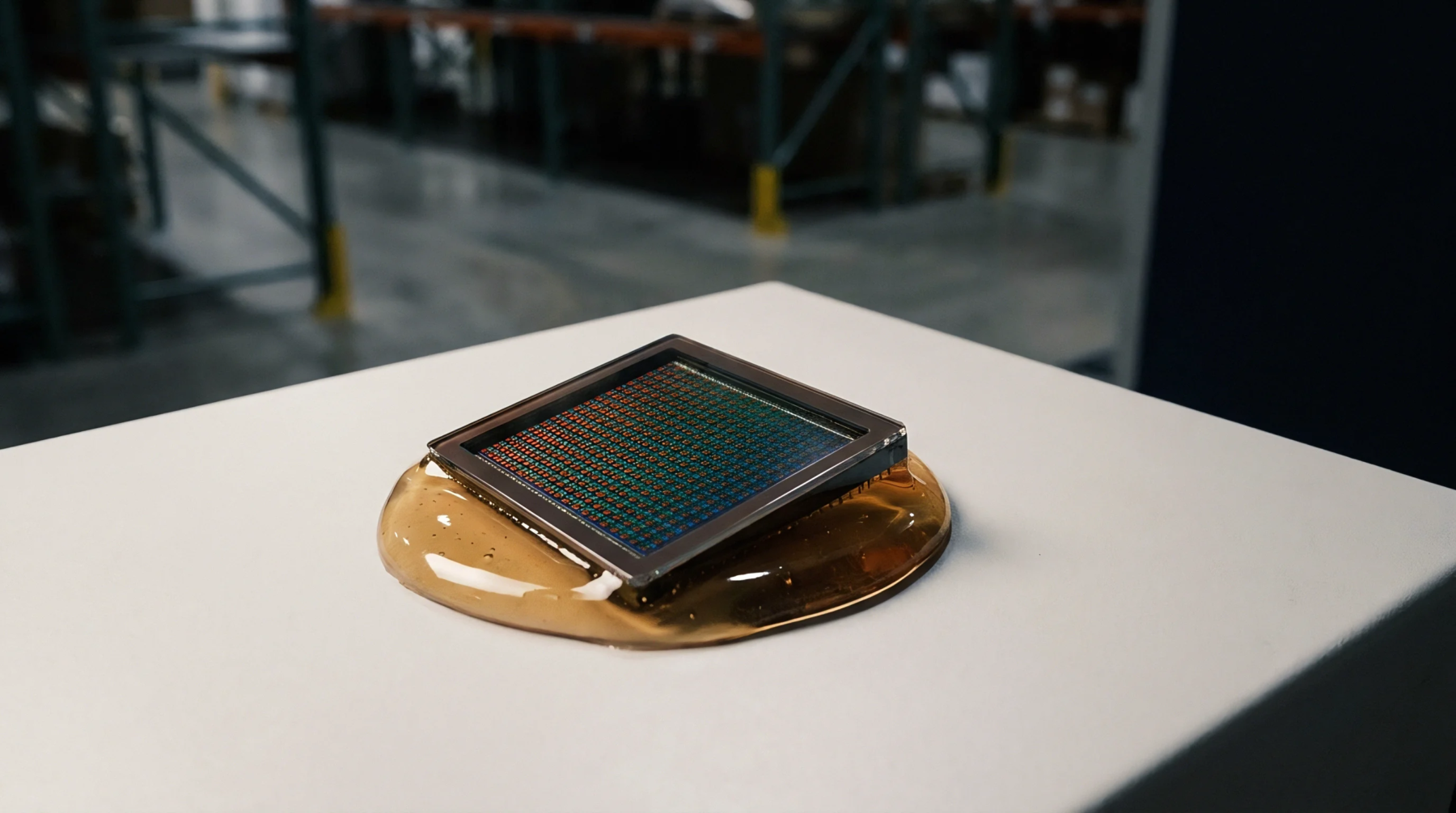
Viscoelastic adhesive relaxation in ceramic LCC packages causes time-dependent zero drift, requiring master-curve Prony modeling to quantify long-term offset shift.

Measuring accelerometer offset drift requires thermal soak stabilization and multi-position gravity inversion to decouple mechanical stress from true bias shift.

Dynamic elasticity tensor tracking uses embedded piezoresistive rosettes and recursive inversion to cancel interposer viscoelastic warpage in real time.

Packaging thermal gradients break quad-symmetric vibratory degeneracy, splitting eigenmodes and degrading bias stability unless isolated by central anchors.

Packaging and thermal expansion stresses transmit through silicon anchors to shift modal stiffness, generating quadrature errors and uncalibrated bias drift.

Quantifying hygrothermal relaxation demands accelerated aging at elevated humidity to isolate polymer modulus decay from silicon transducer drift.

Polymer die attach relaxation decays mounting stress into silicon frames, causing sub-nanometer anchor warpage that shifts precision accelerometer bias.
Expertise is a utility, not a secret. sentiention™ publishes its working knowledge as open reference: intelligence layer covering the materials it sources, the markets it enters, and the reference that serves both.