
Drive Mode Resonant Frequency Tracking for MEMS Thermal Compensation
Drive mode resonant frequency tracking eliminates thermal lag by using resonator stiffness shifts for zero-delay MEMS compensation.
Drive mode resonant frequency tracking eliminates thermal lag by using resonator stiffness shifts for zero-delay MEMS compensation.

Silicon micro-gyroscope thermal compensation requires pairing multi-order static polynomials with dynamic gradient tracking to null structural and phase drifts.
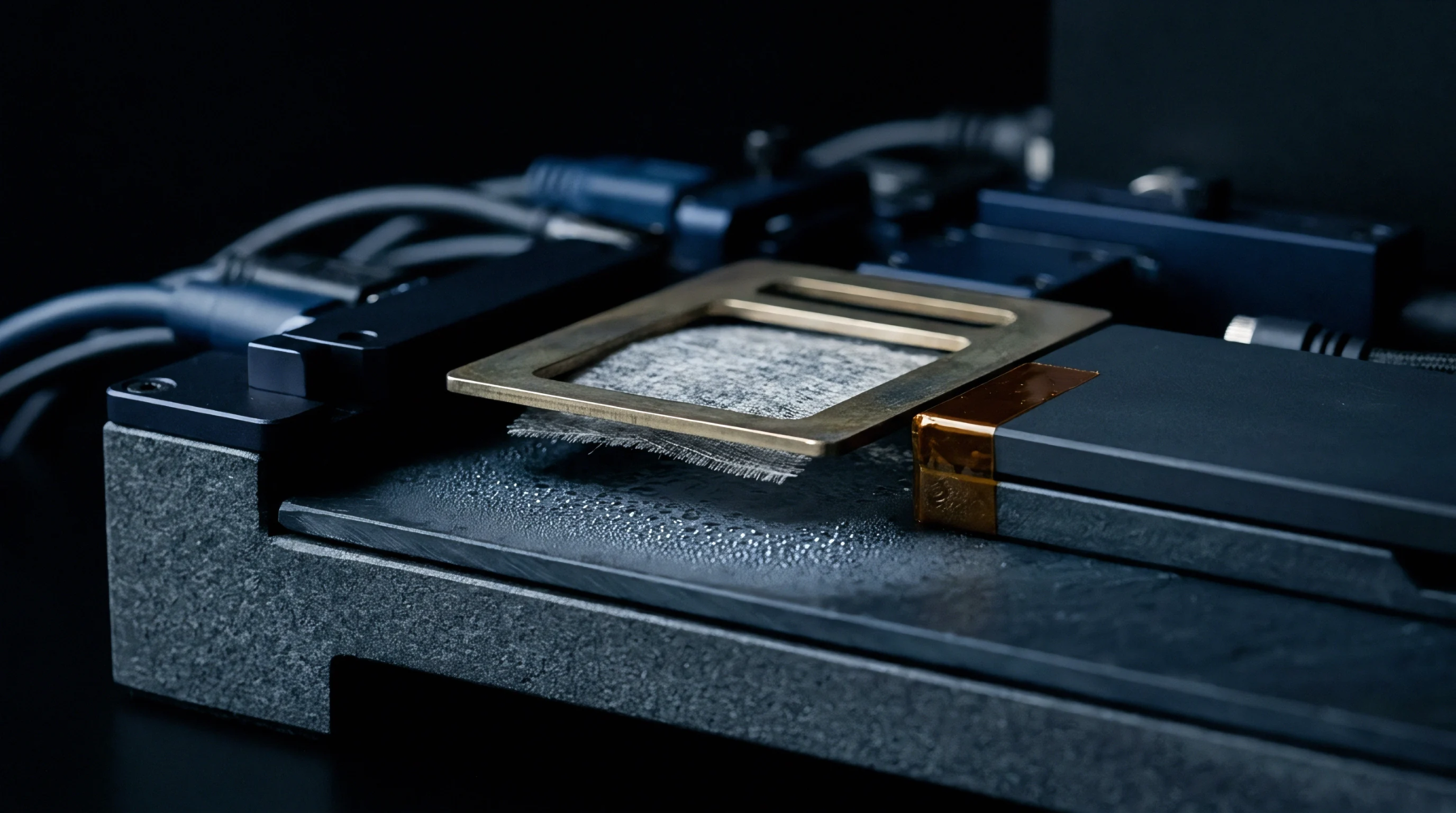
Remanent flux in soft magnetic concentrators creates zero-current offset drift under high-frequency switching, requiring low-coercivity alloys or active demagnetization routines to preserve sensor accuracy.

Mechanical die stress induces severe zero-offset and sensitivity drift in integrated Hall current sensors via piezo-Hall and piezoresistive lattice strain.

High slew rate switching accelerates capacitive barrier breakdown through Fowler-Nordheim charge injection, cutting barrier lifetime below standard predictions.

Match input RC filter time constants and maximize differential capacitance to prevent common-mode voltage slew from generating false differential trips.

Galvanic current sense immunity requires matching barrier dielectric capacitance below 1 pF with internal differential signal paths to limit transient current errors.

Calibration of isolated delta-sigma modulators in SiC phase legs requires low-inductance shunts, dynamic thermal drift mapping, and sinc filter offset compensation.
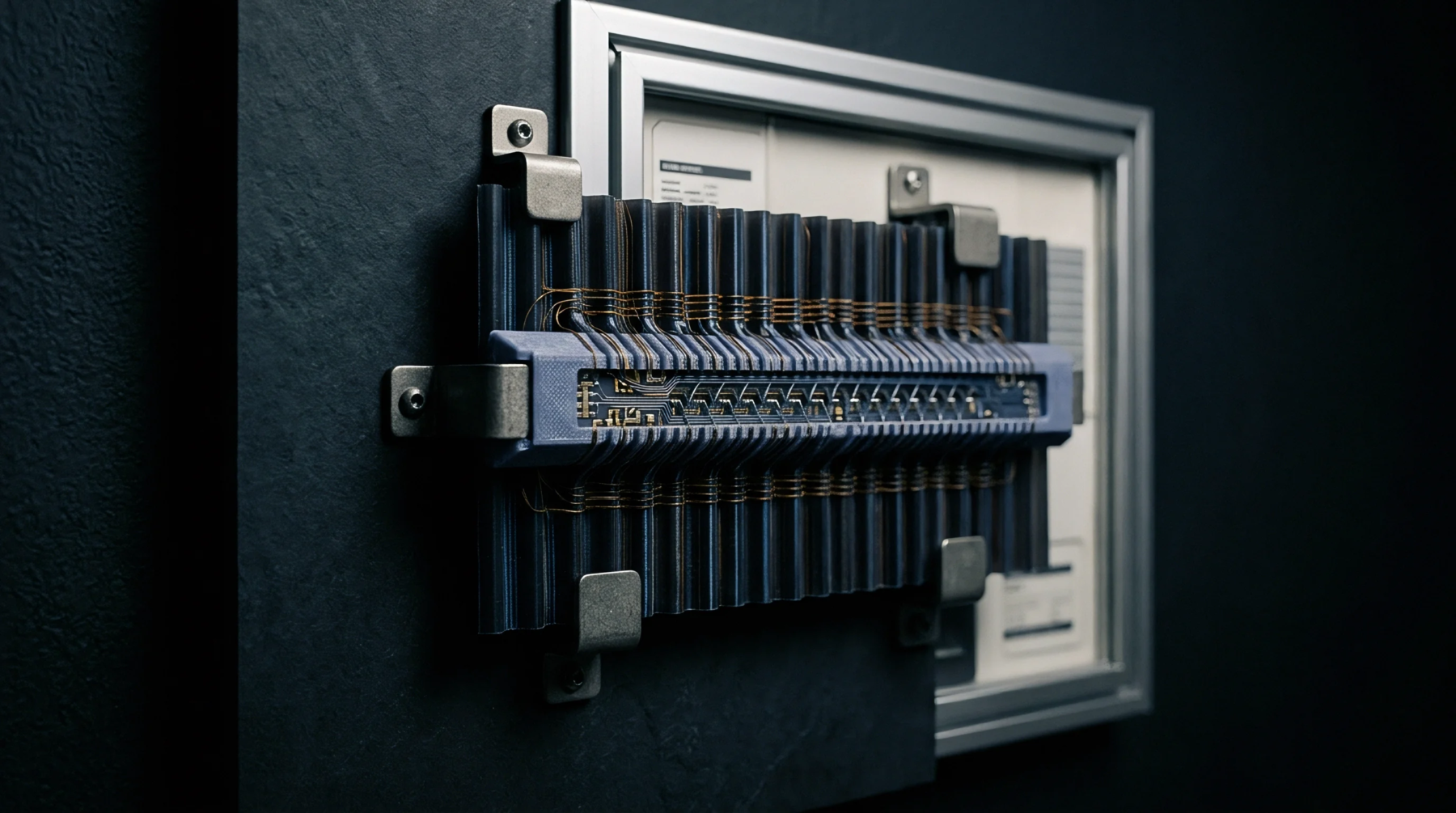
Inter-barrier parasitic capacitance mitigation requires solid electrostatic plane shielding and balanced differential routing to suppress high dv/dt transient errors.

High-side SMPS resistors demand bulk metal or anti-sulfur film construction to survive high dv/dt transients, high voltage bias, and parasitic ESL inductive spikes.
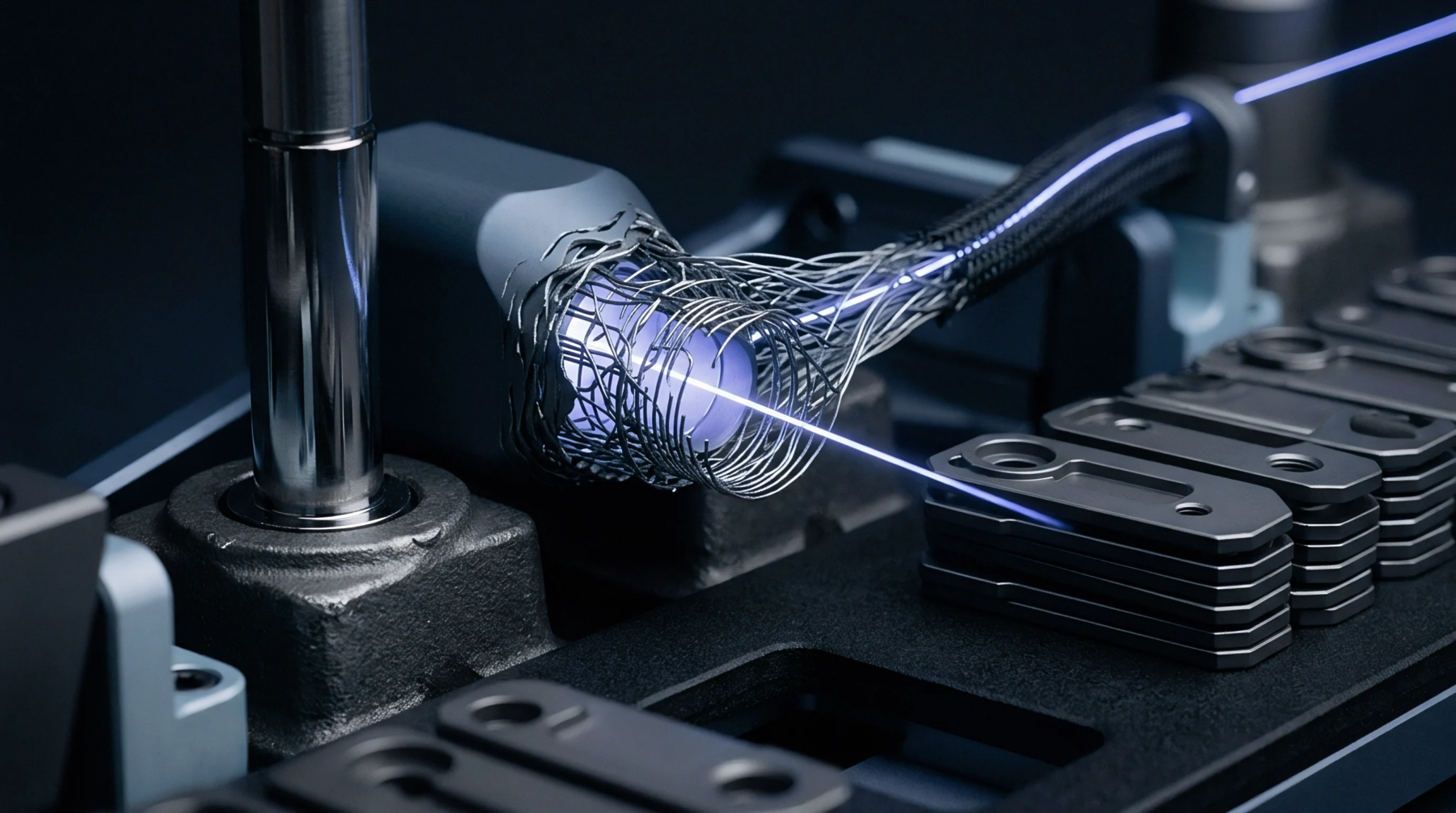
Dynamic thermal hysteresis in volumetric fill sensors stems from viscous relaxation lag during thermal transients, requiring real-time state observers.
Dynamic thermal ramps induce transient hydraulic pressure spikes in sealed liquid-filled sensors that corrupt baseline strain measurements before thermal equilibrium.
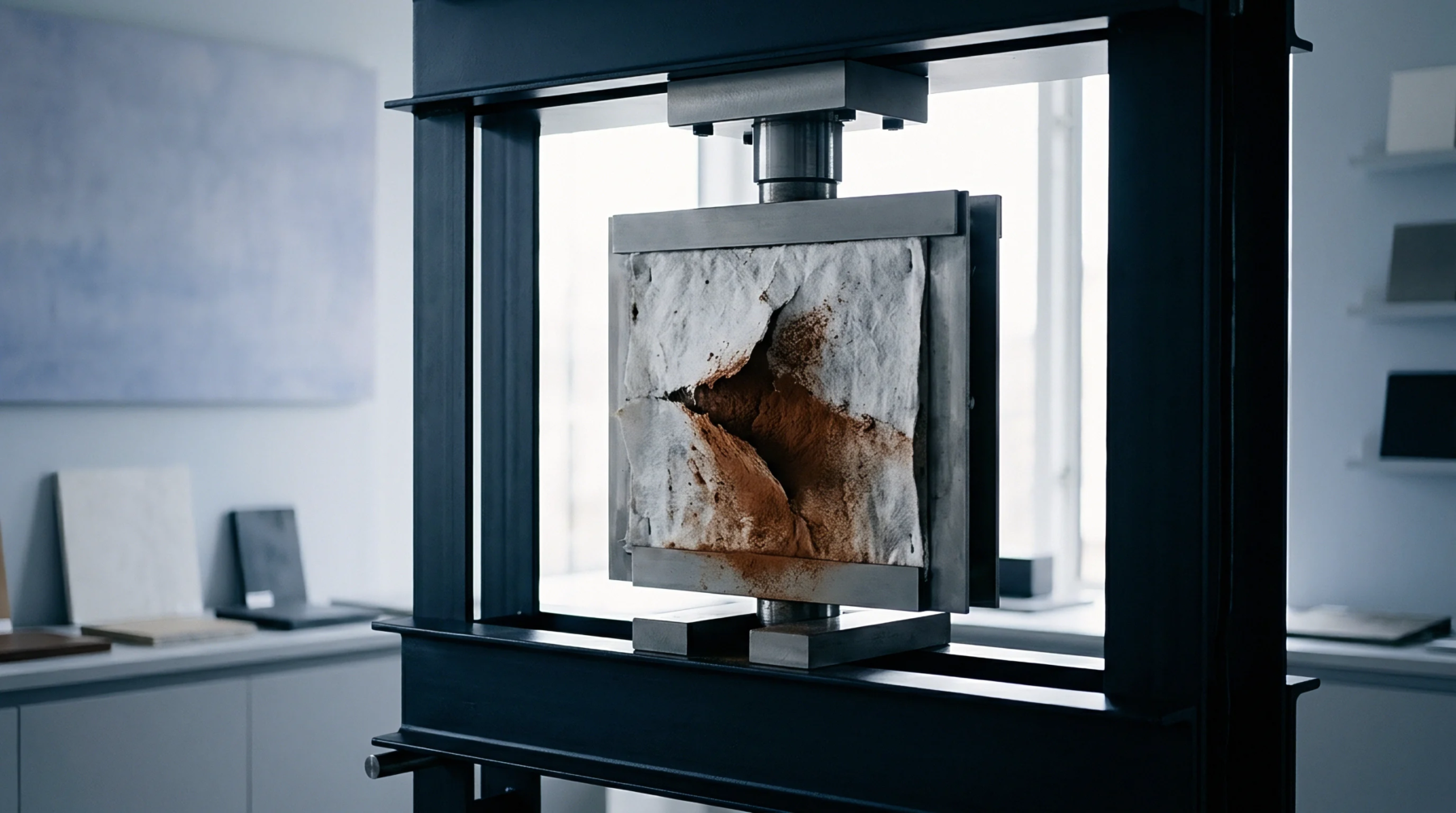
Dynamic thermal gradient errors in piezoresistive transducers resolve through symmetric bridge patterning, reduced oil volumes, and bridge-impedance filtering.
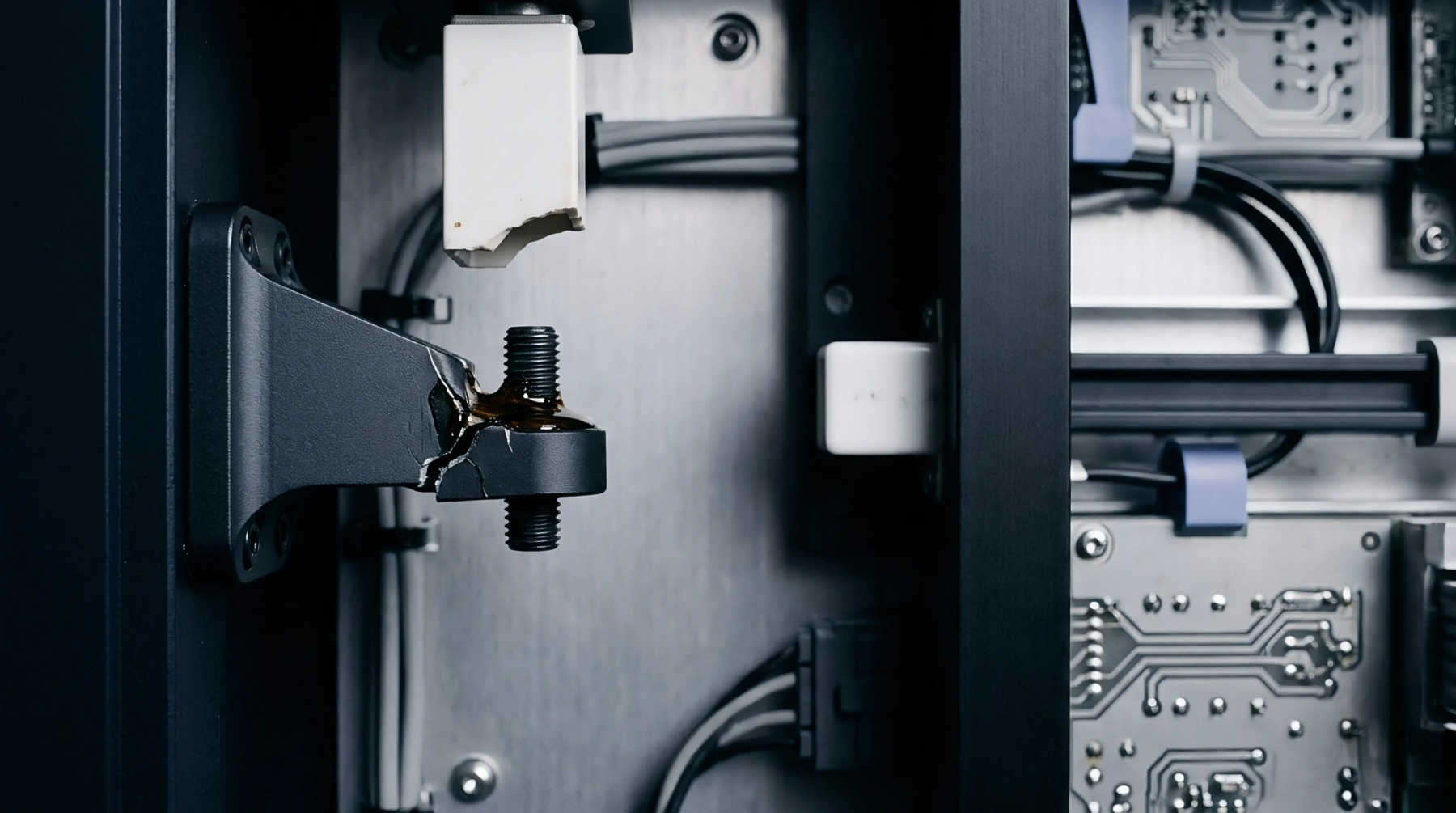
Fixed-point pressure compensation algorithms require interval bounds checking and hardware saturation to prevent thermal drift overflow in high-temperature transducers.

Digital conditioning ASICs fit bivariate polynomial coefficients into EEPROM to map physical element non-linearity and cross-sensitivity across temperature.

Extracting thermal coefficients for piezoresistive pressure sensors requires surface fitting bridge output across temperature grids under zero thermal gradient conditions.
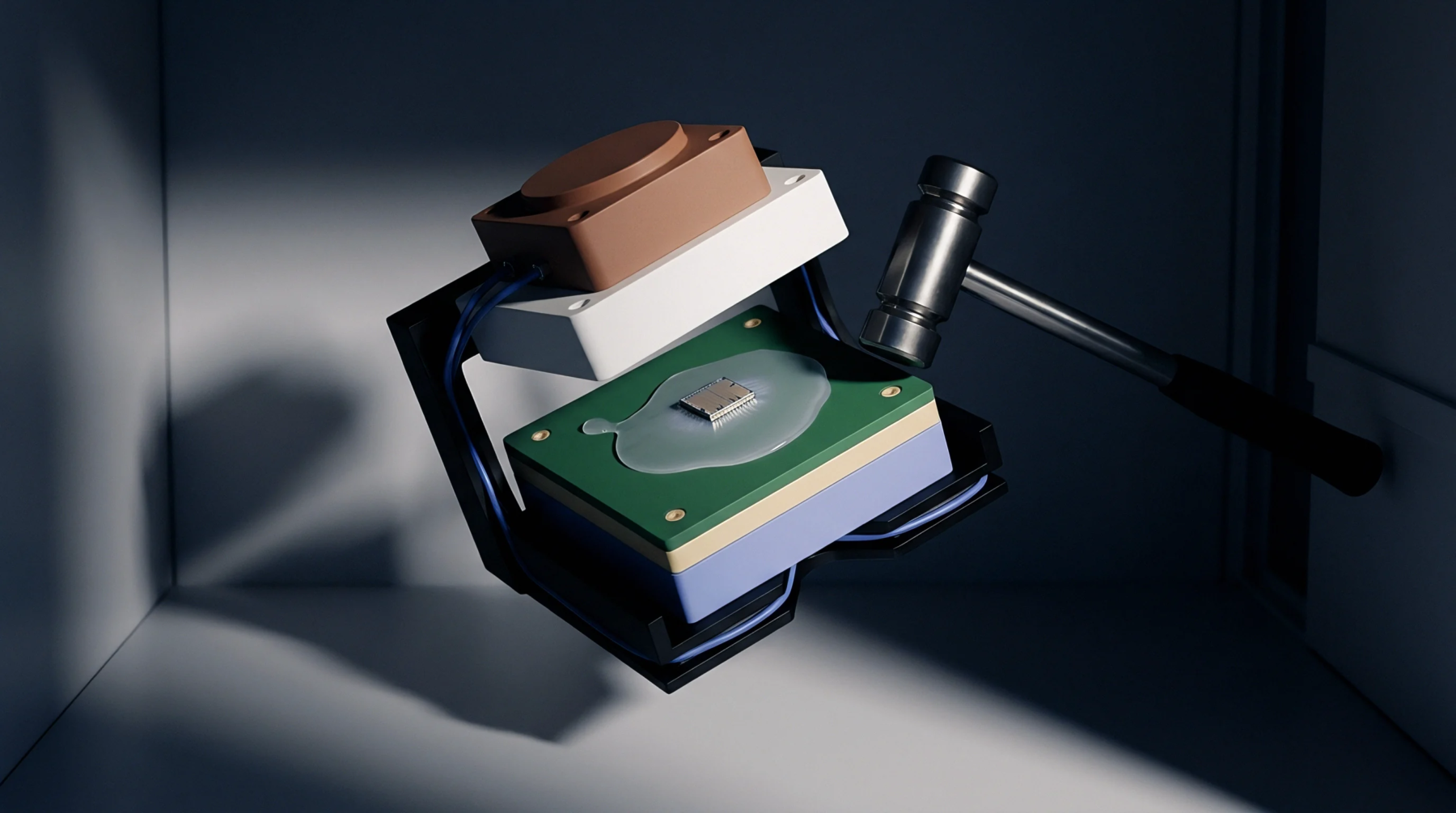
Wafer level boron non-uniformity alters the pi-44 piezoresistive coefficient across the disc, driving transducer sensitivity dispersion and requiring ASIC calibration.
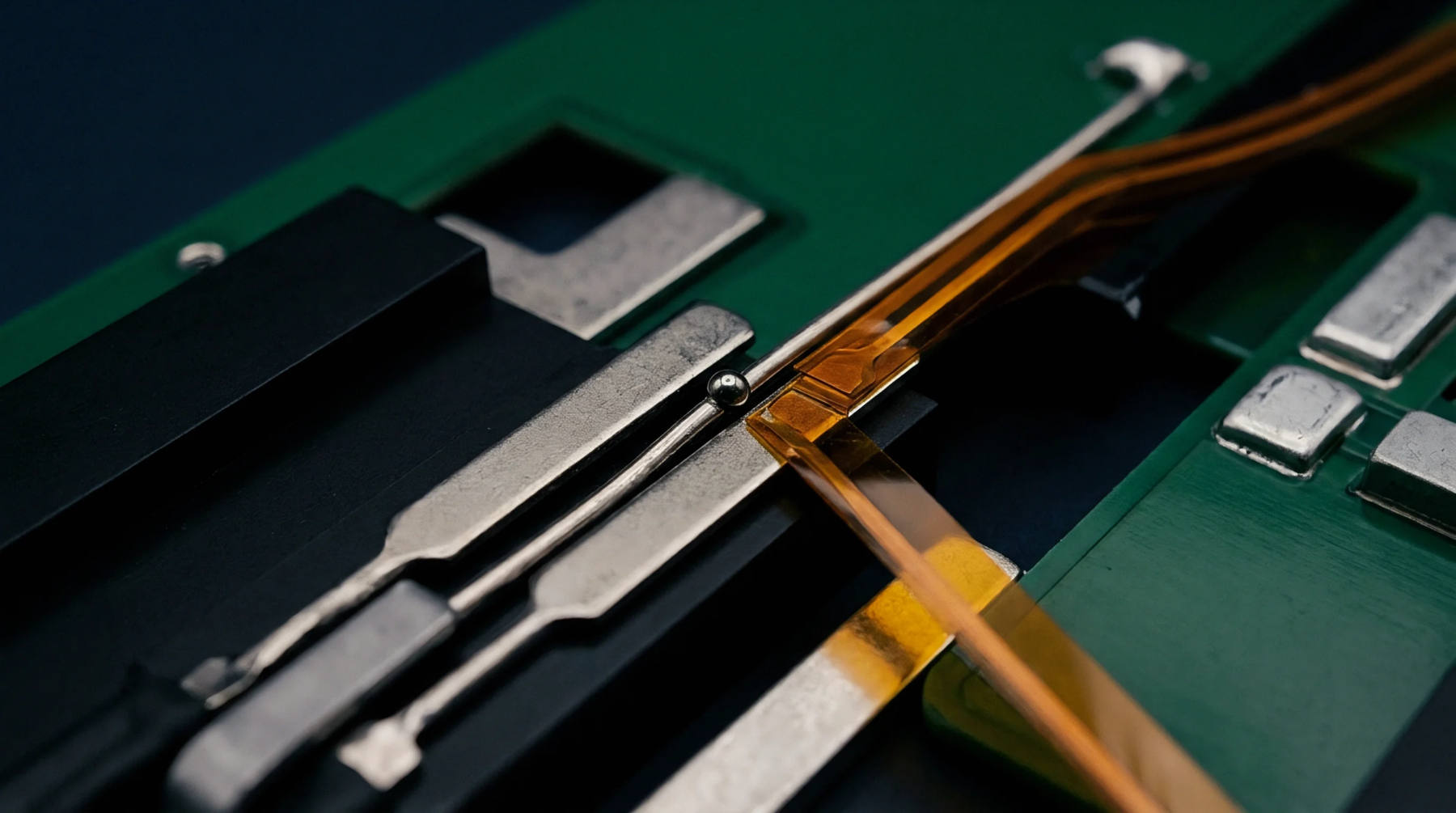
Constant current excitation passively compensates piezoresistive span drop when bridge TCR matches TCS magnitude, while digital ASICs eliminate non-linear thermal drift via polynomial EEPROM calibration.
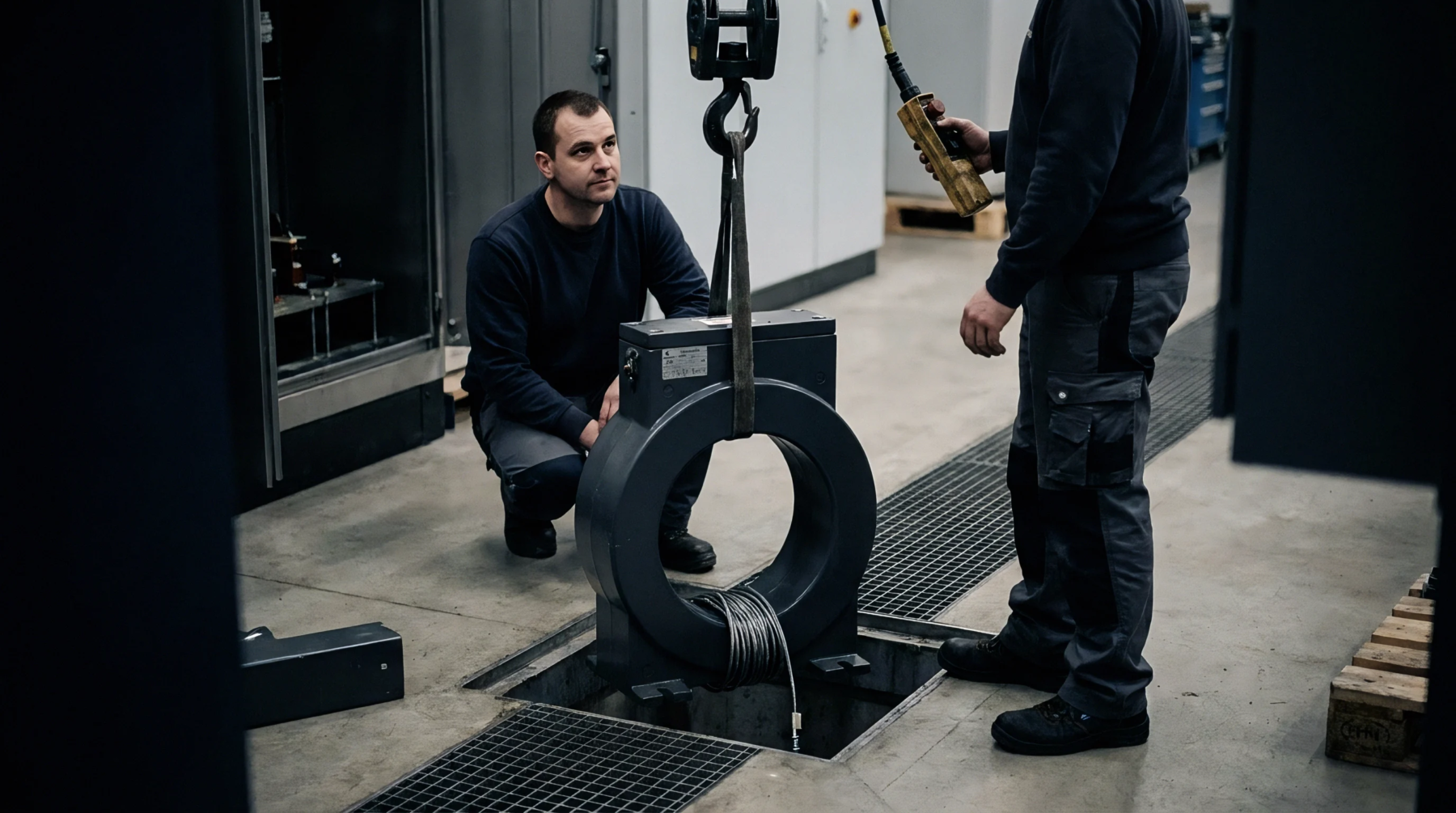
Sub-micron void nucleation in sintered silver attach layers accelerates when mega-hertz current ripples drive cyclic electromigration across porous grain necks.

Silicon piezoresistive sensor thermal coefficients demand matching excitation modes and polynomial calibration to suppress temperature-induced span and offset drift.

Phase-inversion acoustic microscopy detects sub-micron interfacial microcracks down to 35 nanometer gaps by tracking negative RF reflection polarity.

Sintered silver porosity measurement requires separating macroscopic void inspection by acoustic microscopy from submicron pore quantification by ion beam SEM.
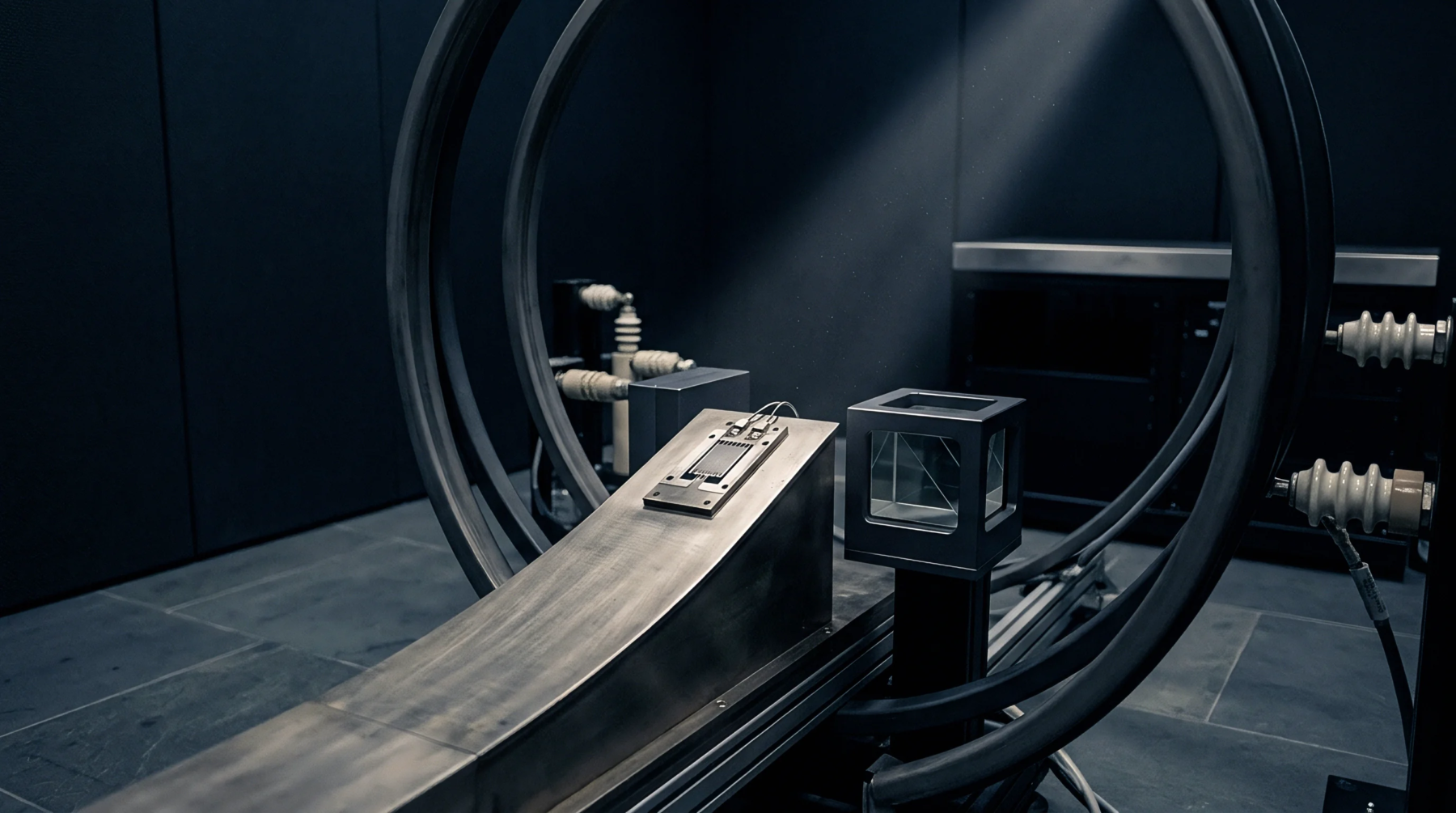
Noncontact thermoreflectance deconvolution yields inline wafer thermal conductivity maps by extracting photothermal phase shift across swept modulation frequencies.

Differential structure function extraction locates subsurface wafer voids by converting transient thermal resistance measurements into spatial capacitance profiles.

Wafer-level thermal transient testing uses high-speed TSEP voltage sampling to extract structural thermal functions, isolating bare power die defects before dicing.

Time-domain thermal transient impedance shifts at short time constants below twenty milliseconds directly quantify early die-attach crack growth.
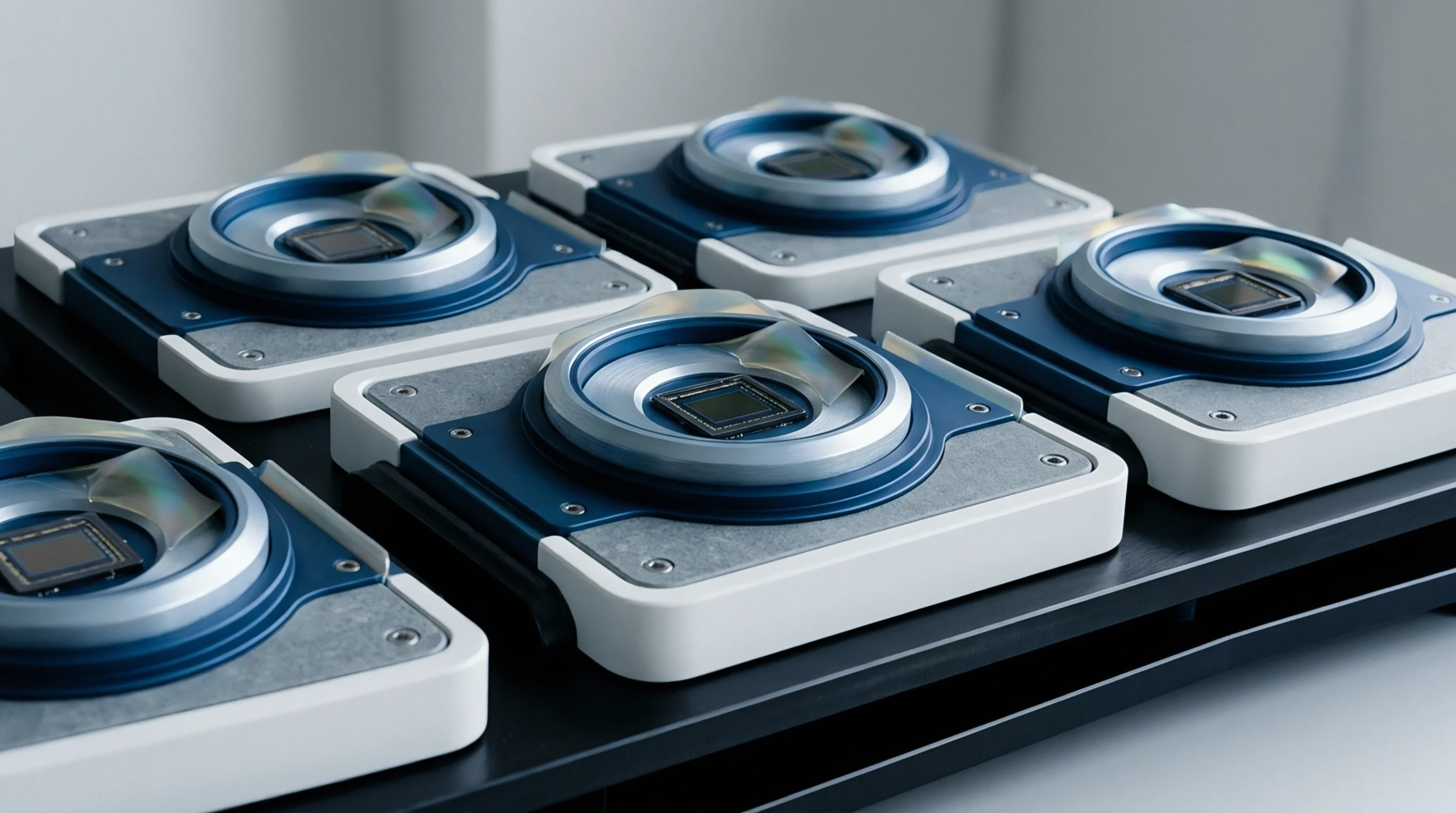
Differential structure functions map thermal capacitance derivatives against resistance, isolating micrometer interface voids without package destruction.

Transient thermal impedance measurement isolates internal semiconductor package layers by switching heating currents to sense forward voltage cooling curves.

Coble creep and grain boundary sliding dominate nano-silver bond line strain at high temperatures, accelerating thermal fatigue as sub-micron grains coarsen.

Augmenting Kalman filter state vectors with Maxwell relaxation variables eliminates viscoelastic drift in polymer-packaged sensor assemblies.
Expertise is a utility, not a secret. sentiention™ publishes its working knowledge as open reference: intelligence layer covering the materials it sources, the markets it enters, and the reference that serves both.