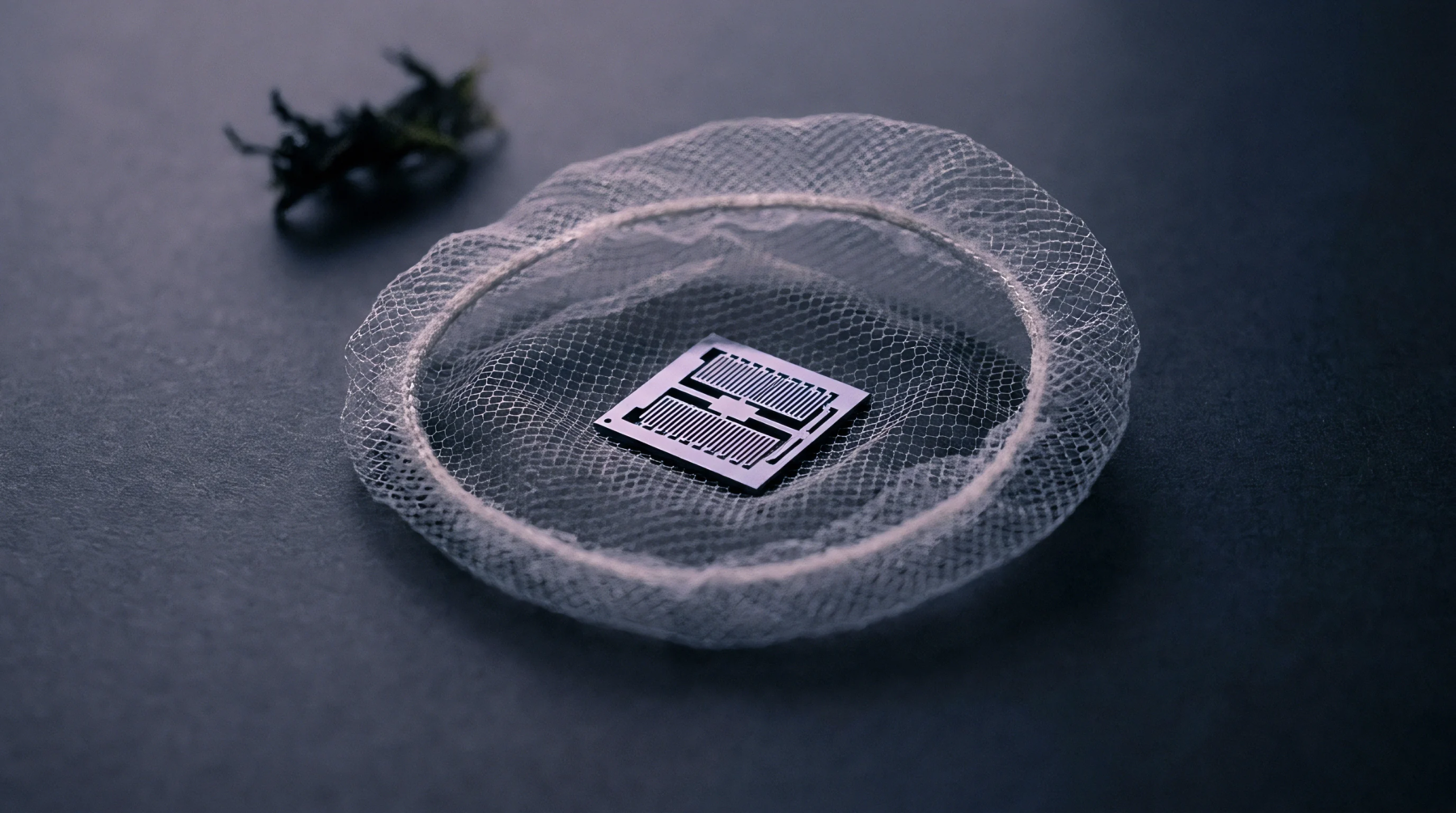
Dual Sourced Low Tier Commercial Sensor Supply Exposure
Dual-sourcing low-tier commercial sensors introduces baseline offset drift, thermal hysteresis, and ASIC filtering divergence that increase total landed product cost.
Dual-sourcing low-tier commercial sensors introduces baseline offset drift, thermal hysteresis, and ASIC filtering divergence that increase total landed product cost.

Quantifying silicon dislocation velocity under thermal steps sets the thermal ramp limits needed to prevent permanent zero-offset voltage drift in strain sensors.

Automated thermal calibration must isolate packaging thermo-mechanical stress shifts from intrinsic silicon sensor signals using real-time compensation.
Real-time matrix correction using on-die piezoresistive strain arrays reduces board flexure induced zero-rate drift in automotive MEMS gyroscopes below 0.02 deg/s.

Static thermal zero-g bias shifts in MEMS accelerometers are isolated by enforcing prolonged thermal dwell periods to decouple stress creep from thermal gradients.

Dynamic thermal gradient shifts during sensor tumble profiling cause transient thermo-mechanical package stress that distorts inertial calibration matrices.

Multi-axis tumble matrix optimization extracts 21 sensor parameters, reducing vector error residuals to native sensor noise bounds.

Static gravity reference determination requires site gravimetric surveying and arcsecond stage indexing to isolate true sensor bias from facility tilt errors.

MEMS thermal hysteresis creates non-repeatable zero-g offset shifts up to 3 mg, driving uncompensable arcsecond tilt errors in static leveling systems.

Non-dynamic thermo-mechanical stress drift in IFOG fiber spools originates from viscoelastic matrix hysteresis and CTE mismatch, requiring stress-state relaxation modeling beyond rate-proportional Shupe compensation during rapid thermal ramps.

Augmenting Extended Kalman Filters with dynamic temperature derivative states eliminates dynamic thermal bias drift during rapid ramp conditions.

Dynamic cross-axis coupling in deep space IMUs is resolved by combining adaptive covariance-scaling Kalman filters with gradient-mapped parameter lookup tables.

Precision Allan variance characterization demands thermal soak chambers featuring sub-millikelvin temperature stability, low vibration, and zero fluid turbulence.

Extracting Allan deviation noise parameters demands fitting logarithmic asymptote slopes across discrete cluster time intervals under steady thermal conditions.

Thermal transient disturbance vectors skew inertial alignment by inducing differential expansion and thermistor lag, requiring dynamic lag-compensated matrix modeling.
Detecting Earth rotation rate for north alignment demands gyro bias stability below 0.05 degrees per hour and accelerometer tilt correction within 0.1 mrad.

Hot washdowns followed by cold rinsing create internal negative pressure, pulling liquid moisture past flawed seals into IP69K stainless steel housings.

Inductive proximity sensors detect conductive targets via high-frequency magnetic field damping, requiring targeted clearance geometry, safe operating distance limits, and material reduction factor accounting.

Micro-anchor thermal expansion differential sensitivity measures resonant frequency shifts caused by package-induced mechanical strain across temperature gradients.
Multi coil quadrature demodulation isolates amplitude and phase in inductive proximity chains, resolving sub-micron targets while rejecting thermal noise.

Bench Allan variance parameters convert to discrete Kalman process noise matrices by integrating state transition matrices over the sampling interval.

High-latitude ground alignment error budgets require explicitly modeling second-order sculling and vibro-pendulous base motion rectifications to prevent false bias growth.
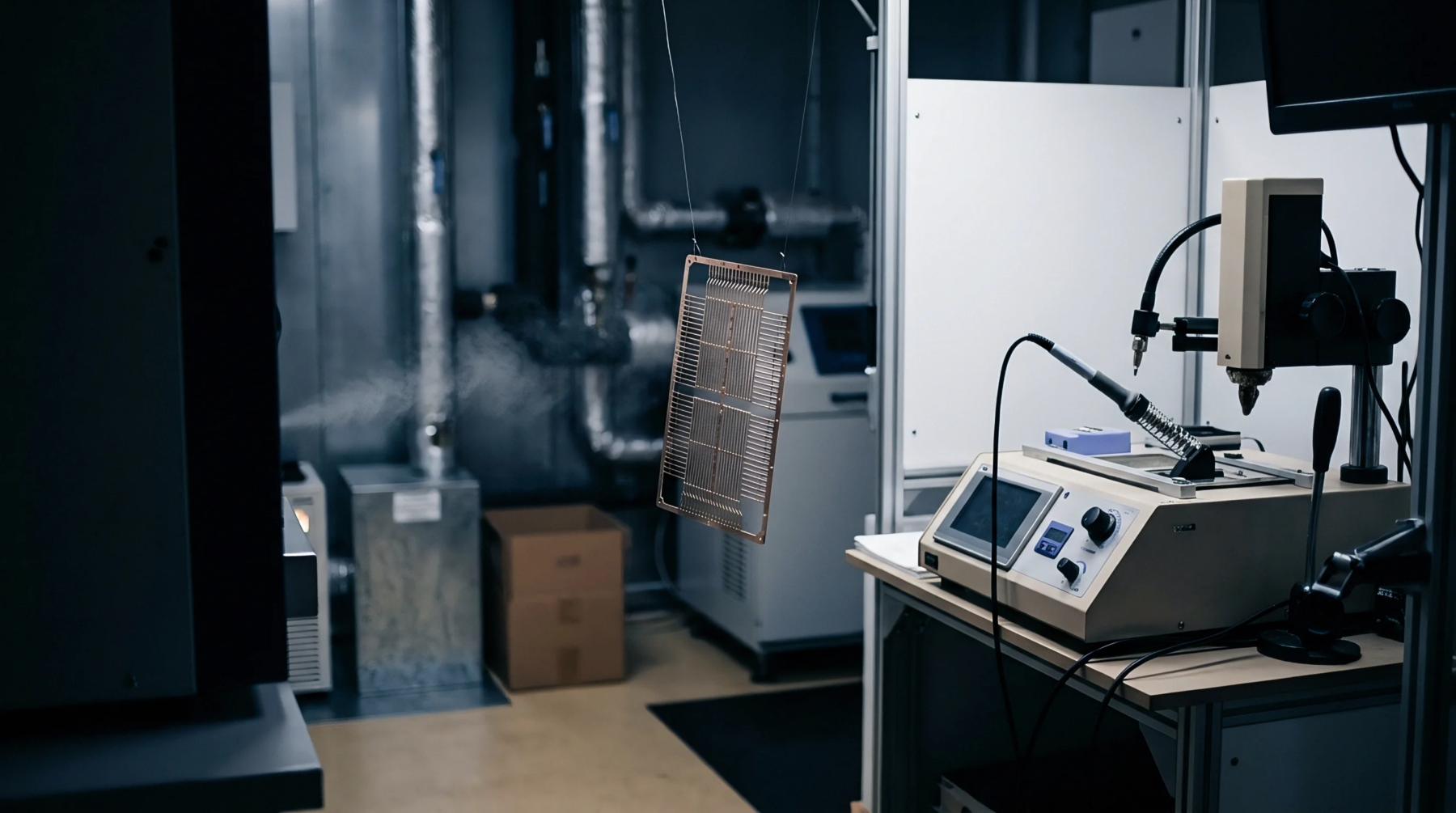
Analytical error bounds combine accelerometer bias tilt projection and latitude secant gyrocompassing equations to establish deterministic spatial uncertainty limits.

Retrofitting capacitive pressure transducers introduces hydraulic dead-volume delay and digital ASIC filter lag that erodes control loop phase margin.

Non-ferrous inductive sensor calibration demands target thickness exceeding three skin depths and certified metal conductivity to prevent distance measurement drift.
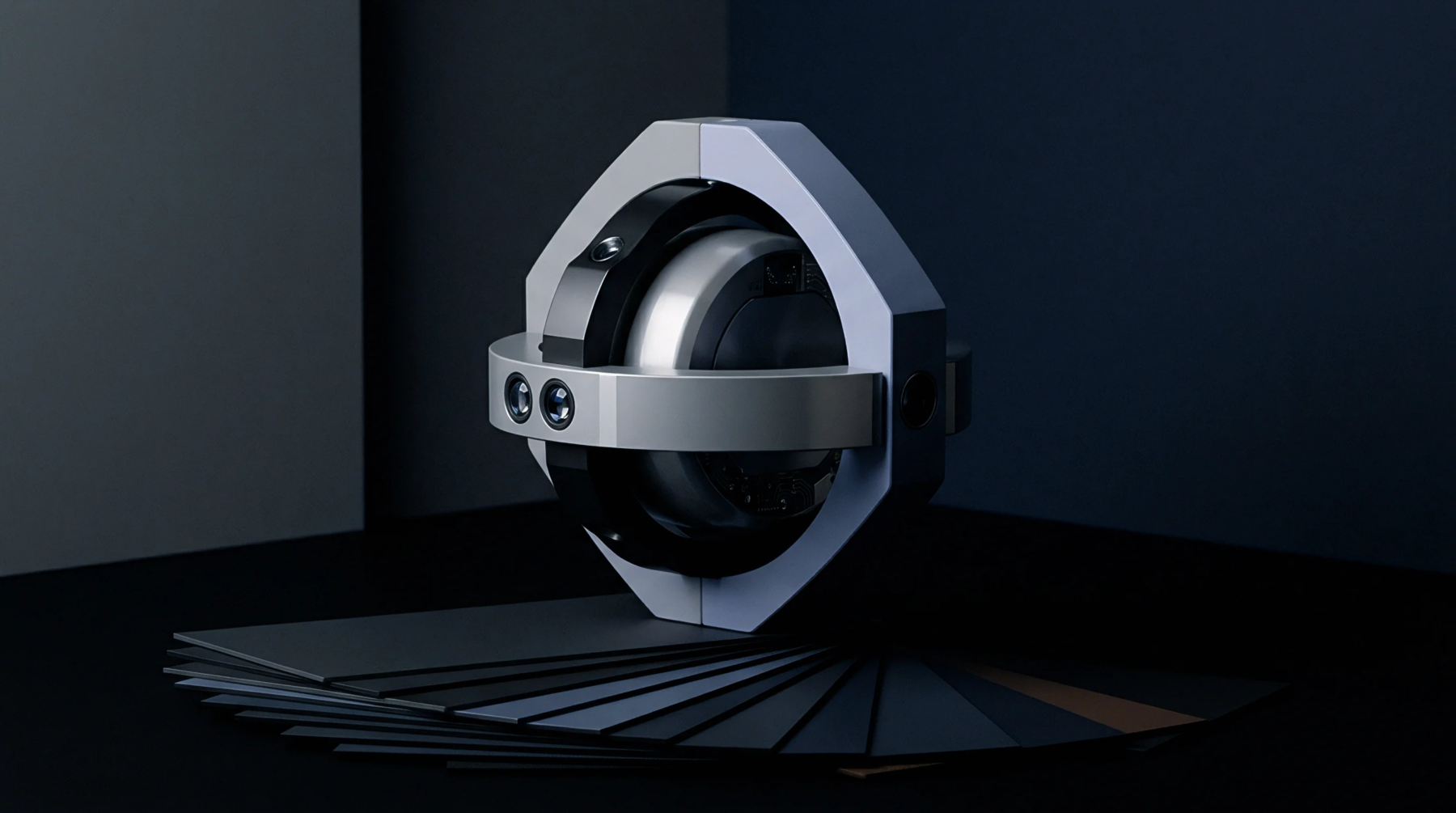
Calculate real inductive sensor operating distance by multiplying nominal range by material, temperature, and geometry correction factors.
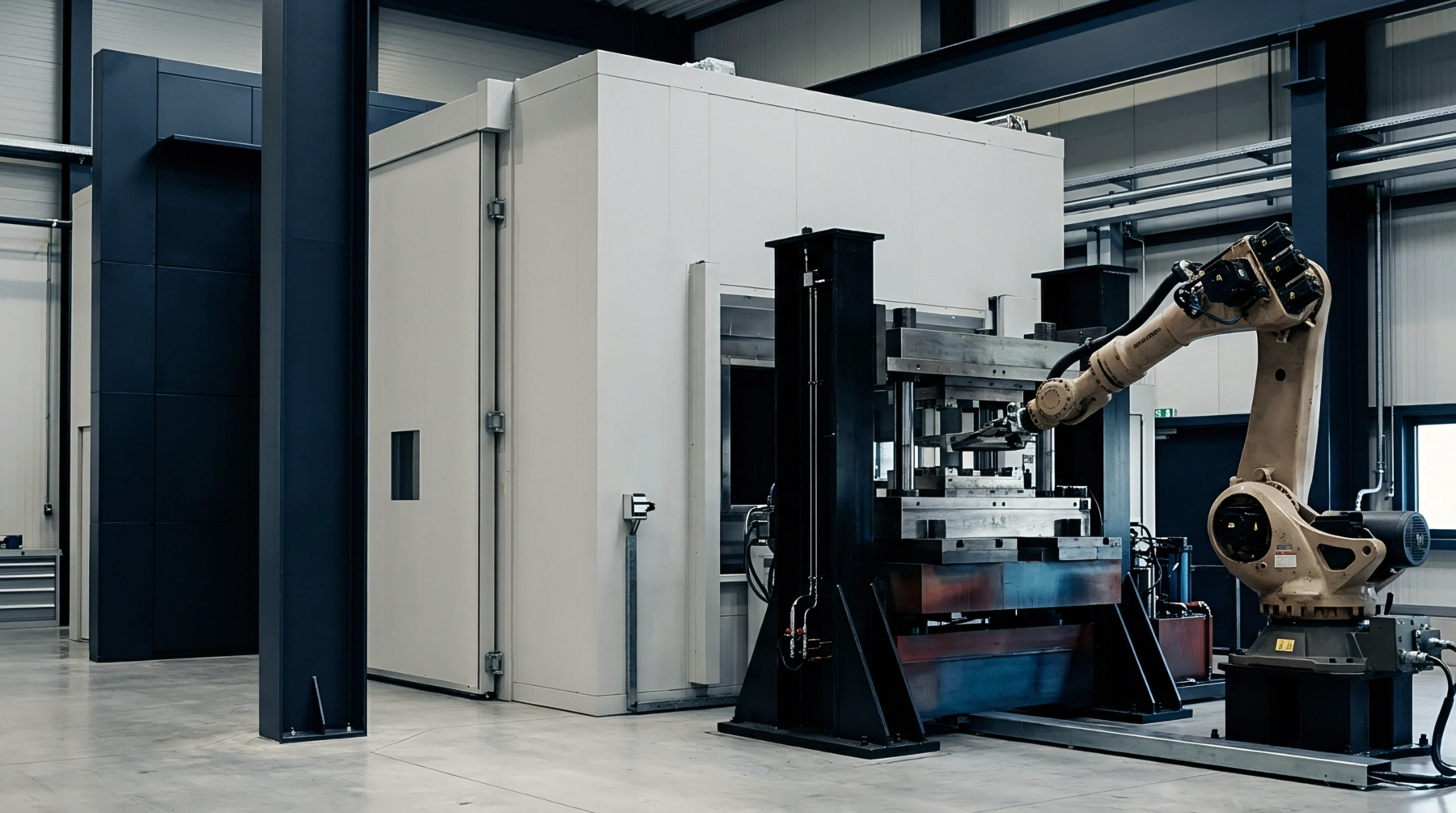
Global Reset rolling shutter imagers eliminate motion blur when pulsed light fires strictly within the dark global integration window under controlled ambient light.

CMOS image sensor row readout delay dictates rolling shutter temporal skew, determined by physical word line RC delays and column ADC settling times.

Dynamic thermal hysteresis in oil filled pressure sensors stems from oil viscoelasticity and cavity thermal lag solvable via rate dependent filtering.
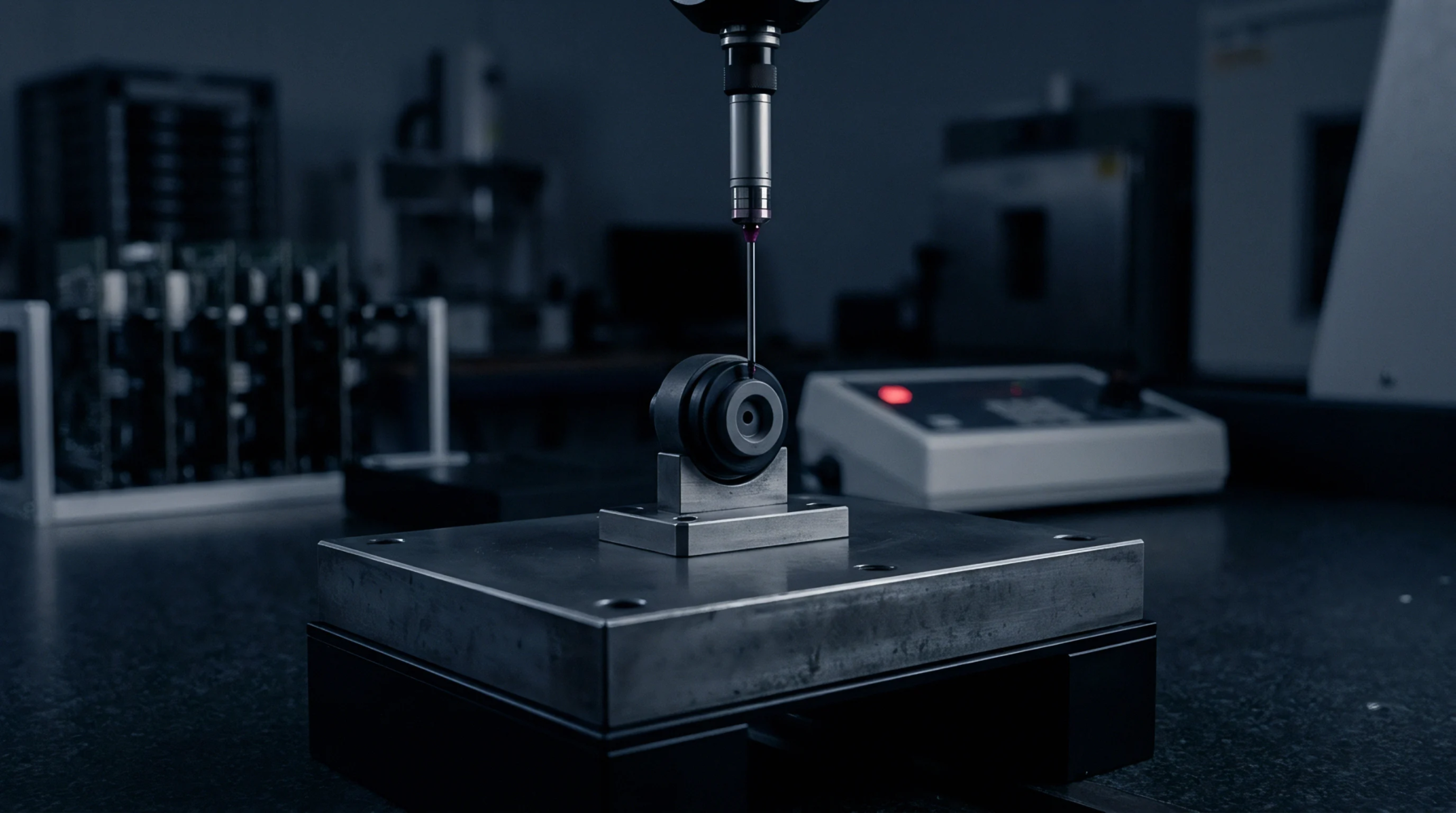
Bivariate polynomial surface fitting extracts piezoresistive drift matrices via singular value decomposition to eliminate thermal span and offset errors.
Expertise is a utility, not a secret. sentiention™ publishes its working knowledge as open reference: intelligence layer covering the materials it sources, the markets it enters, and the reference that serves both.