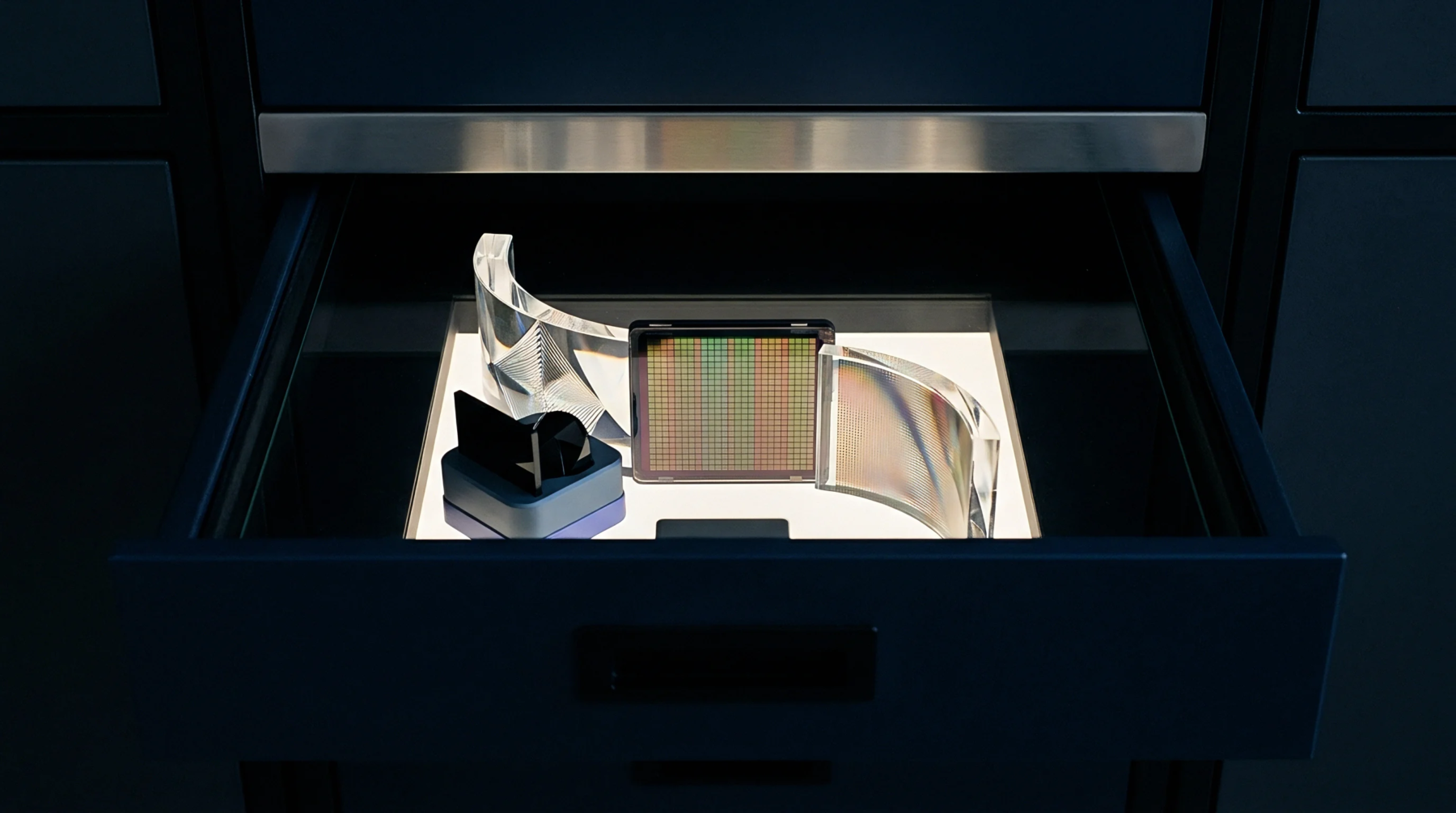
Viscoelastic Thermal Strain Transfer Mechanics in Silicon MEMS Transducers
Polymeric die-attach relaxation causes time-dependent thermal strain hysteresis in silicon MEMS, producing zero-offset drift that static calibration cannot fix.
Polymeric die-attach relaxation causes time-dependent thermal strain hysteresis in silicon MEMS, producing zero-offset drift that static calibration cannot fix.

Trench isolation blocks lateral carrier bleed and oblique near-infrared rays, securing sub-minus-eighty-decibel shutter isolation at the cost of sidewall defects.

Localized carrier lifetime quenching suppresses stacked sensor parasitic charge by contracting minority carrier diffusion lengths below readout pixel pitches.
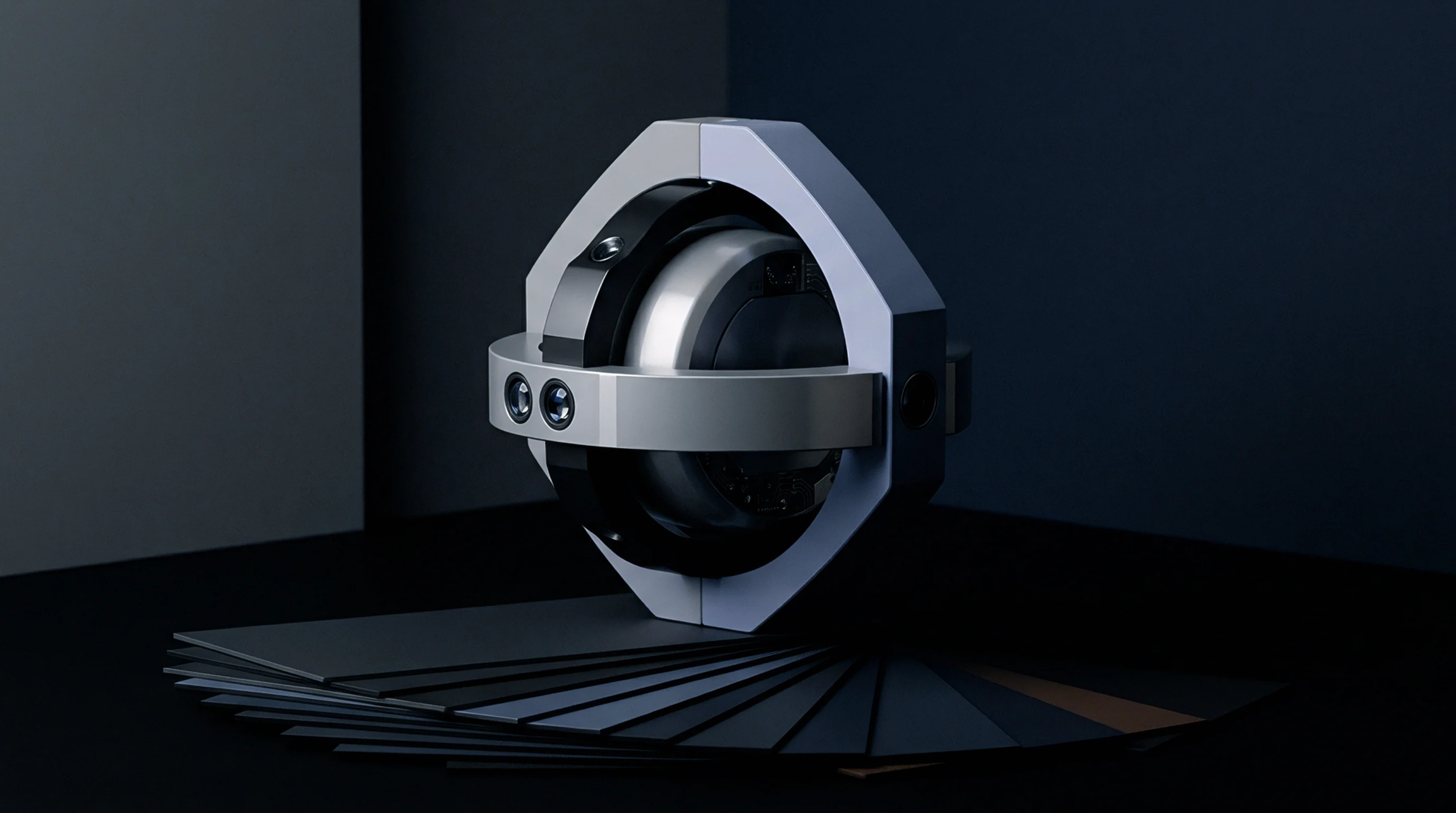
Parasitic light sensitivity in backside illuminated sensors measures optical and electrical charge leakage into the storage node during global shutter readout.

Non-linear rebalance quantization causes limit cycles and rectification errors that degrade multi-axis navigation unless suppressed by optimized dither loops.

Allan variance parameters translate into discrete Kalman covariance matrices by integrating continuous spectral densities scaled by sample interval durations.

Closed-loop inertial noise extraction isolates actuator drive noise, quantization limits, and thermal flicker through overlapping Allan variance integration bins.

Non-equilibrium microstructural evolution in silicon suspension beams drives mechanical quadrature drift beyond transimpedance amplifier saturation ceilings.

Viscoelastic interfacial relaxation across silicon resonator anchors alters structural stress, inducing predictable long-term frequency drift and Q degradation.
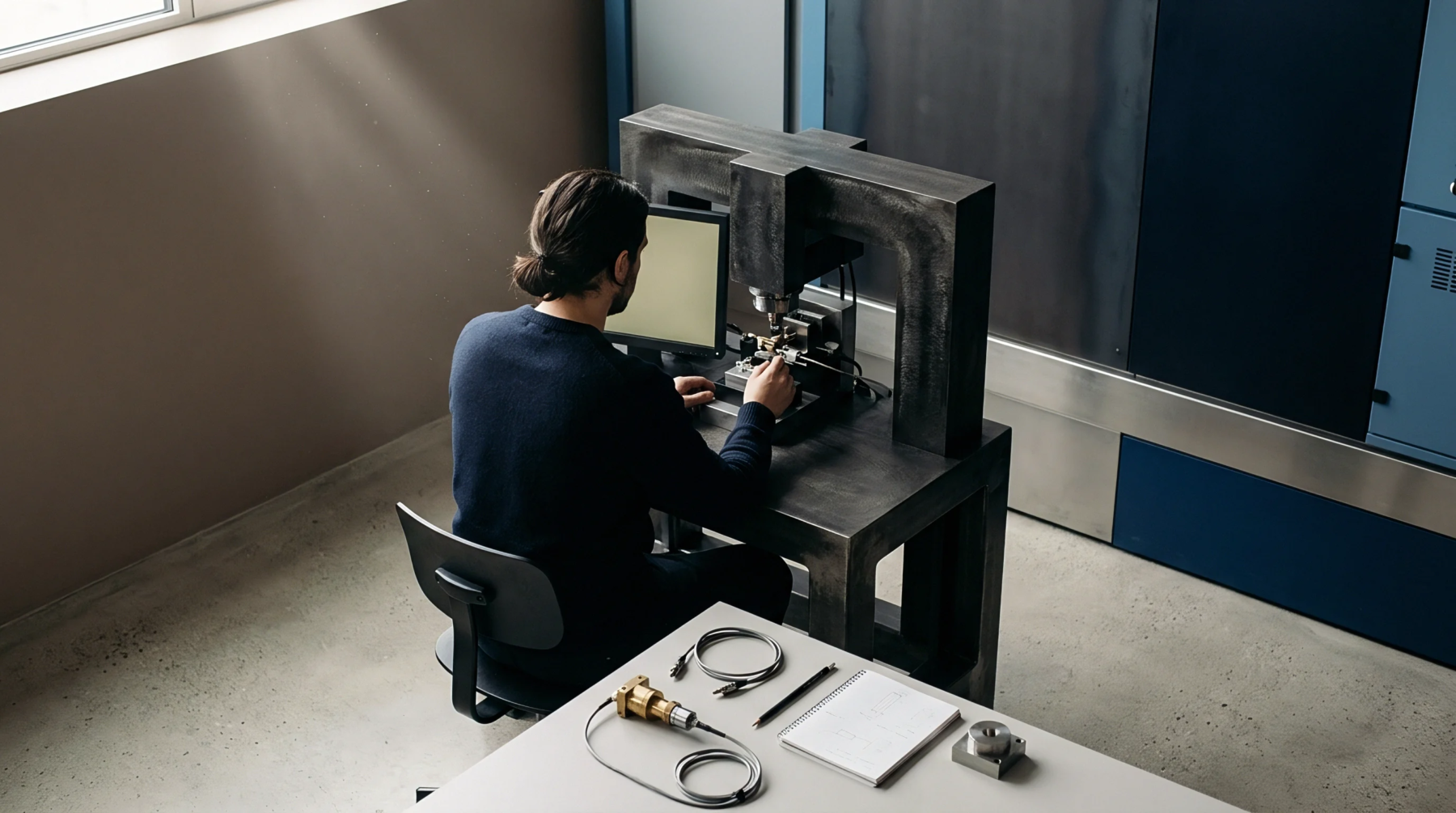
High frequency complex admittance tracking isolates liquid condensation from ambient humidity by separating dipolar relaxation from ionic interfacial dispersion.
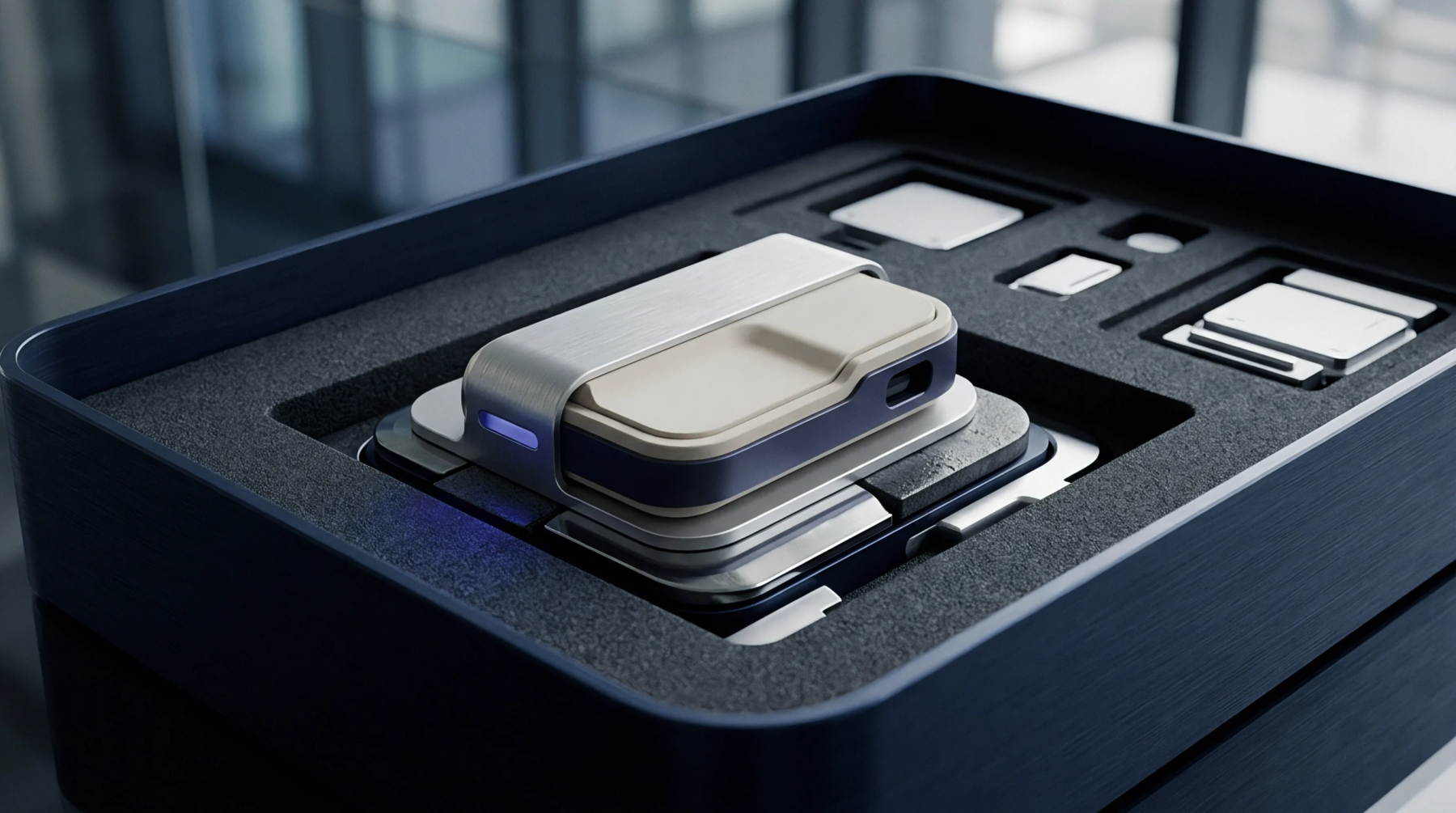
Wafer level packaging couples board assembly strain directly to MEMS suspensions, demanding mechanical anchor isolation to prevent irreversible bias drift.

Mitigate guard buffer phase lag under reactive loads by using dual-feedback lead networks that decouple heavy shield capacitance from amplifier output poles.

Active driven shielding neutralizes cable capacitance and fringe fields by holding an intermediate guard conductor at identical instantaneous sensor potential.
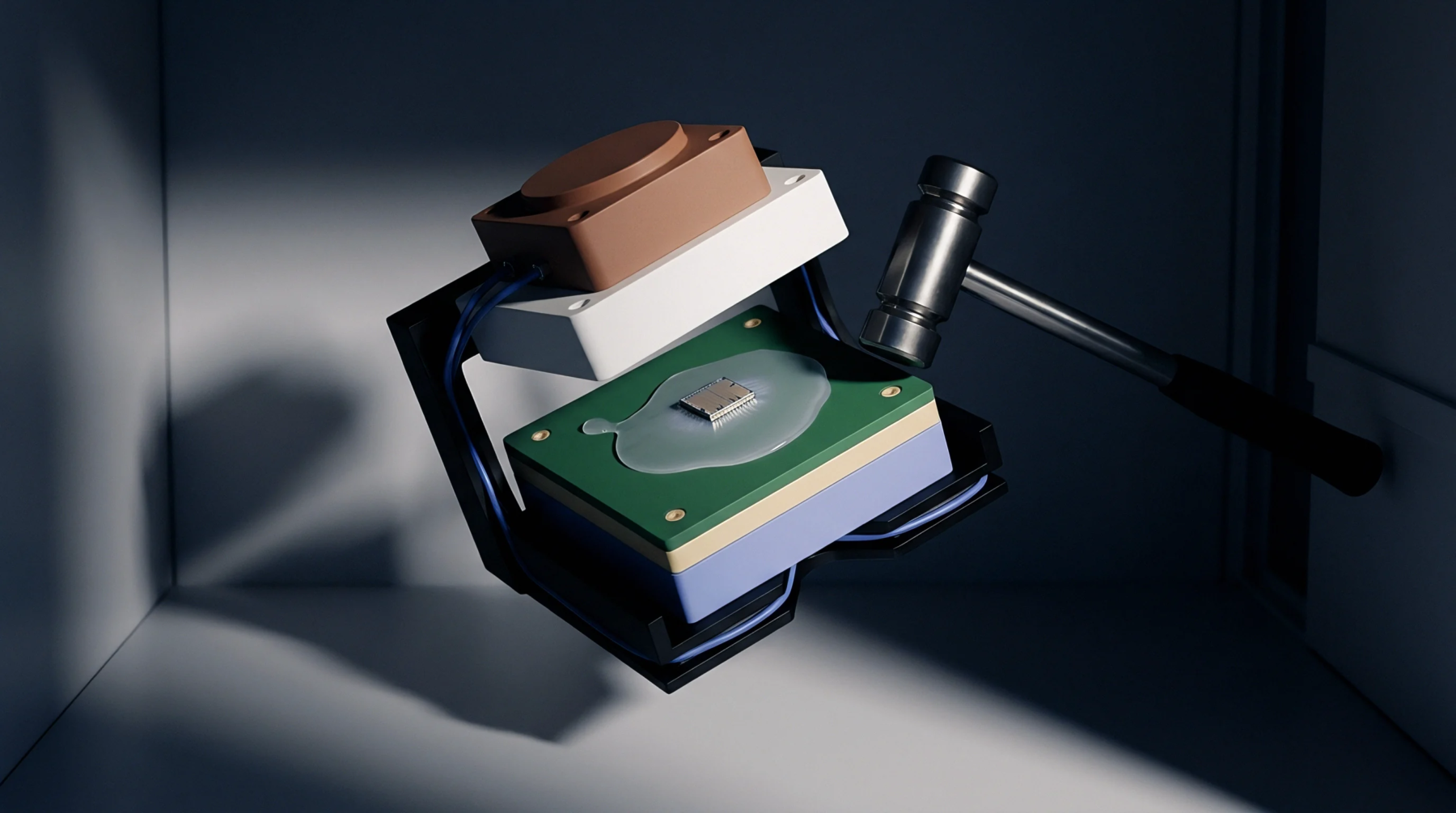
Dynamic rarefaction collapses squeeze-film damping under phase-skewed shock, requiring non-continuum kinetic modeling and high-slew front-end electronics.

Phase-dependent vibration rectification shifts multi-axis MEMS DC bias when orthogonal dynamic displacements intermodulate through non-linear tethers and combs.
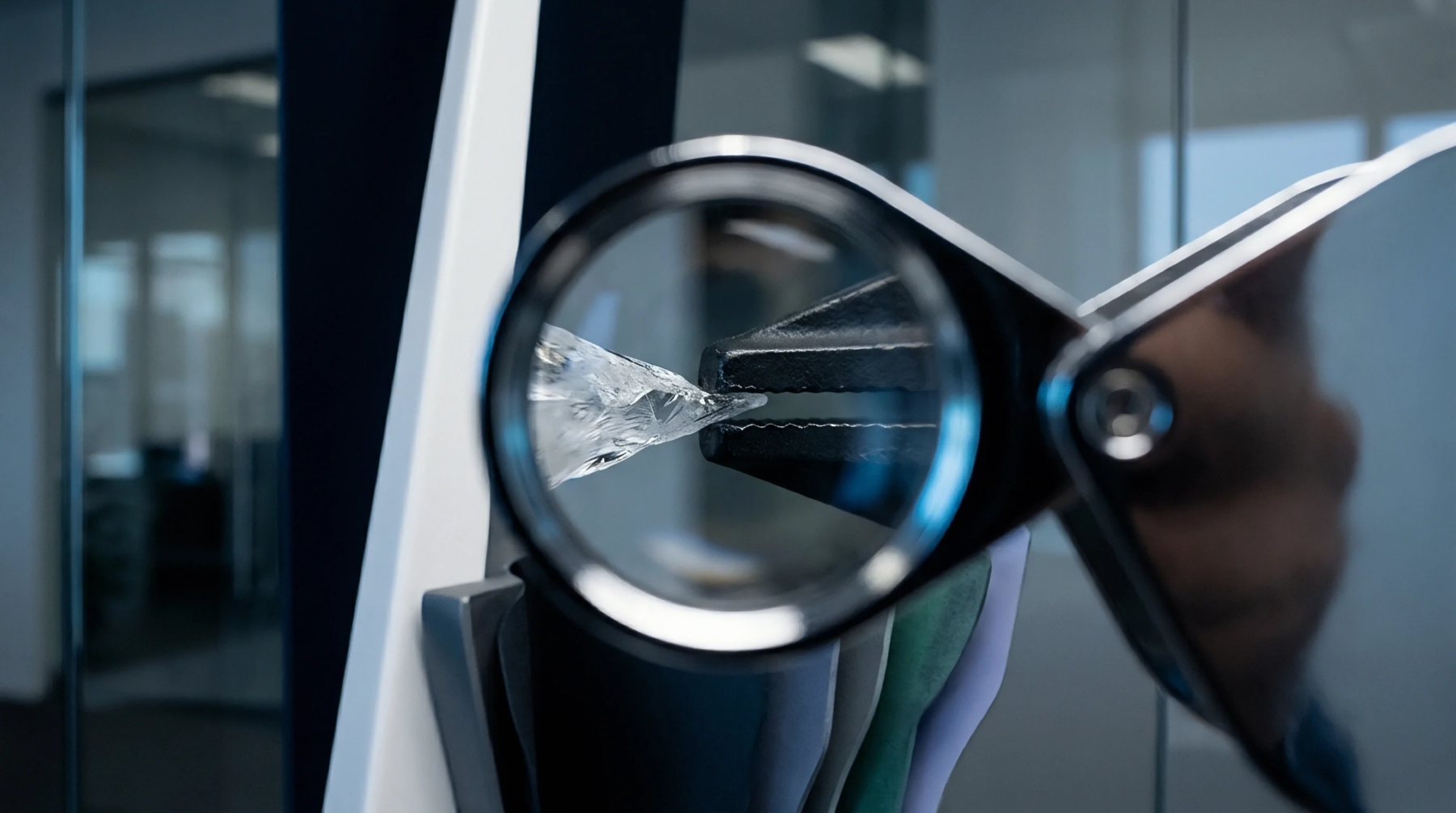
Micro-scale squeeze film mechanics govern capacitive sensor bandwidth, damping, and Brownian noise through Knudsen-dependent gas rarefaction and pressure tuning.

Strain transformation collapses high-frequency skin depth by increasing permeability, requiring multi-frequency impedance modeling to decouple phase from defects.

Optimize inductive transducer repeatability on heat treated targets by isolating distance from permeability via dual-frequency phase demodulation.

Target alloy phase selection governs inductive sensor stability: unstable austenitic grades transform to ferromagnetic martensite under machining, inducing major drift.

Sub-micron MEMS suspension stiffness degrades under polymer encapsulation via interfacial non-linear viscoelastic relaxation, shifting resonant frequency and phase.

Finite element Prony integration isolates viscoelastic die-attach relaxation from thermal gradients, preventing multi-axis sensor array bias drift.

Polymeric die attach relaxation shifts accelerometer bias by altering die strain profiles over time, demanding viscoelastic modeling during mechanical layout.

Viscoelastic package stress relaxation and thermal shock shear fatigue degrade micro-sensor offset stability, requiring void-free compliant die attach.

Substrate thermal diffusion fields distort piezoresistive sensitivity tensors via localized expansion stresses, requiring centrosymmetric bridge layouts.

Asymmetric thermal gradients induce localized mechanical strain in silicon MEMS transducers, causing uncompensated sensor drift that defies scalar calibration.

Thermal degradation of silicon piezoresistive coefficients and dopant migration drive irrecoverable sensitivity loss and zero drift above 150 Celsius.

Degenerate boron implantation above 8e19 cm-3 pins the Fermi level into the valence band, matching TCR to TCGF for passive constant-current bridge compensation.
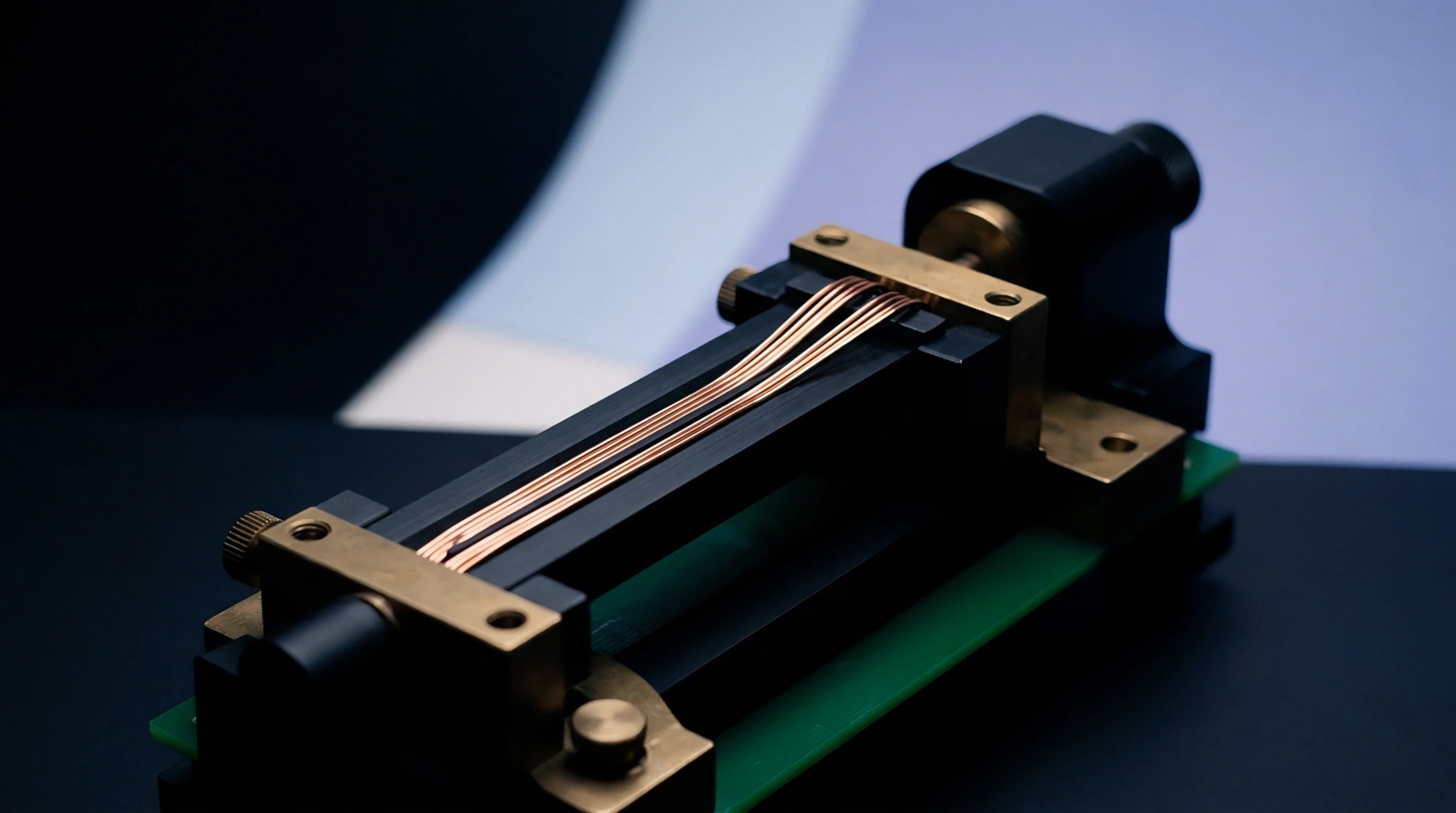
Doping concentration governs the trade-off between piezoresistive gauge factor and thermal drift while crystallographic alignment sets mechanical strain sensitivity.

Dynamic Farrow fractional delay filtering tracks thermal and rail fluctuations to cancel dual-sourced transducer group delay skews in real time.

Dual sourced sensor phase distortion corrupts fusion pipelines through unmodeled group delay mismatches, requiring dynamic transfer function verification.
Expertise is a utility, not a secret. sentiention™ publishes its working knowledge as open reference: intelligence layer covering the materials it sources, the markets it enters, and the reference that serves both.