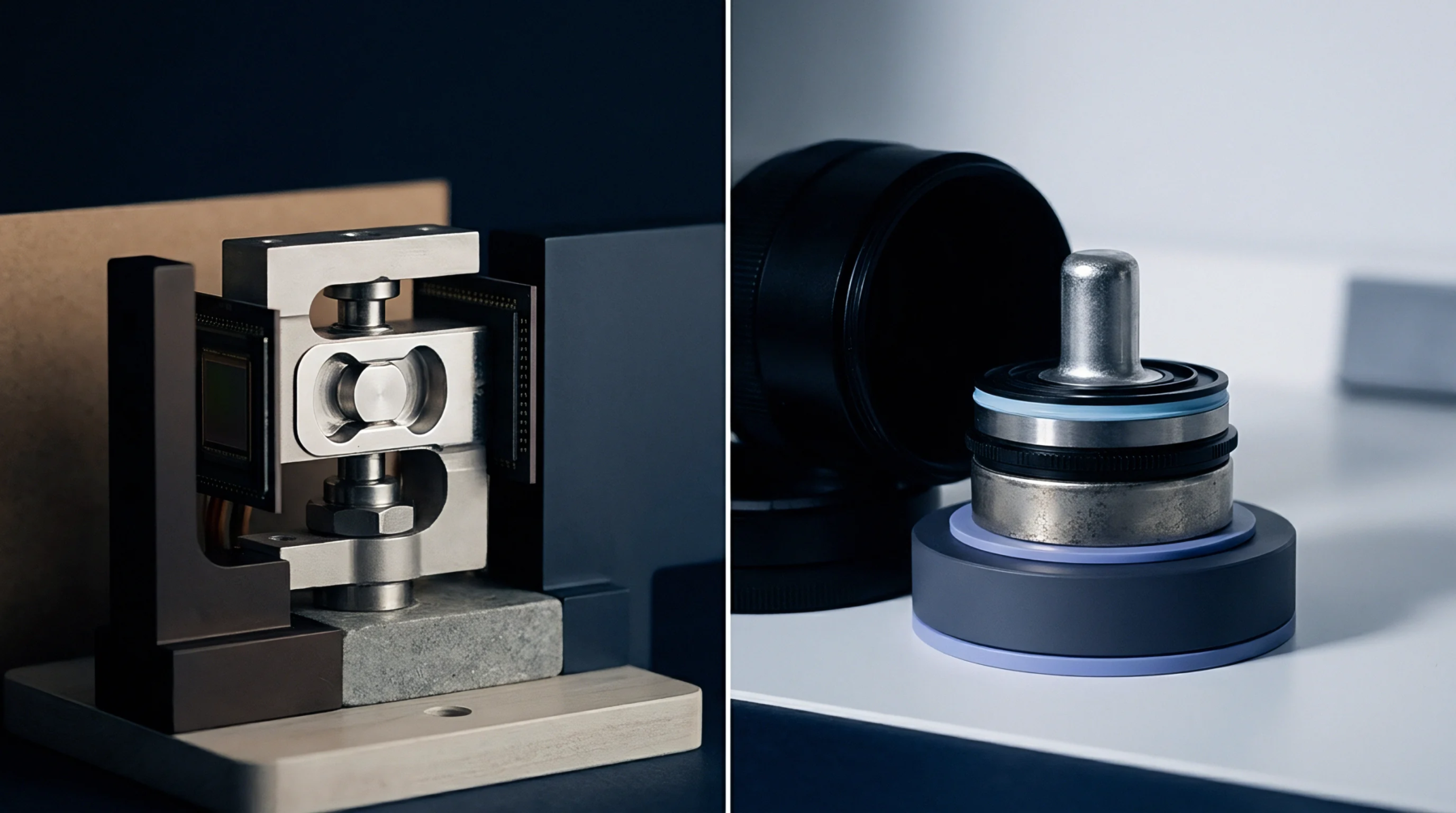
Characterizing Dielectric Strain Coupling in Multilayer Ceramic Components
Multilayer ceramic components generate microphonic noise through piezoelectric coupling, manageable via Class I dielectrics or soft terminations.
Multilayer ceramic components generate microphonic noise through piezoelectric coupling, manageable via Class I dielectrics or soft terminations.
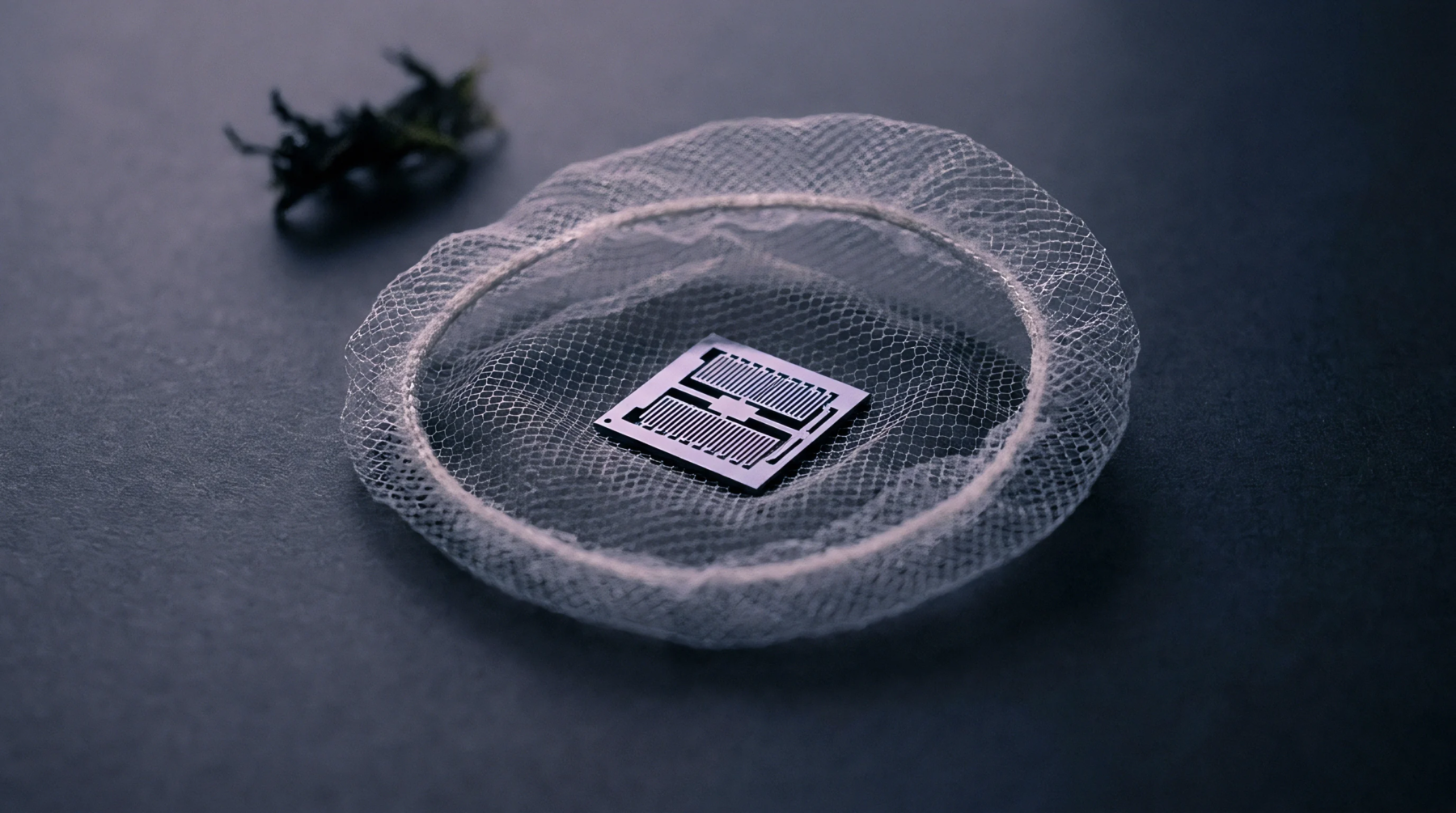
Severe thermal deceleration profiles trigger piezocapacitive substrate stress hysteresis in hyperabrupt varactors, forcing transient frequency offsets in RF tuning circuits.
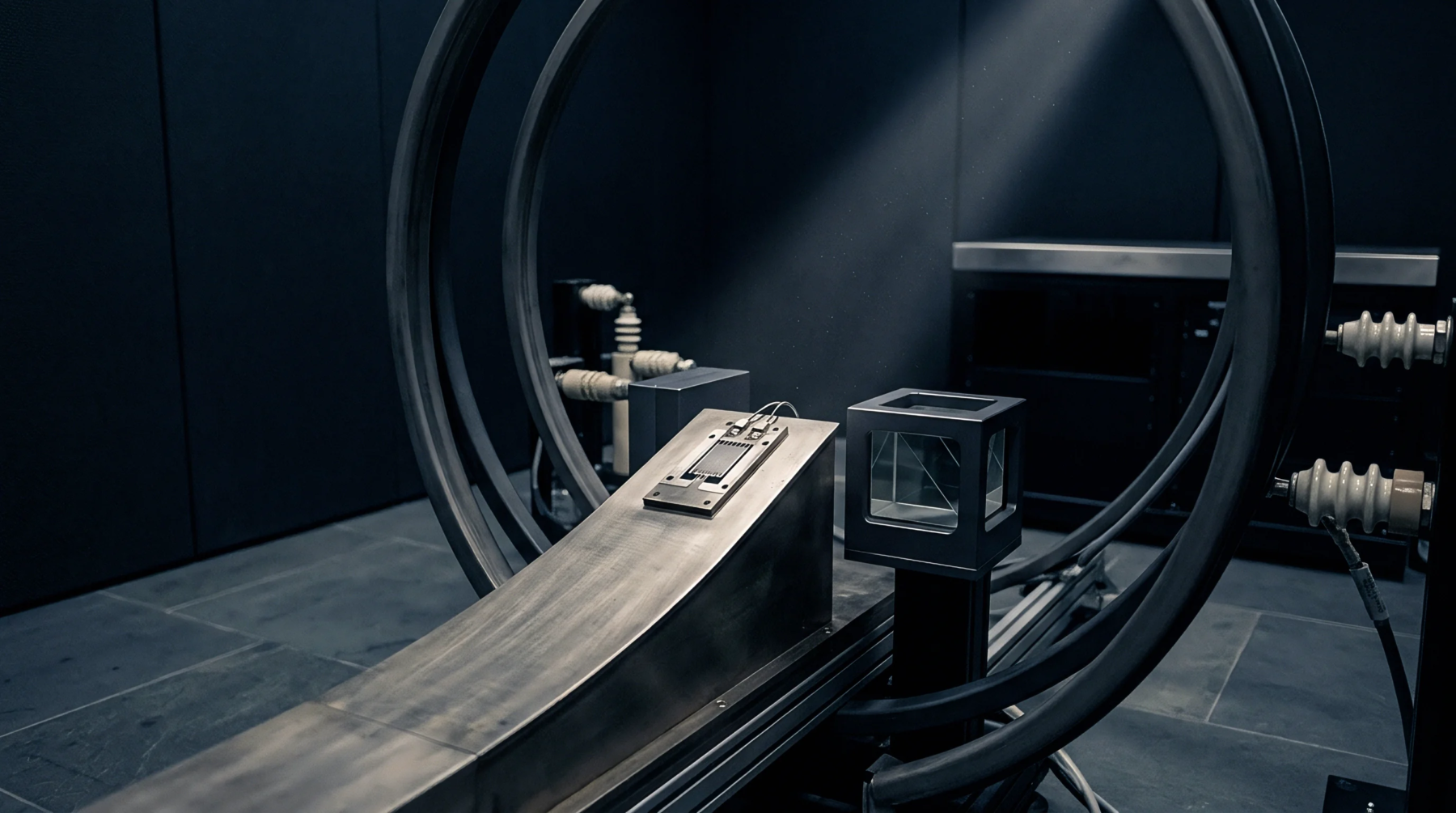
Multi sensor thermal gradient modeling compensates transient substrate dynamics to hold RF voltage controlled oscillator frequency drift below 0.5 ppm.
Dynamic thermal shock induces transient capacitance drift in hyperabrupt varactors via junction temperature lag, requiring analog derivative feedforward or pilot-tone tracking for bias correction.

Modeling temperature-dependent built-in potential and grading coefficients prevents uncompensated phase noise degradation and RF tuning frequency drift.
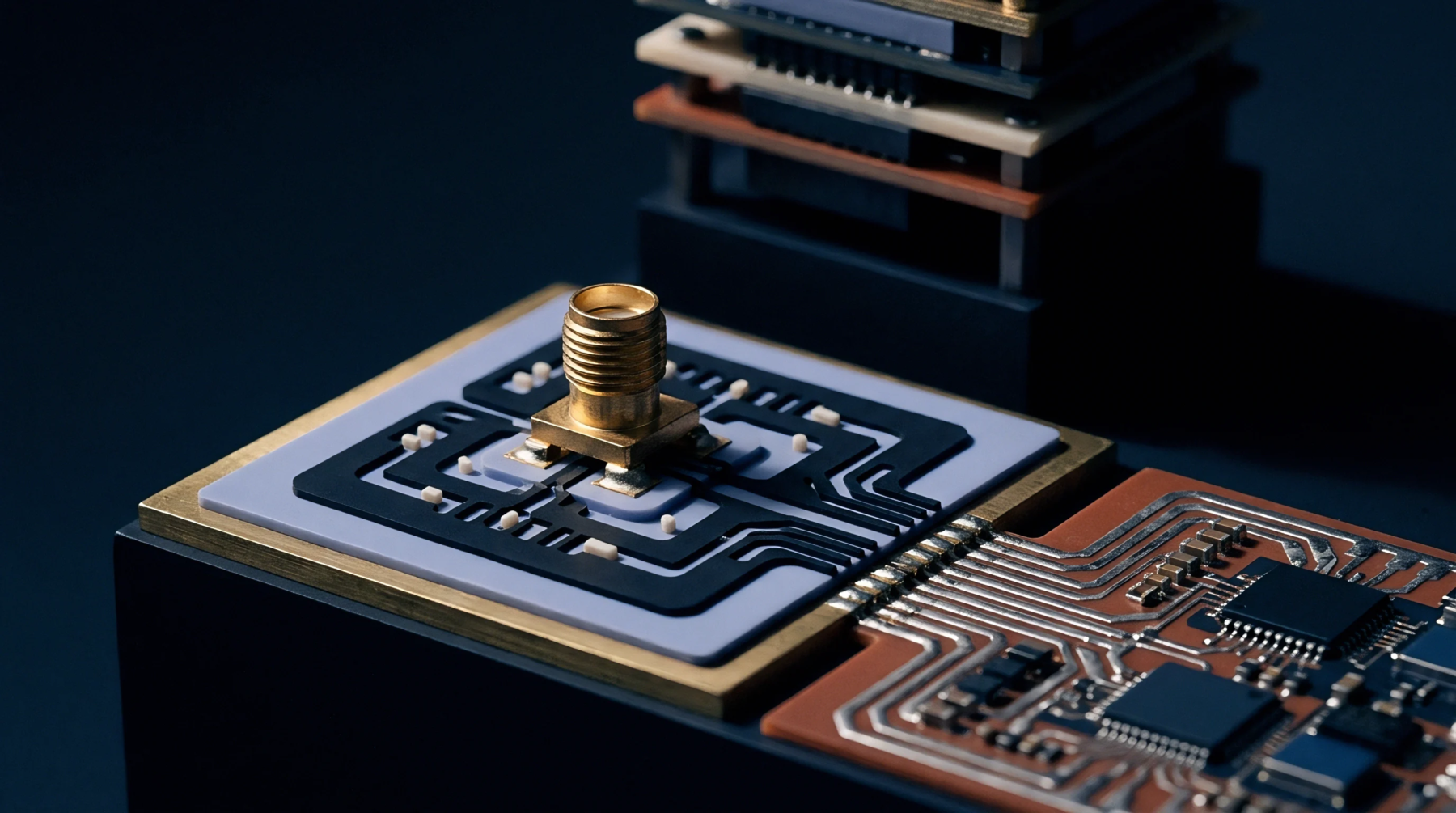
Matching negative TCC Class 1 ceramic capacitors to positive inductor drift stabilizes high frequency oscillator frequency across wide temperature spans.
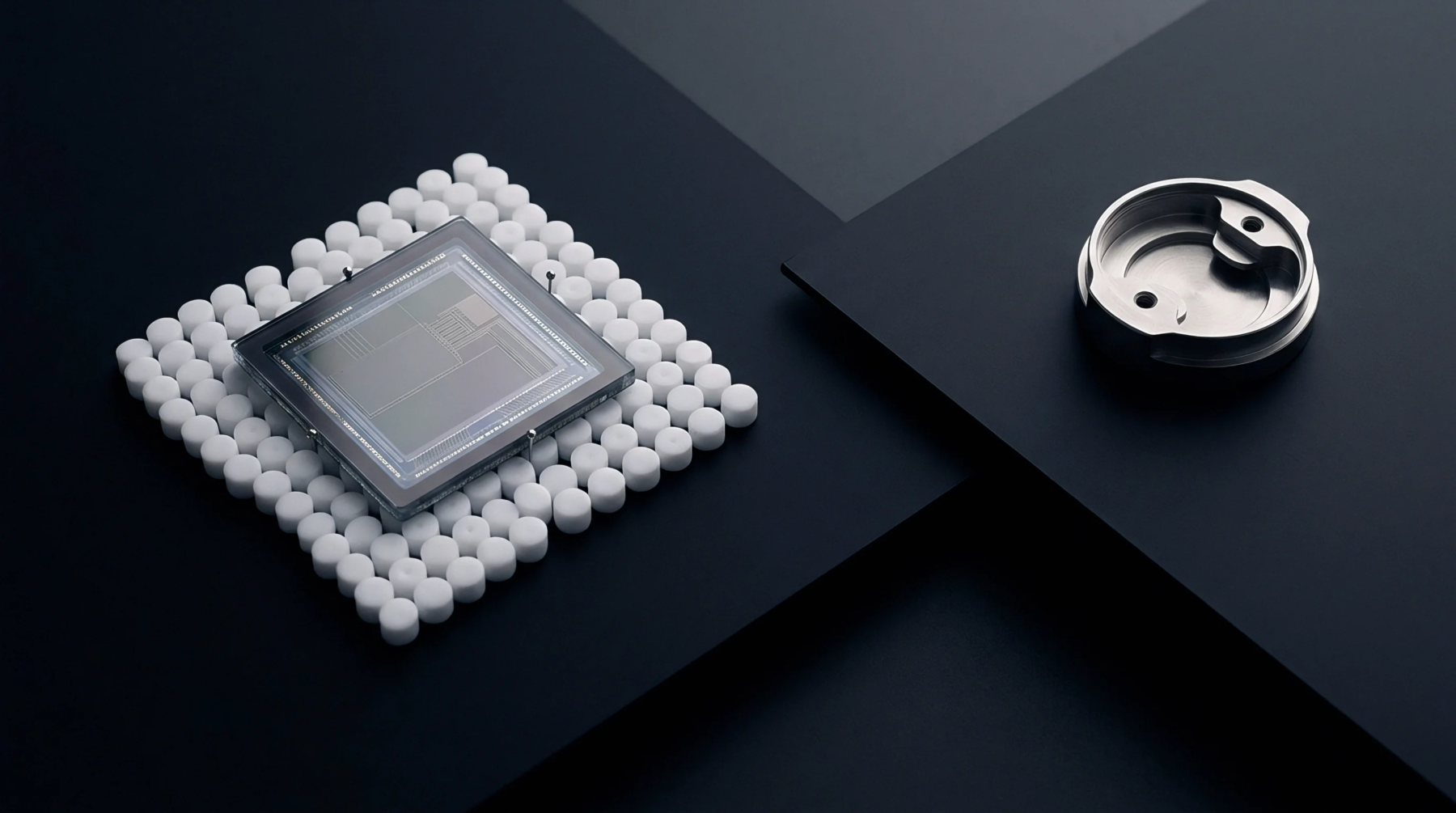
Core thermal expansion induces stress-driven permeability shifts that alter high-frequency inductance beyond simple geometric expansion ratios.

Cryogenic parametric instability requires mode frequency detuning above 1 Hz or active electrostatic feedback to bound parametric gain below unity.

Non-uniform thermal gradients induce higher-order thermoelastic dissipation, degrading resonant sensor Q-factors beyond classical Zener damping limits.

Thermoelastic damping limits MEMS beam quality factors when mechanical resonance matches thermal relaxation frequency across the beam thickness.
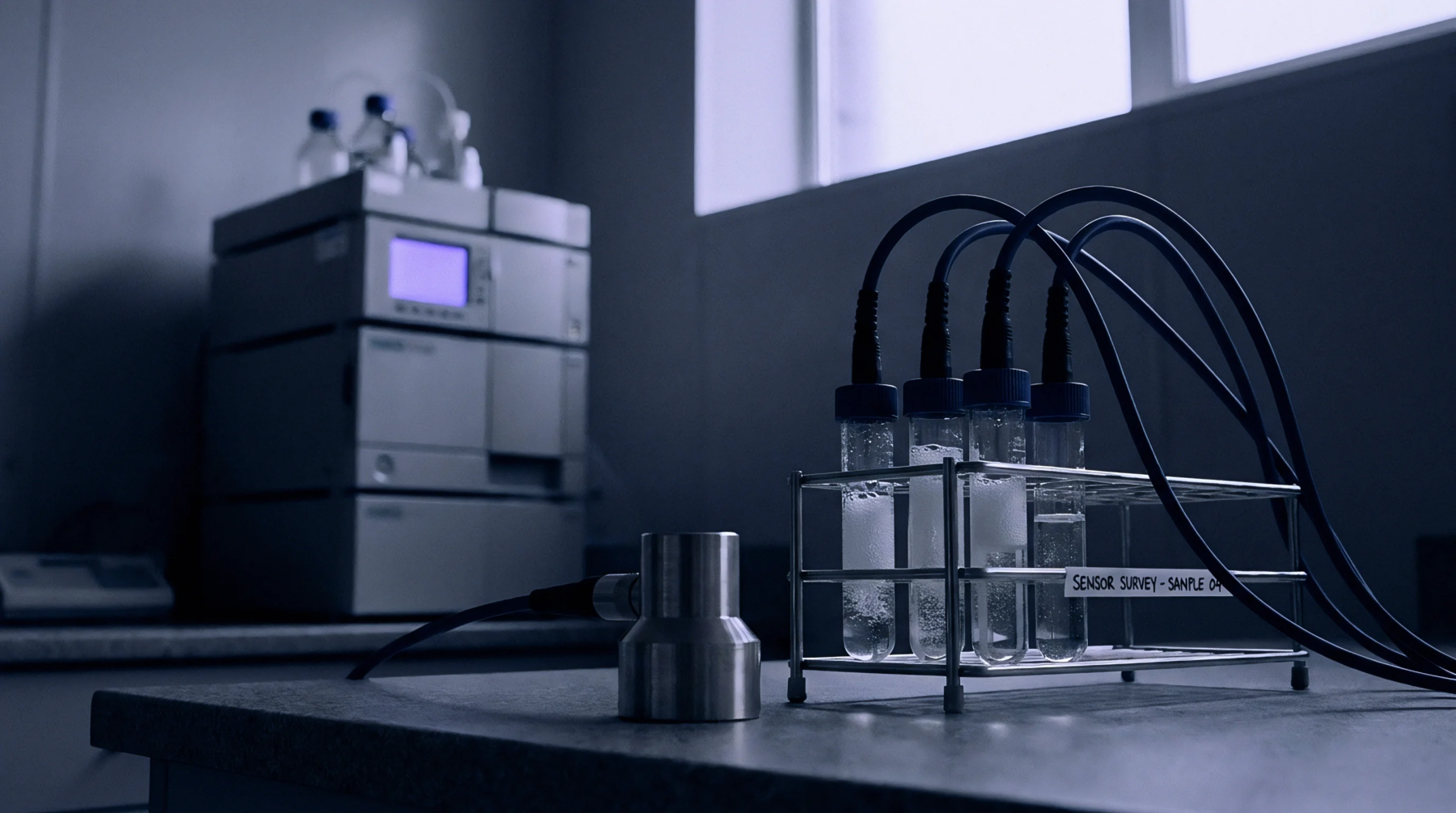
Dynamic thermal cycling in sub-Torr diode arrays causes forward voltage hysteresis via interface trap charging and substrate stress relaxation.

Dynamic multi-node thermal state observers eliminate transient frequency pulling in sub-Torr resonators where single-point sensors fail from anchor phase lags.
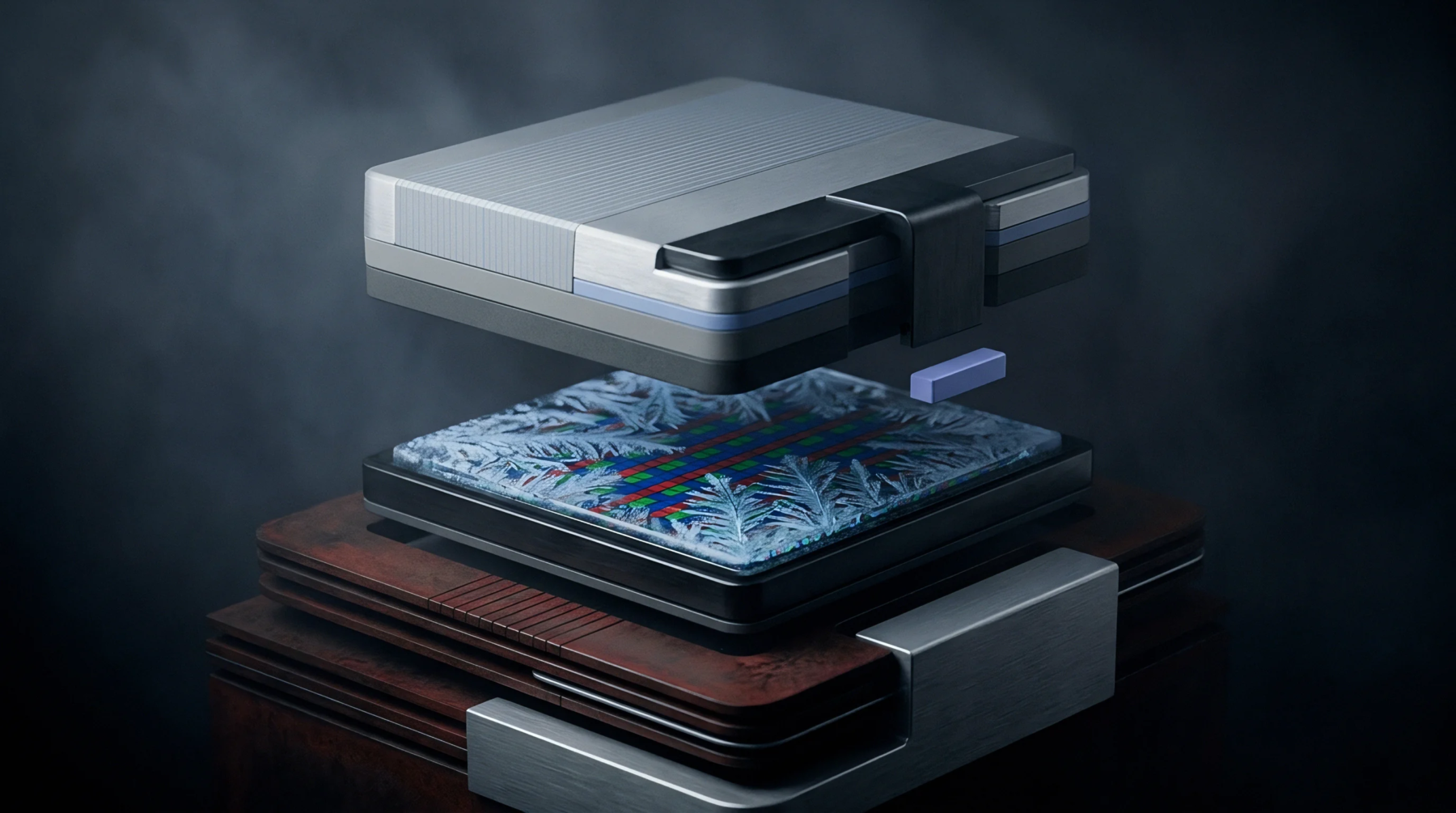
Thermal stress accelerates species desorption and diffusion inside wafer-level cavities, requiring Arrhenius modeling and non-evaporable getters for vacuum stability.
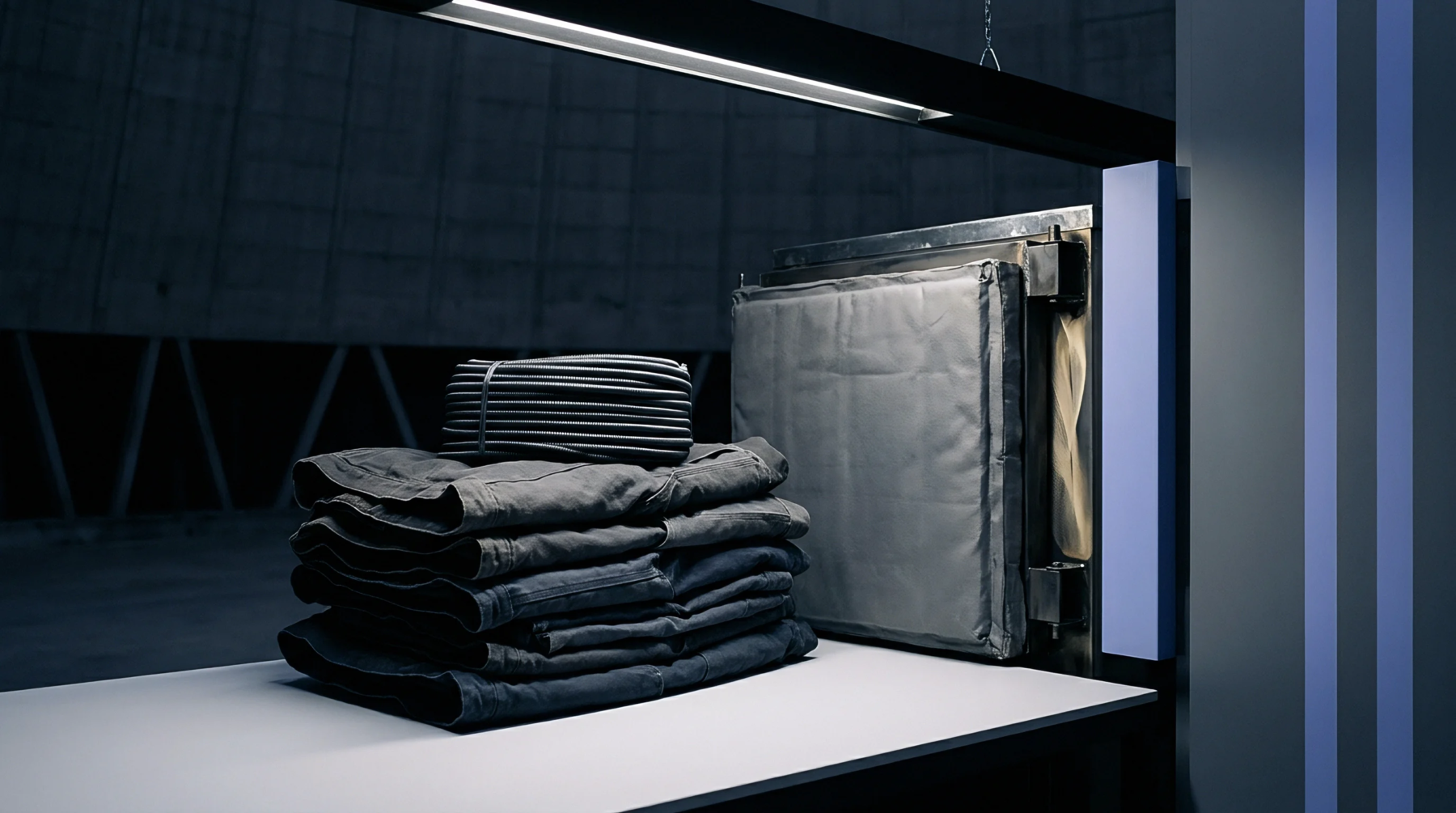
Vacuum-encapsulated MEMS resonators require high-order polynomial thermal mapping to correct intrinsic silicon softening and anchor-induced packaging stress.

Silicon crystallographic orientation governs resonator frequency drift by dictating elastic stiffness, temperature coefficients, and packaging stress coupling.

Dual-mode temperature sensing simultaneously tracks two structural resonance frequencies on one silicon element to eliminate spatial thermal lag without extra sensors.

High permeability inductive phase stability depends on keeping multi-frequency excitation fields below target saturation while balancing skin depth flux shifts

Complex impedance tracking decomposes inductive coil signals into resistance and reactance to decouple physical displacement from target conductivity and temperature.

Digital Gram-Schmidt matrix compensation corrects gain mismatch and quadrature phase skew in resonant inductive front ends to achieve sub-micron position accuracy.

Multi-frequency impedance demodulation decouples temperature-induced resistivity drift from nonlinear permeability dispersion in ferrous target sizing.
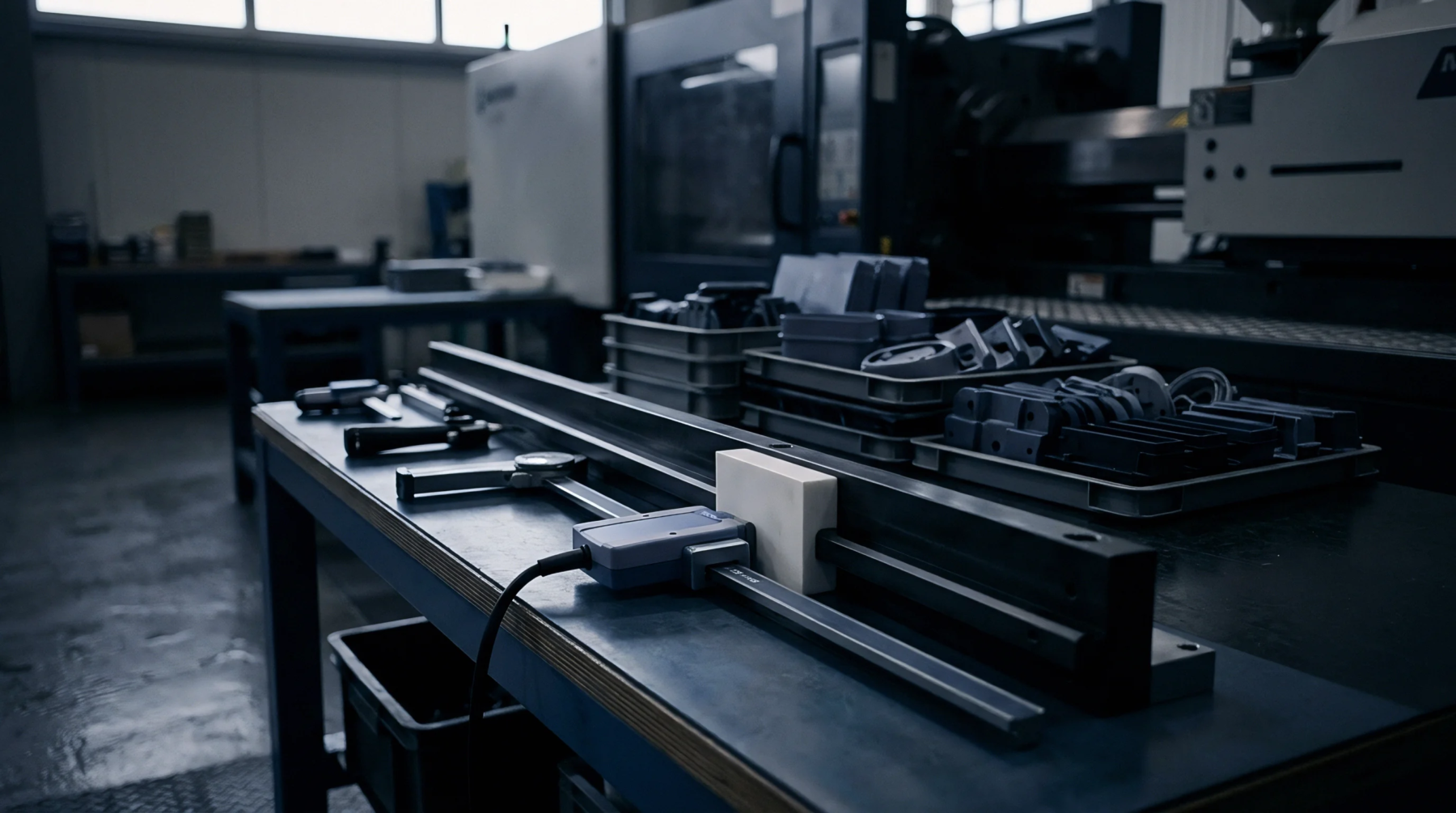
High frequency eddy current sensing relies on electromagnetic skin depth compression to measure displacement through reflected coil impedance shifts.

Electromagnetic field penetration requires target thickness exceeding three skin depths to prevent substrate distortion during eddy current sensor calibration.
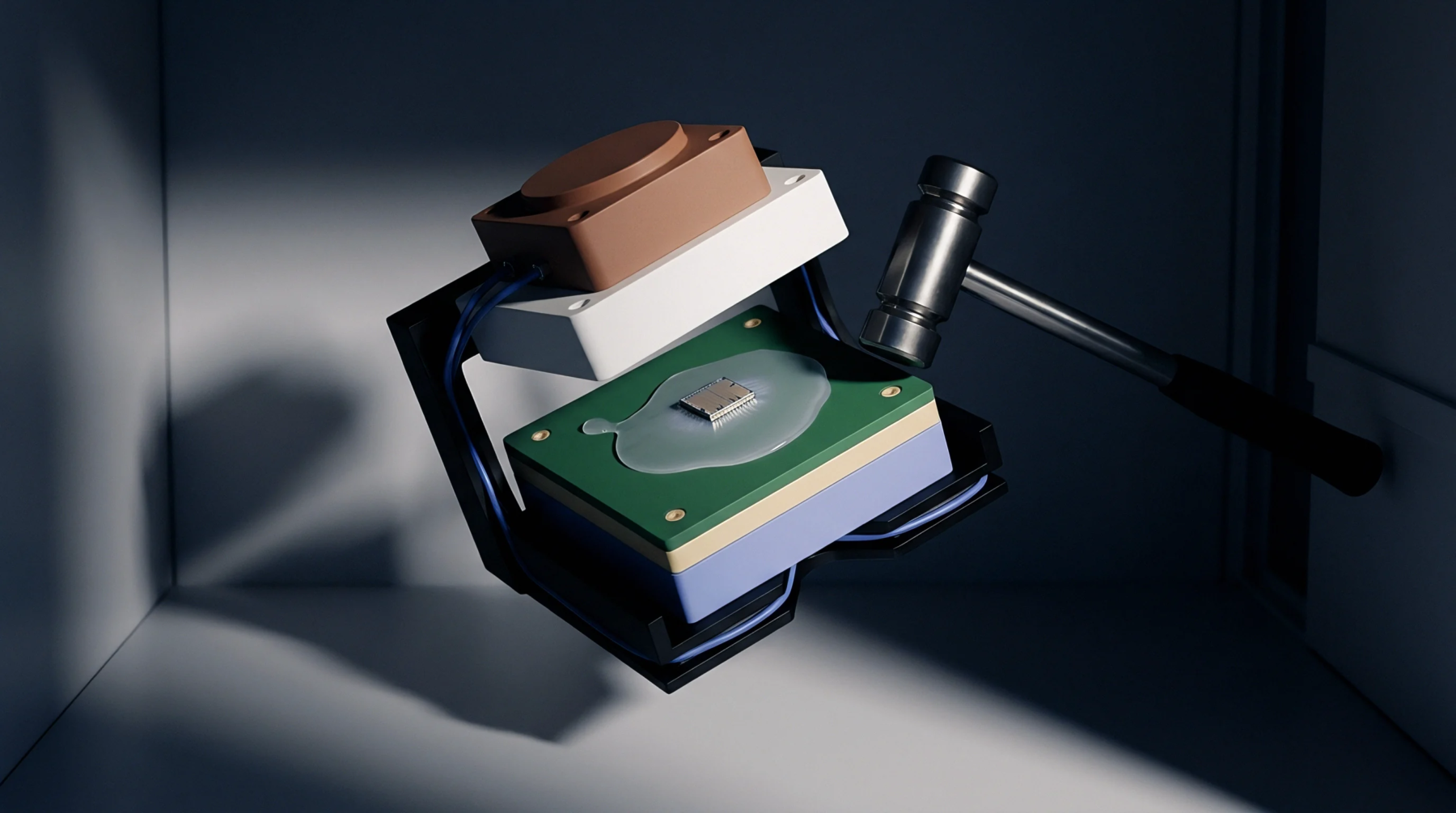
Viscoelastic die attach relaxation shifts MEMS anchor forces over time, altering stiffness symmetry and driving severe uncompensated gyroscope quadrature drift.

Packaging strain shifts piezoresistive matrix coefficients; active on-die stress monitoring and dynamic matrix inversion preserve multi-axis calibration accuracy.
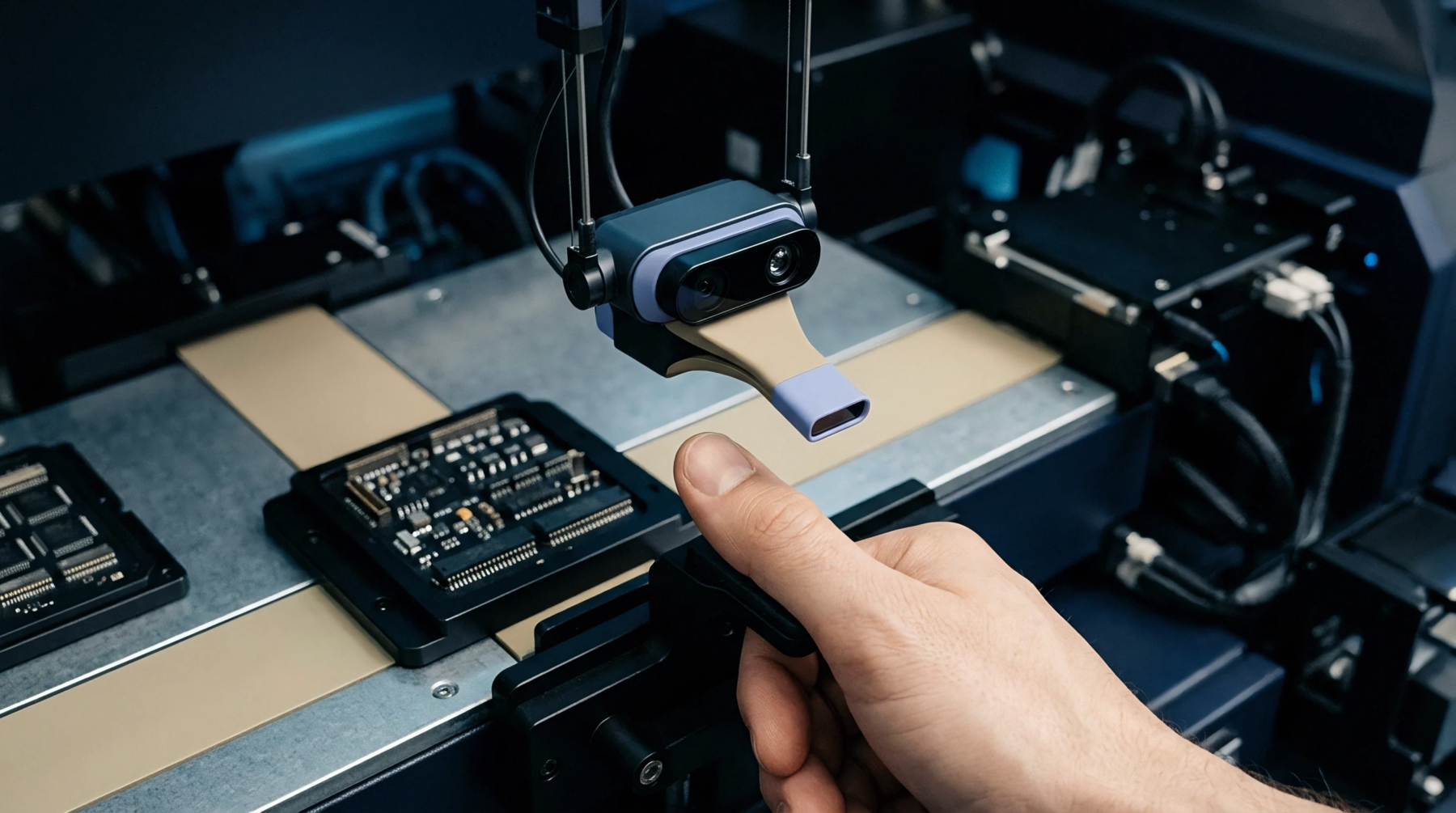
Thin-film stress gradients warp silicon sensor wafers, introducing overlay runout in steppers and severe bridge offset drift across piezoresistive diaphragms.
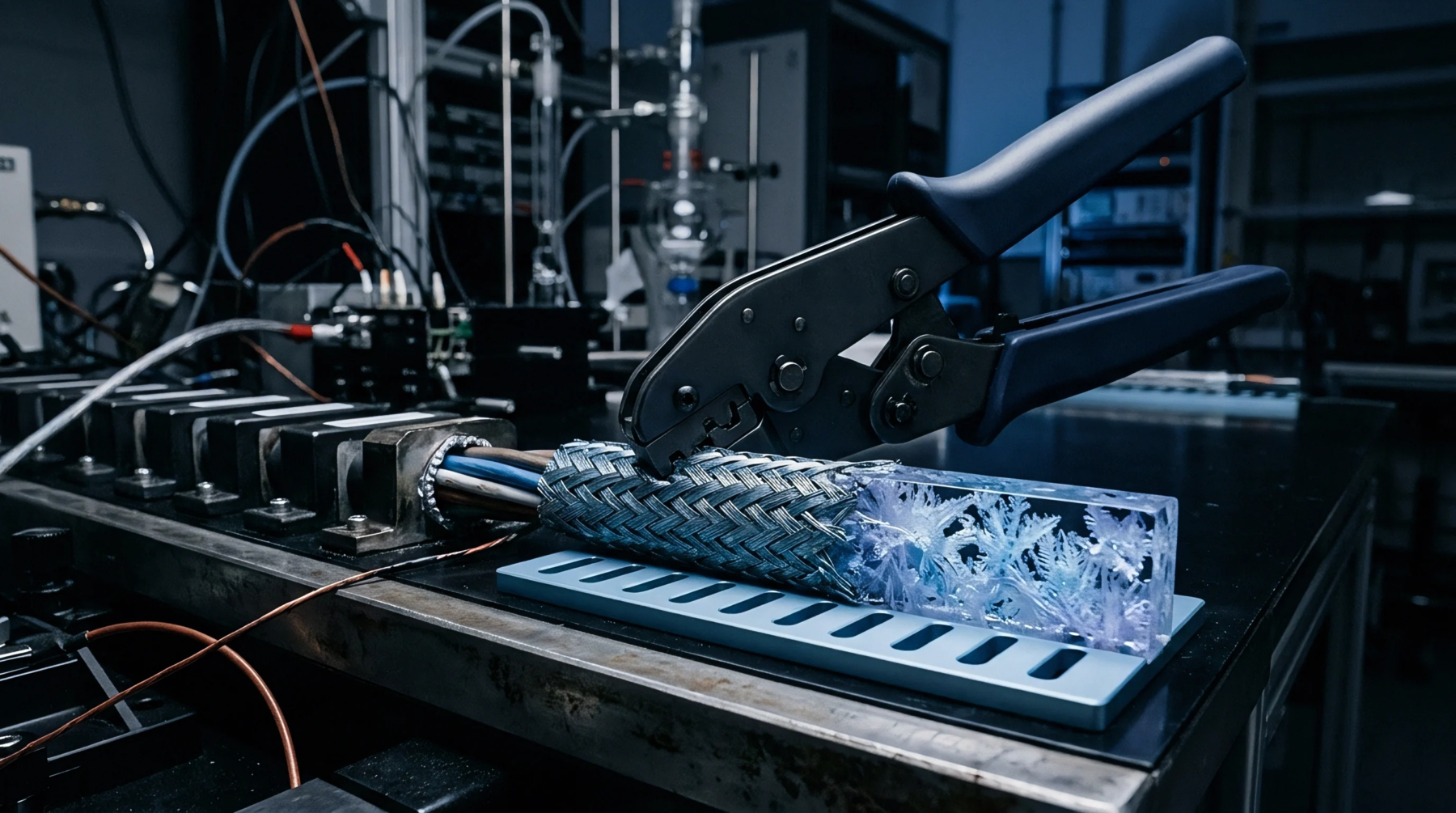
Subsea gyroscope potting matrices require pressure-corrected dynamic mechanical analysis and Prony series modeling to prevent long-term stress-induced zero-bias drift.

Potting elastomers with storage modulus below five megapascals across operating temperatures prevent asymmetric stress from degrading tactical gyro bias stability.

Compliant potting matrices eliminate interstitial voids and stabilize quadrupole fiber geometry to suppress Shupe thermal drift and vibration rectification.

Polymeric vitrification during cryogenic transitions transforms soft potting into a high-modulus matrix, causing irreversible stress drift on embedded sensors.
Quadrupolar winding cancels dynamic thermal phase bias in optical coils by matching spatial heat diffusion delays between symmetric fiber counter-propagation loops.
Expertise is a utility, not a secret. sentiention™ publishes its working knowledge as open reference: intelligence layer covering the materials it sources, the markets it enters, and the reference that serves both.