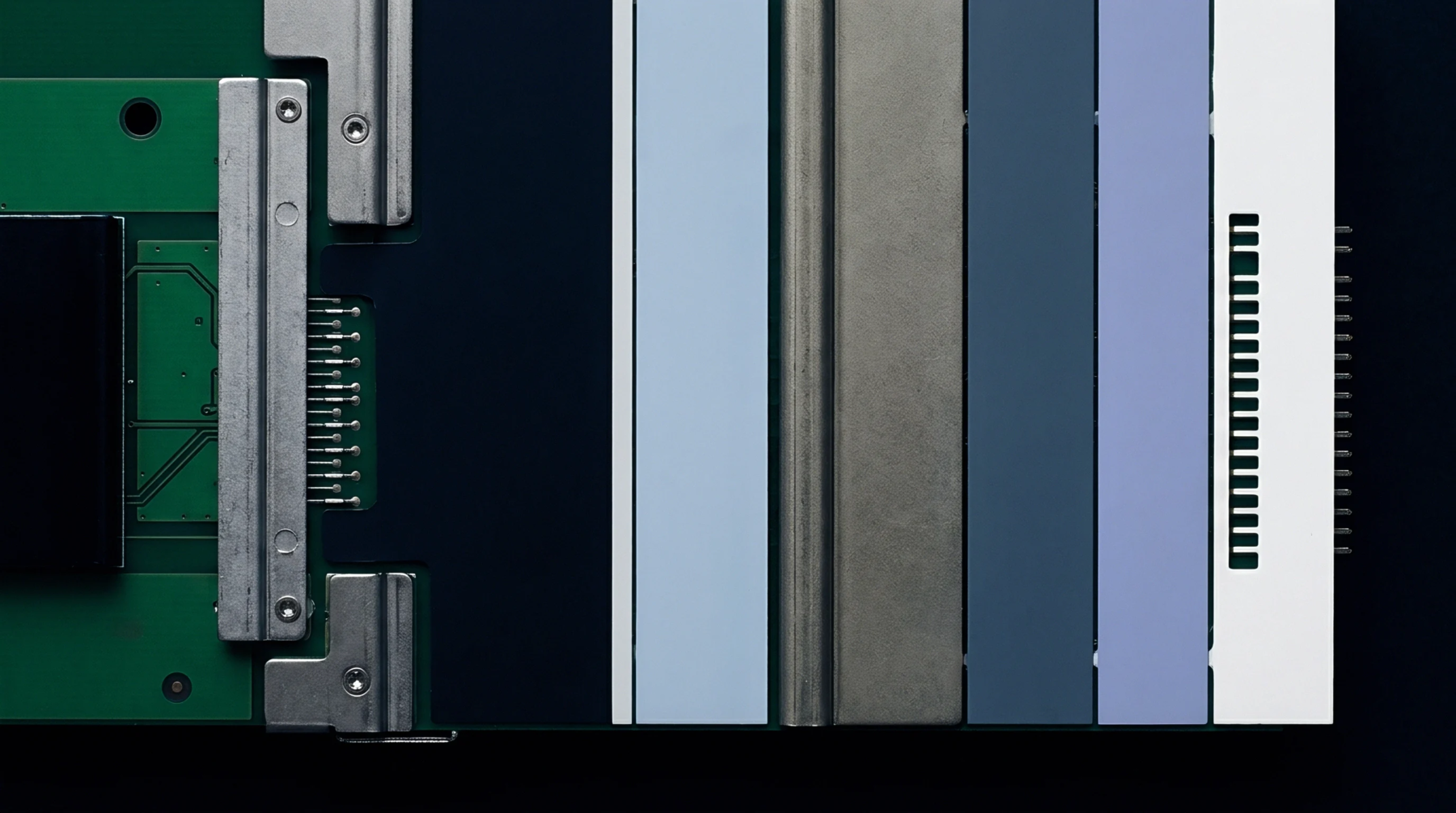
Transient Thermal Impedance Measurement in Semiconductor Die Attach Layers
Transient thermal impedance measurement isolates semiconductor die attach voids by deconvolving time-domain cooling curves into spatial structure functions.
Transient thermal impedance measurement isolates semiconductor die attach voids by deconvolving time-domain cooling curves into spatial structure functions.
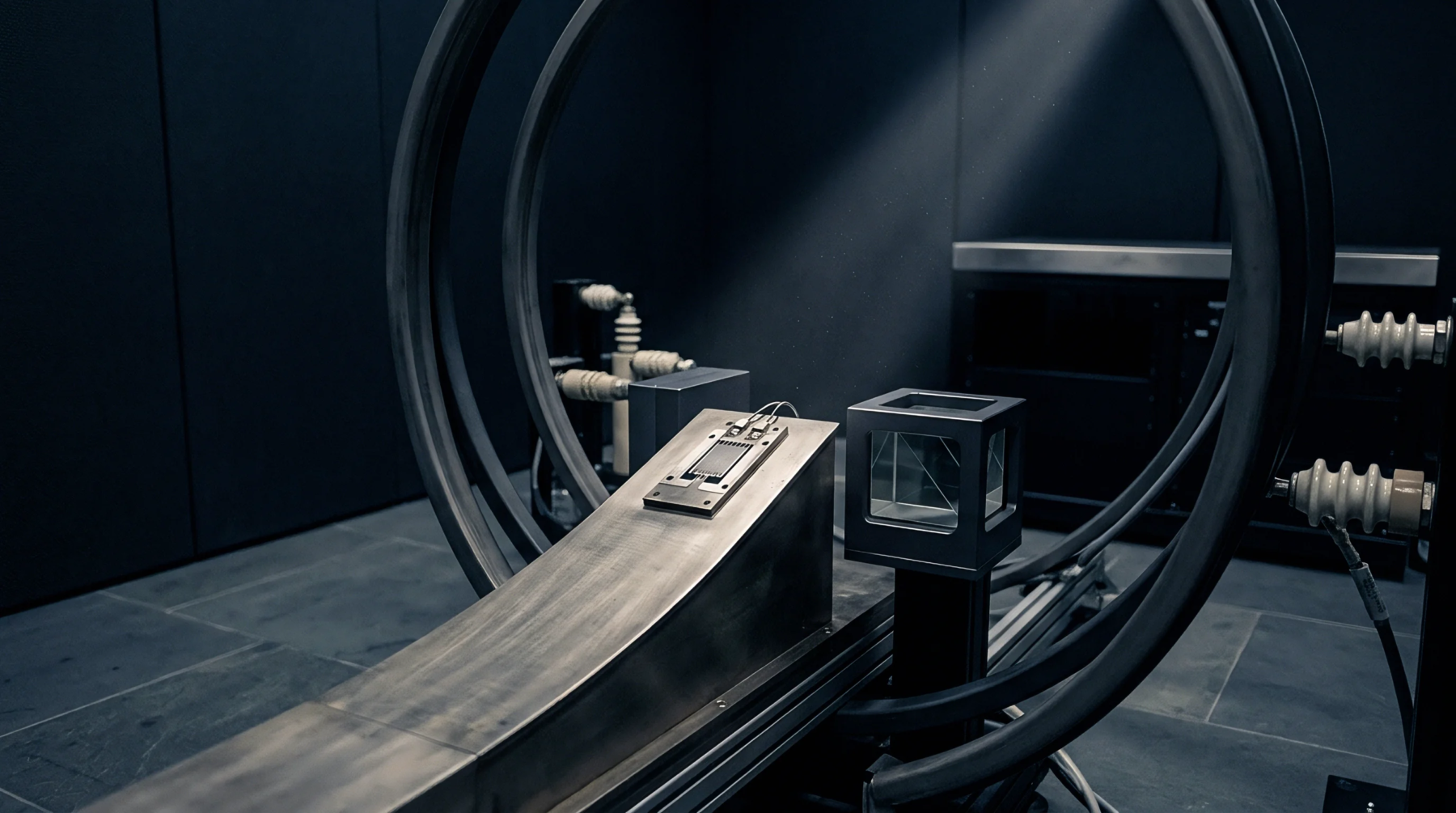
Augmenting transient observer state vectors with nonlinear Maxwell viscoelastic die attach models eliminates sensor drift between 77 Kelvin and 473 Kelvin.
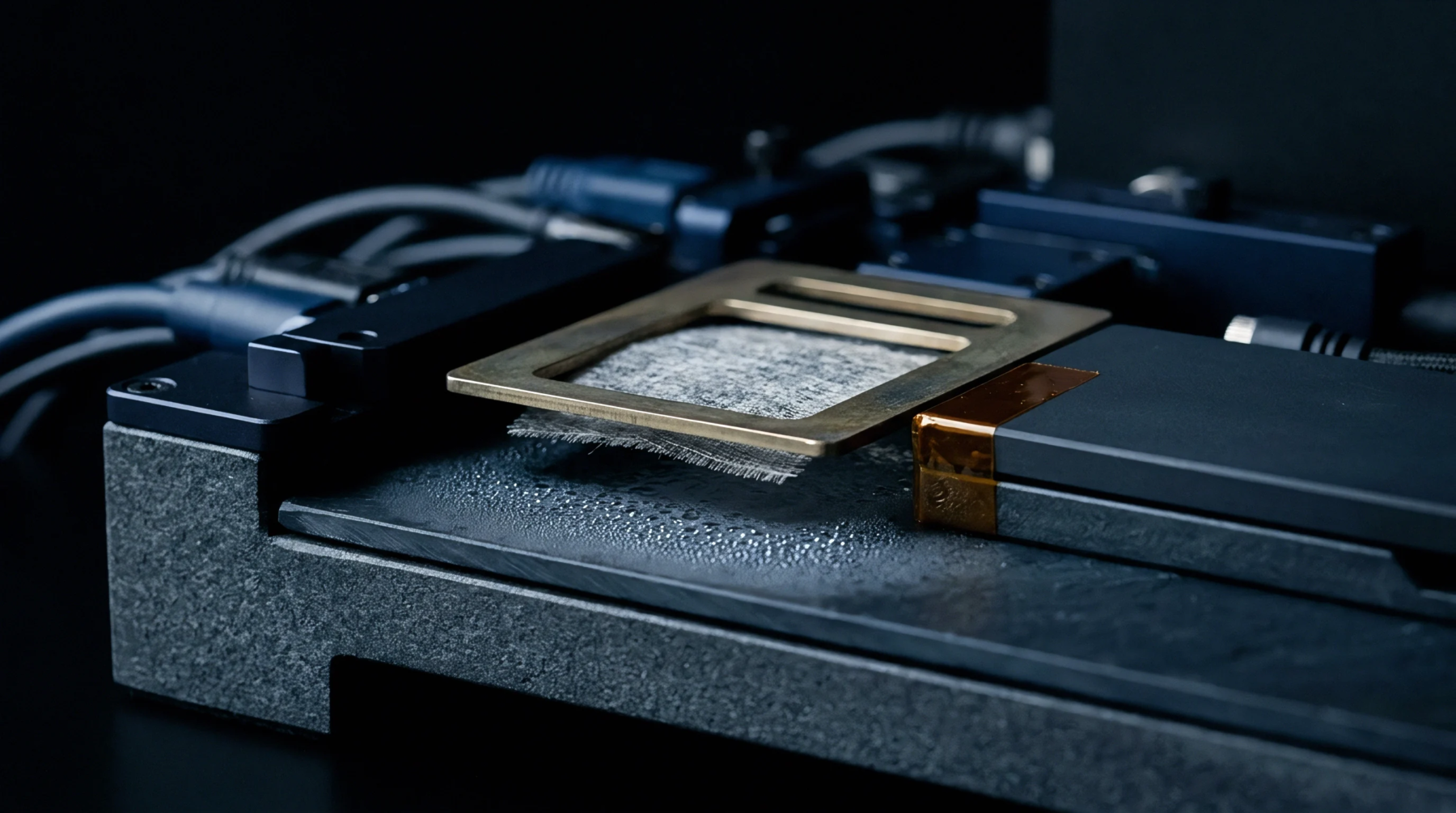
Lumped parameter state space observers reconstruct true sensor inputs by modeling internal transducer dynamic lag in firmware to eliminate delay and phase lag.
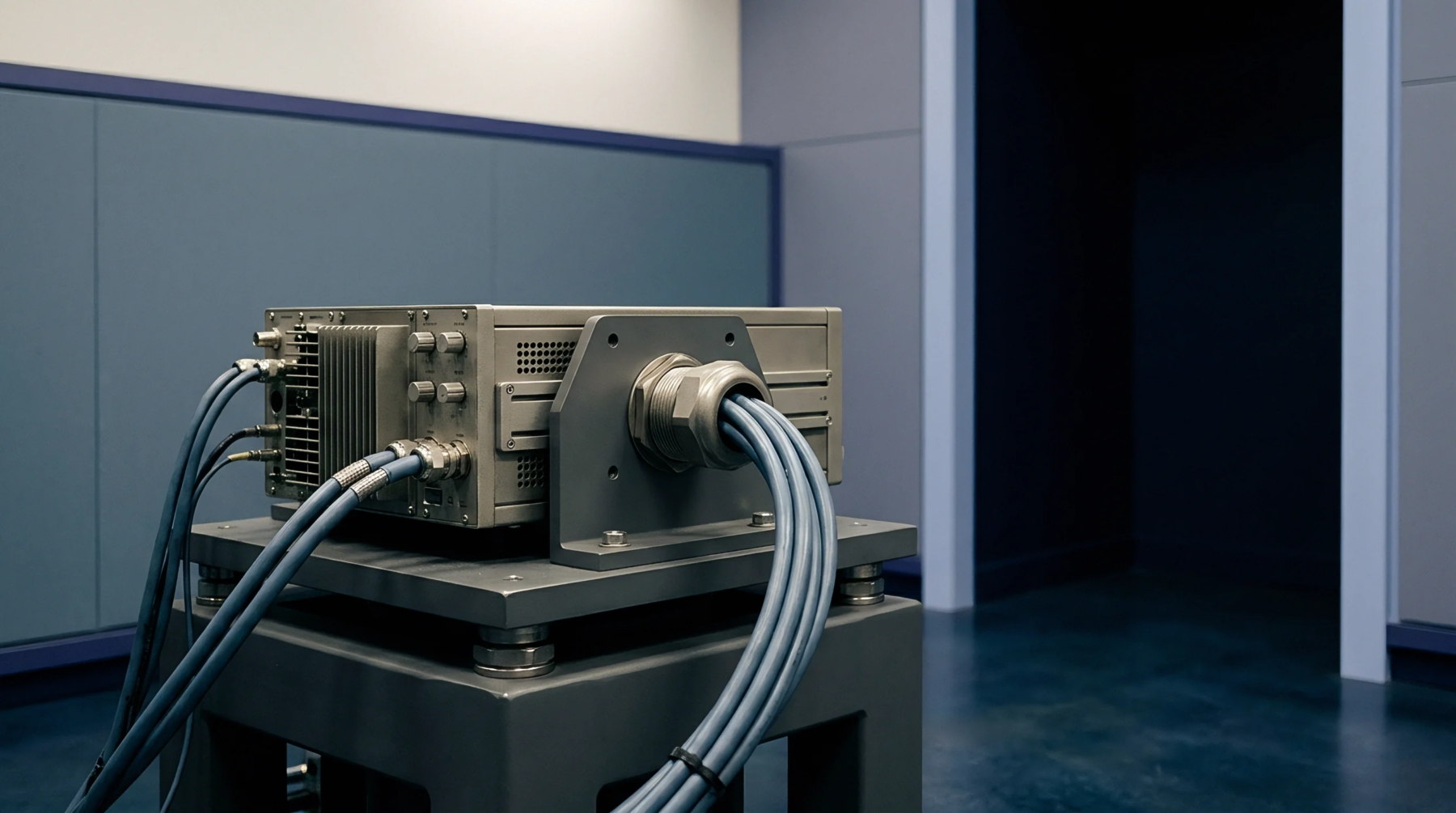
Tactical IMU thermal bias modeling requires combining static higher-order polynomials with real-time temperature derivative terms to eliminate dynamic lag errors.
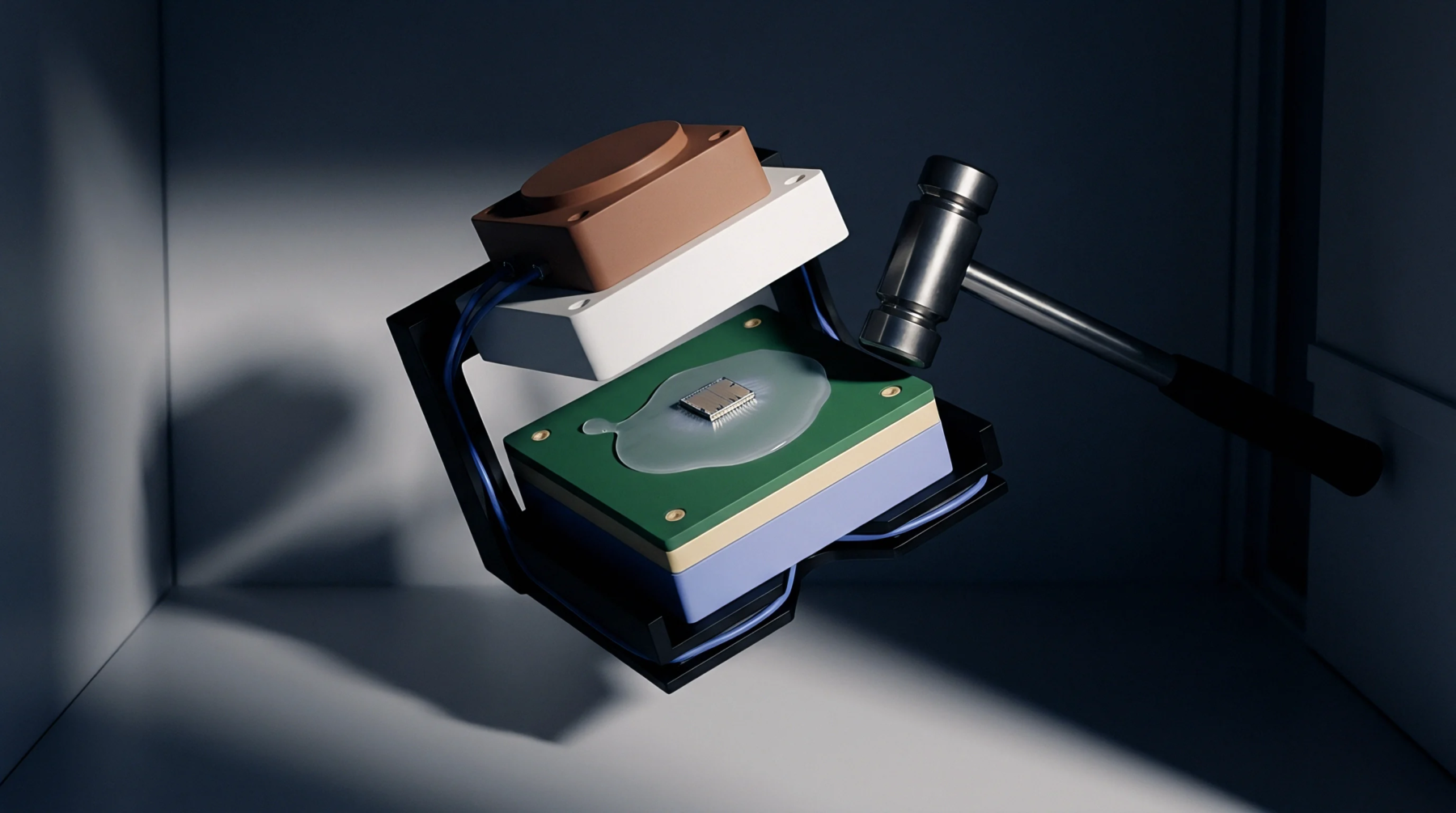
Sub-micron thermo-mechanical strain in encapsulated accelerometer arrays is mitigated using central anchor suspensions, DRIE isolation trenches, and balanced wafer stacks.
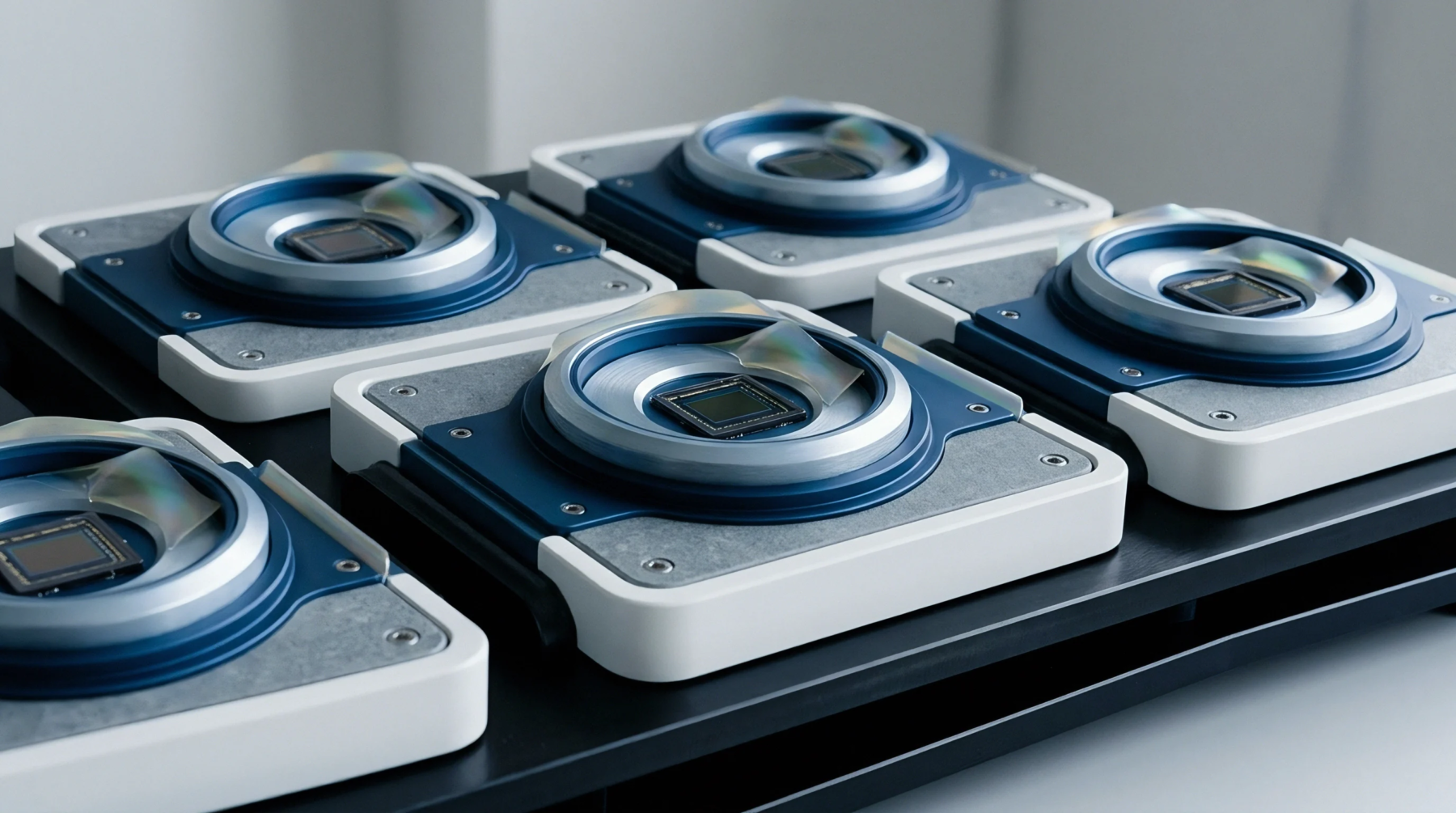
Spatial thermal gradients disrupt differential capacitive balance, requiring symmetric substrate layout and strain isolation to preserve bias stability.

Spatial thermal gradient mapping in micro-machined accelerometer arrays decouples linear motion from external board heat using differential thermopile matrices.
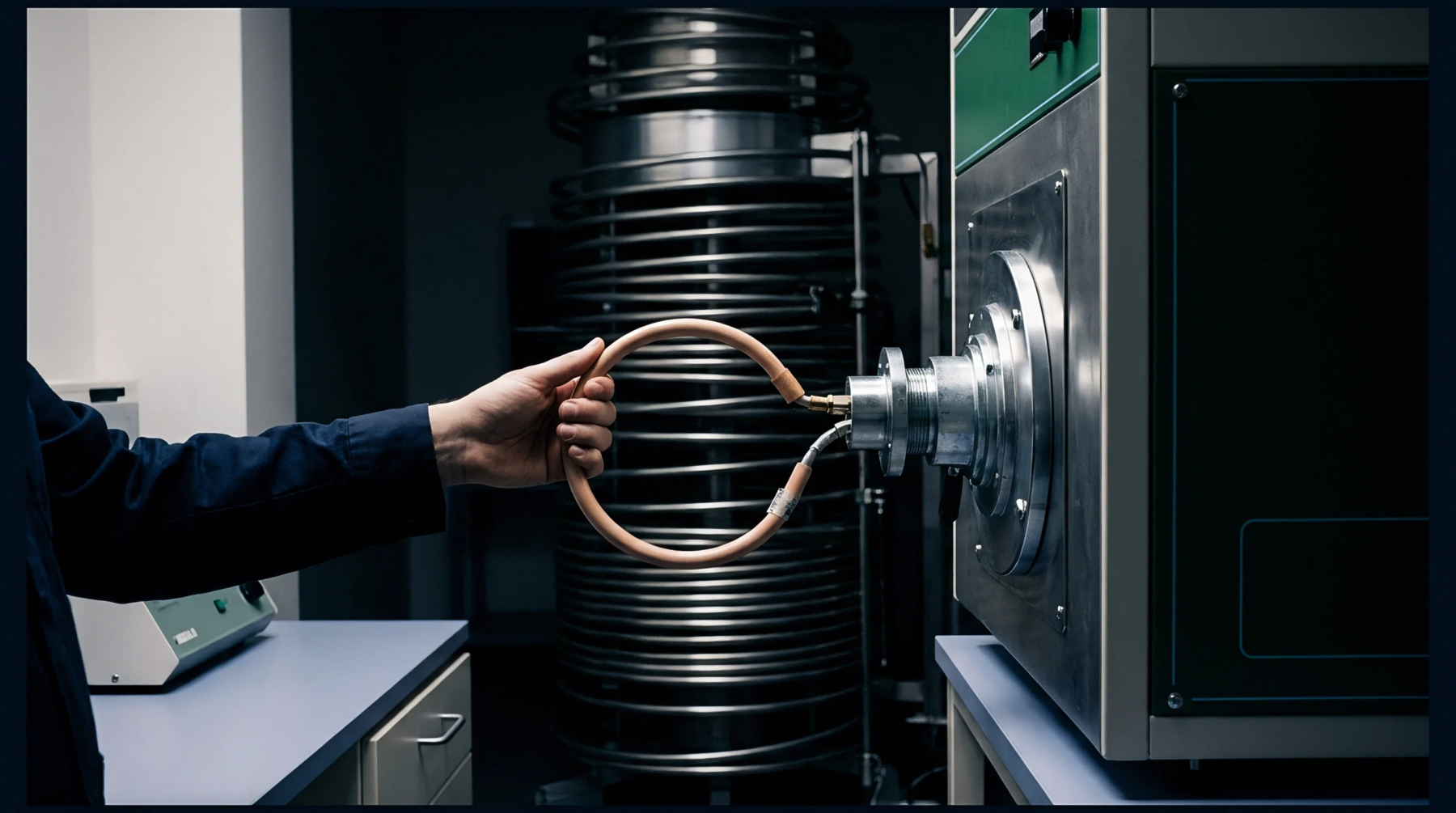
Viscoelastic relaxation in ultrafine cladding coatings couples dynamic shear strains directly into the core, generating uncorrected optical phase drift.

Quadrupolar winding cancels symmetric thermal gradients, leaving elasto-optic drift manageable via compliant potting and multi-point sensor compensation.
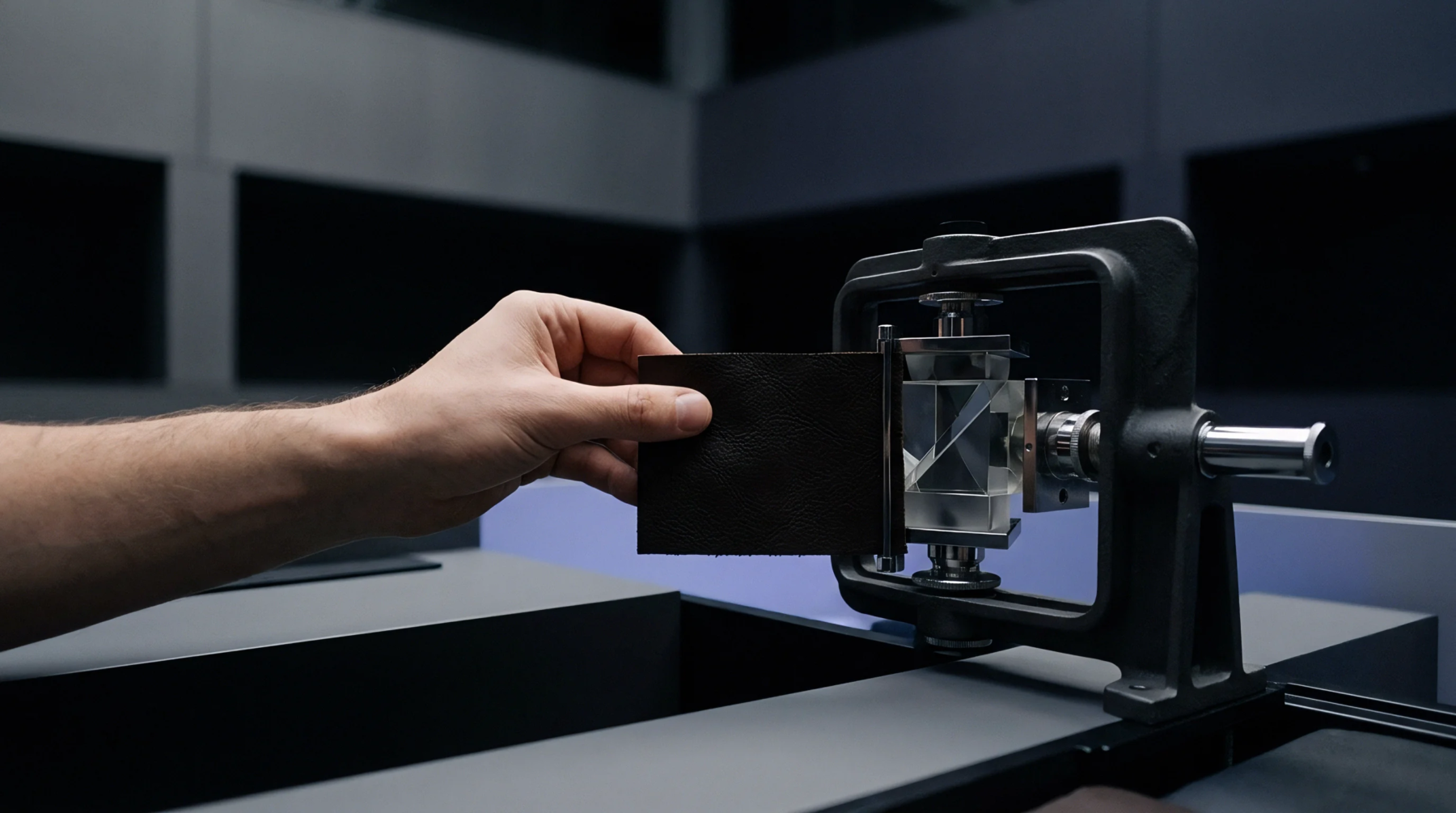
Minimizing thermal sensitivity in reduced diameter optical coils demands quadrupolar winding symmetry matched with soft elastomeric potting to prevent Shupe effect bias drift.
Expertise is a utility, not a secret. sentiention™ publishes its working knowledge as open reference: intelligence layer covering the materials it sources, the markets it enters, and the reference that serves both.