
Phase Compensation Architectures for Asynchronous Decimation Delays in Multirate Feedback Loops
Dynamic Farrow filters and state observers restore feedback phase margin by compensating time-varying asynchronous decimation group delays in real time.
Dynamic Farrow filters and state observers restore feedback phase margin by compensating time-varying asynchronous decimation group delays in real time.

Digital filter latency introduces pure time delay into feedback loops, eroding phase margin at crossover frequencies by 360 degrees per cycle of propagation delay.
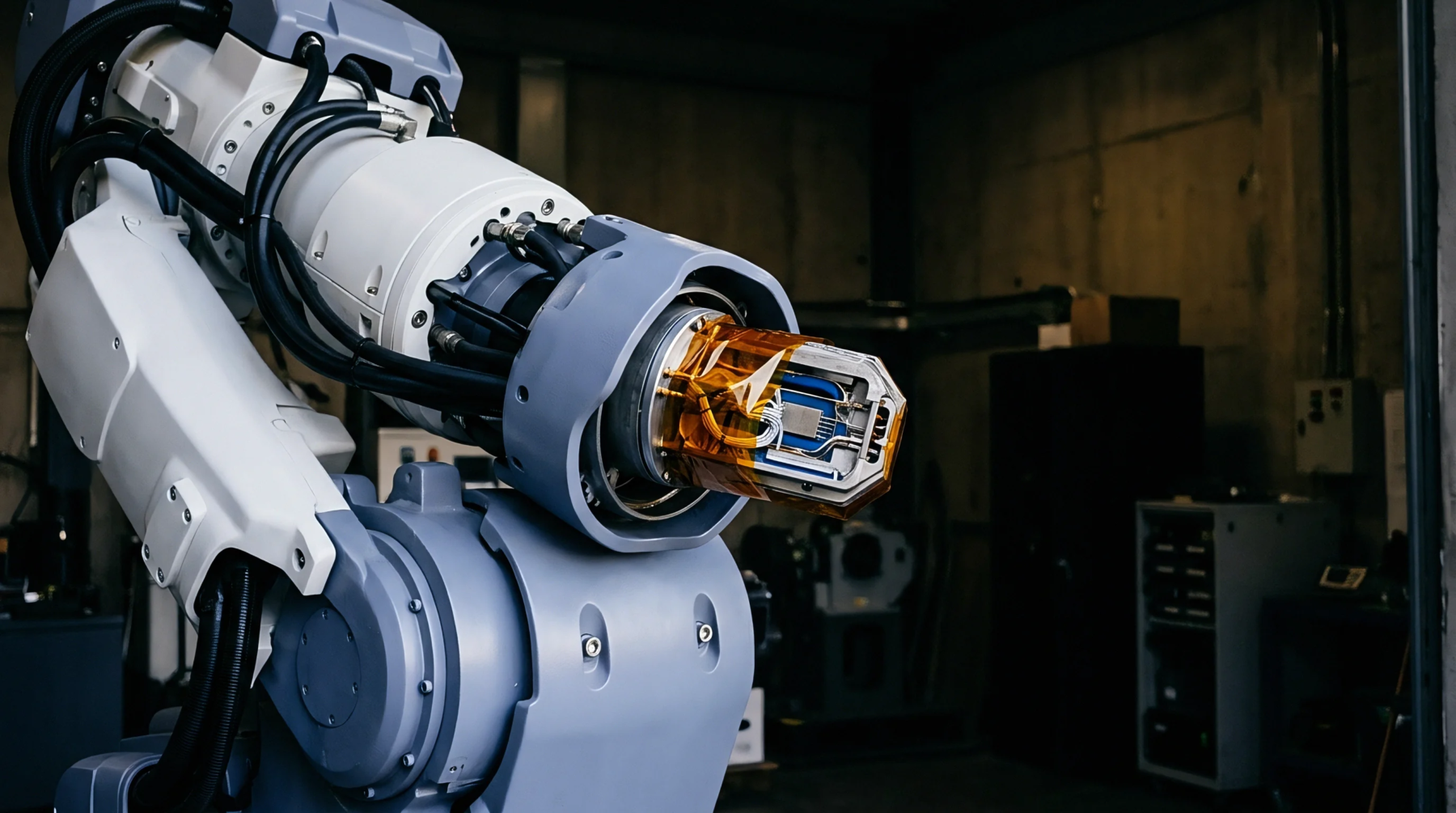
Delta-sigma converter group delay equals the phase derivative across decimation filter stages, calculated as K times M minus one divided by twice the modulator clock for sinc filters.

Wafer level strain isolation requires tuning micro-machined silicon flexure tethers to absorb thermal contraction while keeping natural frequencies above excitation bands.

Analytical die stress modeling isolates mechanical package strain from sensor signals while hysteresis compensation algorithms eliminate viscoelastic offset drift.

Precision capacitive MEMS accelerometer thermo-mechanical bias stability requires stress-isolated ceramic packaging and gradient-aware temperature calibration.

Extracting cross axis rectification coefficients requires dual tone orthogonal excitation to isolate second order asymmetric stiffness shifts from true tilt.

Vibration rectification in silicon MEMS accelerometers converts out-of-band mechanical excitation into direct current bias shifts through non-linear flexure stiffness, capacitive gap dynamics, and signal-chain clipping.

Finite element modeling of FOG coil thermoelastic stress vectors requires anisotropic orthotropic material matrices to capture photoelastic birefringence drift.

Dynamic thermal gradients induce structural strain and bias errors that static calibrations miss, requiring real-time state observer algorithms.
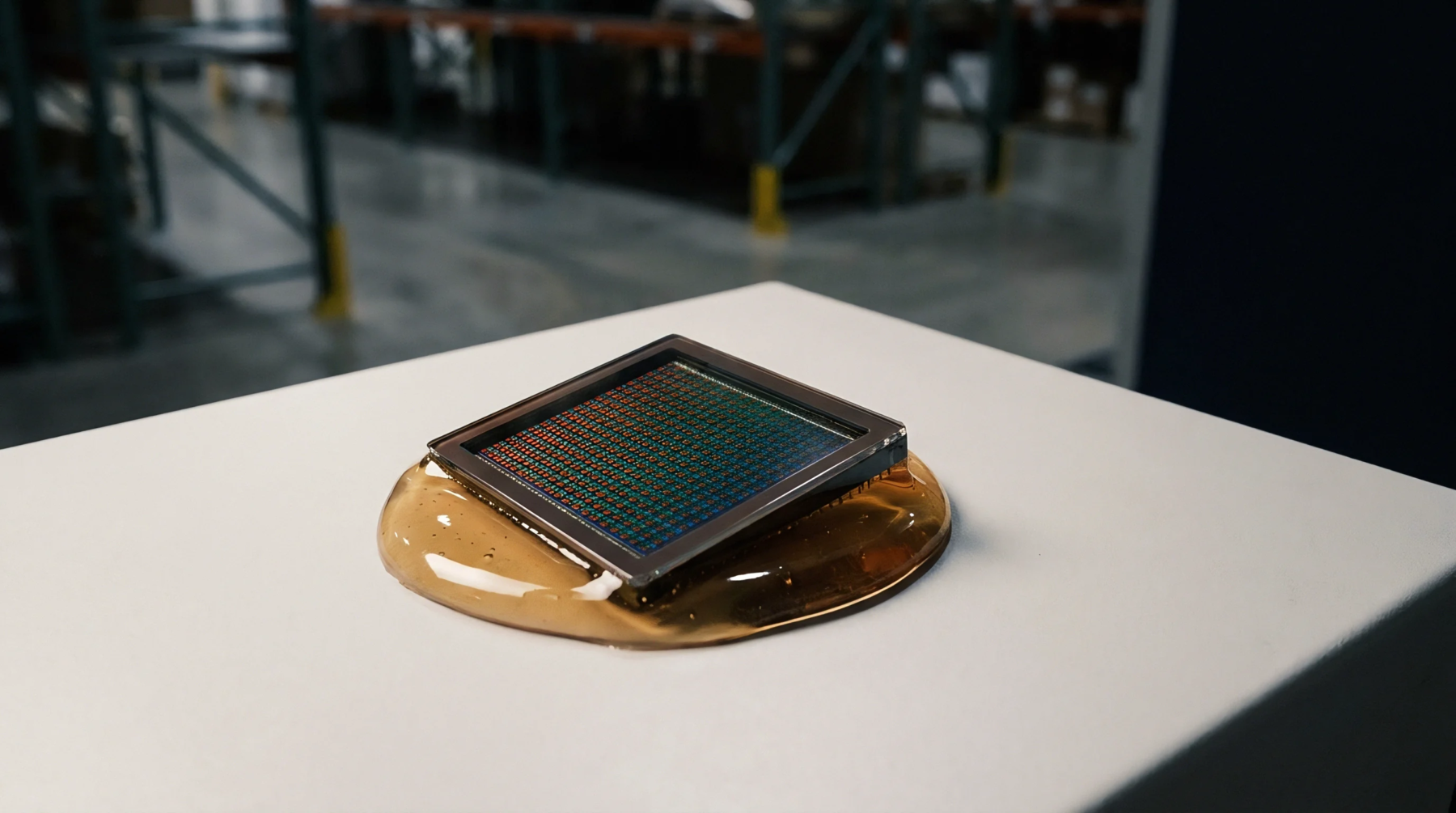
Transient thermal calibration compensates quartz resonant accelerometer bias shifts caused by temperature gradients using differential thermal rate models.
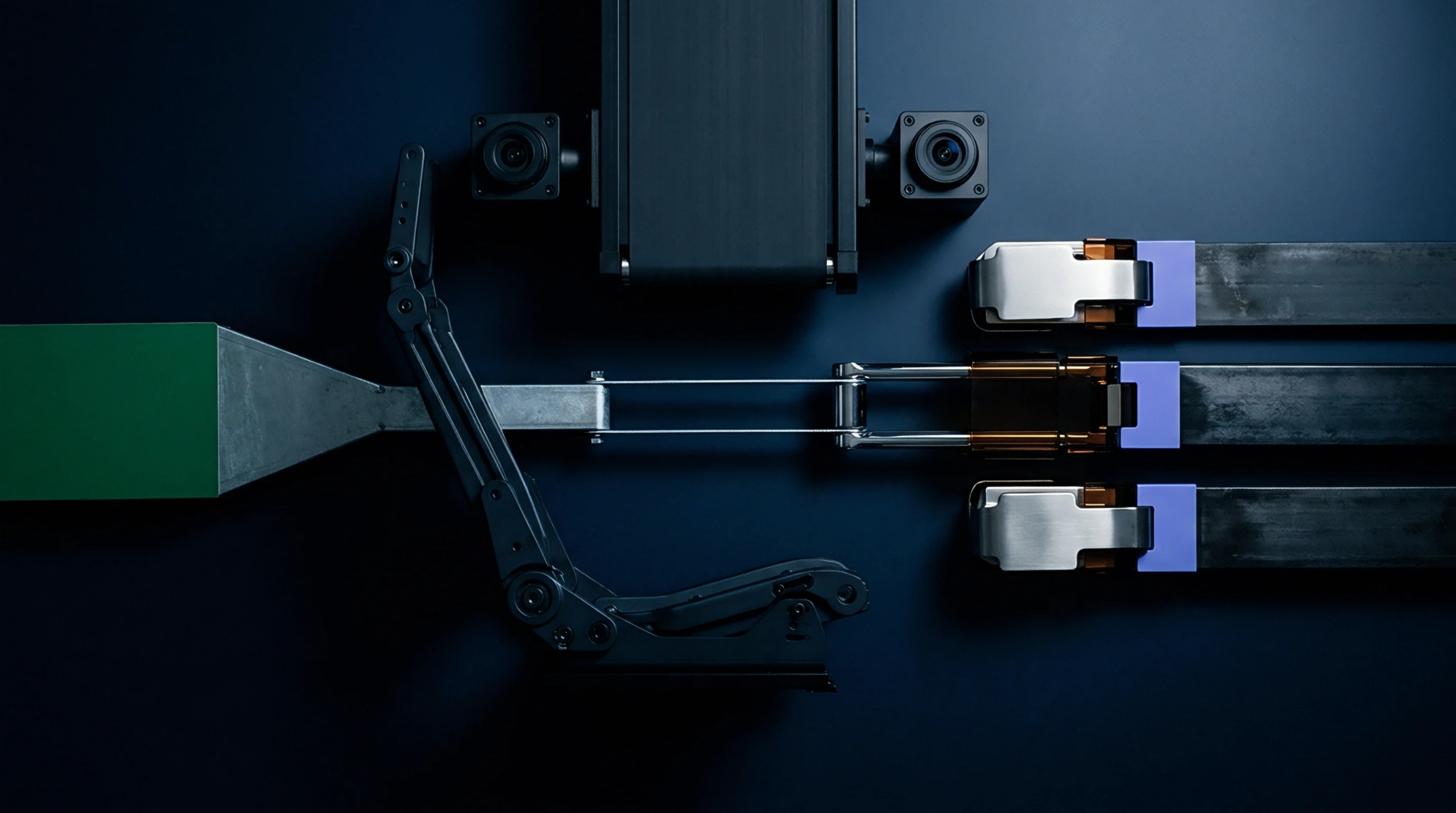
Thermal shock induces severe biaxial strain gradients that shift ferroelectric permittivity non-linearly via electrostriction, requiring C0G or soft terminations.

Dynamic multi-sensor varactor compensation uses thermal flux tracking and predictive modeling to eliminate tuning drift during steep temperature ramps.
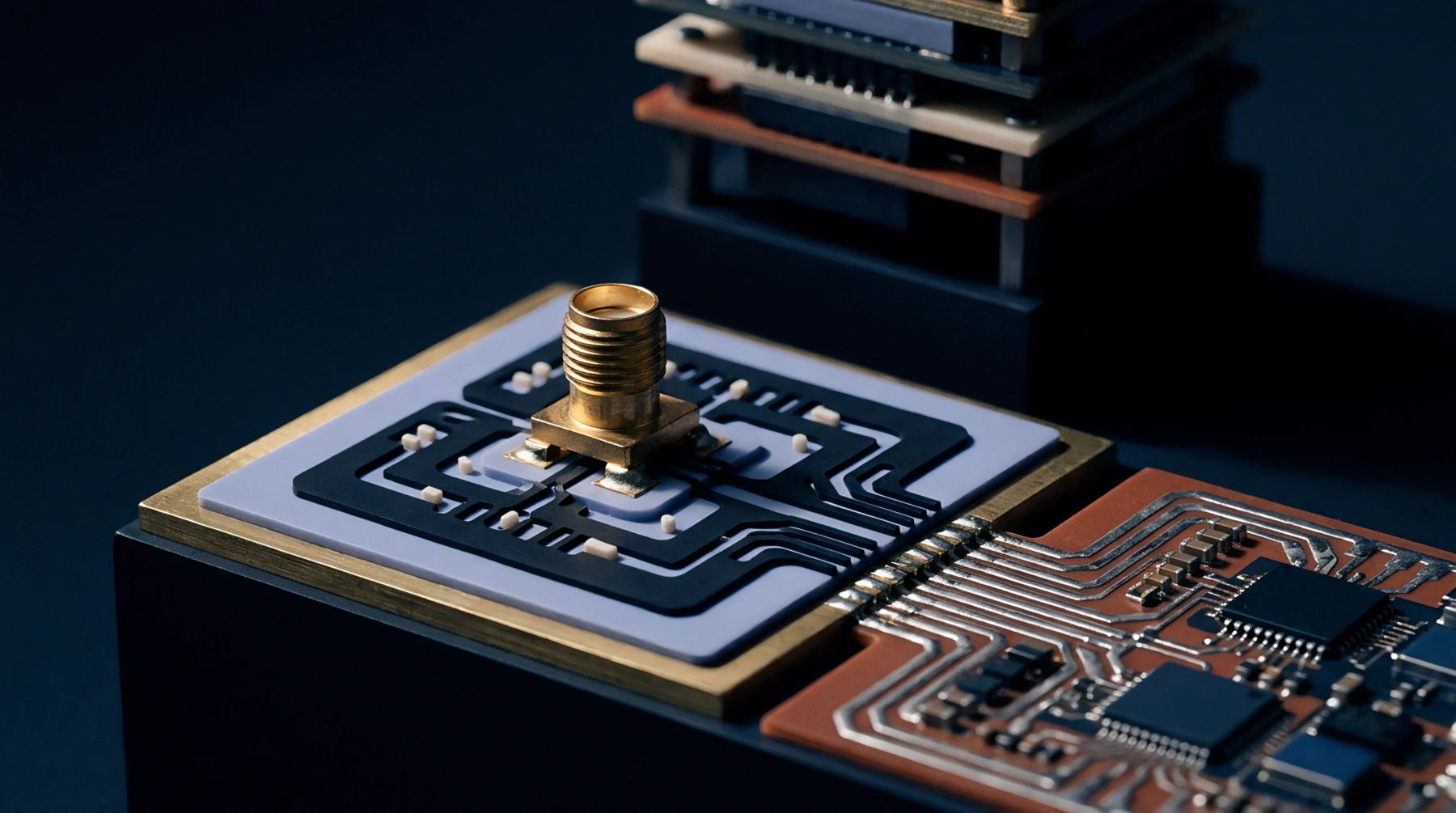
Uncompensated high frequency LC tank drift exceeds 30 ppm per kelvin; matching negative dielectric coefficients against coil expansion brings stability below 2 ppm.
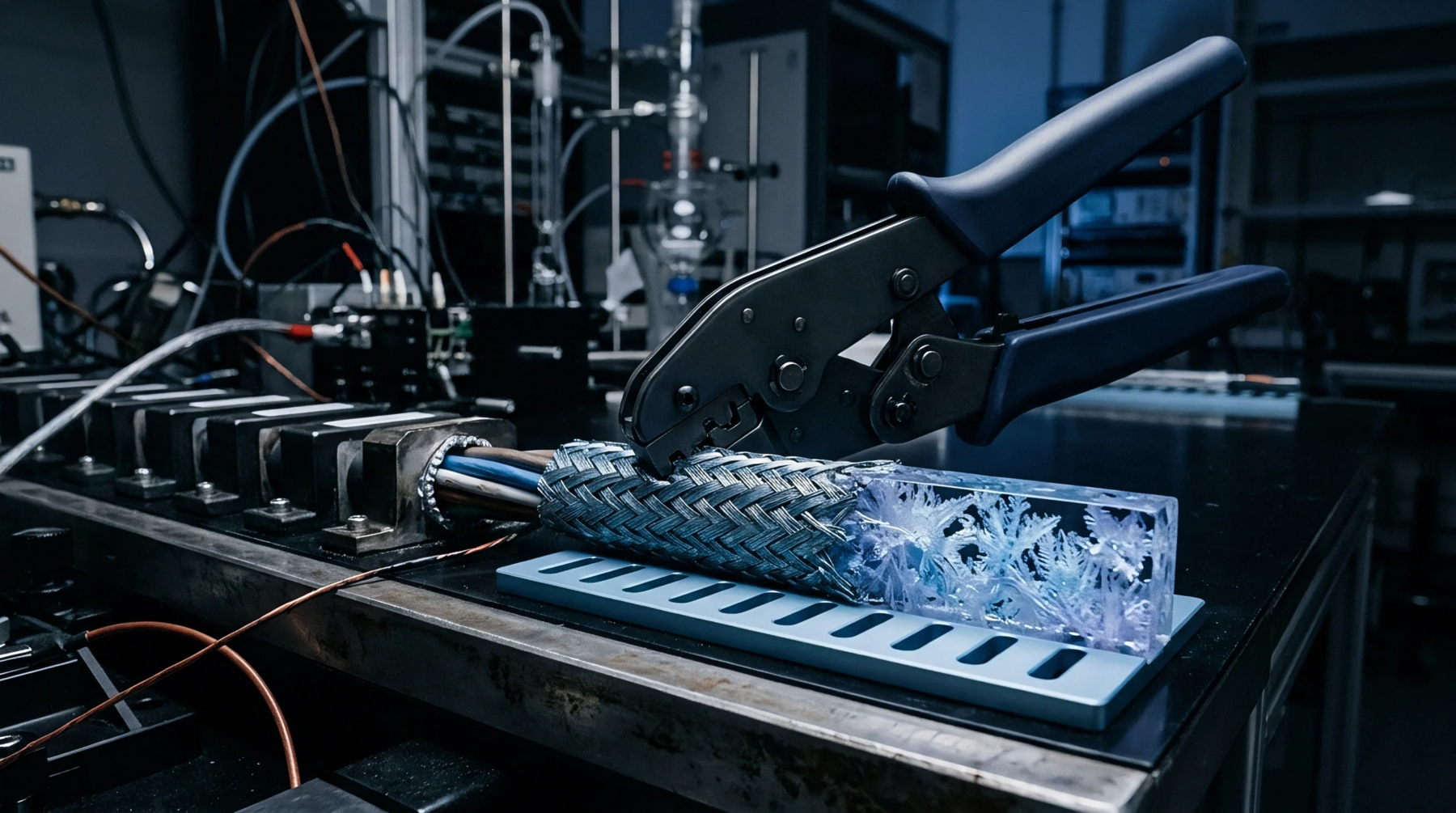
Non-linear thermoelastic coupling dictates mechanical dissipation ceilings in sub-microbar vacuum packages when spatial temperature gradients exceed two kelvins per millimeter.

Spatial multi-point temperature sensing inside sub-Torr MEMS packages removes transient thermal gradient frequency drift down to sub-ppm precision limits.

Thermal drift in vacuum MEMS resonators stems from elastic modulus degradation and package stress, requiring temperature-dependent electrostatic stiffness offset tuning.
Orthogonal vector decomposition of complex impedance separates resistive copper thermal drift from reactive target motion in high-Q resonant inductive sensors.
Standard skin depth defines the exponential field decay boundary, dictating coil drive frequencies and target thickness minimums for displacement sensing.

Wafer-level residual stress gradients induce asymmetric die warpage that relaxes over time, causing dynamic calibration matrices to suffer severe cross-axis drift.
Select low-modulus addition-cure silicones with sub-minus 100 Celsius glass transitions to decouple thermal stress from quadrupolar gyroscope fiber coils.

Quadrupolar winding cancels thermal Shupe non-reciprocity by spatially pairing symmetric fiber segments equidistant from the coil center.

Dielectric trench isolation on SOI wafers eliminates junction leakage currents, maintaining piezoresistive pressure transducer accuracy above 200°C.

Heavy boron doping above 1e19 cm-3 stabilizes piezoresistive gauge factor thermal decay, allowing passive current-bias drift compensation.

Aligning moving average window lengths to match converter sample periods places exact spectral nulls over periodic interference to eliminate aliasing artifacts.

Matching moving average filter length to the decimation factor eliminates alias leakage by placing transfer function zeros directly on downsampling fold points.

Optical rise time lags current transients due to parasitic loop inductance, die junction capacitance, and non-linear quantum well carrier recombination kinetics.

Calculate global overlap by subtracting array readout time from total exposure; fire external illumination within this window to emulate global shuttering.

CMOS rolling shutter strobe integration requires setting exposure longer than array sweep time to fire flashes during full-frame overlap windows.
Secondary fab transduction mismatches require dynamic AFE trimming and strict wafer acceptance stress limits to prevent offset drift and gain saturation.
Expertise is a utility, not a secret. sentiention™ publishes its working knowledge as open reference: intelligence layer covering the materials it sources, the markets it enters, and the reference that serves both.