Thermal Stability
Nickel-iron alloy provides a low coefficient of thermal expansion near room temperature. This invar 36 composition relies on a specific metallurgical balance to minimize dimensional shifts during temperature fluctuations. Such property allows for high precision in components that must maintain geometry under changing environmental loads.
Mechanical Construction
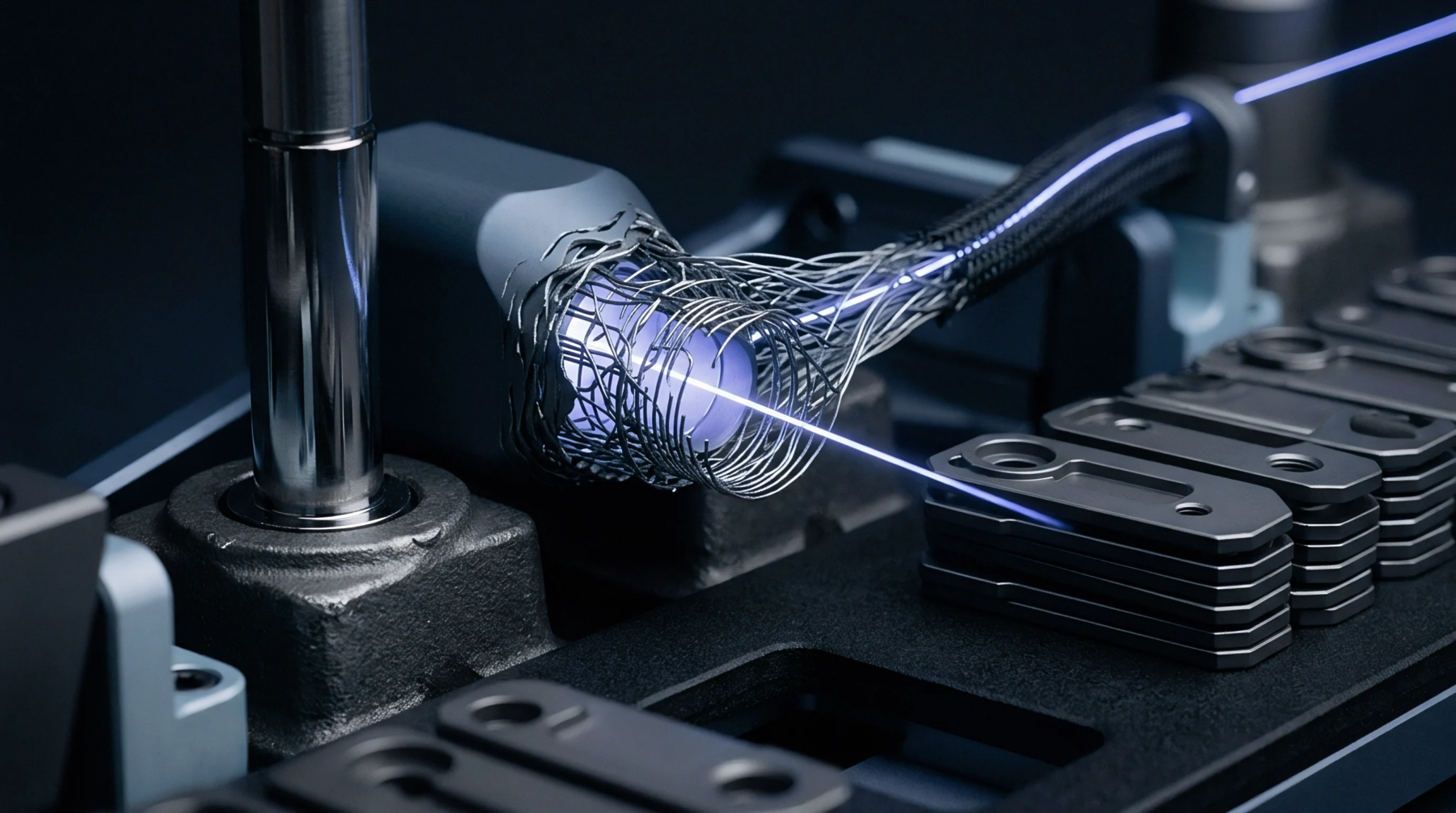
Engineering applications utilize this material where dimensional drift introduces errors in sensing or measurement systems. Precision optical mounts and laser housing structures rely on the low expansion rate of invar 36 to prevent misalignment. Stress relief during production cycles prevents later physical deformation of the fabricated parts.
Calibration Boundary
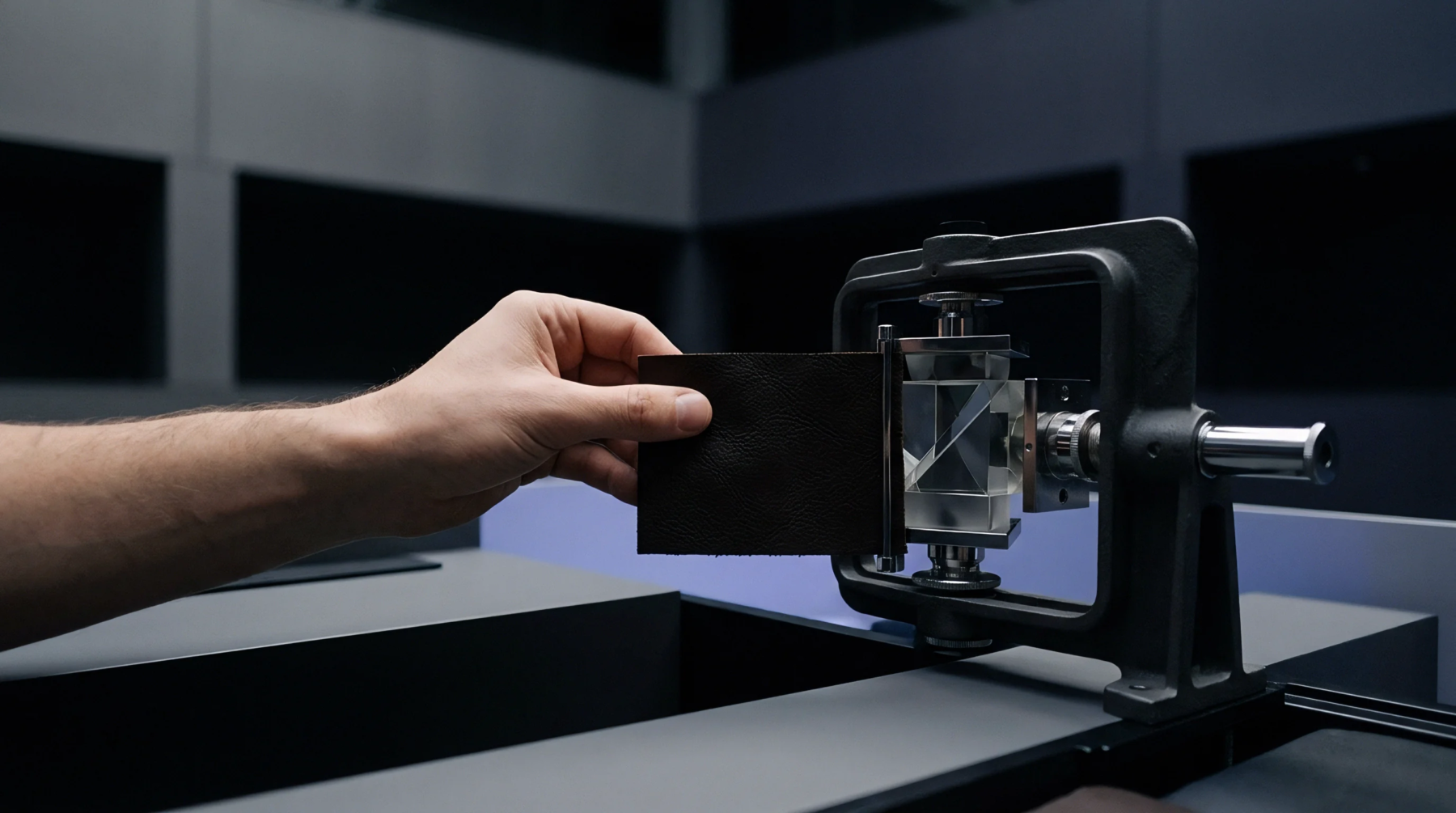
Measurement standards define the effectiveness of the alloy across a narrow band of operating temperatures typically situated between room temperature and one hundred degrees Celsius. Deviations beyond this thermal range result in a rapid increase in the expansion coefficient which renders the material unsuitable for cryogenic or high-heat environments. Verification occurs through dilatometry tests that plot elongation against heat input to confirm the stable characteristic of the batch.
Operational Drift
Integration of these components into larger assemblies requires careful monitoring of the attachment points to avoid inducing strain from connected materials with higher expansion rates. Mechanical fasteners often counteract the benefits of the alloy if they do not share similar thermal properties. Selecting a compatible fastener ensures that the assembly maintains the intended tolerance throughout the thermal cycle of the device.