Groundwork for Dynamic Group Delay in Primary Sensor Front Ends
Dynamic group delay flatness in primary sensor front ends preserves transient signal waveforms and prevents time-domain phase distortion across temperature.
Dynamic group delay flatness in primary sensor front ends preserves transient signal waveforms and prevents time-domain phase distortion across temperature.

Dynamic thermomechanical decoupling requires real-time state-space inversion of coupled volumetric and shear relaxation histories inside the sensor package.
Real-time Prony series filters model structural MEMS relaxation as discrete state poles to strip low-frequency drift before velocity integration.

Die-attach stress relaxation transfers decaying mechanical strain into silicon sensing diaphragms, creating irreversible zero-point drift during thermal dwell.

Active thermal feedback zeros differential thermopile membrane gradient, converting slow, nonlinear open-loop microvolt drift into linear electrical power.

Active thermoelectric equalization cancels multi-axis sensor drift by actively eliminating spatial substrate gradients before packaging stress deforms the sensing die.

Ambient thermal transients create cold junction temperature lag and spatial gradients, requiring dual-element differential designs or dynamic derivative firmware compensation.
Dynamic trajectory matrix inversion fails when aeroheating expands plant condition numbers beyond stability limits, requiring regularized solver updates.

Dual-frequency eddy current sensing decouples alloy thermal drift from displacement by measuring skin-depth-dependent impedance shifts across two carrier bands.

Spatial trajectory matrix calculations compensate thermal expansion by integrating strain-dependent displacement tensors into dynamic coordinate transformations.
Thermal gradients across dielectric windows alter permittivity and thickness, generating phase tilt errors and near-field ringing that require digital compensation.
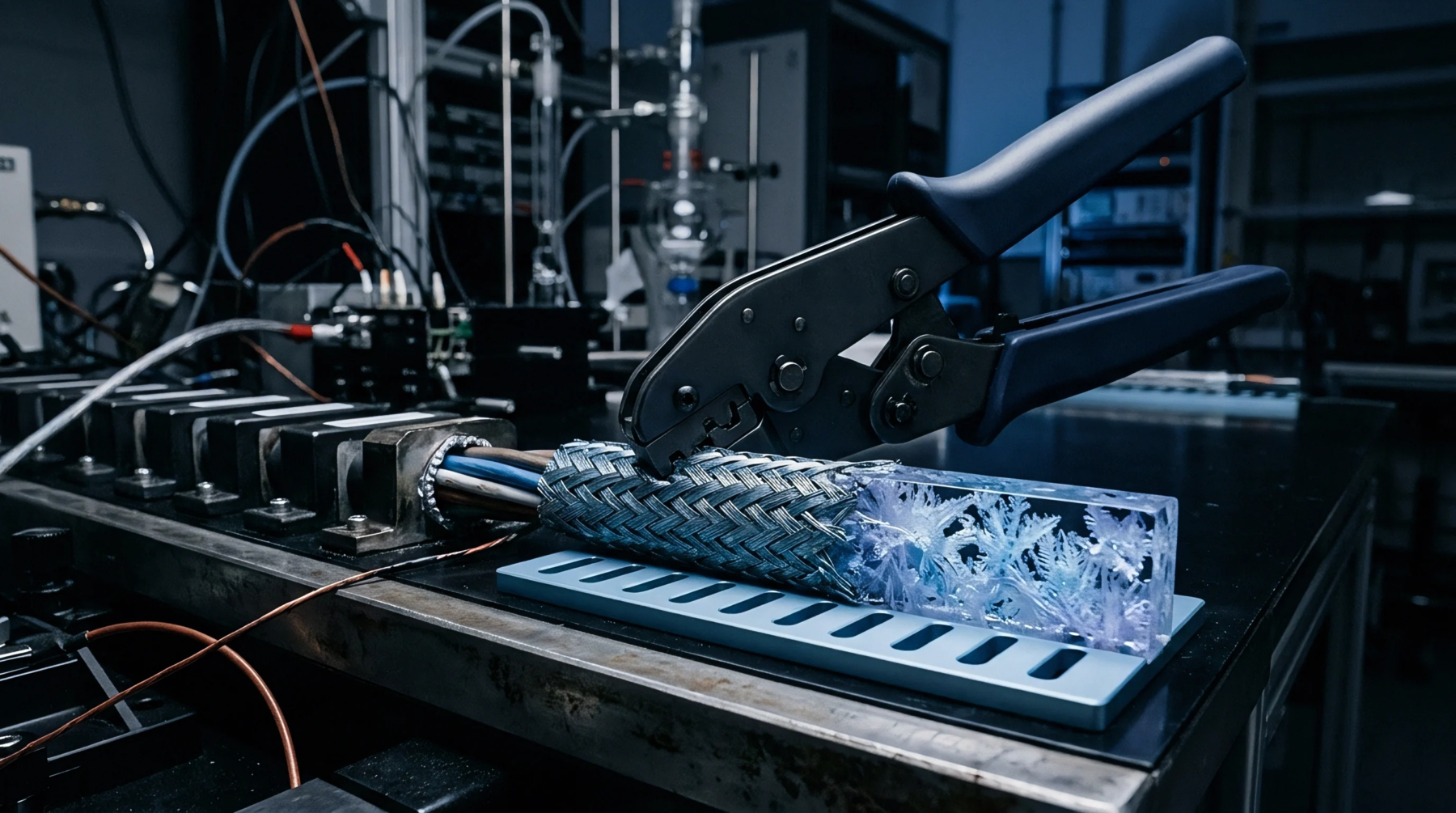
Dynamic MMIC junction temperature shifts alter 77 GHz FMCW chirp phase linearity, requiring on-die thermal sensing and real-time digital predistortion loops.

80 GHz FMCW radar mitigates standpipe clutter through narrow beam launch, requiring inner-diameter phase velocity correction to eliminate level errors.

Dynamic mechanical resonance deforms the optical coil and saturates tracking loops, introducing frequency-dependent timestamp skew under angular vibration.

Dedicated phase-locked clock distribution eliminates interpolation errors by locking line scan exposure triggers directly to inertial sampling intervals.
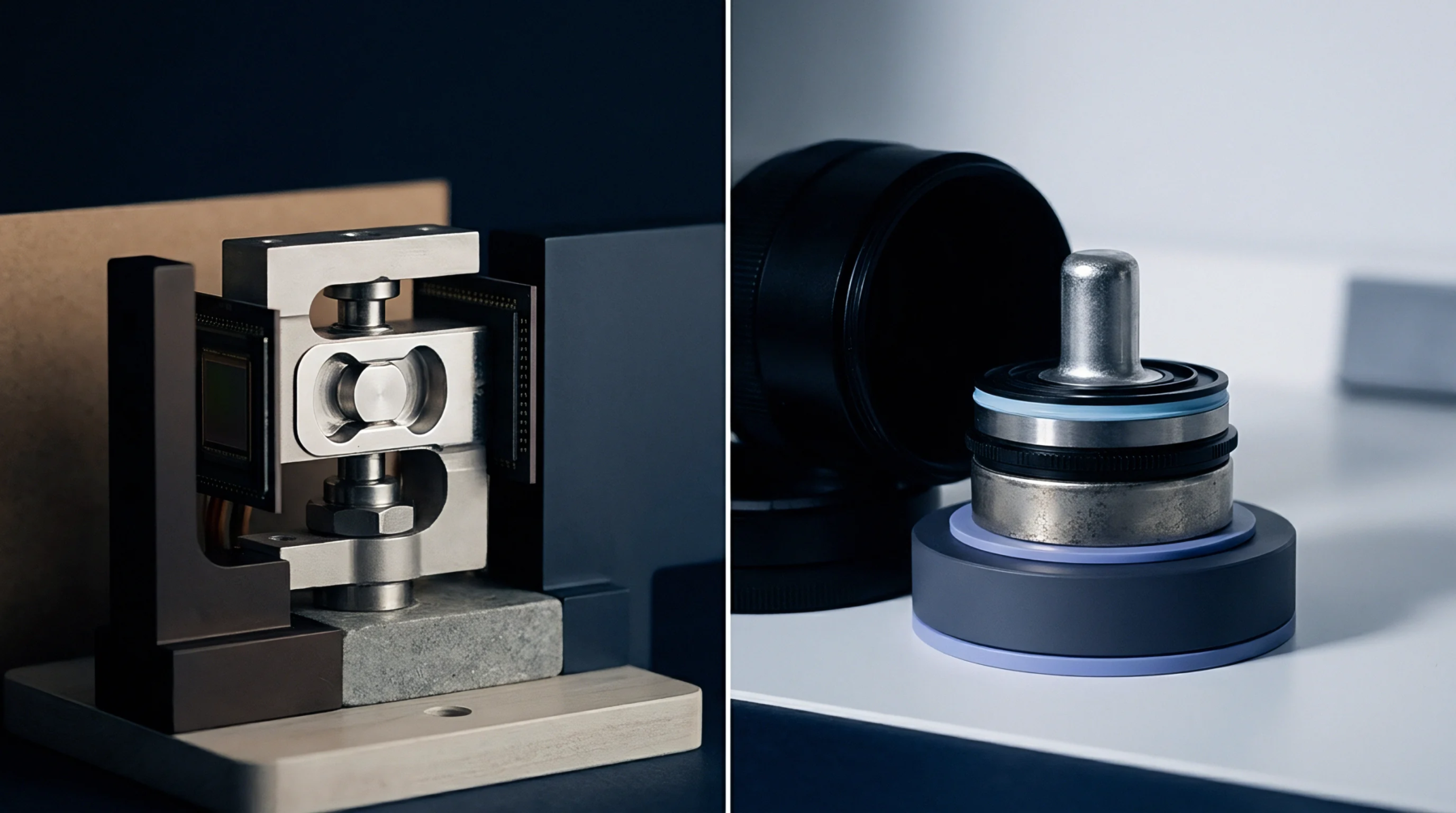
Counter doping balances opposite resistance and sensitivity temperature coefficients in silicon strain gauges to eliminate bridge drift without digital trim.

Map frequency-dependent MEMS group delay and exposure centroid offsets to sub-microsecond levels using hardware-triggered laser vibrometry.

Buried retrograde ion profiles induce depth-dependent lattice strain gradients that accelerate dislocation glide and zero-point drift above 400 degrees Celsius.

Engineered boron dopant profiles between 8x10^18 and 2x10^19 cm^-3 balance piezoresistive gauge factor against thermal sensitivity drift in silicon MEMS sensors.

Differential soft magnetic cores under cryogenic cycling shift vector remanence via magnetoelastic pinning, requiring floating mounts and high-margin drive fields.

Thermal relaxation in amorphous cores drives directional pair ordering that pins domain walls, shifting permeability and zero-point offset over time.

Differential fluxgate sensing cancels symmetric drive feedthrough to isolate second-harmonic signals, while core coercivity limits baseline offset and noise.

Dynamic guard phase matching and synchronous clock alignment bound the noise floor and bandwidth limits of high-reactance hybrid transducer front ends.

Reconfigurable front ends bridge piezoelectric charge and piezoresistive voltage modalities by actively commuting amplifier loops and parasitic switch nodes.

Adapting piezoresistive and capacitive sensors requires matching source impedance, suppressing parasitics, and isolating conversion noise floors.
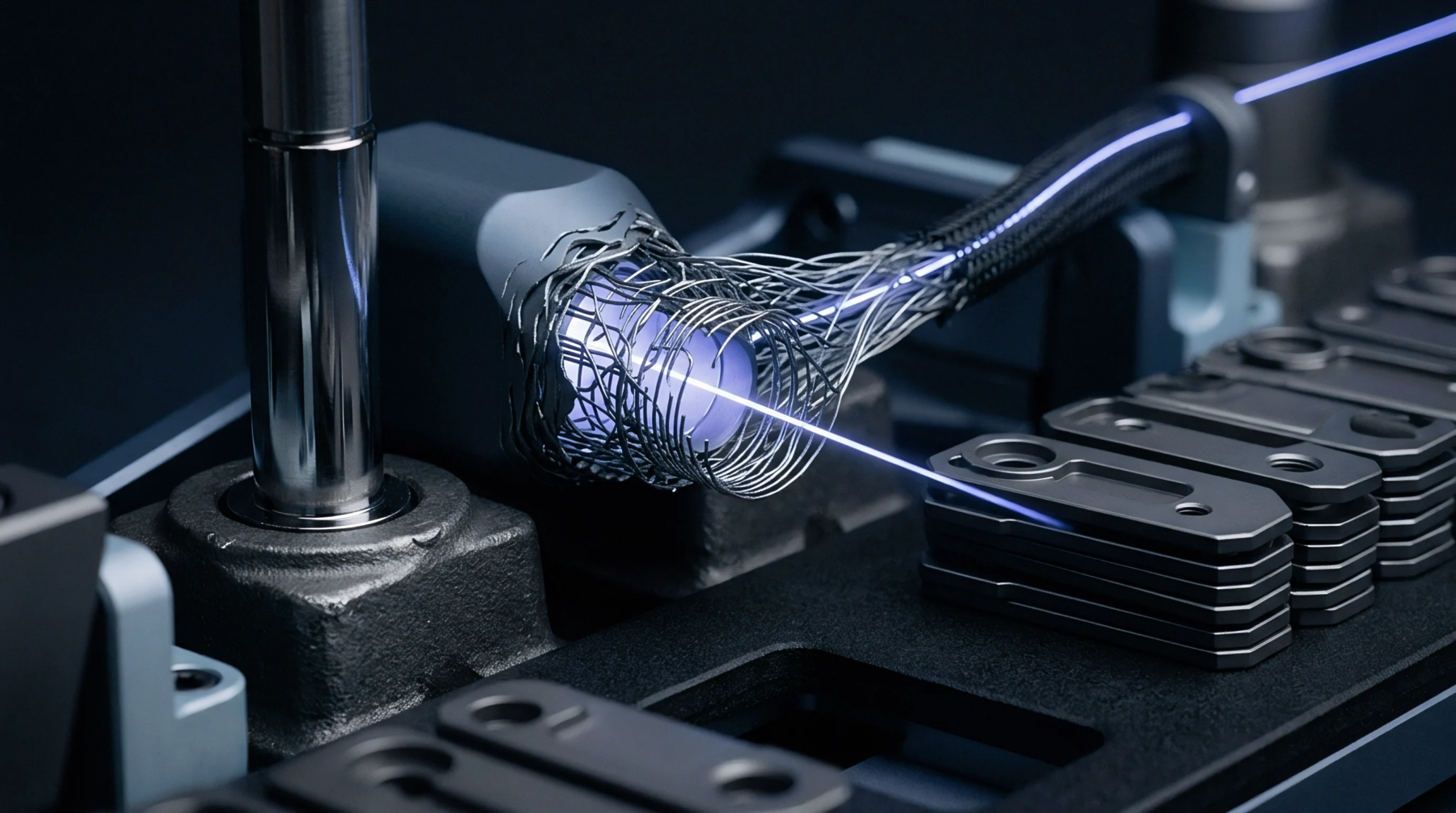
Capillary condensation in nanometer oxide anchor interfaces sets a thermodynamic hysteresis lower limit on sub-micro-g accelerometer bias stability.

Quantifying moisture diffusion and viscoelastic drift requires separating reversible dielectric changes from irreversible polymer structural relaxation.
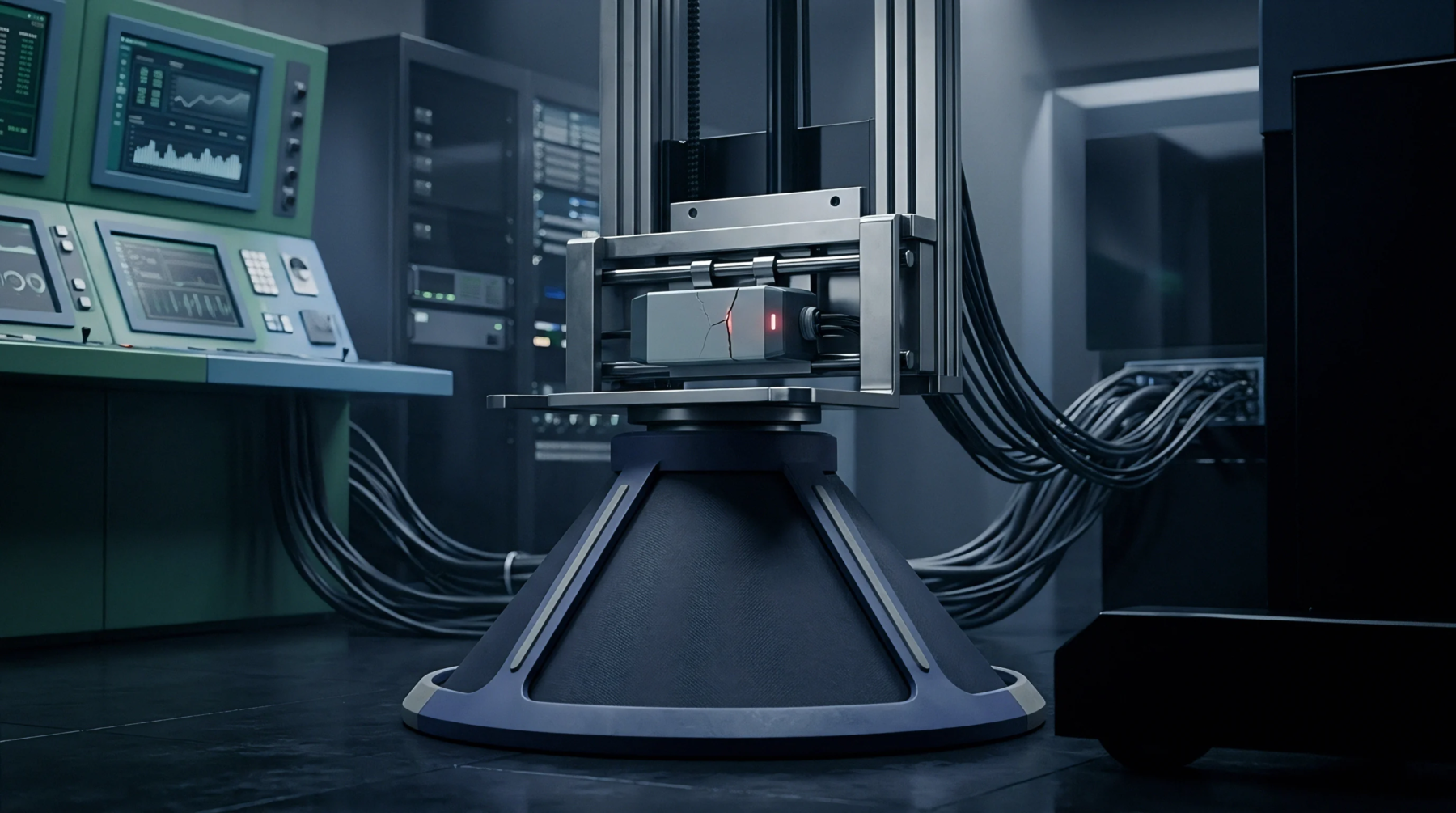
Polymer die attach stress directly alters MEMS zero-g bias; specifying low-modulus adhesives and central island anchors mitigates thermal strain coupling.

Modeling viscoelastic relaxation and interfacial voids establishes sensor offset drift limits and seals hermetic cavities against moisture failure.

Polymer package modulus drops and thermal expansion jumps across glass transition destabilize MEMS gyroscope anchors, producing uncompensated zero rate bias.
Expertise is a utility, not a secret. sentiention™ publishes its working knowledge as open reference: intelligence layer covering the materials it sources, the markets it enters, and the reference that serves both.