
Inertial Sensor Allan Variance Characterization Methods
Allan variance isolates sensor white noise, flicker floor, and random walk by evaluating cluster time variances on an isolated seismic bench.
Allan variance isolates sensor white noise, flicker floor, and random walk by evaluating cluster time variances on an isolated seismic bench.

Ratiometric excitation paired with chopper-stabilized instrumentation amplifiers resolves microvolt piezoresistive bridge signals while cancelling thermal drift.
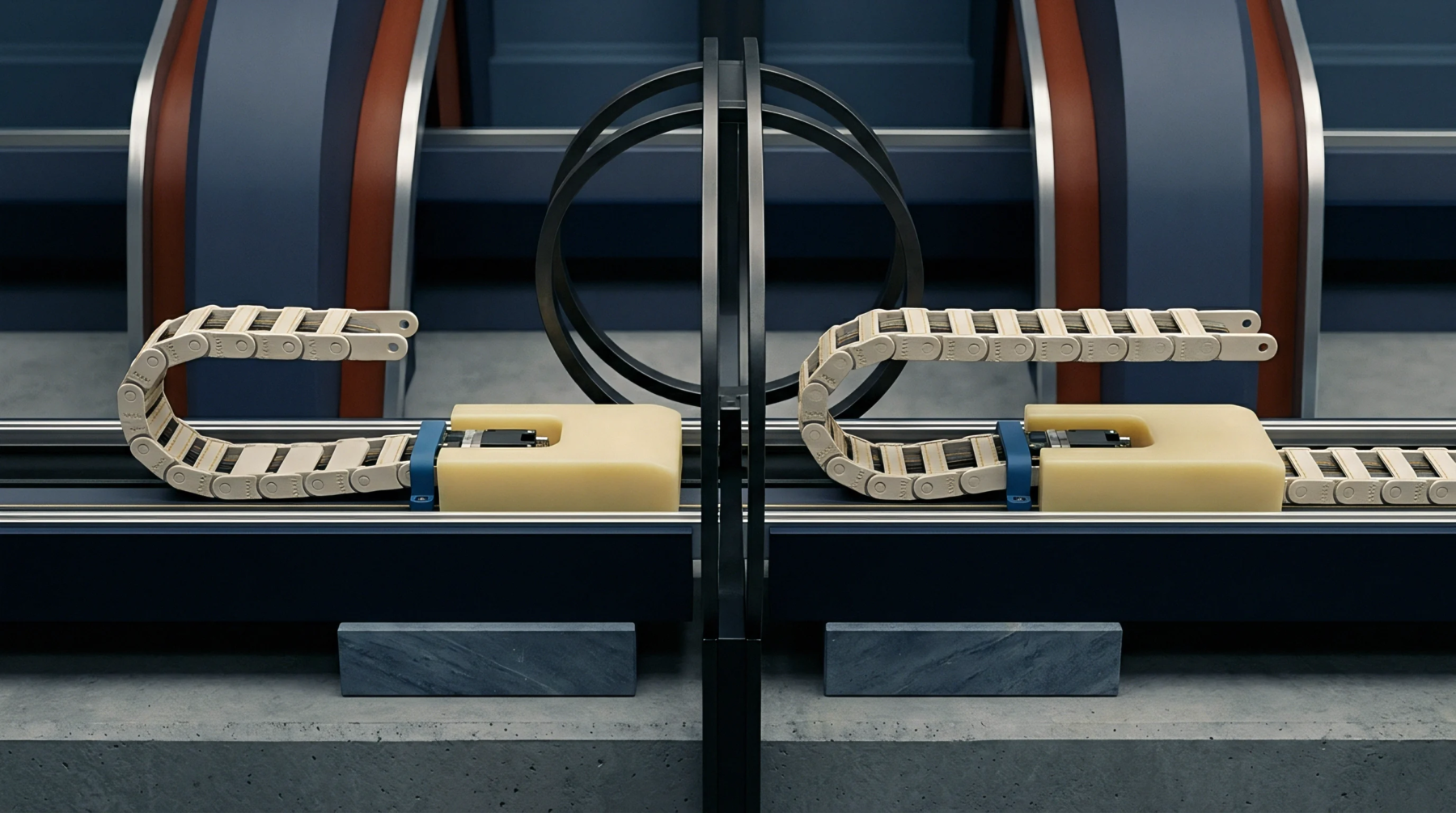
Sinc zero placement attenuates high-frequency noise, but residual flicker noise and clock phase jitter establish the absolute lower phase drift floor limit.
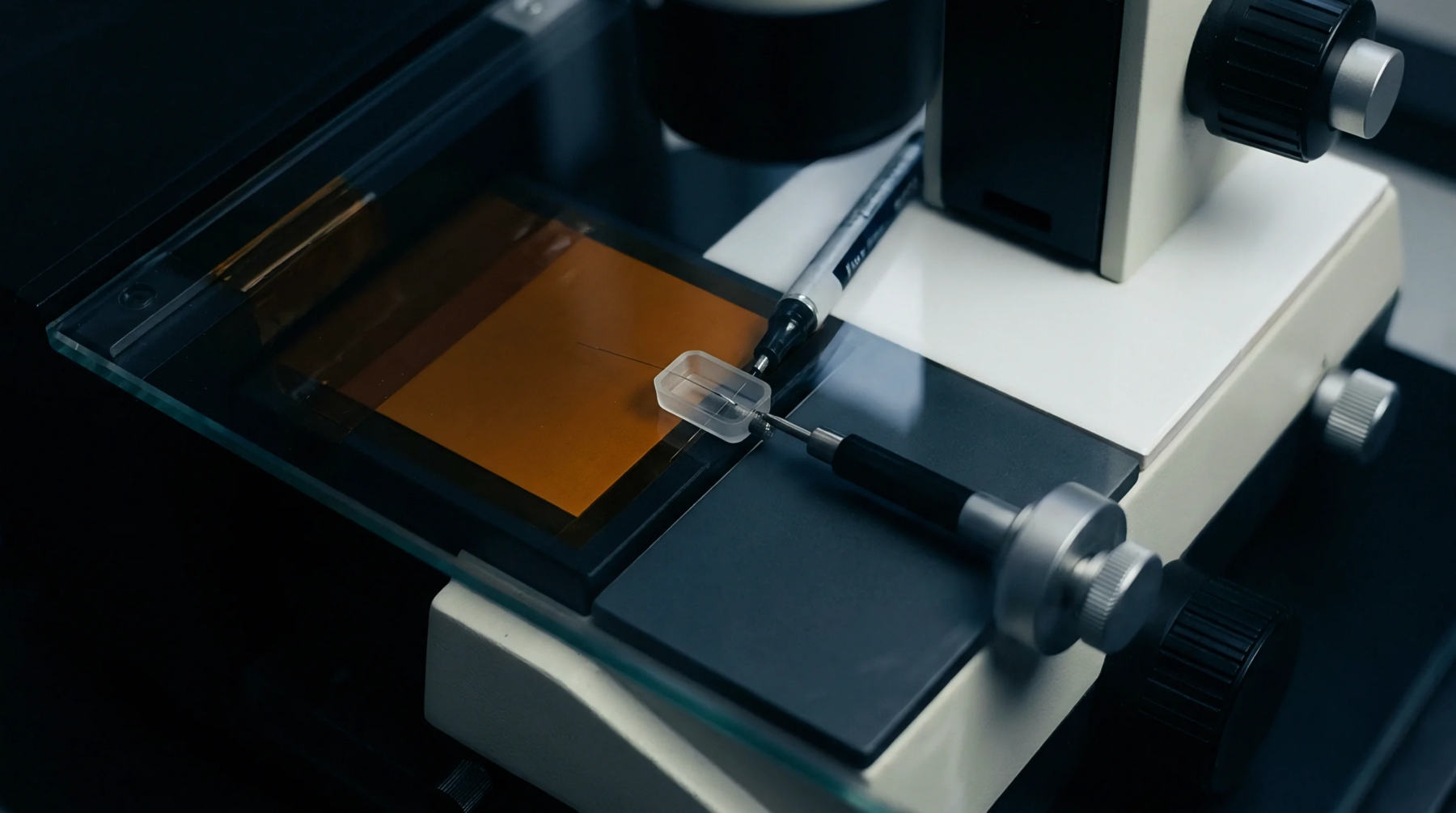
Allan deviation plots log-log noise slopes to locate the exact averaging window where delta-sigma converter drift overtakes white-noise decimation filtering.
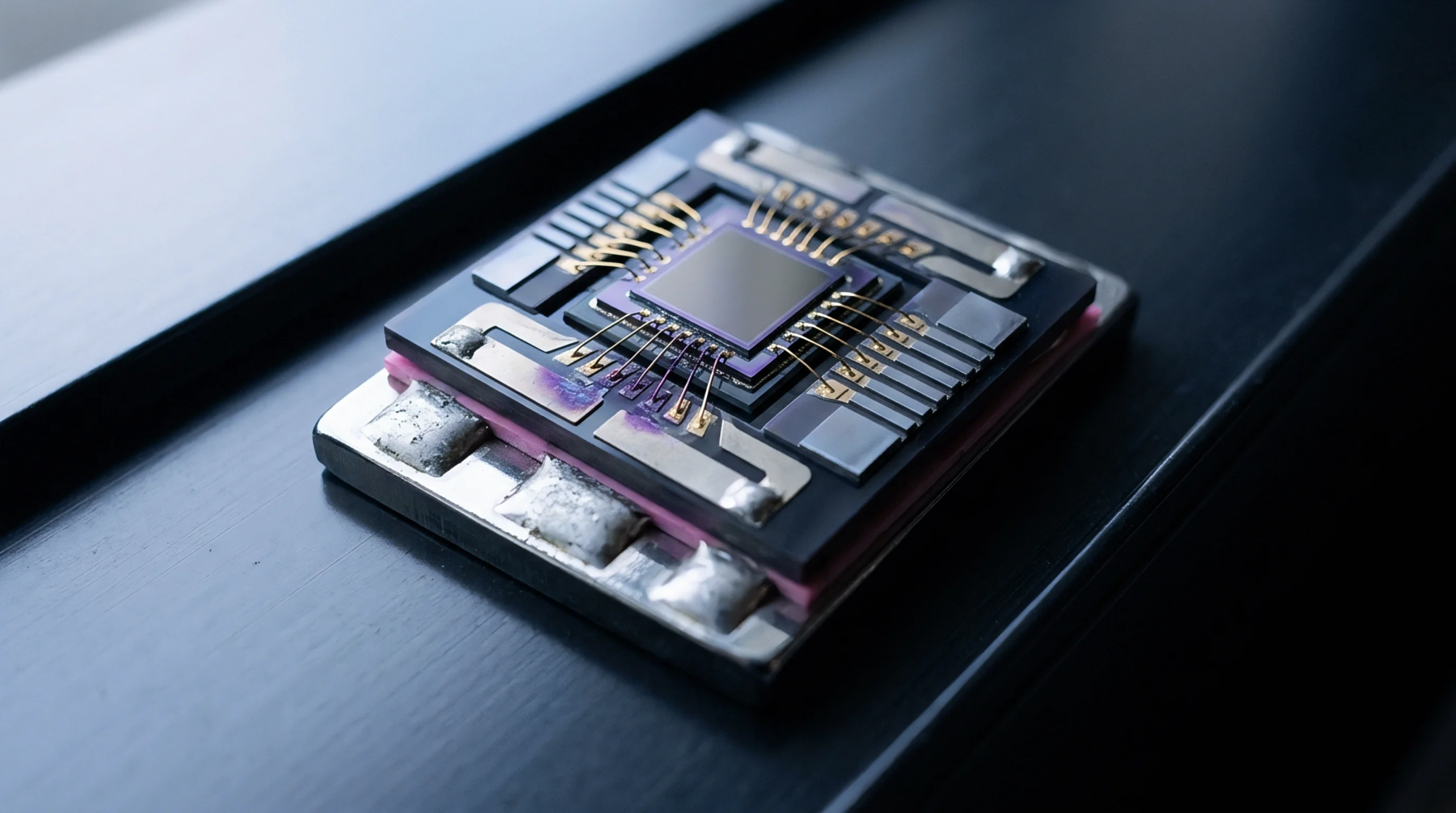
Sensor package selection fixes mechanical strain, driver stability, and break-even volumes before procurement issues purchase orders for alternative parts.

Calculating AFE noise requires integrating white floor spectral density across equivalent bandwidth while summing flicker contributions over the measurement duration.

Root sum square integration of spot noise spectral density across effective noise bandwidth determines actual sensor resolution and achievable effective bits.

Phase angle resolution degrades when dynamic lift-off trajectories project noise onto defect vectors, requiring carrier stability below 0.05 degrees.

Digital ASIC polynomial compensation corrects pressure module thermal drift by evaluating bivariate surface fit matrices stored in EEPROM over fixed-point ALUs.

Matching moving average filter length to the decimation factor eliminates alias leakage by placing transfer function zeros directly on downsampling fold points.
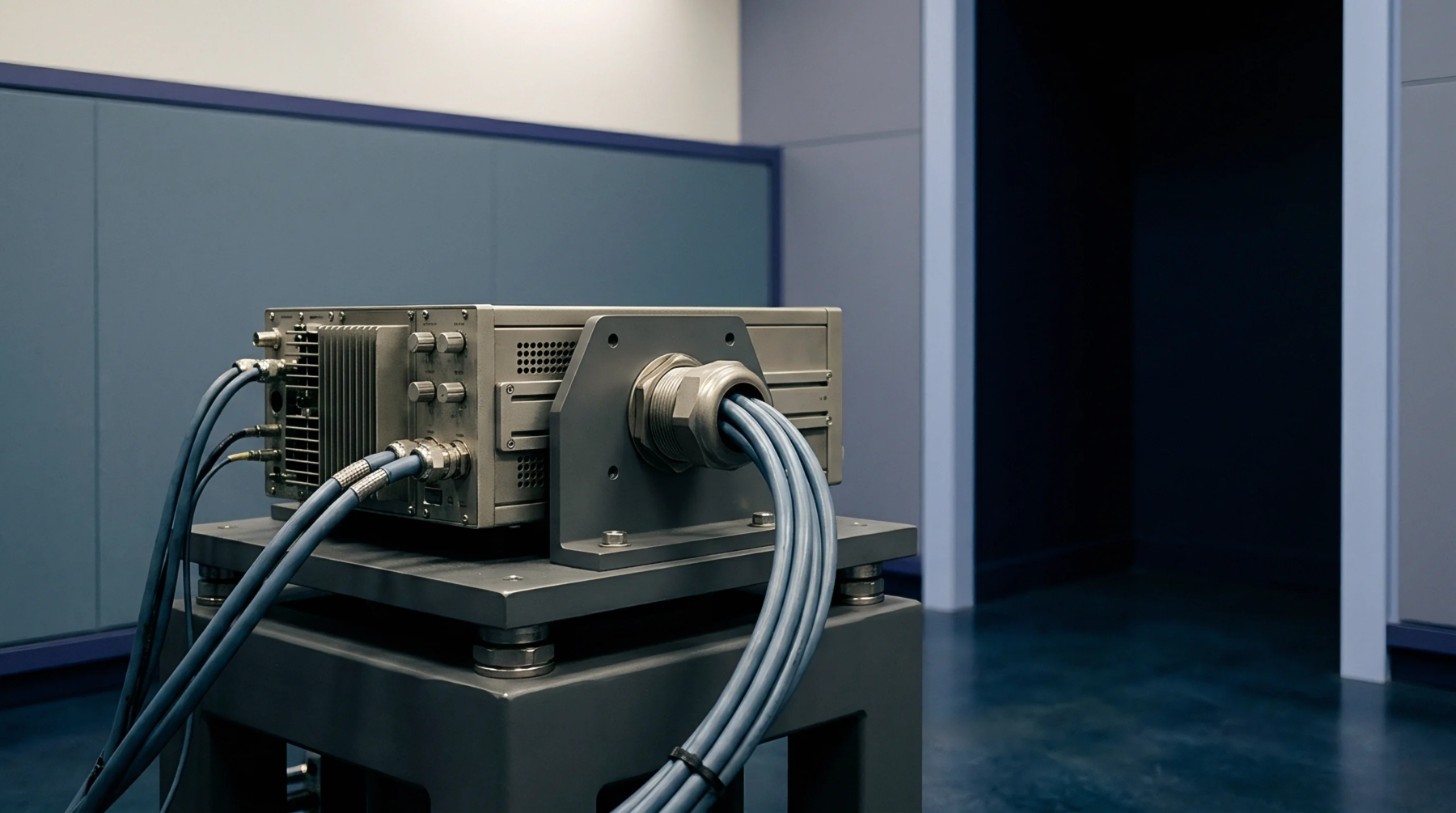
Multi coil quadrature demodulation isolates amplitude and phase in inductive proximity chains, resolving sub-micron targets while rejecting thermal noise.

Root-mean-square noise equals spectral density multiplied by the square root of equivalent noise bandwidth, adjusted for flicker corner frequency integration.

Temperature cross-sensitivity in pressure sensors stems from physical die stress and semiconductor carrier shift, requiring digital ASIC polynomial compensation to control thermal error bands.

Cascaded sinc and boxcar filter window delays introduce deterministic group delays that subtract directly from control loop phase margin at crossover frequencies.

Aligning moving average filter lengths as integer multiples of ADC decimation rates eliminates aliasing foldover and maximizes noise bandwidth reduction.

Normalizing digitized bridge and temperature counts before solving polynomial matrix equations eliminates floating point overflow and preserves calibration accuracy.

Square the quotient of specified noise density over target resolution to establish the equivalent noise bandwidth required for averaging filter design.
Expertise is a utility, not a secret. sentiention™ publishes its working knowledge as open reference: intelligence layer covering the materials it sources, the markets it enters, and the reference that serves both.