
Digital Filter Group Delay Fundamentals in Embedded Control Loops
Digital filter group delay directly subtracts from loop phase margin at crossover, requiring observer prediction or notch filters to preserve loop stability.
Digital filter group delay directly subtracts from loop phase margin at crossover, requiring observer prediction or notch filters to preserve loop stability.
Sample rate switching alters filter group delay abruptly, generating false derivative spikes that destabilize Kalman observers unless state histories are scaled.

Compensating phase nonlinearity in decimation cascades restores drive loop phase margin, eliminating torque ripple and velocity jitter in precision motion drives.

Digital filter impulse length balances converter loop phase margin against carrier noise rejection, using dual-path decimation for fast fault trips.
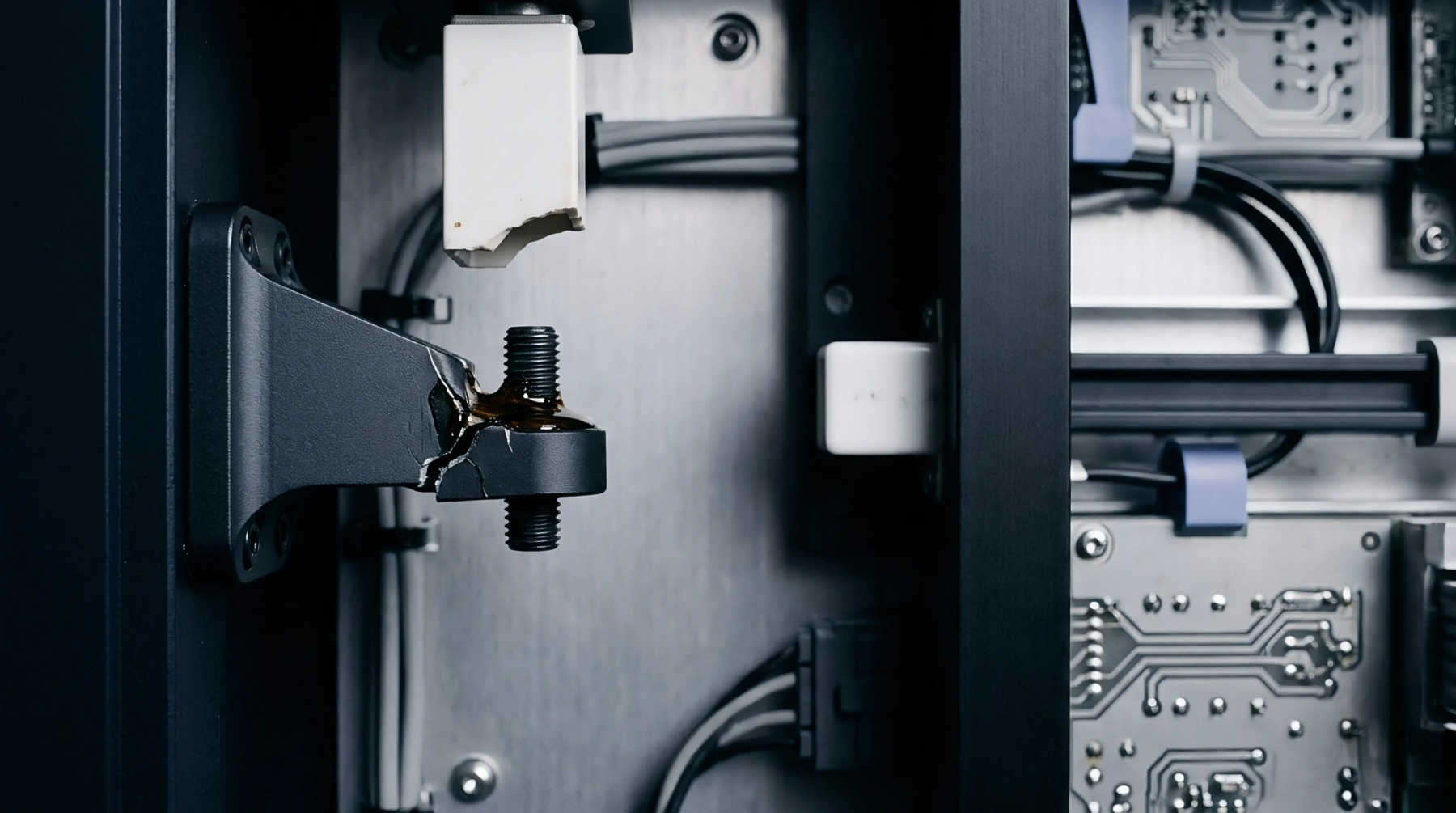
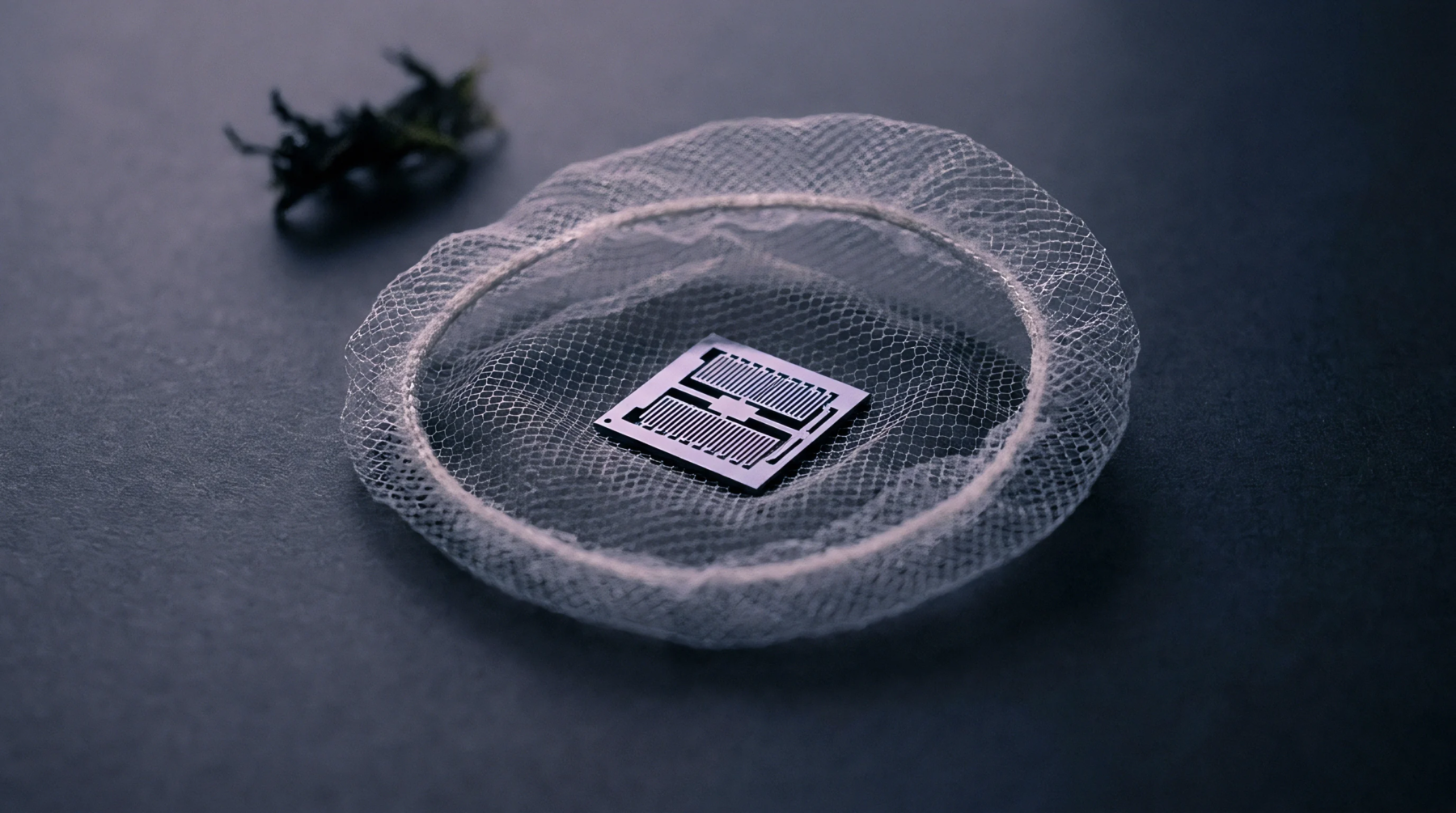
Sub-10 K flexure performance shifts from thermoelastic limits to Two-Level System surface losses and brittle etch-scallop dynamic fracture mechanics.
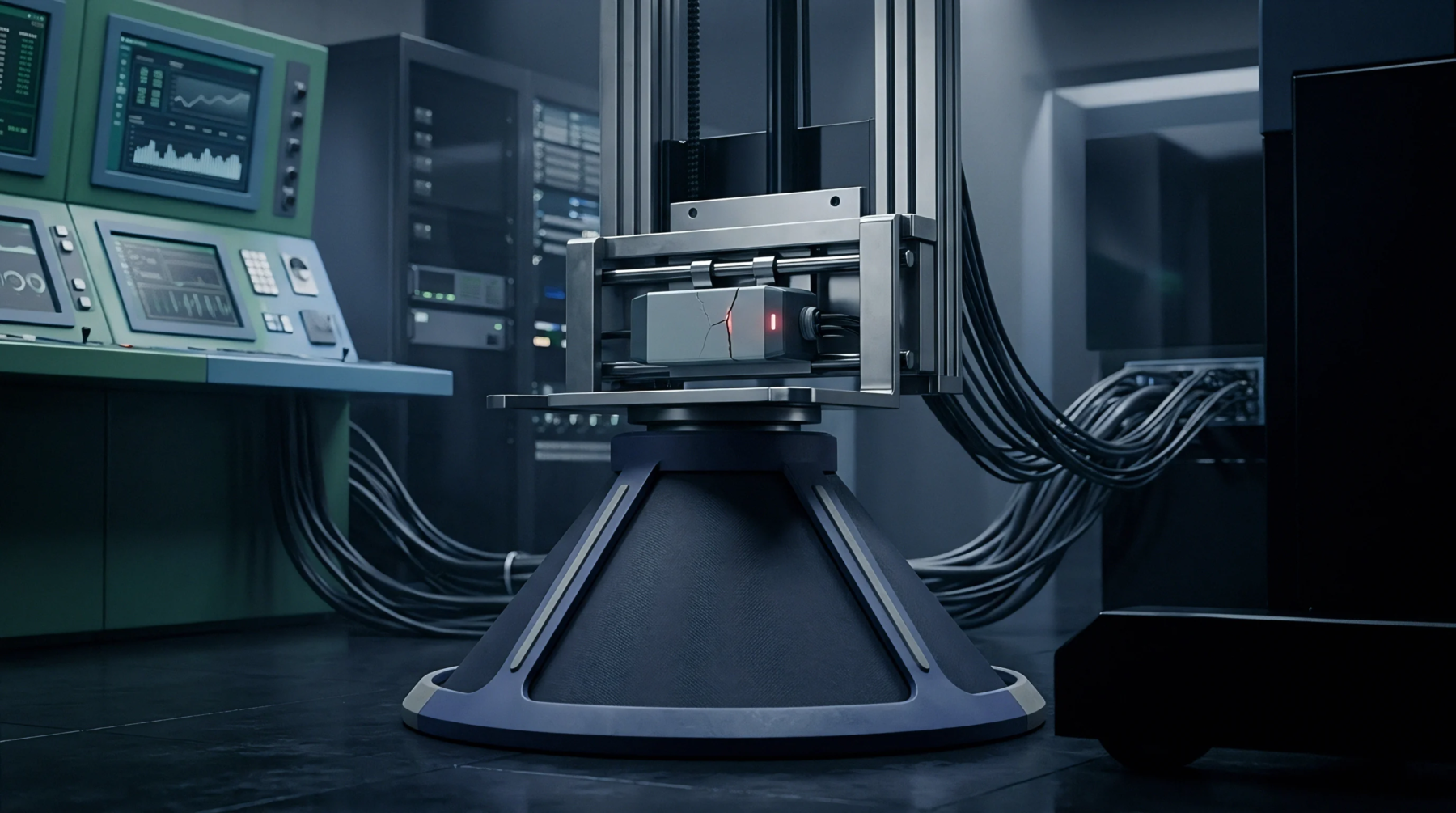
Cryogenic silicon flexure resonance control requires active electrostatic stiffness tuning to decouple element modes and mitigate quality factor amplification.
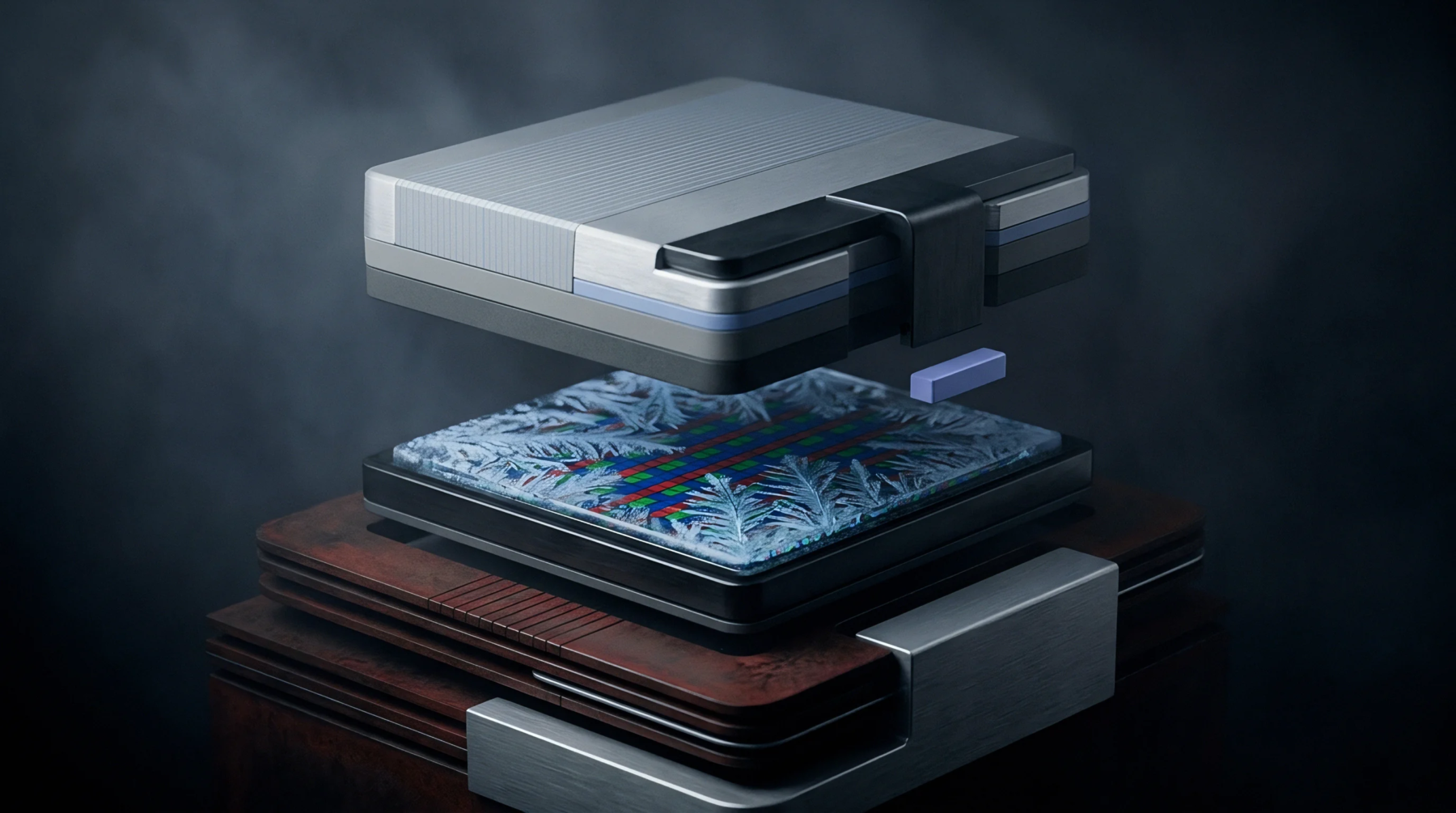
Cryogenic strain decoupling architectures protect wafer-level readout packages by replacing rigid solder joints with compliant Indium or spring interconnects.

Polymer encapsulants impose time-dependent viscoelastic stresses that drive uncompensated sensor drift unless bounded by storage modulus characterization.
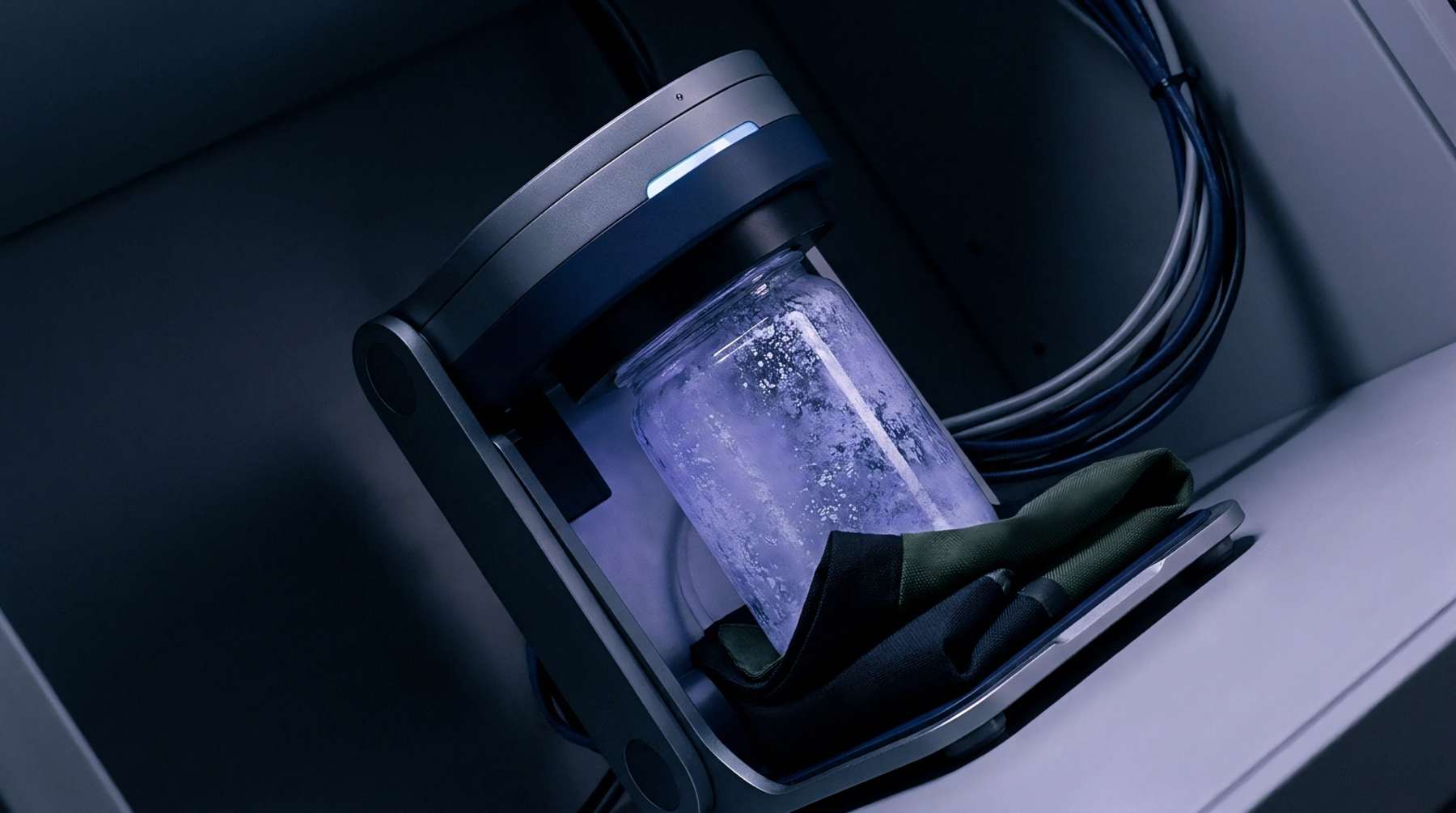
Analytical package strain modeling and operator inversion algorithms resolve transducer hysteresis, preserving measurement accuracy across thermal cycles.

Differential thermal expansion between die and package shifts capacitive sense gaps post-shock, demanding coupled stress-temperature calibration models.

Mounting piezoresistive dies on borosilicate glass pedestals with low-modulus gel encapsulation isolates packaging strain and reduces zero-offset drift.

Compliant single-point die anchors and ceramic cavity packages eliminate thermal-mechanical strain hysteresis across automotive sensor operating temperatures.

MEMS capacitive accelerometer zero offset drift stems from package strain hysteresis, charge trapping, and thermal creep, requiring multi-axis tumble calibration and polynomial compensation.
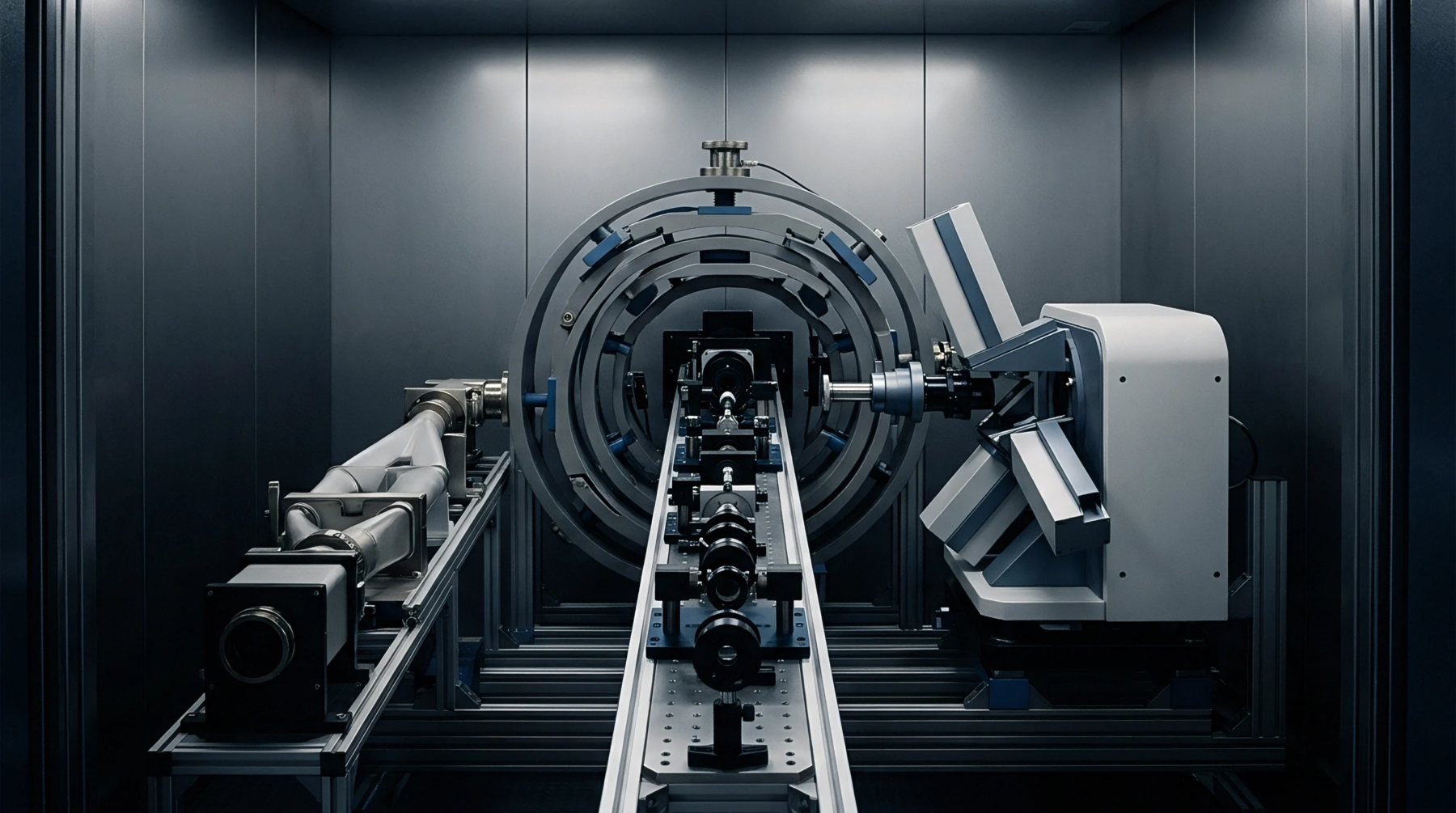
Bounding temperature-dependent cross-axis vibration rectification demands continuous-time front-end filtering and tight high-aspect ratio DRIE flexure symmetry.
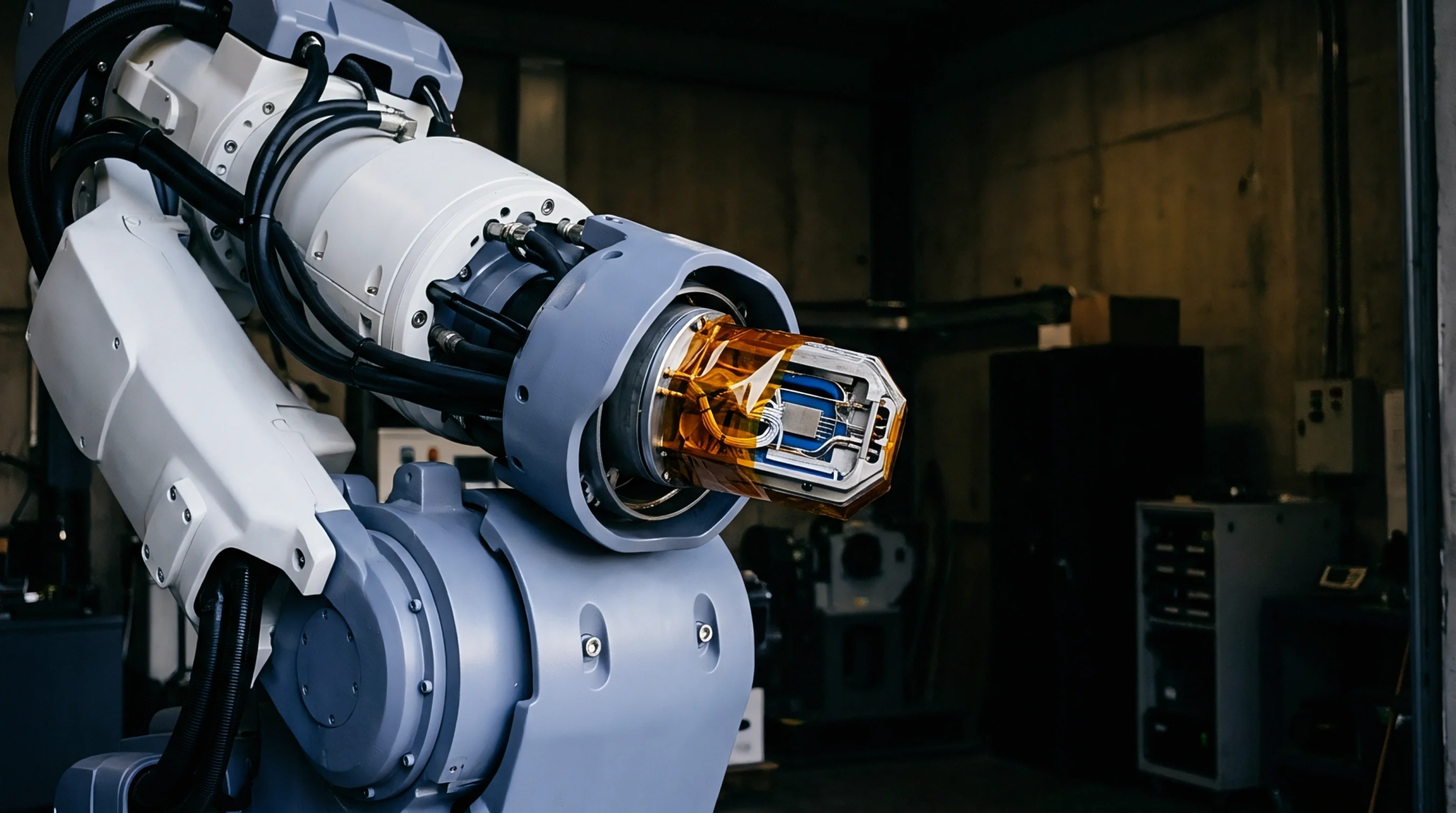
Multi-axis shaker cross-motion decoupling relies on synchronized multi-channel reference arrays and dynamic frequency-domain matrix inversion.

Second-order acceleration errors in capacitive sensors stem from asymmetric differential gap geometry and squeeze-film compression under high-frequency vibration.

Non-linear capacitive and squeeze-film forces downconvert high-frequency acoustic energy into baseband mechanical offset errors in quad-symmetric MEMS flexures.
Vibration rectification drift stems from second-order structural and electronic asymmetries, quantifiable via second-order non-linearity coefficients.
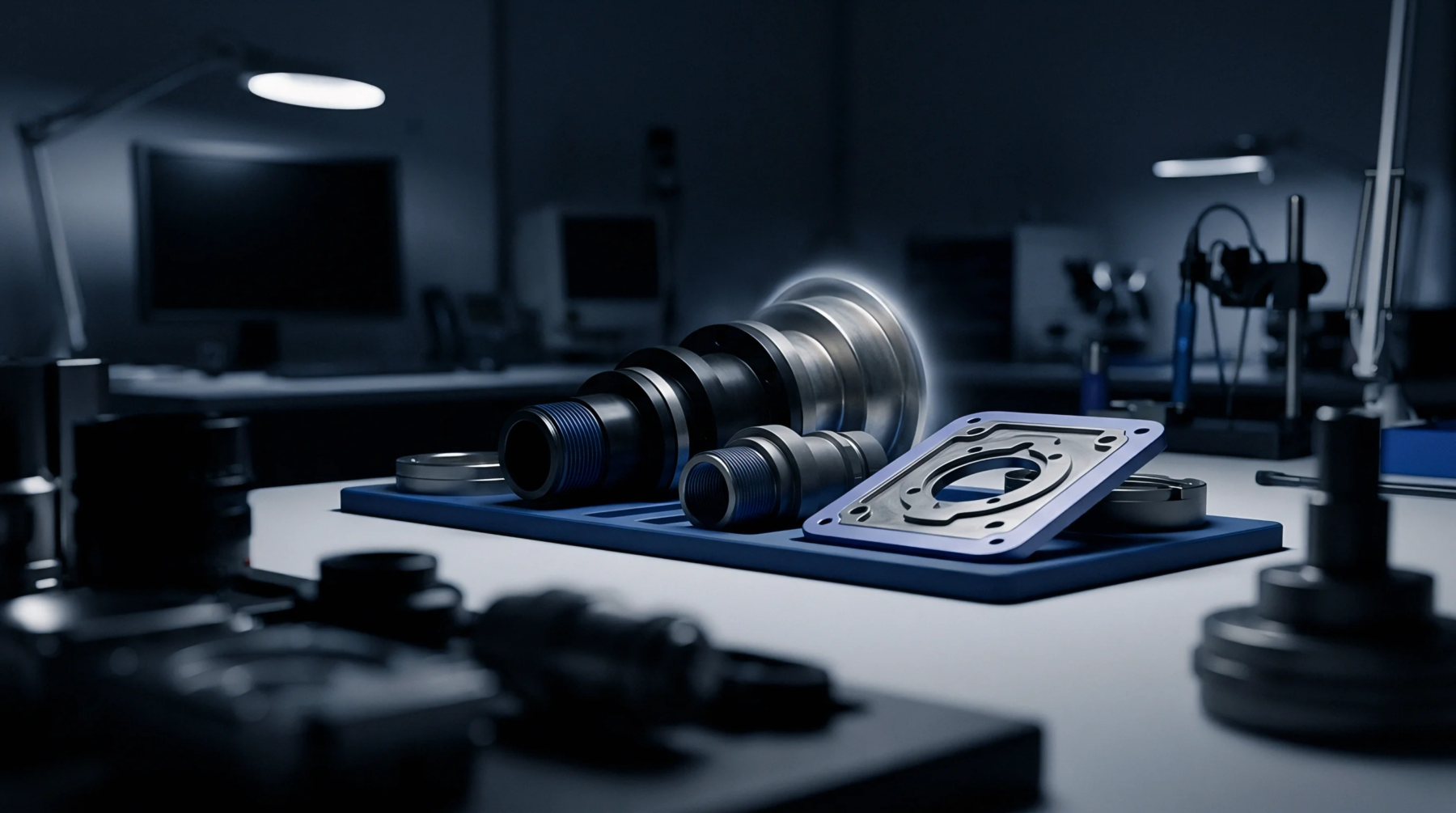
Silicon capacitive accelerometers translate differential gap changes into calibrated electric signals through mass-spring deflection and switched-capacitor readout.

Viscoelastic FEA mapping of potting stress vectors resolves thermal bias drift in tactical fiber optic gyroscopes by predicting photoelastic phase shifts.

Coupled finite-element thermo-optic stress modeling quantifies photoelastic index shifts in quadrupolar FOG coils to suppress thermal drift.
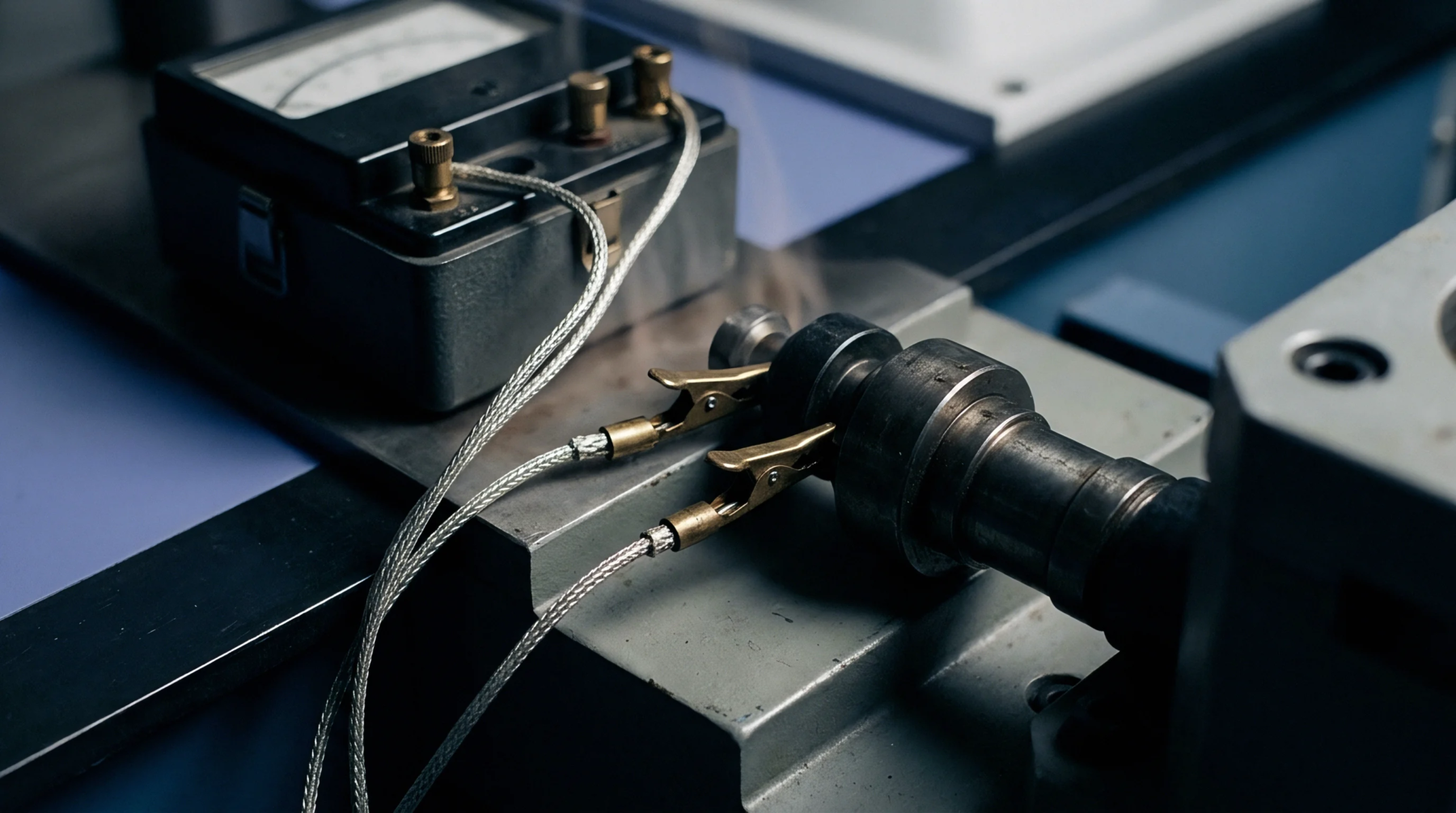
Finite element thermal modeling coupled with quadrupole winding topology minimizes rate bias drift caused by dynamic thermal gradients in fiber optic gyroscopes.
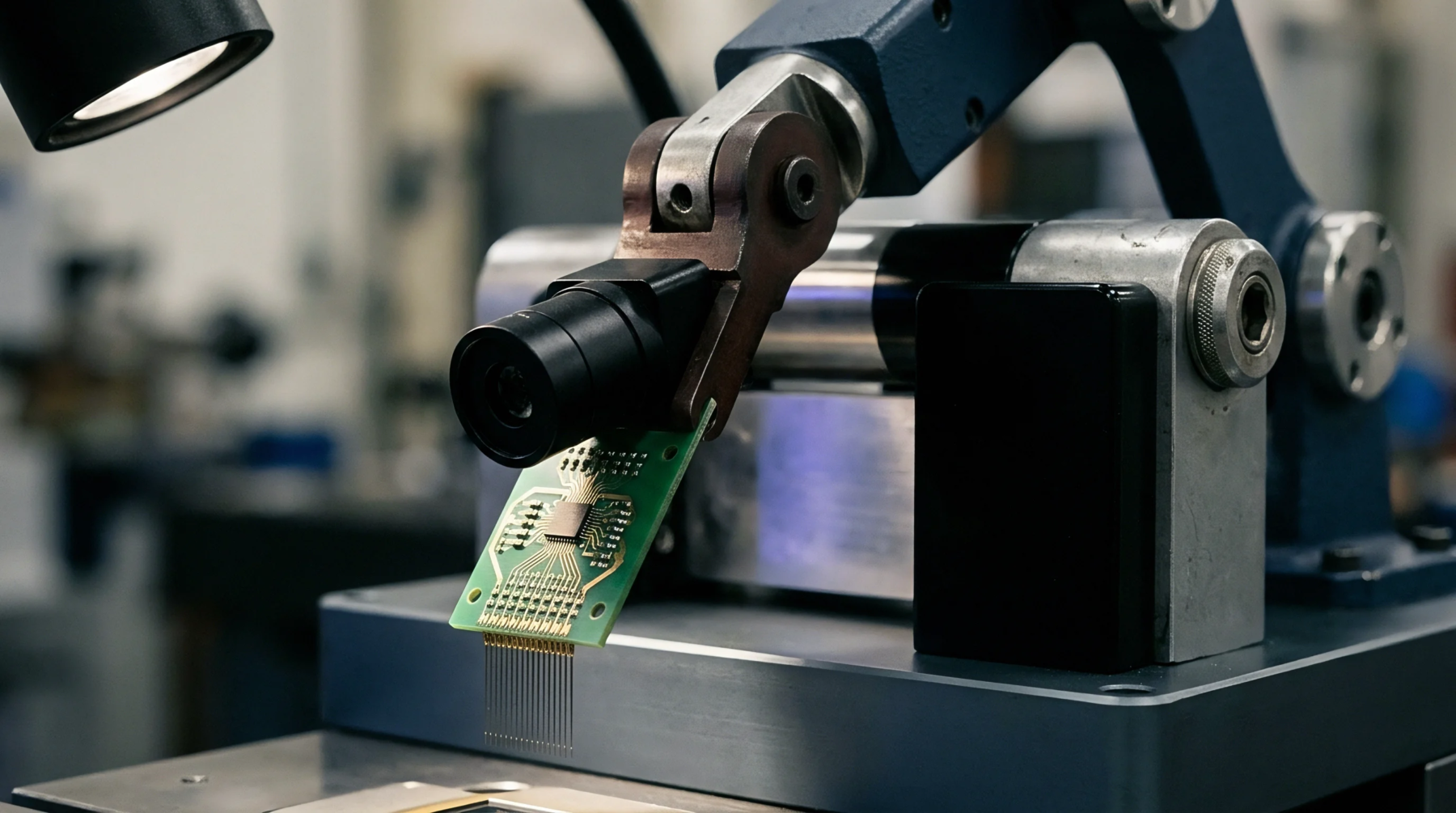
Nonlinear thermo-mechanical state mapping predicts micro-optical resonator frequency shifts under tactical shock and thermal gradients for high-Q arrays.

State space thermal observers model internal spatial gradients to eliminate dynamic transient offset errors in sensors during rapid ambient temperature shifts.
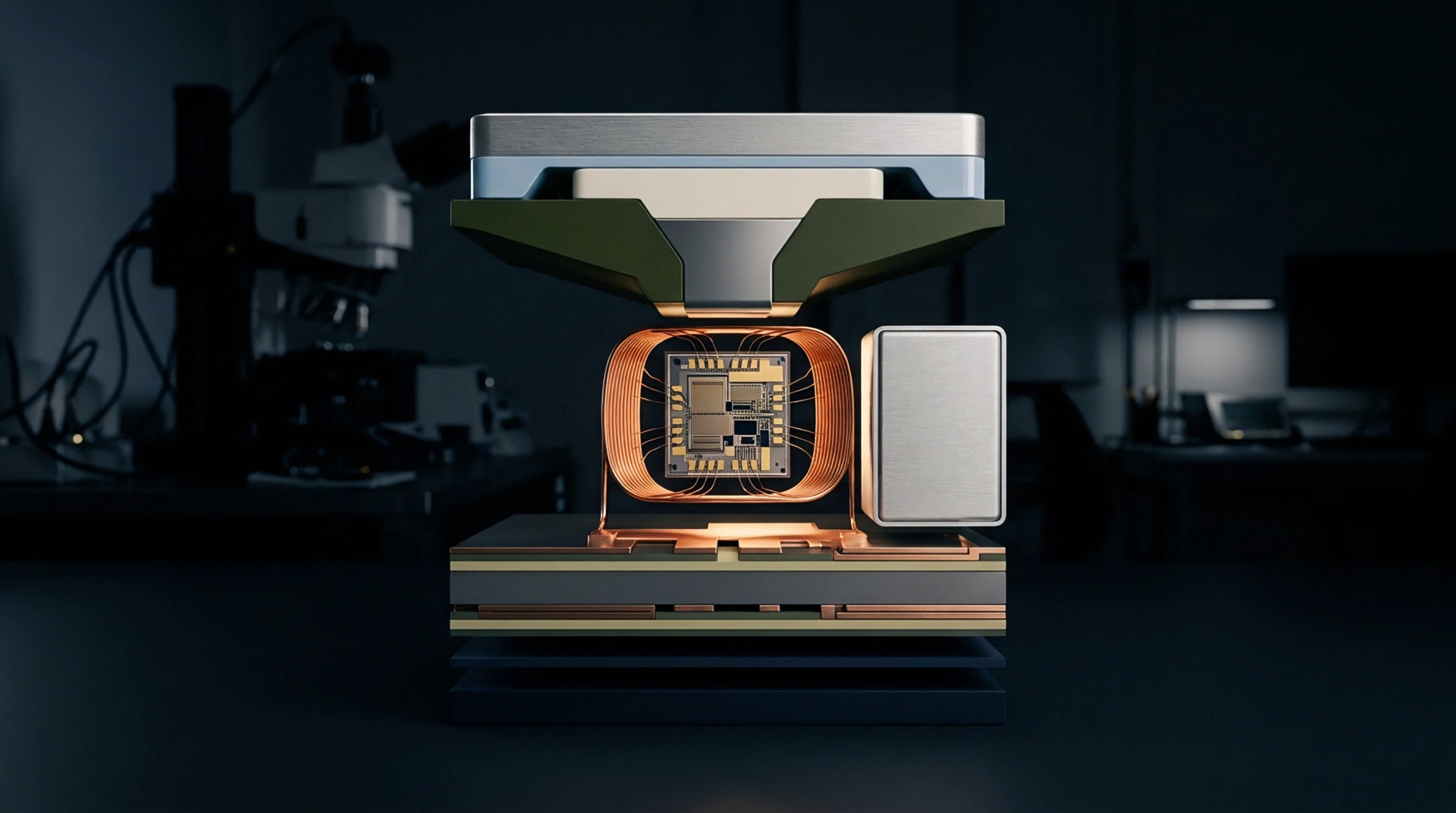
Dynamic bias compensation in IMUs requires real-time g-sensitivity matrix tracking and high-frequency sampling to prevent rapid strapdown navigation drift.
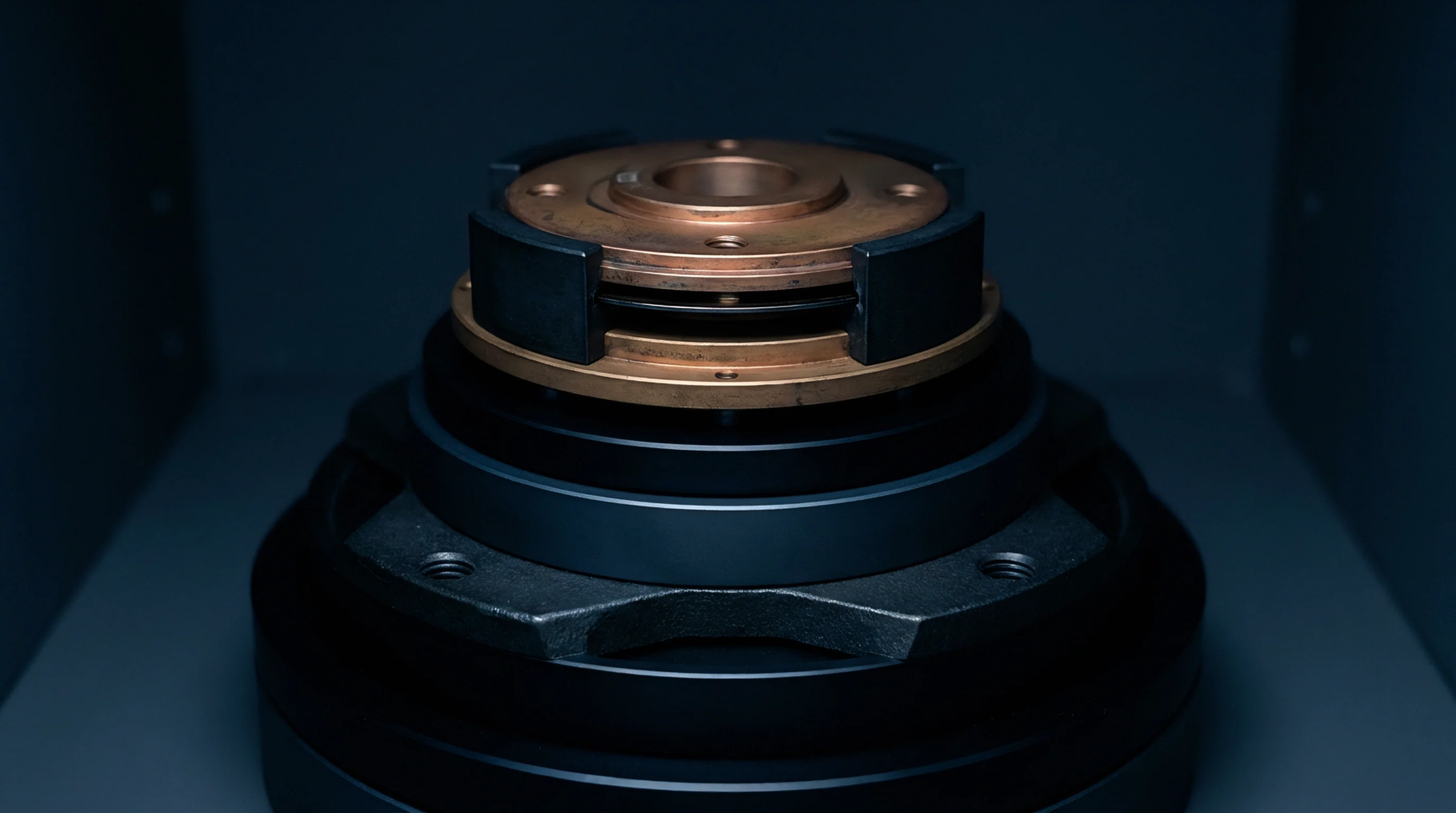
Coupled thermo-structural finite element modeling minimizes quartz resonator thermal hysteresis by optimizing adhesive modulus and mounting geometry to limit stress.

Dynamic thermal derivative compensation eliminates transient bias lag in high-accuracy resonant accelerometers during steep environmental temperature ramps.

Quartz resonant accelerometer hysteresis stems from crystal CTE mismatch and bond stress relaxation, demanding dynamic temperature rate terms.

Substrate strain accelerates relaxor aging by shifting freezing kinetics, demanding thermal stress modeling to prevent operational transducer calibration failure.

Transient thermal gradients alter electrostrictive dielectric permittivity through combined thermal expansion stress and bias-induced pyroelectric currents.
Expertise is a utility, not a secret. sentiention™ publishes its working knowledge as open reference: intelligence layer covering the materials it sources, the markets it enters, and the reference that serves both.