
Iso Die Package Selection for Compact Surface Mount Assembly
Matching package creepage distance to board pollution degree prevents arc flash failure while maintaining high density surface mount assembly yields.
Matching package creepage distance to board pollution degree prevents arc flash failure while maintaining high density surface mount assembly yields.

Dual stage Langmuir kinetics dictate that bound moisture desorbs into steam during reflow, driving delamination and sensor offset drift unless bake profiles clear bound water.
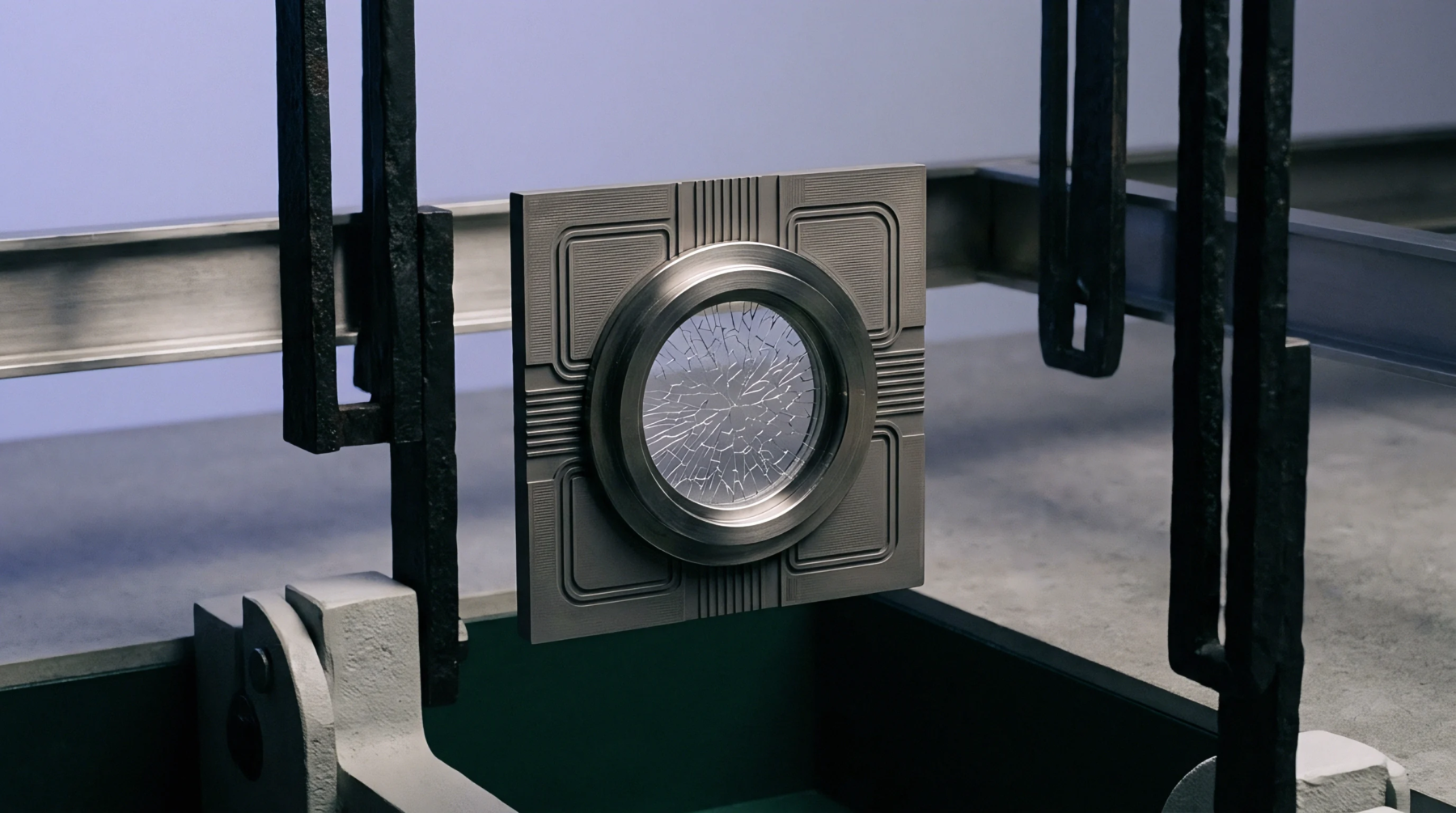
Interfacial hygroscopic swelling stress arises from differential moisture expansion, compounding thermal mismatch and driving package delamination during reflow.
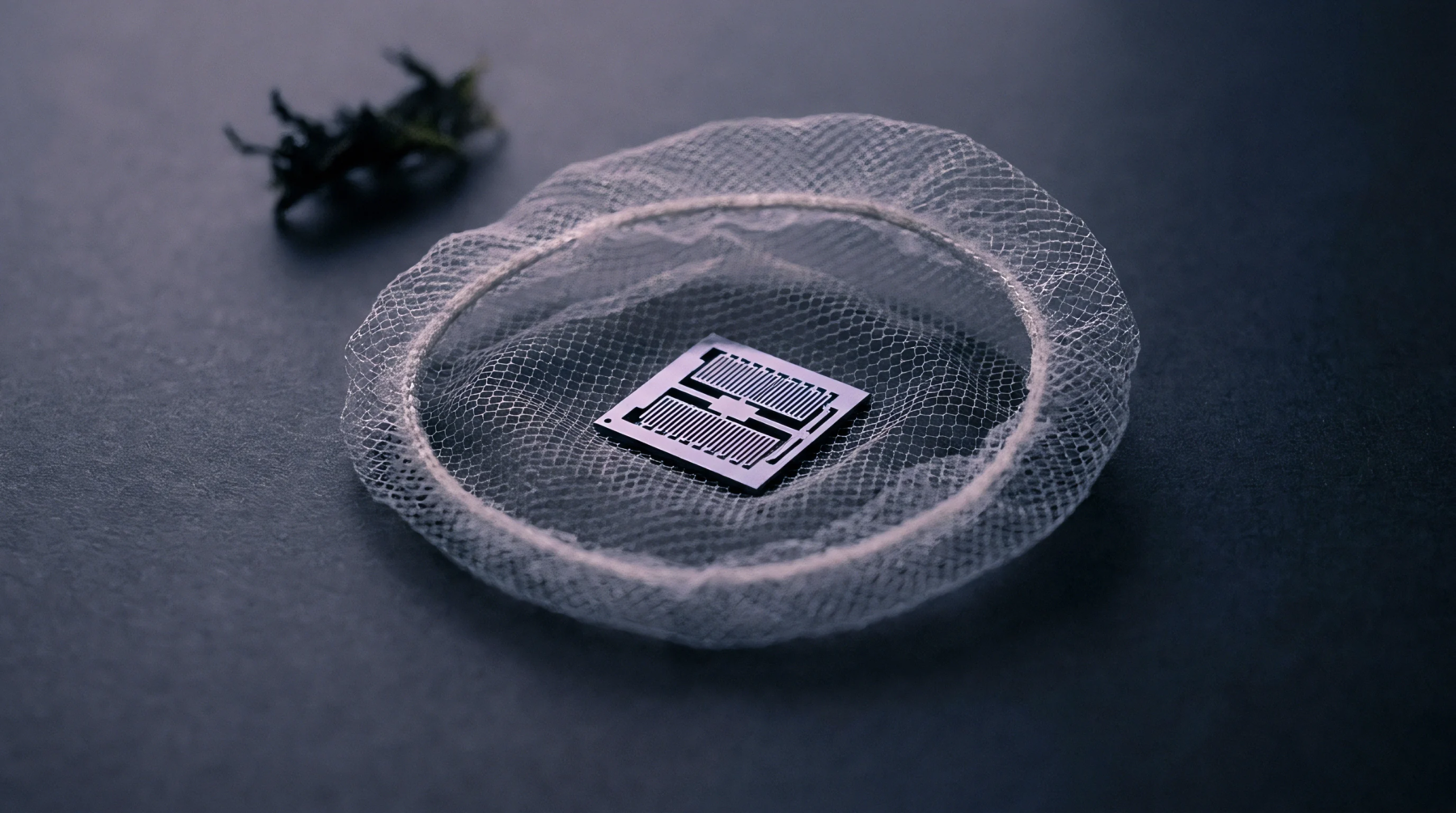
Dual-sourcing low-tier commercial sensors introduces baseline offset drift, thermal hysteresis, and ASIC filtering divergence that increase total landed product cost.

Selecting surface mount sensor packages requires balancing land-pattern mechanical stress and reflow limits against bus integration effort and unit yield cost.
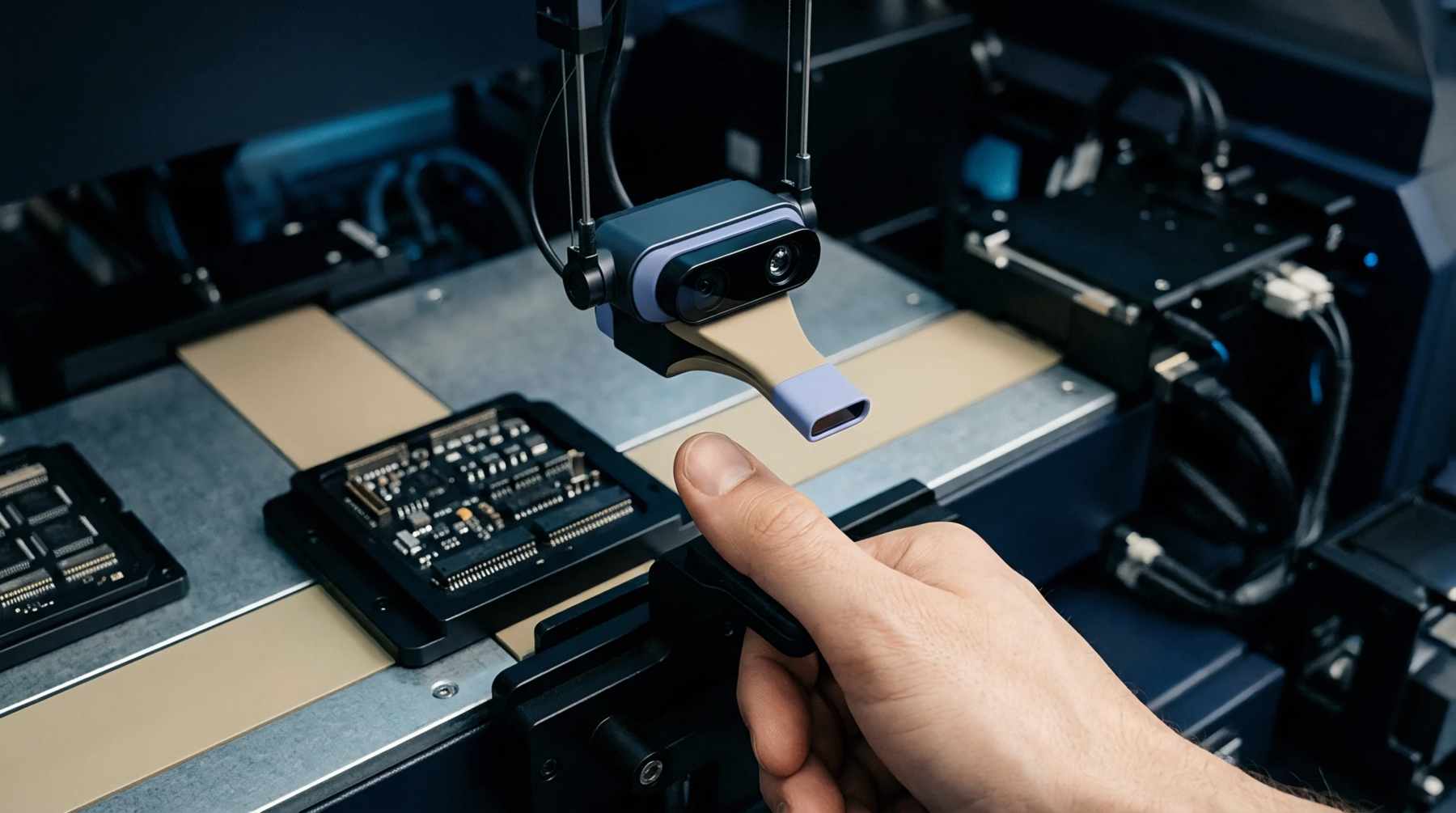
Component obsolescence decisions require balancing upfront board redesign NRE against multi-year nitrogen storage capital tie-up and solderability decay risks.

Baking moisture sensitive ICs requires matching package thickness and carrier heat ratings to balance desorption speed against intermetallic lead oxidation risks.

Building discrete sensor layouts beats buying pre-tested modules when batch volume crosses twenty-five thousand units and host routing absorbs test NRE without HDI layer additions.

Isothermal precision reference layouts eliminate microvolt thermal EMFs and mechanical strain by balancing copper symmetry, milling strain-relief cuts, and decoupling heat flow.

Selecting WLCSP over DFN reduces board footprint by 70 percent but introduces strict HDI stackup costs and SMT process controls required to protect yield.

Epoxy molding compounds absorb moisture according to temperature-dependent diffusion rules, requiring strict MSL floor life management to avoid popcorning during reflow.

Sensor package choice dictates board layout tolerances, bus signal integrity, driver firmware complexity, and final landed unit economics across production volumes.
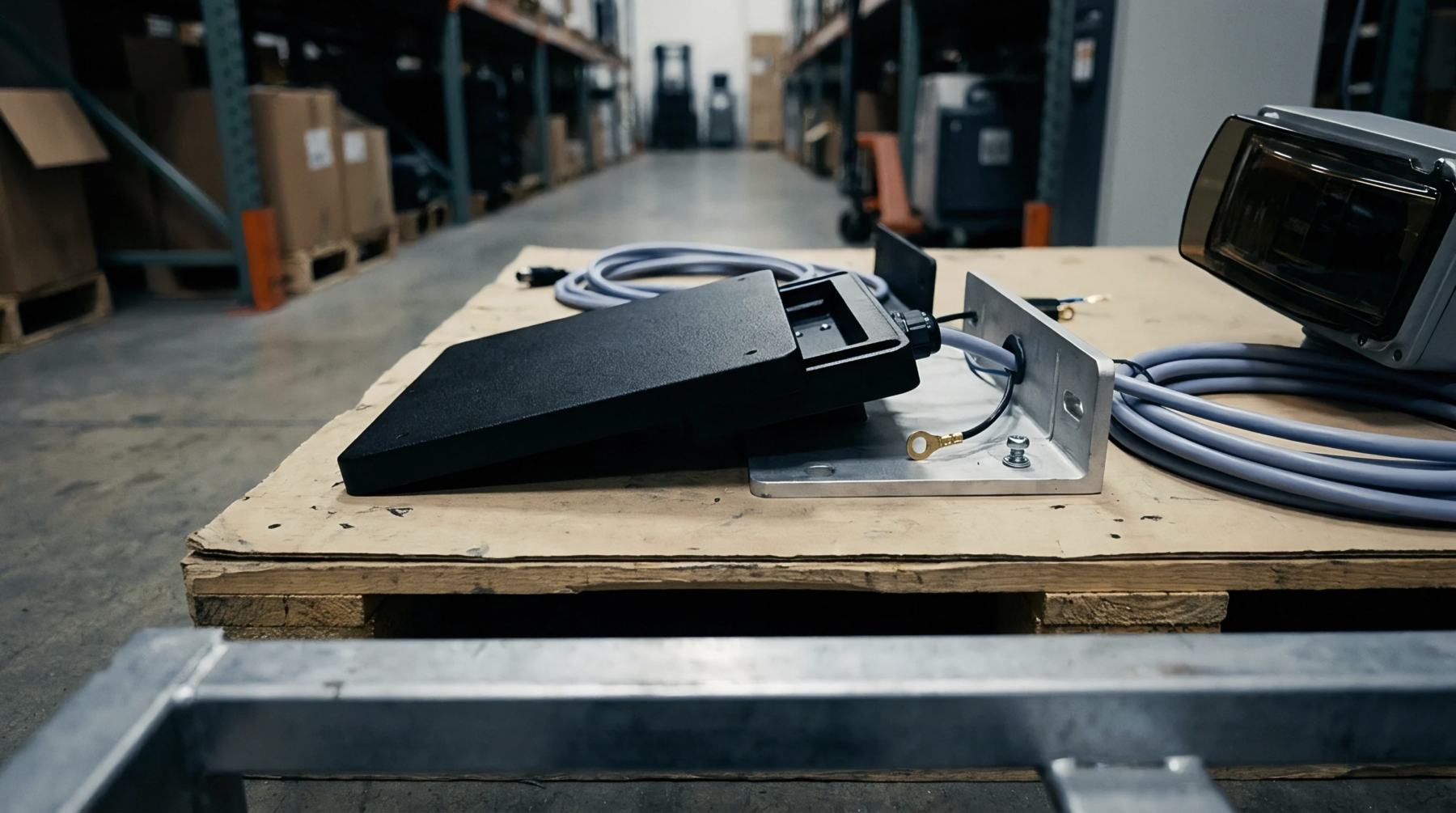
Enforce 18-month EOL notice timelines and silicon-level allocation guarantees to protect sensor supply chains from unannounced component discontinuances.

Elevated storage temperatures accelerate moisture diffusion into epoxy molding compounds, raising internal vapor pressure during reflow and driving package failure.
Component reflow popcorning occurs when trapped moisture vaporizes during soldering; acoustic microscopy detects internal delamination via signal phase inversion.

Quantifying supplier liabilities for compromised moisture barrier packaging requires capturing direct component replacement, dry-bake remediation, and SMT line downtime costs under strict quality contract clauses.
Receiving verification of moisture barrier packaging and strict floor life tracking prevent reflow delamination yield losses in surface mount assembly.

Epoxy compound moisture absorption generates critical steam pressures during lead-free reflow, demanding strict MSL dry-pack handling to prevent internal delamination.
Expertise is a utility, not a secret. sentiention™ publishes its working knowledge as open reference: intelligence layer covering the materials it sources, the markets it enters, and the reference that serves both.