Thermal Stability
Thermal expansion coefficients define the suitability of borosilicate glass pedestal configurations for precision optical mounting and high temperature laboratory environments. This borosilicate glass pedestal provides a low expansion base which maintains structural dimensions across temperature fluctuations that would distort soda lime substrates. Manufacturers calibrate these supports for chemical resistance and dimensional integrity during heating cycles.
Mechanical Specification
Rigidity determines the load capacity of each borosilicate glass pedestal unit during interferometry or laser alignment procedures. Engineers calculate the deflection threshold based on the cross-sectional area and the Young modulus of the specific batch material. These components resist compressive stress better than standard silicate varieties due to the boron trioxide content that reduces the internal strain gradient during cooling.
Verification Protocol
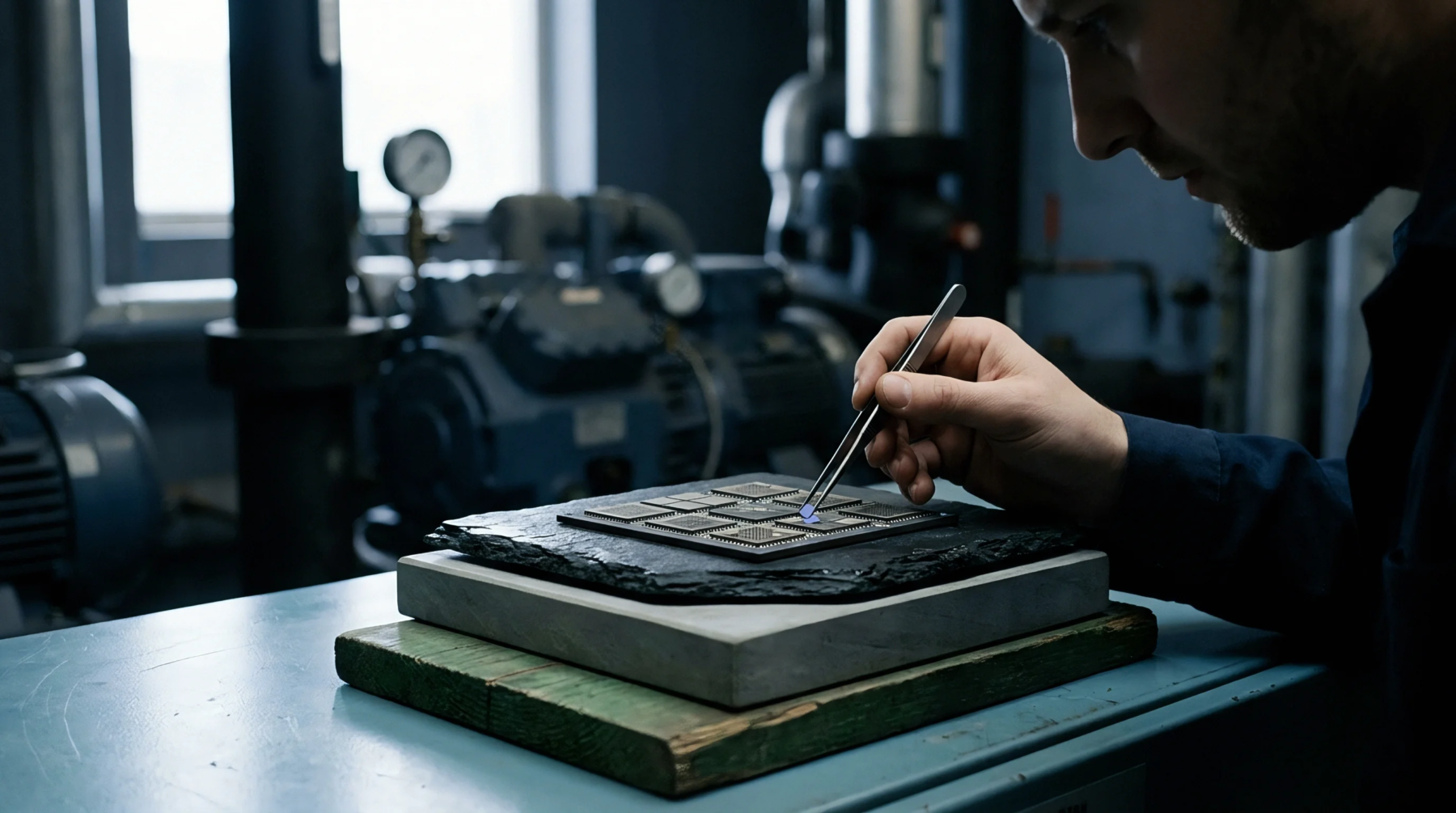
Metrological assessment of a borosilicate glass pedestal requires surface flatness measurements conducted with laser interferometers at twenty degrees Celsius. Technicians apply a reference flat against the pedestal surface to quantify deviation from the nominal plane measured in fringes of light. Deviations exceeding one quarter wavelength indicate surface degradation or improper annealing that negates the intended precision of the mounting system.
Installation Tolerance
Mounting alignment accuracy dictates the optical axis stability when technicians secure a borosilicate glass pedestal to a vibration dampened surface. Forces applied through threaded clamps must remain within the elastic limit to prevent micro fracturing at the contact interface. Ground base surfaces ensure consistent seating during repeated installation cycles which prevents signal drift in sensitive light paths.
Proper torque application ensures the base remains stationary under heavy optical payloads without introducing stresses that degrade long term performance.