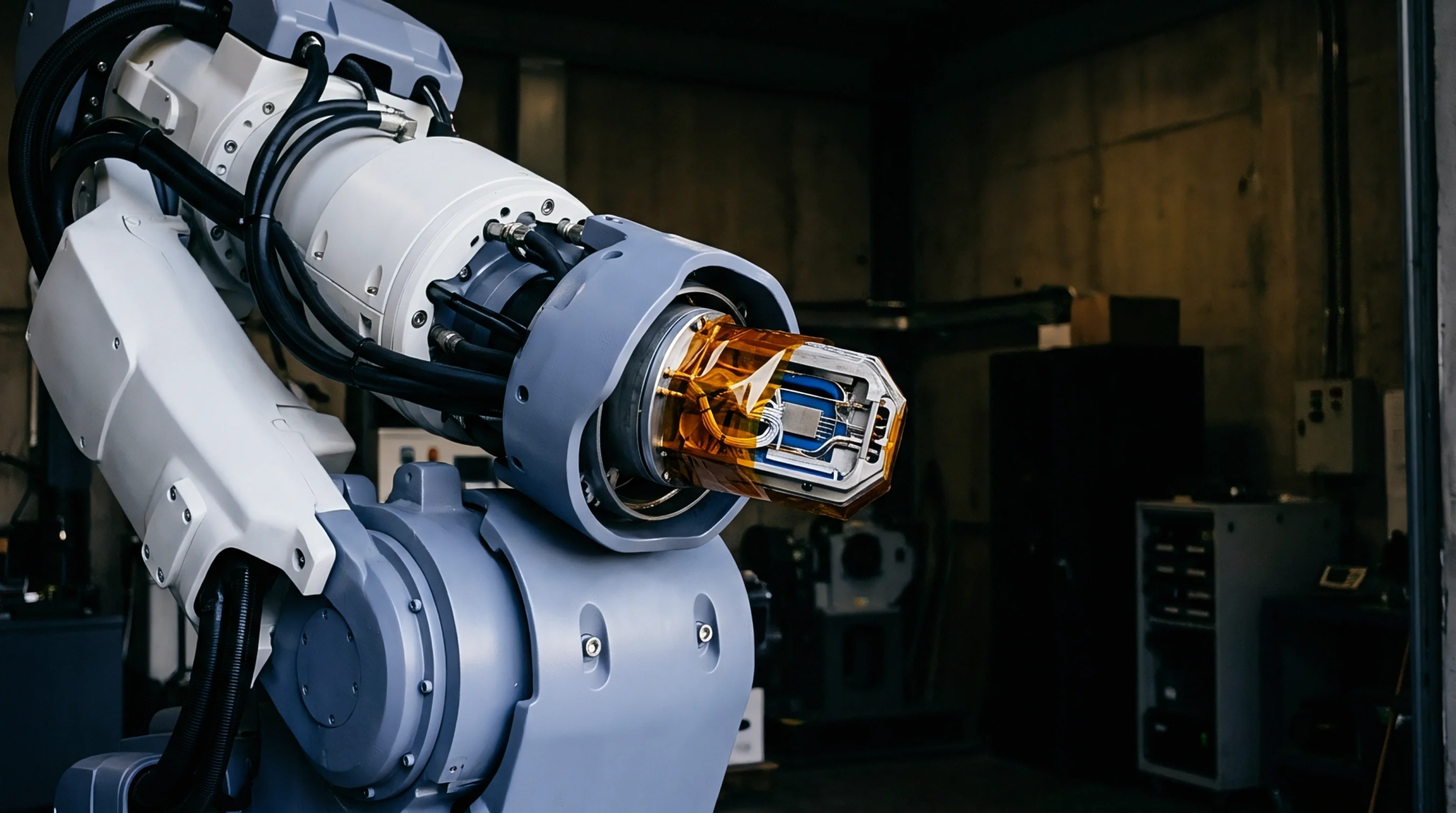
Fluid Quantity
Volumetric quantities of non-compressible fluid sealed within a pressure transmitter capsule determine the hydraulic coupling of the sensor. This parameter, the oil fill volume, must be tightly controlled to ensure that pressure is transmitted from the isolation diaphragm to the silicon sensing chip without attenuation. It represents the total internal fluid capacity of the sealed capsule under reference conditions.
Sensor Calibration
Variations in this fluid quantity affect the zero-point stability and the thermal response of the pressure transmitter. An incorrect oil fill volume causes the isolation diaphragm to sit in an offset position, which shifts the calibration curve. This shift requires correction through zero-adjustment algorithms during the final calibration phase.
Thermal Expansion
Thermal coefficient of expansion of the silicone oil causes the fluid to expand or contract with temperature changes. When the oil fill volume is too high, the expanding fluid exerts an internal pressure on the diaphragm, generating a temperature-dependent offset drift. This thermal effect degrades the measurement accuracy at the extremes of the operating temperature range.
By minimizing the total oil volume during the design phase, the transmitter’s susceptibility to these temperature-induced errors is reduced.
Production Limit
Precision dosing systems are used in the factory to inject the oil under vacuum. The fill quantity is verified by weighing the capsule before and after the filling process to ensure it matches the nominal specification. This check guarantees that the sensor maintains stable performance across its entire operational envelope.