Optical Attenuation
Signal attenuation caused by microscopic deviations in the axis of an optical fiber occurs when localized compressive forces squeeze the waveguide. This microbending loss arises from surface roughness or uneven pressure from the cabling materials. The small bends couple light from the core to the cladding where the energy is lost.
Attenuation Mechanism
Deformation of the fiber on a microscopic scale results from lateral stresses applied during cabling, installation, or thermal cycling. When the temperature drops, the protective plastic coatings of the cable contract much faster than the silica glass fiber, creating micro-bends along the fiber length. This thermal mismatch can significantly increase the microbending loss in the winter months if the cable is not properly designed.
The effect is particularly pronounced in fibers with low numerical aperture or small core diameters where the light is less tightly confined to the core.
Cable Design
Mitigation of this signal degradation involves optimizing the design of the optical cable and the selection of protective buffer materials. Using a dual-layer acrylate coating where a soft inner layer cushions the fiber from external forces and a hard outer layer provides mechanical strength is a common approach. This soft cushion dampens any localized pressure, preventing it from translating into microscopic bends on the glass surface.
Additionally, choosing fibers with larger cladding-to-core refractive index differences helps keep the optical field confined, reducing the likelihood of mode coupling.
Metrological Detection
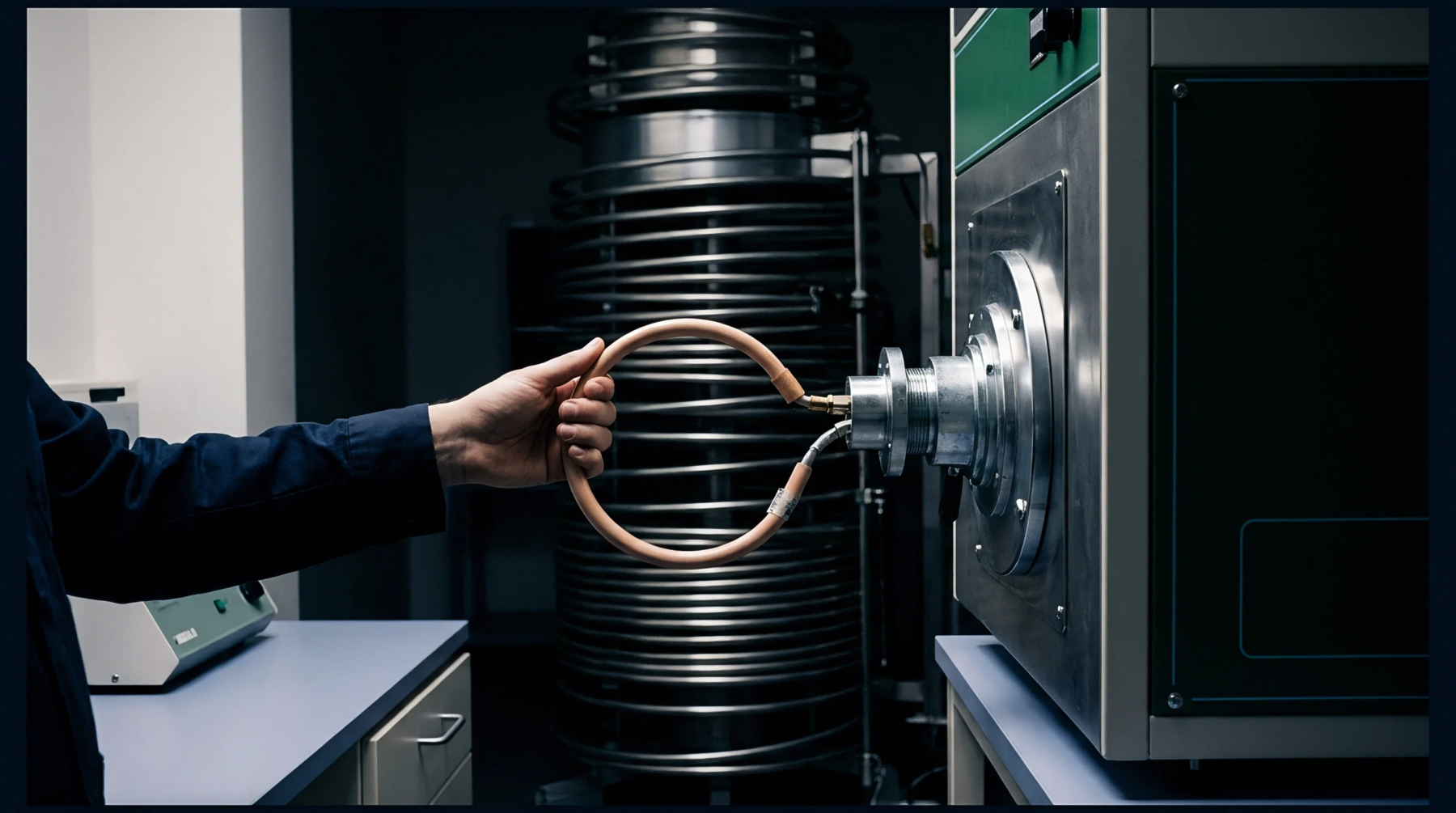
Testing and quantification of these losses are conducted using optical time-domain reflectometers or spectral loss measurement systems. By measuring the backscattered light along the fiber, the instrument can pinpoint the locations of localized stress and quantify the increase in attenuation. In laboratory testing, fibers are wound under tension on grooved drums to simulate extreme installation conditions and verify the ruggedness of the cable design.
Maintaining these losses below specified thresholds is a necessary requirement for certifying optical cables for long-distance transport networks.