
Viscoelastic Epoxy Creep Driving Zero Point Thermal Hysteresis in Shunts
Viscoelastic epoxy relaxation locks residual strain into shunt elements after thermal excursions, shifting zero-point resistance and corrupting current readings.
Viscoelastic epoxy relaxation locks residual strain into shunt elements after thermal excursions, shifting zero-point resistance and corrupting current readings.

Mechanical strain from expansion mismatch creates apparent TCR drift exceeding material limits unless terminals incorporate flexural decoupling relief.

Controlling moisture-induced shear strain below 80 microstrain in epoxy-molded foil elements requires compliant silicone buffers to hold sub-5 ppm stability.

Evaluating substrate stress relaxation requires continuous four-terminal monitoring to isolate solder viscoplastic creep from chemical film aging mechanisms.
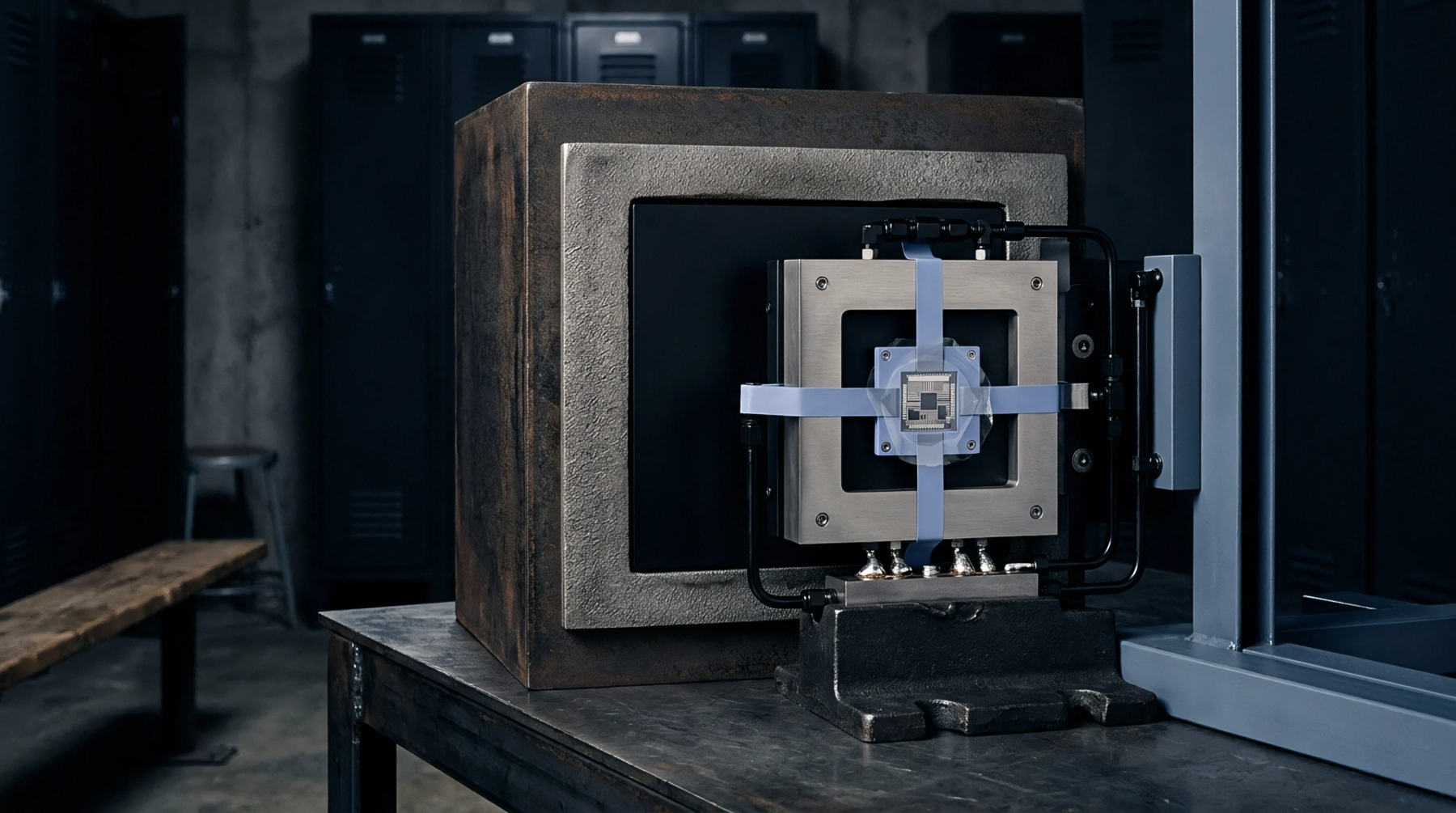
Bulk metal foil divider drift in precision voltage references is driven by viscoelastic adhesive creep, demanding monolithic hermetic packaging and pre-aging.

Dynamic multiphase fluid velocities shift external film coefficients by two orders of magnitude, expanding thermowell soak delays from 8 to over 180 seconds.

Potting conductivity above 1.8 W/m·K yields minimal sensor lag reduction while escalating void formation risk, element mechanical strain, and batch calibration drift.

Dynamic sensor response testing requires automated plunge actuation into verified fluid loops to separate internal encapsulation conduction from boundary layer lag.
Characterizing packaging strain relaxation under forced convection isolates thermal boundary layer stripping from fluid line pressure to secure true sensor accuracy.

Forced air acceptance testing verifies sensor dynamic response and self-heating limits by replicating application flow velocities and convective coefficients.

Verify transducer internal core thermal equilibrium with calculated multi-time-constant dwells before executing c=0 acceptance sampling against guardbanded limits.
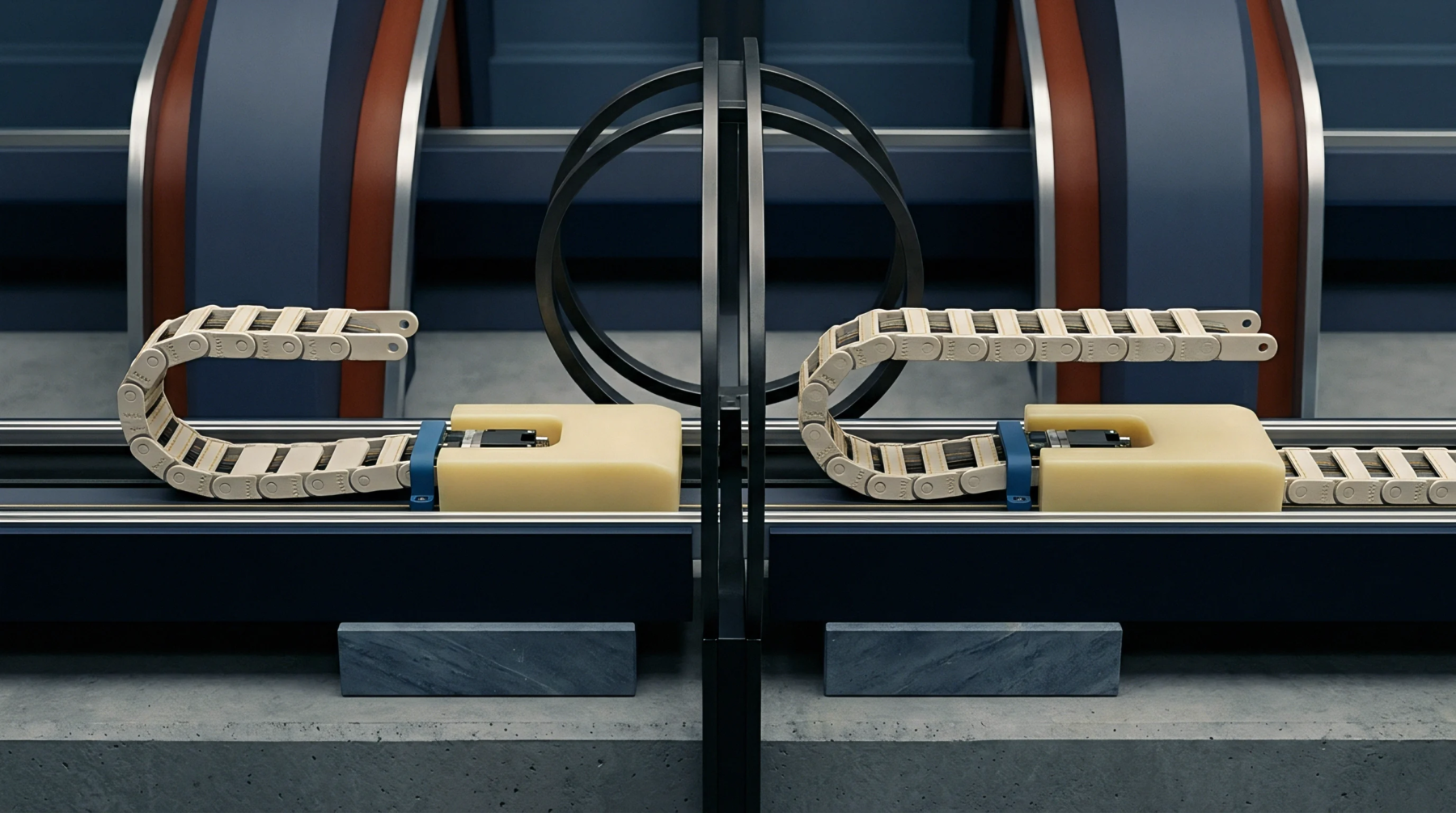
Early logarithmic packaging stress relaxation drives interfacial intermetallic diffusion, requiring refractory diffusion barriers and pre-calibration bakes.
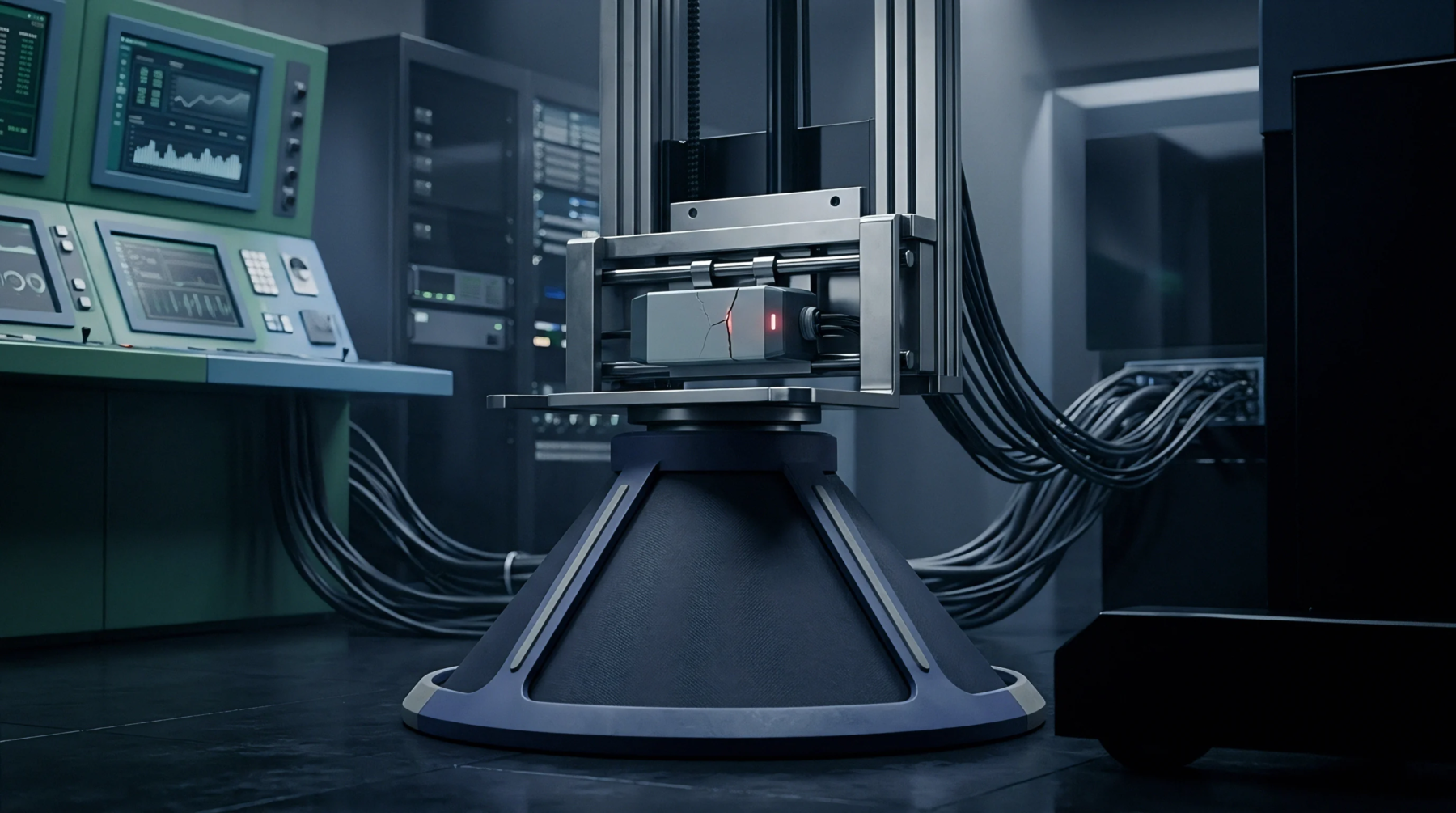
Sensor drift modeling couples Arrhenius and Peck kinetics with packaging mechanics to predict real measurement decay and optimize recalibration intervals.
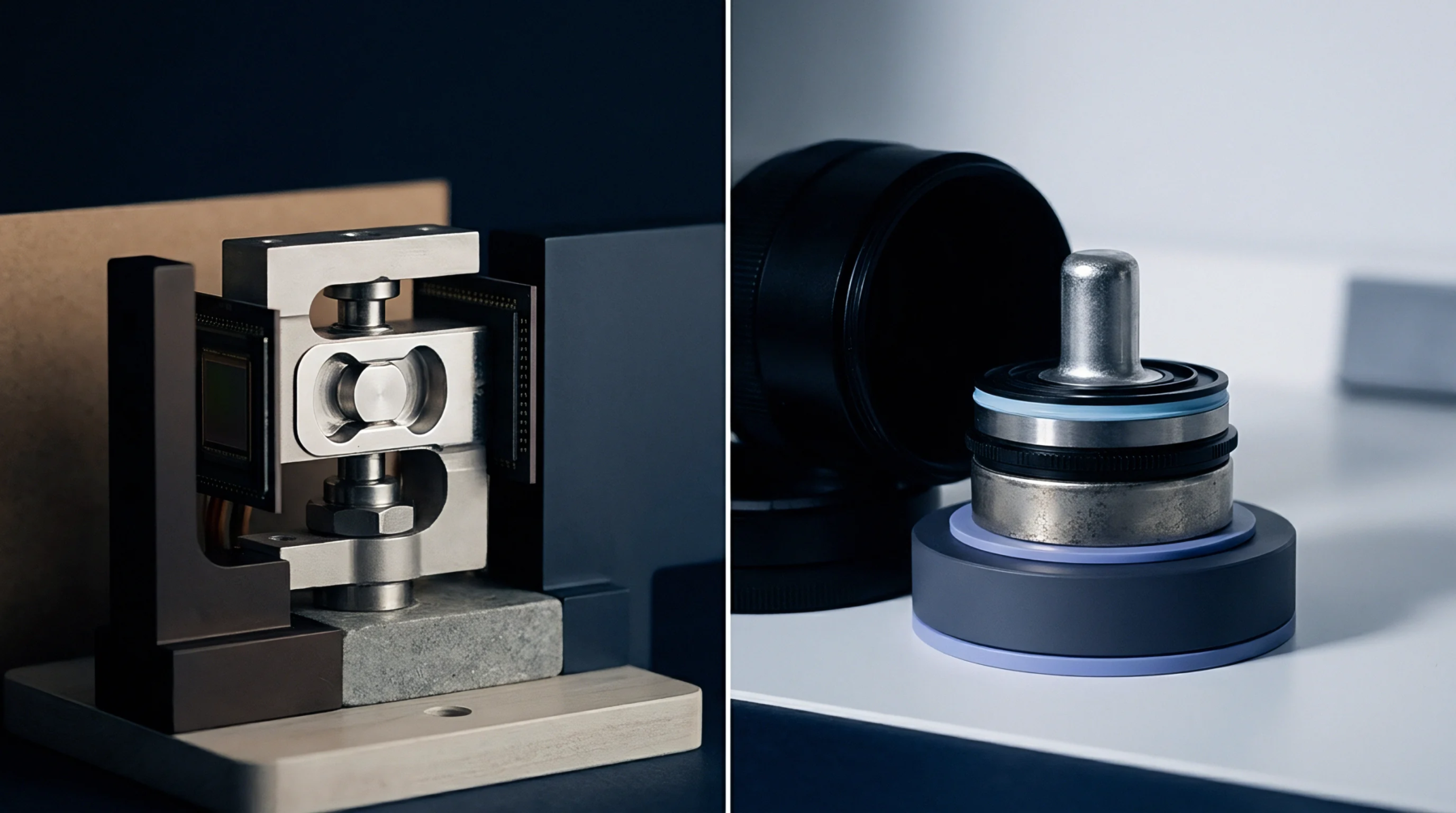
Validating four-week transducer qualification requires deriving activation energies empirically across stepped temperatures to prevent severe drift underestimation.

Dynamic thermal gradients drive nonlinear viscoelastic die attach shear creep, inducing hysteretic sensor offset drift that evades static factory calibration.

Interfacial shear stress transfers package thermal mismatch into piezoresistor bridges, requiring glass pedestals to prevent unrecoverable zero-point drift.

Silicon piezoresistors provide gauge factors exceeding one hundred but require mechanical isolation to decouple die stress from intrinsic thermal sensitivity.

Micro-sensor drift stems from die-attach viscoelastic relaxation and interfacial cracking, requiring constitutive modeling to prevent unrecoverable baseline shifts.

Hygrothermal aging drives sensor drift via moisture permeation, hygroscopic swelling, and hydrolytic degradation, requiring verified kinetic acceleration models.
Empirical activation energy for sensor encapsulation polymers requires multi-temperature aging below glass transition to prevent catastrophic field failures.
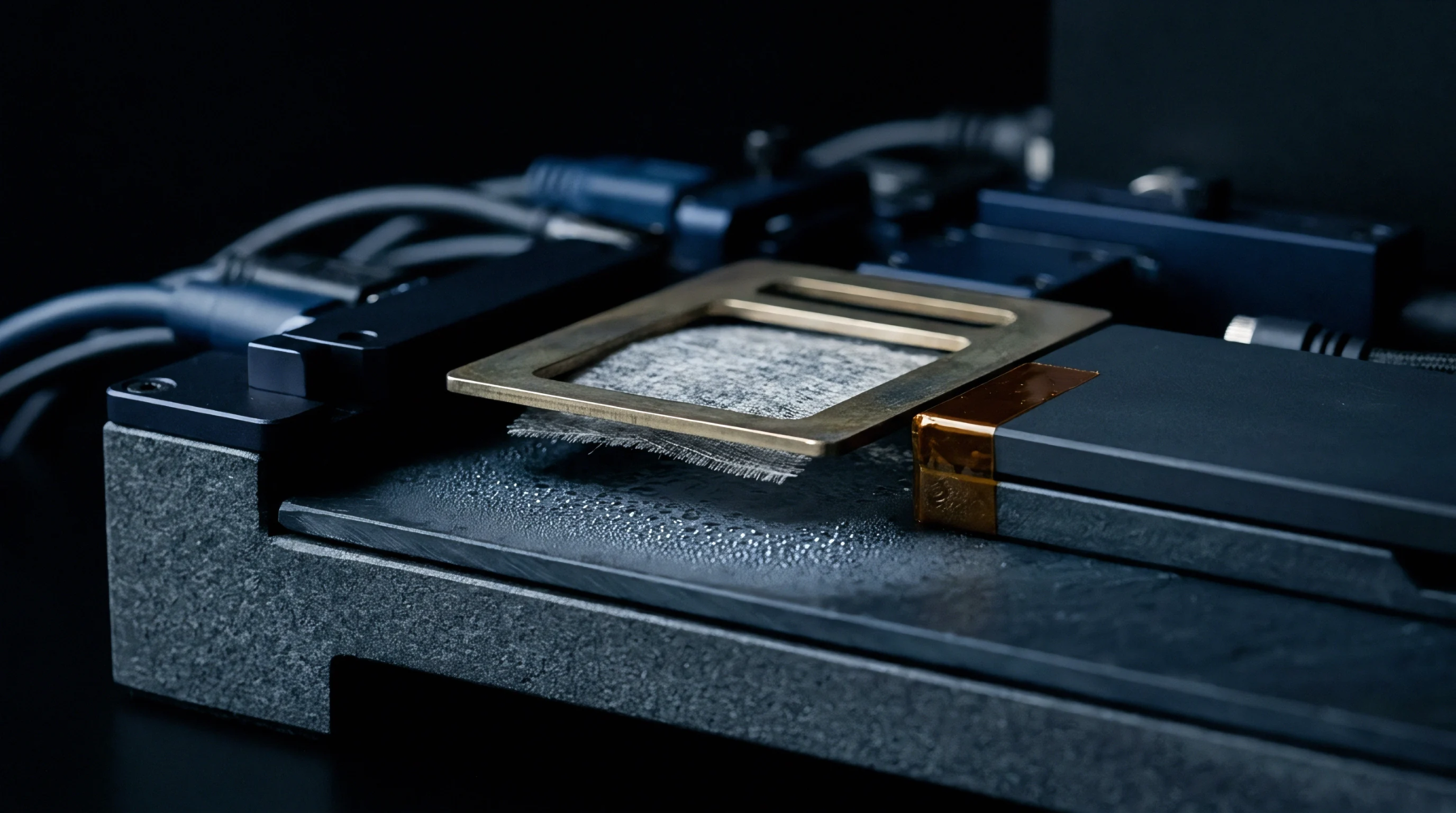
Uncertainty expansion in pressure fleets demands root-sum-square combination of annual zero drift, thermal hysteresis, and line pressure stress terms.
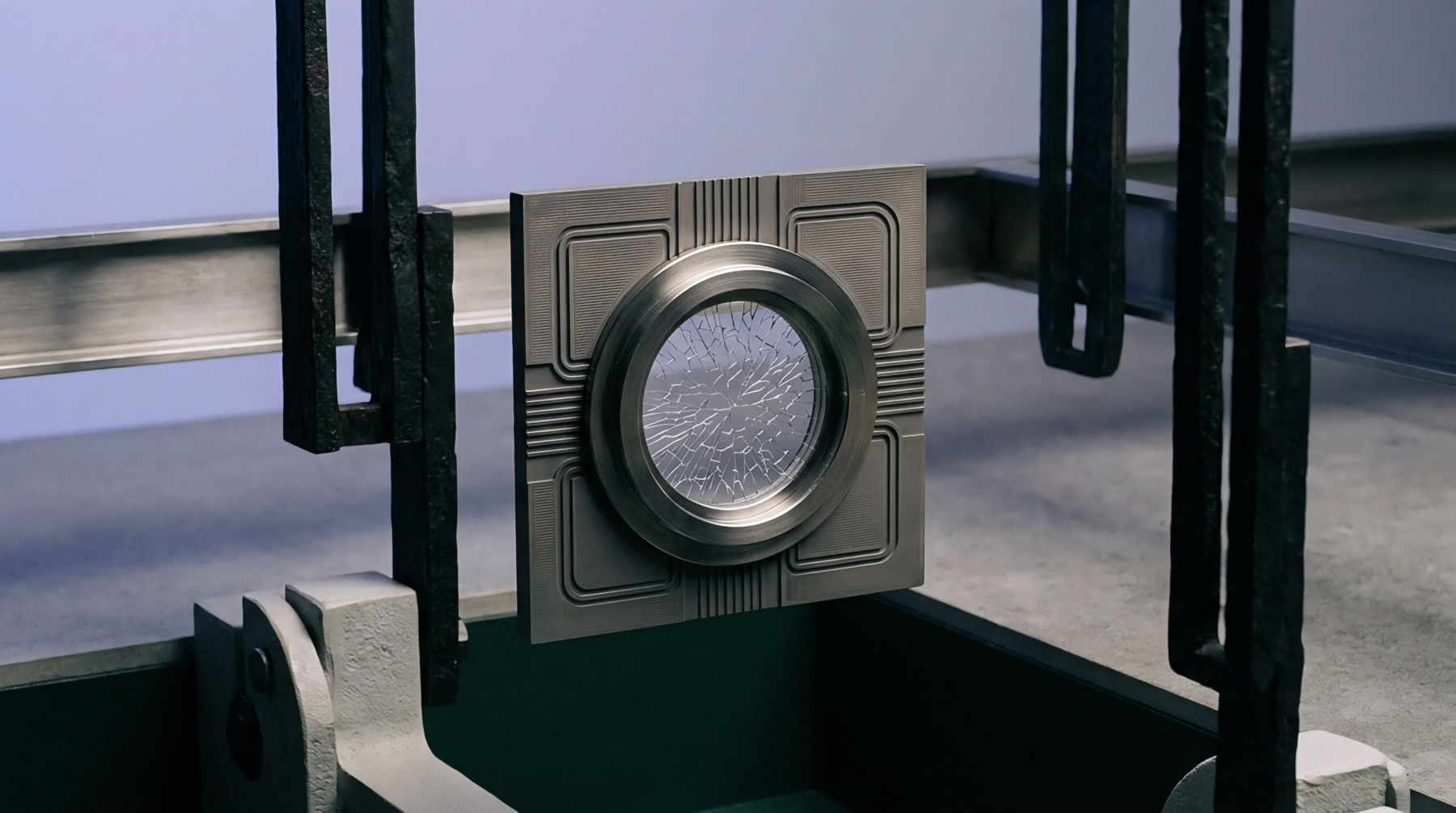
Unrecognized subsea sensor drift converts moisture ingress and adhesive creep into artificial structural fatigue, forcing costly unneeded interventions.

Optimizing calibration intervals balances in situ sensor drift history against consumer risk to minimize total plant ownership costs without violating tolerances.
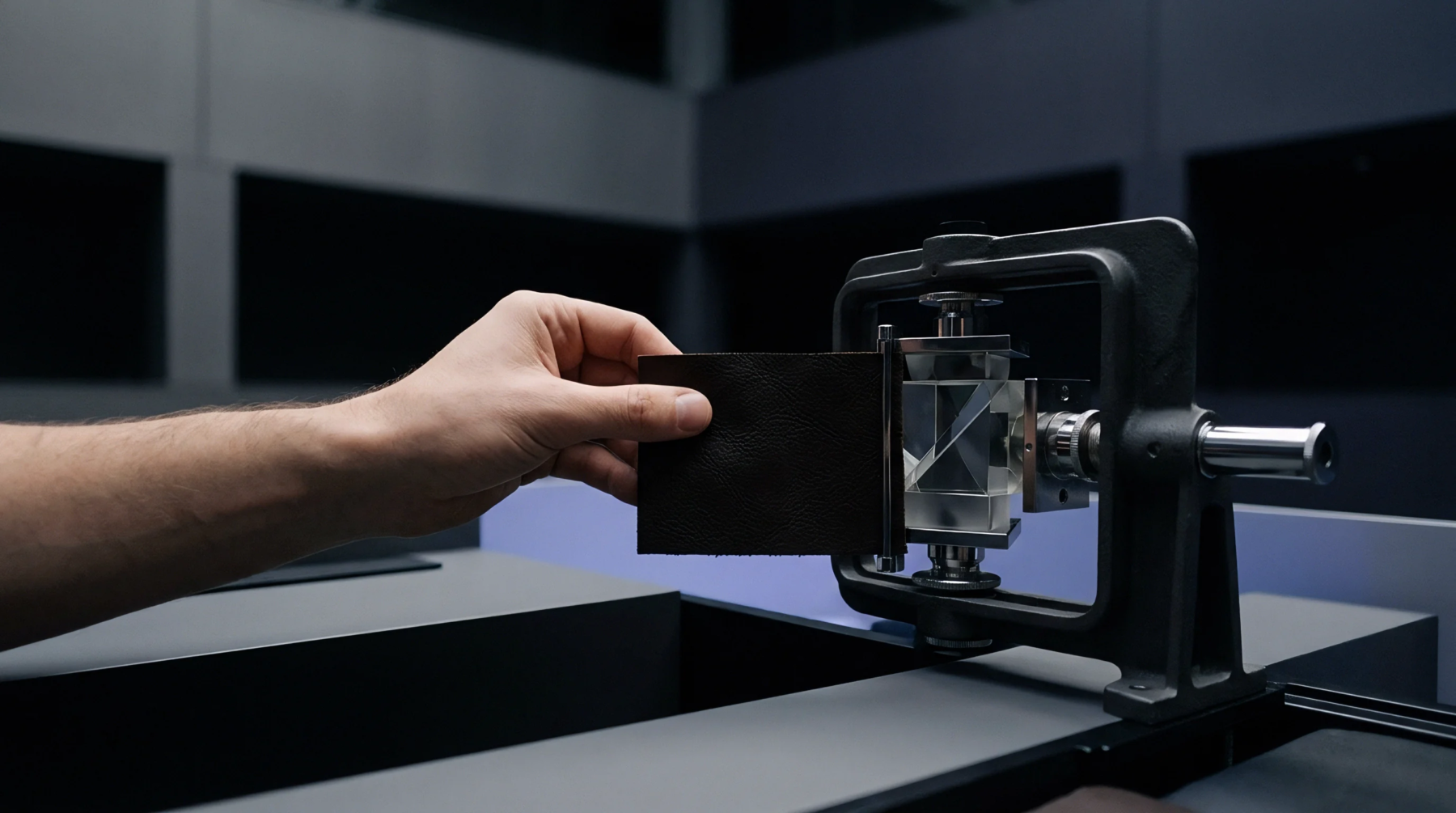
Uncompensated thermal gradients induce dynamic sensor baseline drift up to 125 ppb; mitigating errors requires dual-point sensing and thermal time-constant matching.

Outdoor field uncertainty budgets require combining ambient temperature shifts, solar gain, static pressure, and annual drift beyond factory datasheet claims.

Sensor accuracy claims established at 23°C fail in service unless temperature coefficients, soak durations, and Total Error Bands are budgeted across the operational envelope.

Encapsulated sensor thermal shock induces differential polymer shear, causing unrecoverable zero wander that demands decoupled span and offset tolerance clauses.
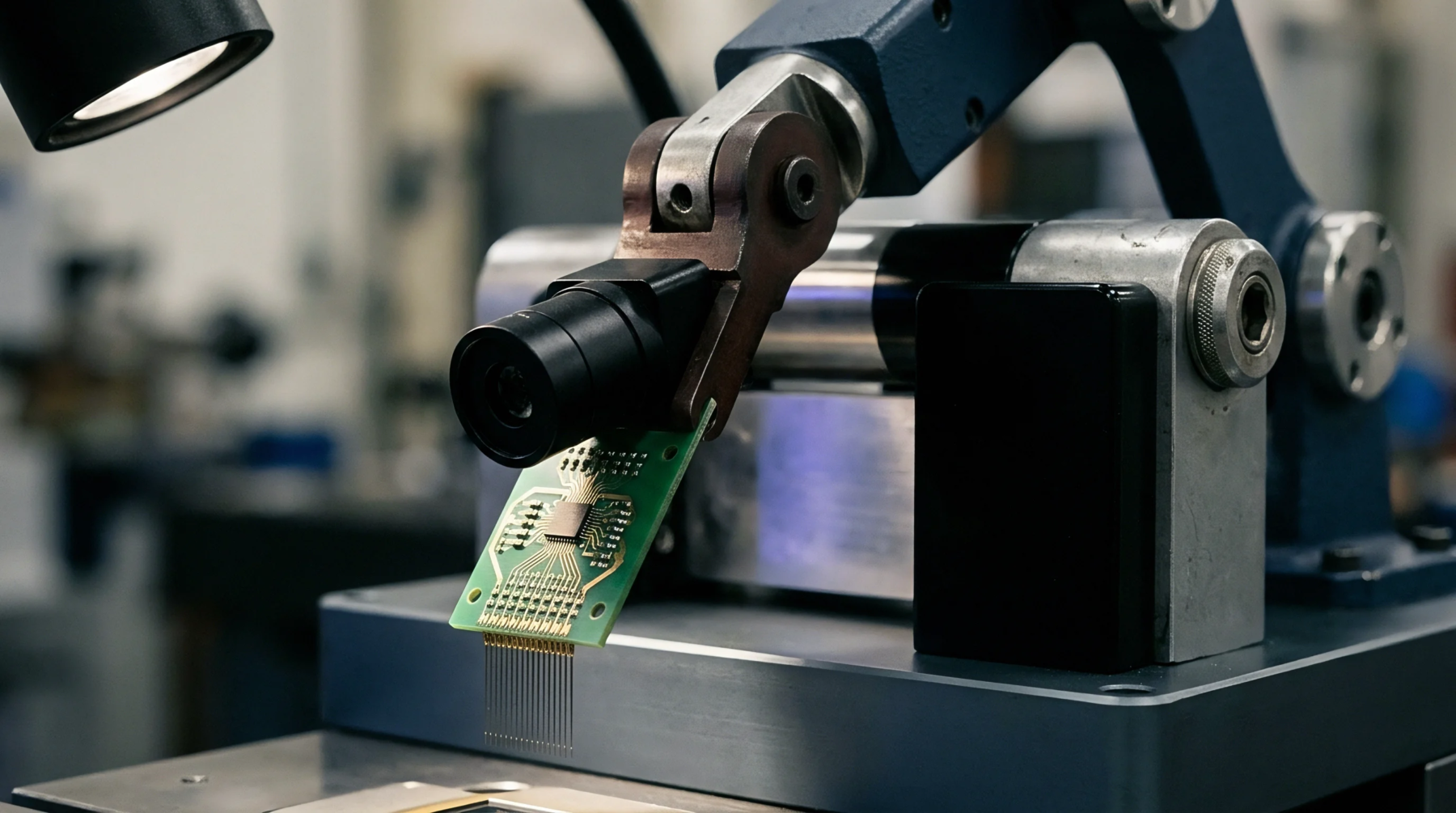
Characterize mold compound viscoelastic relaxation and decouple board strain through routing slots to prevent unrecoverable long-term sensor calibration drift.

Evaluate piezoresistive die attach relaxation by tracking zero-point drift across thermal shock cycles using stretched exponential models and Kelvin sensing.
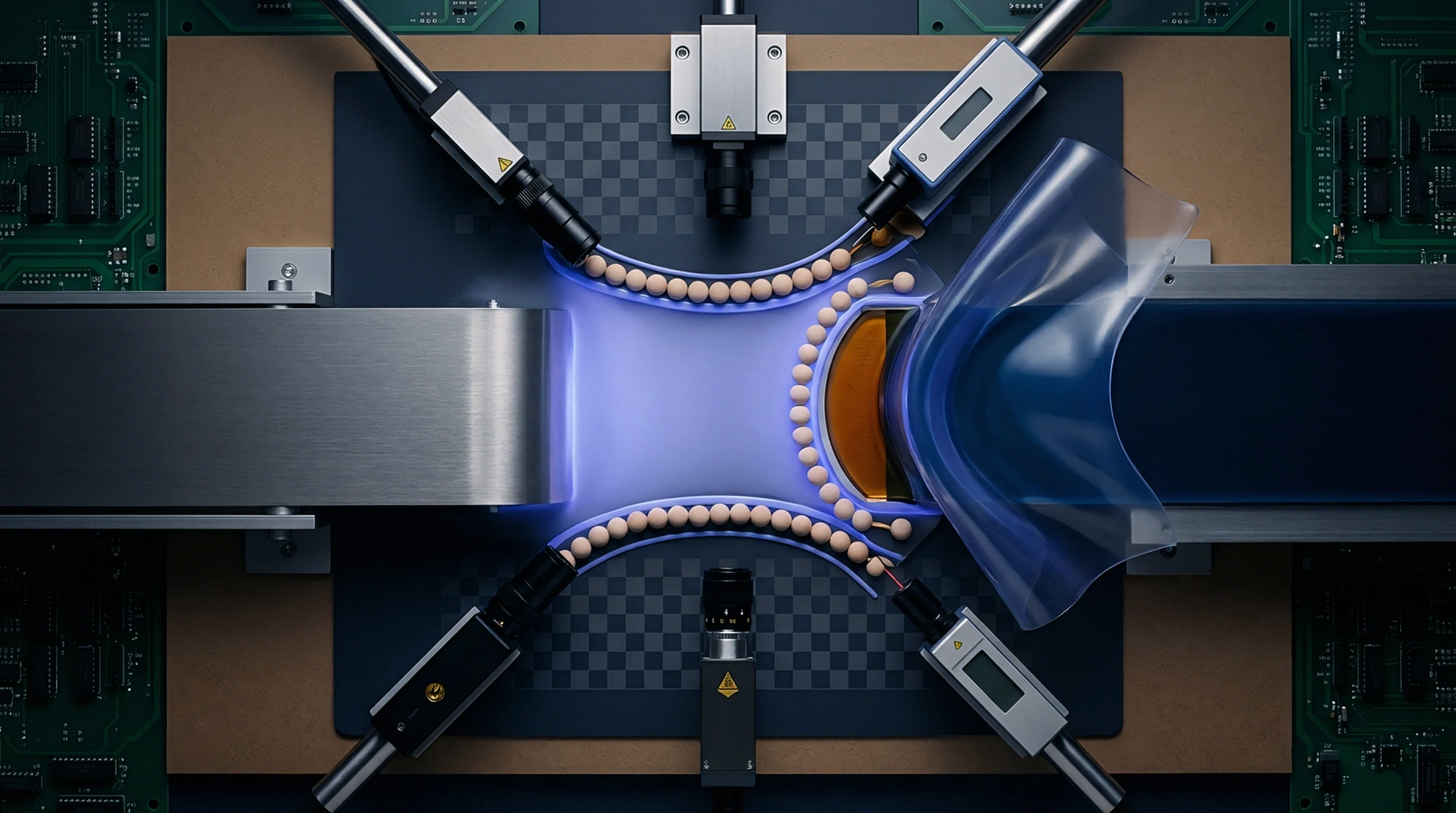
Effective subsea drift allocation links laboratory uncertainty bounds to multi-year offshore vessel extraction caps rather than standard equipment repair warranties.
Expertise is a utility, not a secret. sentiention™ publishes its working knowledge as open reference: intelligence layer covering the materials it sources, the markets it enters, and the reference that serves both.