Mathematical Optimization of Thermal Curvature Parameters in Standard Resistors
Optimizing thermal curvature parameters requires orthogonal polynomial regression across symmetrical bath temperatures to eliminate parameter covariance errors.
Optimizing thermal curvature parameters requires orthogonal polynomial regression across symmetrical bath temperatures to eliminate parameter covariance errors.

Ambient thermal calibration demands fitting parabolic alloy coefficients and correcting thermoelectric offsets to bound resistance drift under operational swings.

Borosilicate hermetic capacitive sensors exhibit non-Fickian hydration drift and mechanical swelling offsets that require kinetics modeling to hold tolerances.

Water vapor diffusion across elastomer seals causes reference cavity pressurization and dielectric drift, requiring coulometric ISO 15105-2 verification.
Cross-sensitivity matrix calibration corrects temperature-dependent pressure errors in marine sensors, securing depth measurement accuracy across full ocean depth.
Submersible sensor accuracy requires unbroken ISO 17025 traceability and pressure-thermal uncertainty budgets to prevent costly subsea deployment failures
Thermally cycled micro transducers exhibit non-linear zero-point drift driven by structural polymer volume decay, requiring fictive temperature modeling.
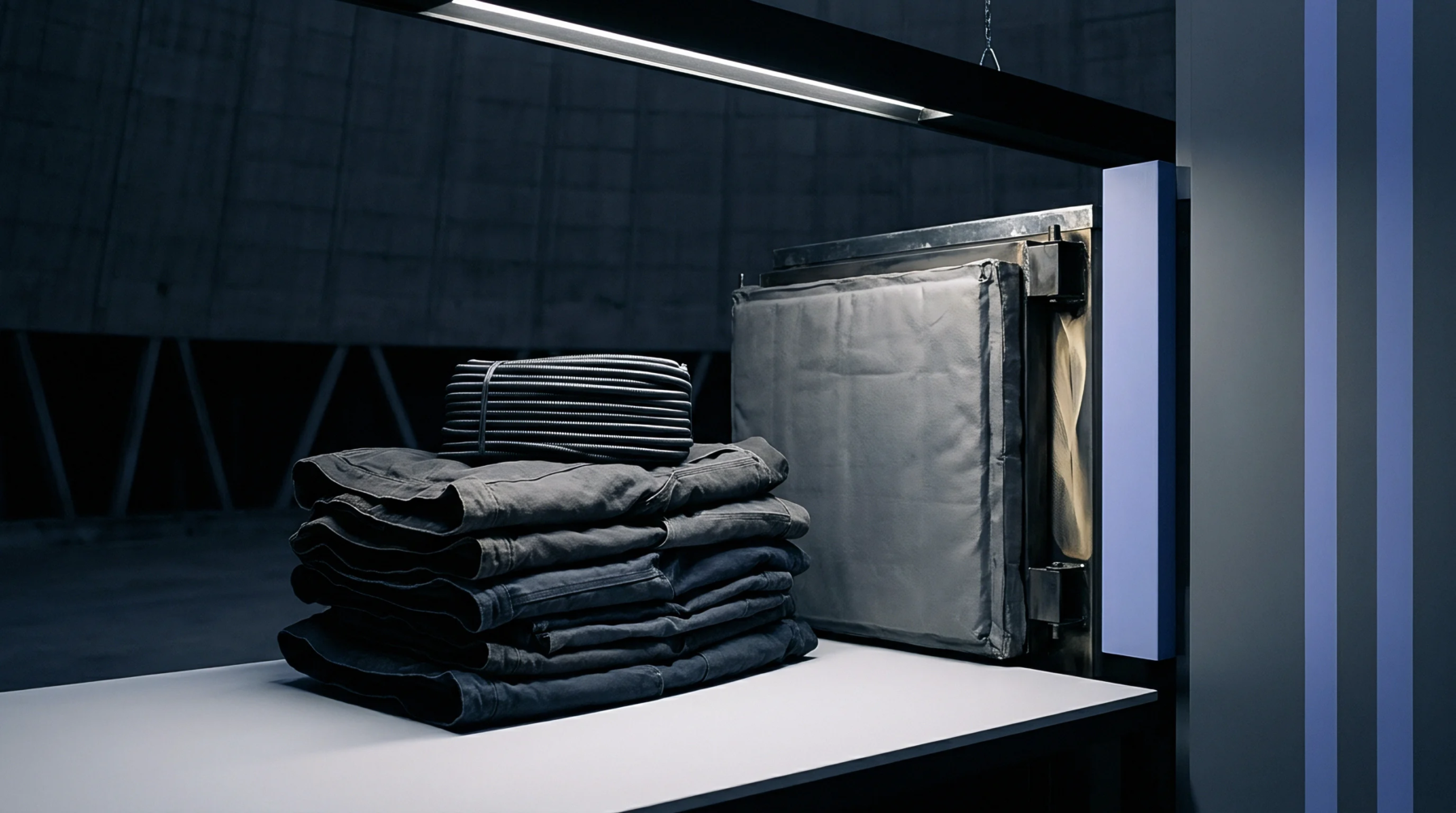
Automated thermal burn-in exhausts initial die-attach stresses while acoustic microscopy weeds out sub-surface voids to halt piezoresistive field drift.

Implantation energy and post-anneal thermal budgets set piezoresistive sensitivity and offset stability in silicon pressure sensor diaphragms.
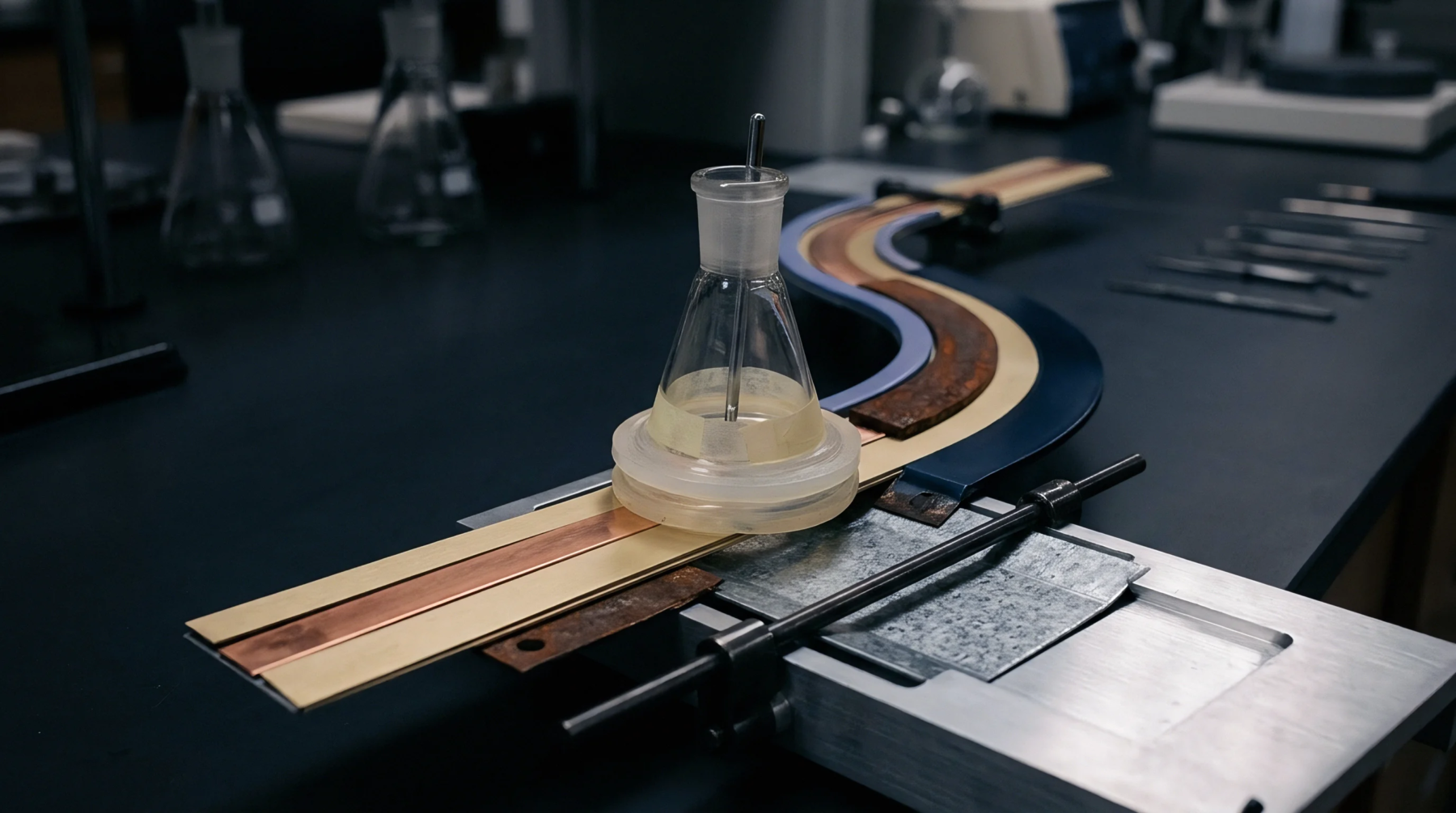
Prony series modeling converts polymer relaxation data into actionable sensor zero-drift predictions, isolating packaging strain from true physical signals.

Anodically bonded Borofloat glass pedestals isolate silicon piezoresistive diaphragms from packaging strain, reducing zero thermal shift below 0.02 percent span.
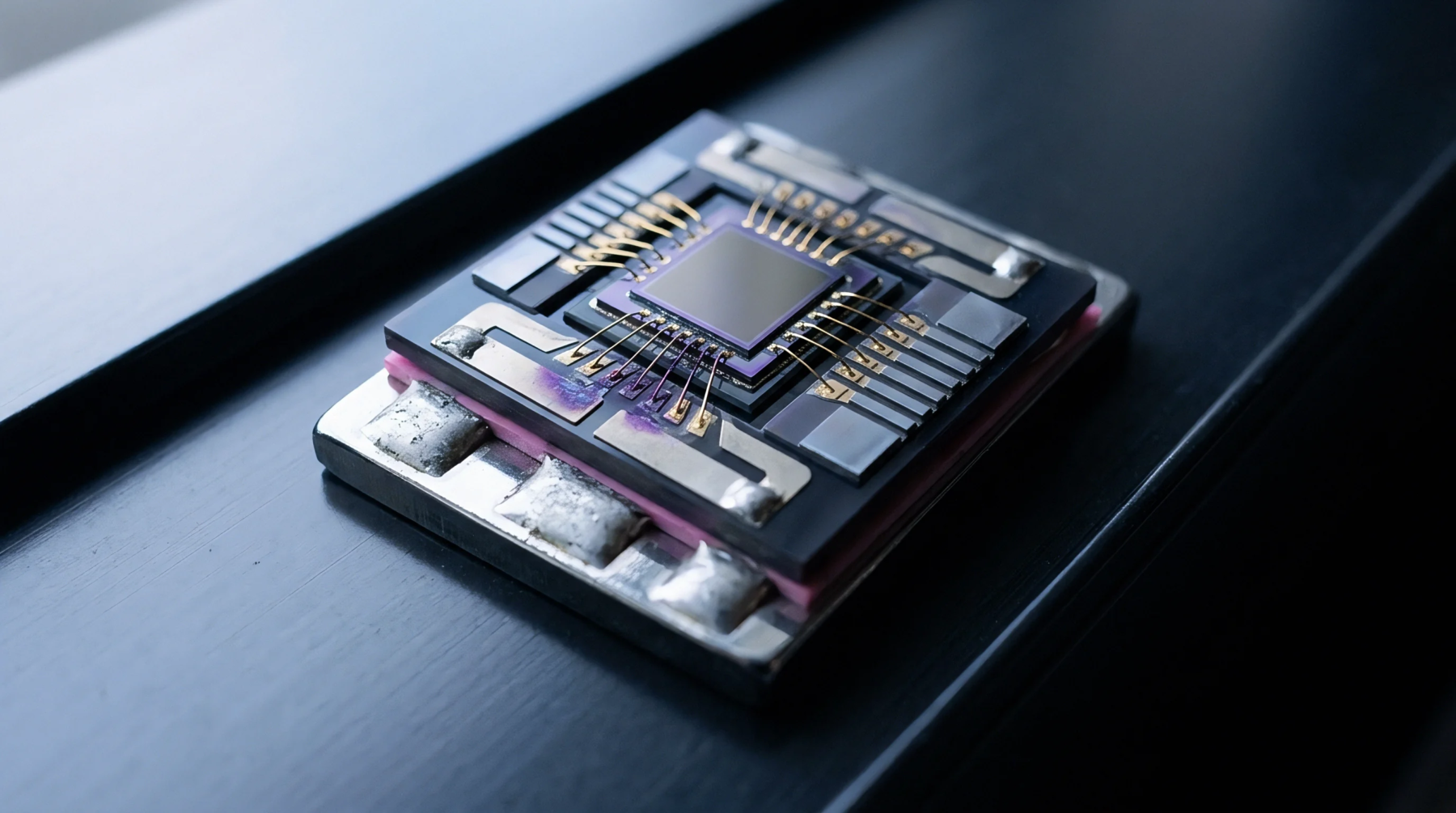
Anodic glass bonding strain is minimized by combining matched non-linear CTE glass selection, thin compliant interlayers, and controlled cool-down ramps.

Vacuum cavity outgassing drives long term zero offset instability in MEMS absolute pressure sensors by increasing internal cavity pressure over time.
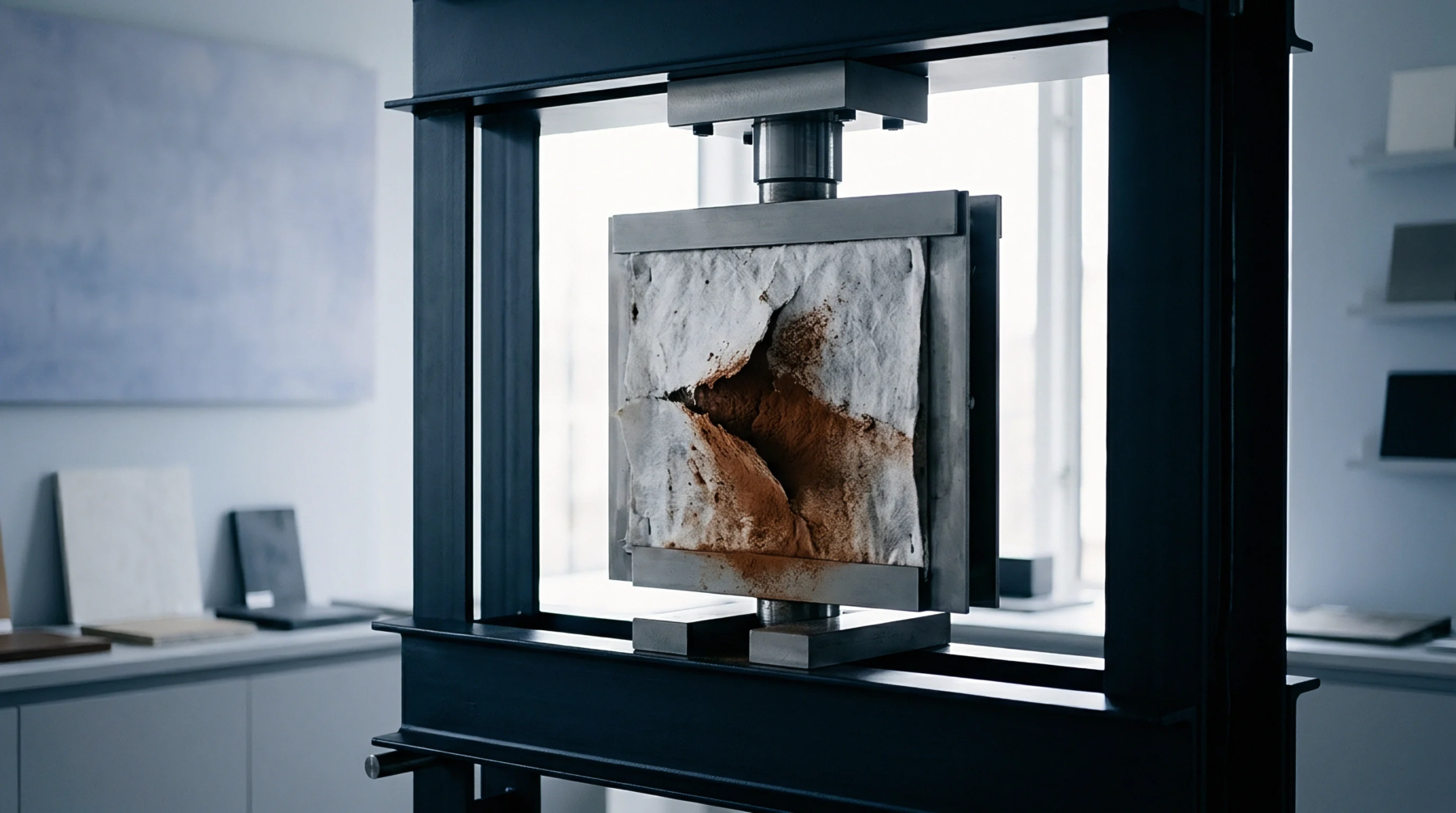
Thermal drift compensation uses bivariate polynomial surfaces or lookup tables in embedded firmware to eliminate temperature-induced bridge offset and span errors.

Moisture ingress causes polymer swelling that transfers mechanical strain to piezoresistive diaphragms, inducing uncompensated zero drift in non-hermetic sensors.

Encapsulation selection balances gel potting low cost against oil-filled cell thermal stability to control long term zero drift and field recalibration expenses.

Peroxide-cured EPDM and specialty FFKM compounds prevent seal failure by resisting hydrolytic scission and dynamic compression set under thermal steam washdowns.
Correlating gas leakage rates to liquid ingress requires deriving equivalent pore radius to confirm capillary entry pressure exceeds target hydrostatic head.

Verify IP ratings using accredited ISO/IEC 17025 test dossiers with Category 1 vacuum suction and thermal pre-conditioning differential immersion steps.

Evaluating input covariance matrices in Type B propagation prevents underestimating multi-channel variance and ensures valid system uncertainty limits.
ISO/IEC 17025 uncertainty evaluation combines Type A and B inputs into expanded budgets and applies guardbanded decision rules to manage risk.

Non-Fickian water kinetics in encapsulants create transient swelling stress fronts, driving unmodeled zero-drift in MEMS pressure diaphragms under damp heat.

Silicon pressure transducer calibration under humidity excursions requires multi-plateau RH dwells to decouple water absorption strain from pressure signals.

Substrate CTE mismatch drives interfacial shear strain into current shunt alloys, causing piezoresistive thermal hysteresis that requires post-cure thermal cycling to stabilize.

Bulk metal foil resistor drift stems from thermal stress relaxation and epoxy moisture swelling, manageable through hermetic packaging and thermal burn-in.

Quantifying thermal soak delays requires isolating sheath resistance and fill conductivity to offset dynamic tracking errors in automated process control loops.

Forced air thermal dwell acceptance sampling isolates package stress drift in transducer lots before field deployment.
Linear annual drift extrapolation from four-week test bench data produces severe forecast errors by ignoring logarithmic relaxation and test fixture noise floors.
Thermal expansion mismatch generates interfacial shear tractions that distort piezoresistive bridge symmetry, producing unrecoverable zero-point drift.

Arrhenius acceleration models for sensor encapsulation polymers require activation energy mapping across glass transition bounds to prevent unearned drift extrapolation.
Expertise is a utility, not a secret. sentiention™ publishes its working knowledge as open reference: intelligence layer covering the materials it sources, the markets it enters, and the reference that serves both.