
Evaluating Digital Compensation and Thermal Chamber Dwell Times for Precision Sensors
Digital compensation requires thermal chamber dwell times of at least four time constants based on device core telemetry rather than chamber air indicators.
Digital compensation requires thermal chamber dwell times of at least four time constants based on device core telemetry rather than chamber air indicators.
Wafer trim establishes initial sensor accuracy classes, but package stress and thermal drift determine field performance and calibration costs.

Dynamic matrix corrections combine in situ reference tracking and Arrhenius modeling to eliminate unbudgeted high temperature MEMS recalibration cycles.

Calculate sensor burn-in time by dividing equivalent operating hours at the infant drift inflection point by the temperature-derived Arrhenius acceleration factor.

Early sensor drift in precision strain gauges stems from adhesive glueline viscoelastic relaxation, foil alloy recovery, and moisture ingress within 72 hours.
Extracting physical aging shift factors in thermosets requires momentary loading below Tg, sub-tenth Kelvin stability, and frame compliance corrections.
Extrapolating single isotherm Prony parameters beyond experimental test windows introduces exponential error growth governed by unconstrained relaxation modes.
Extracting non-negative Prony parameters from dynamic sweeps requires Tikhonov-regularized NNLS to prevent numerical instability in time-domain FEA solvers.
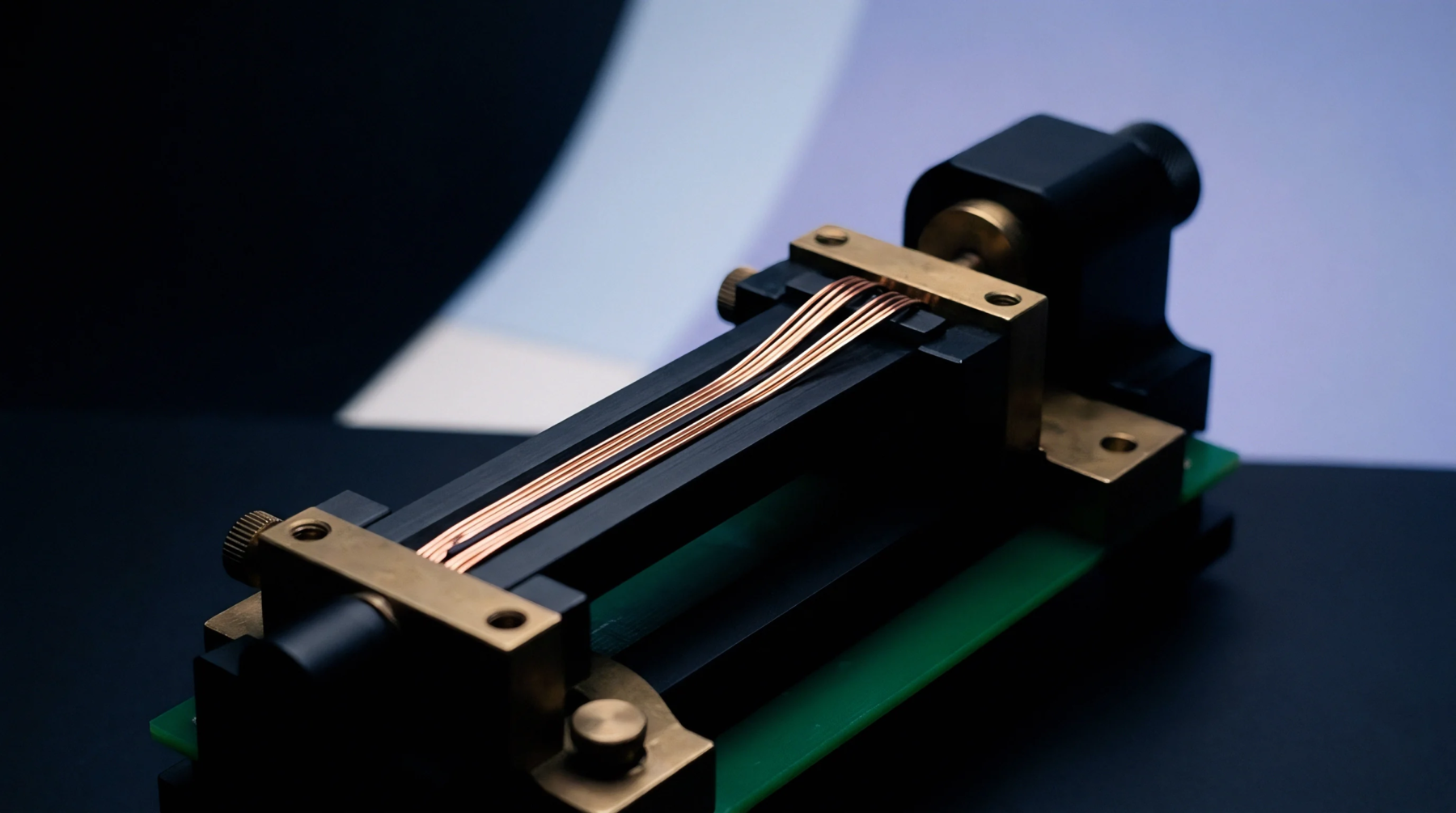
Sputtered titanium and nickel-chromium interlayers under cyclic strain alter oxygen ingress kinetics from parabolic to linear regimes, shortening sensor calibration stability.

Compositionally graded compliant interlayers and post-sputter thermal anneals eliminate residual thermal strain, preventing zero-drift in sputtered thin-film sensors.
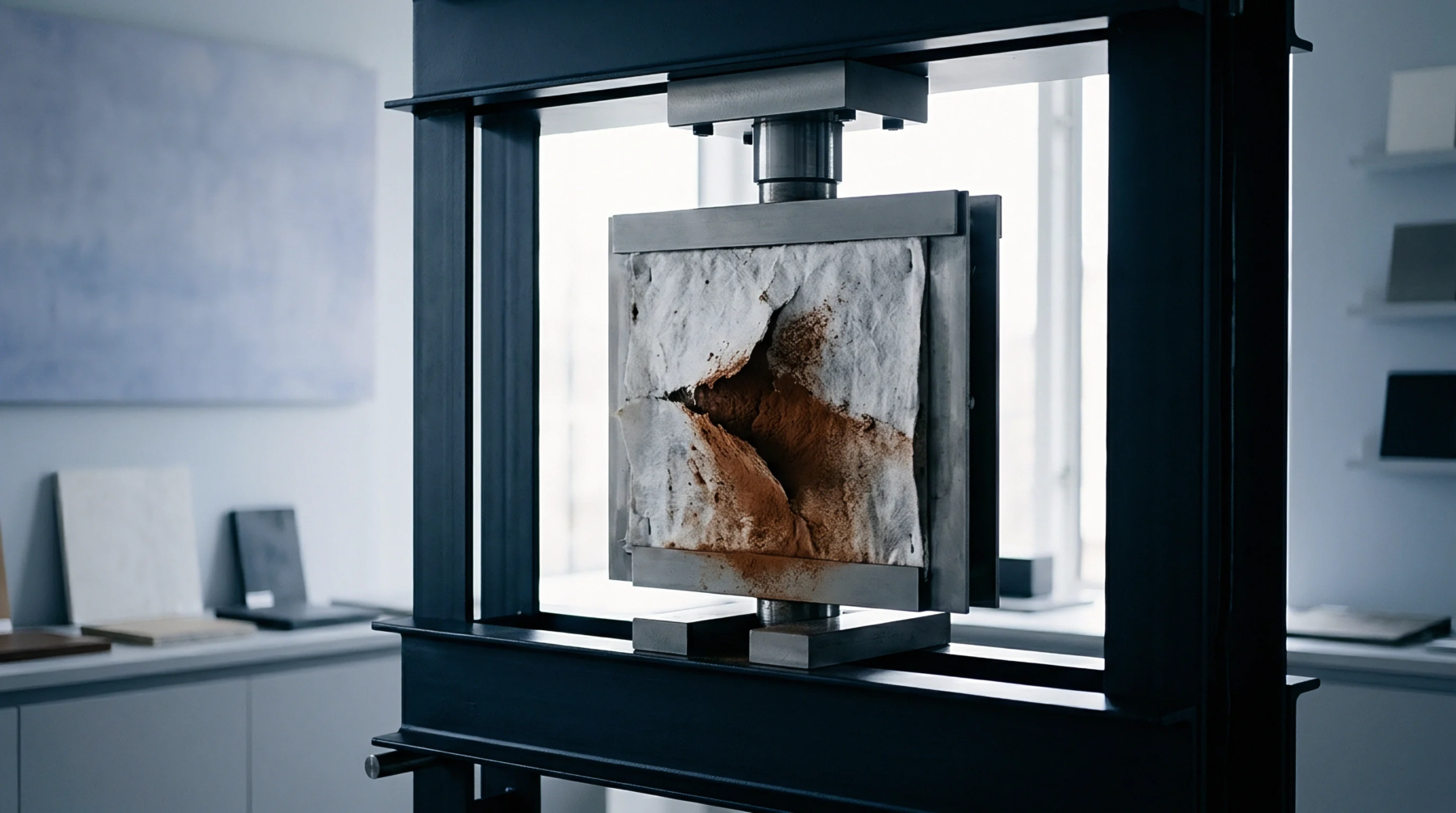
Polyimide stress relaxation under automotive thermal cycling follows non-linear shift factors, driving zero-offset calibration drift in precision sensors.
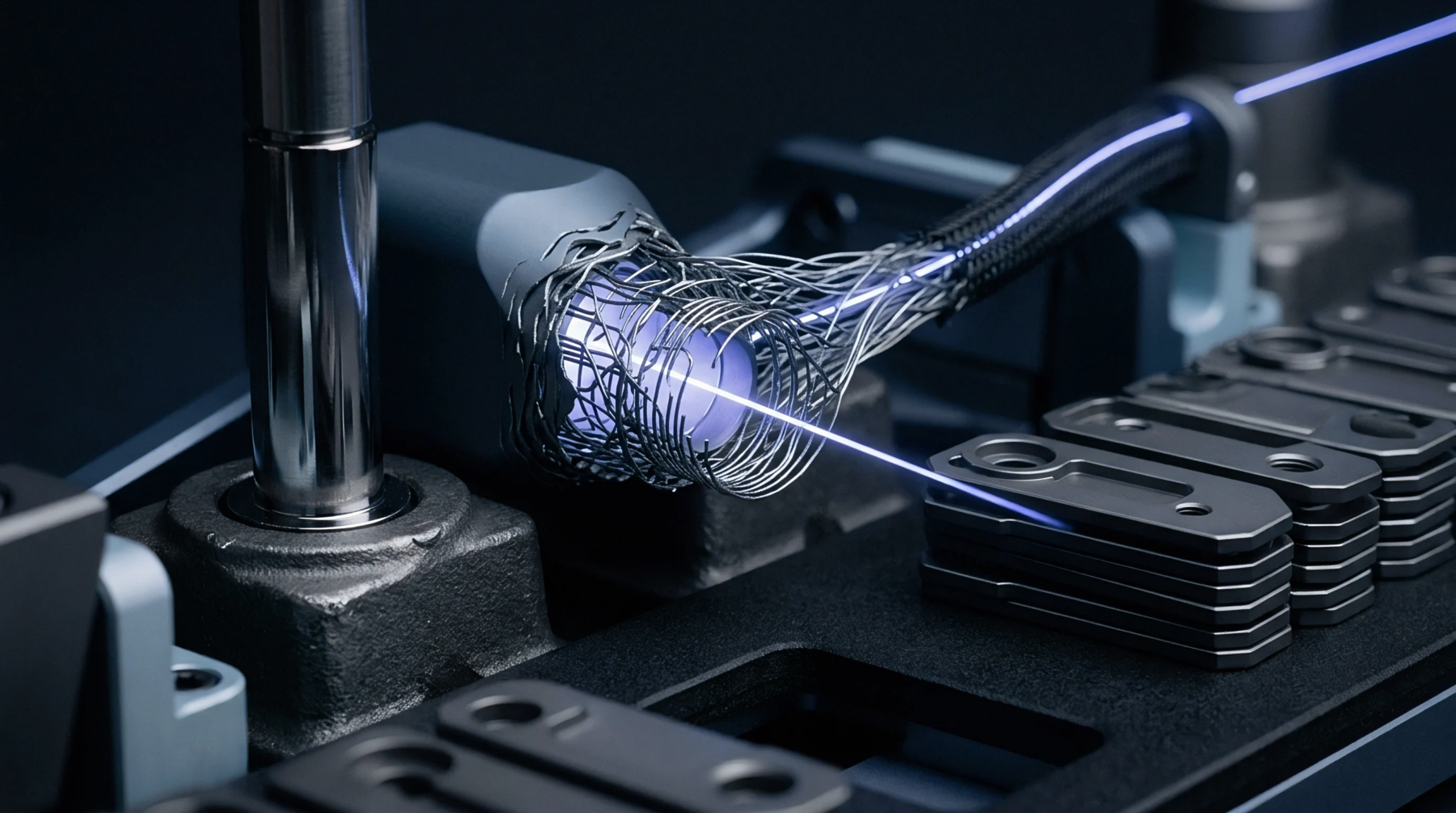
Quantifying diaphragm strain and gas nucleation requires combining von Kármán plate mechanics with bulk modulus compliance models under dynamic step testing.
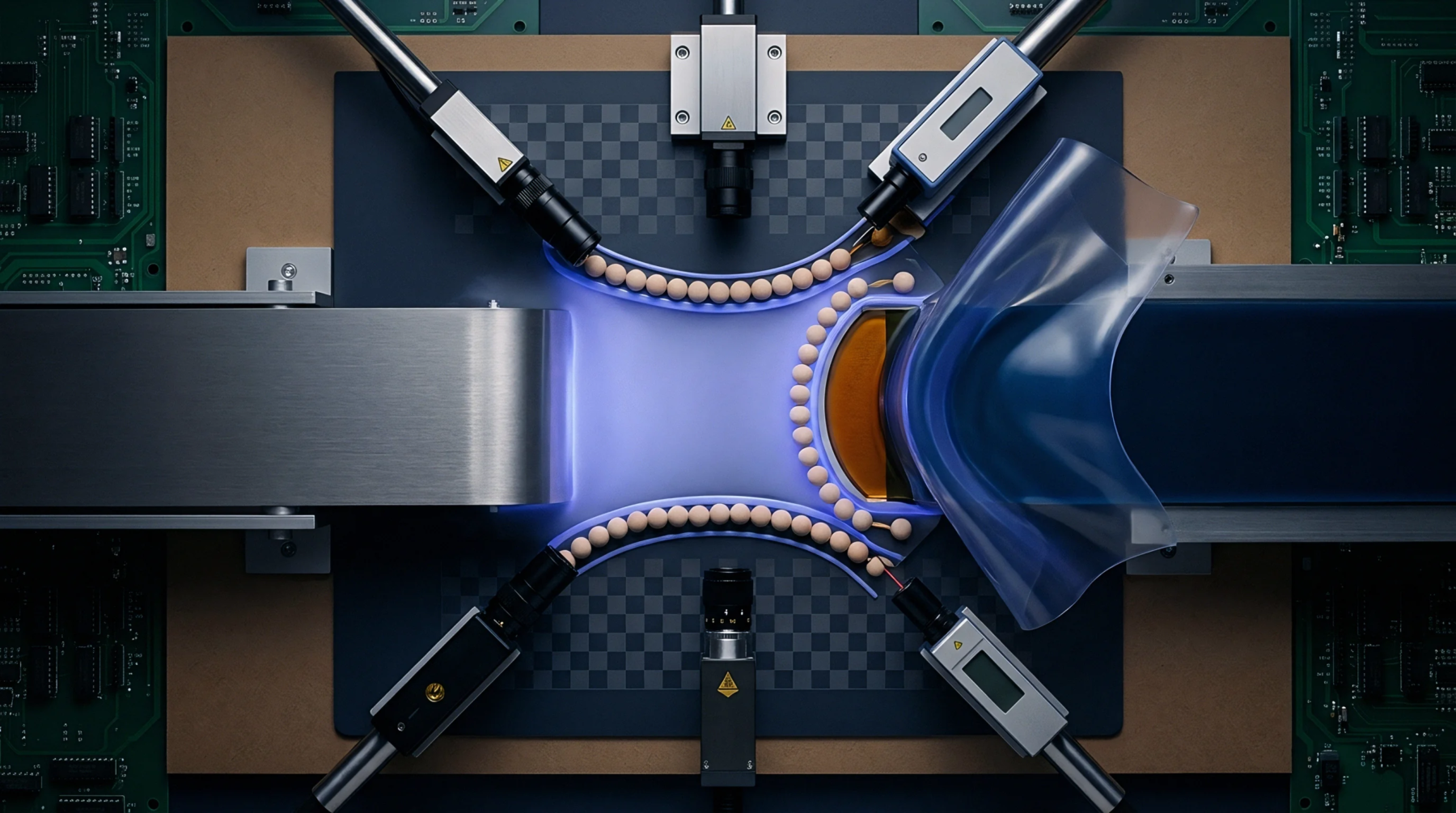
Thermal zero hysteresis in micro dosing controls is mitigated by active dual vector temperature compensation and low expansion wetted materials.

Confirm fill oil volume using pre- and post-injection micro-gravimetric mass checks combined with non-contact laser interferometric diaphragm dome profiling.

Dynamic thermal cycling induces non-linear piezoresistive hysteresis that demands dynamic gradient tracking and second-order surface compensation models.

Bivariate polynomial matrix fitting corrects non-linear sensor thermal drift when inputs are normalized and solved via singular value decomposition.
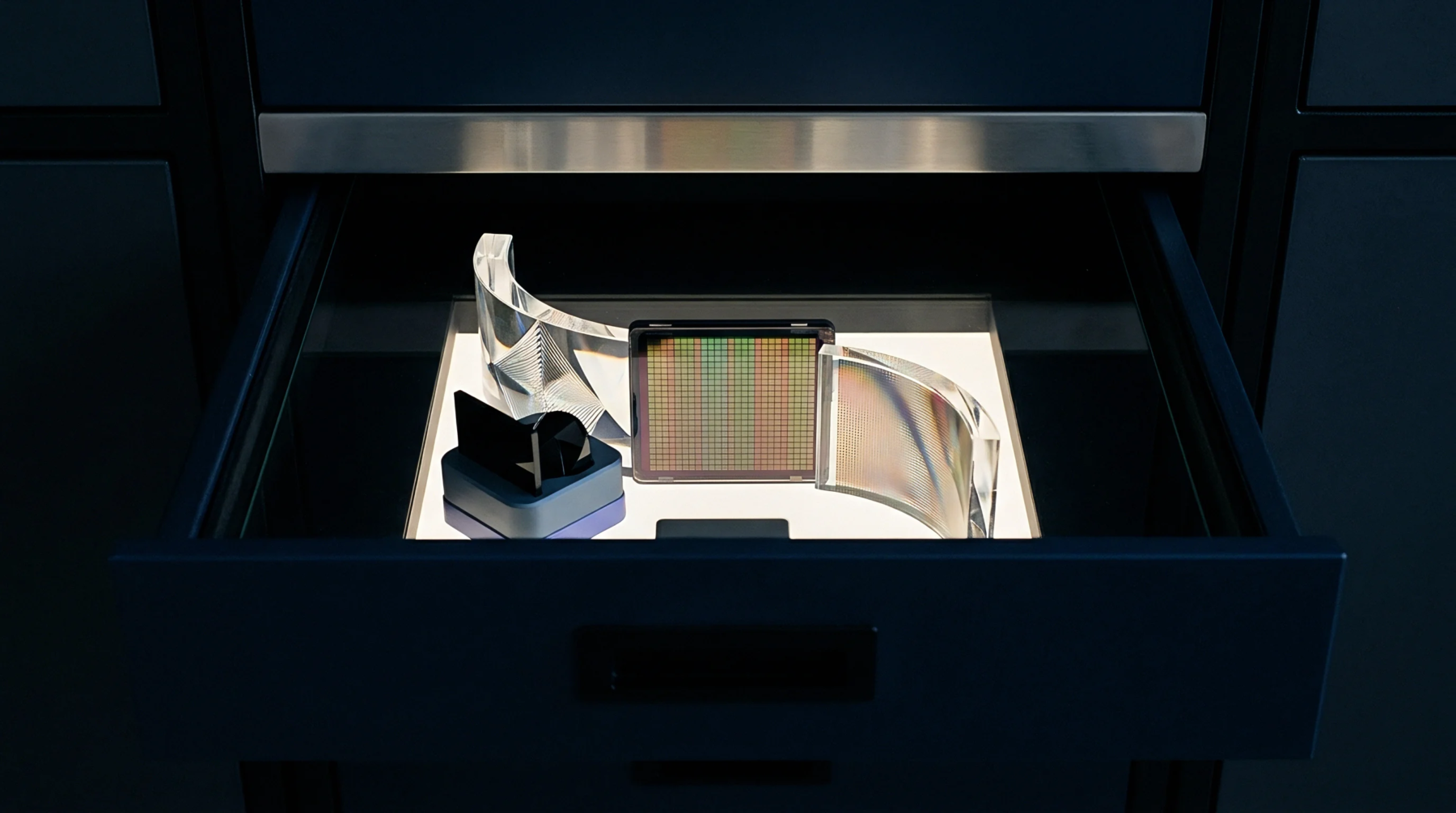
Silicon piezoresistive thermal offset stems from resistor TCR imbalances and package thermal stress, requiring targeted drive excitation and polynomial compensation.
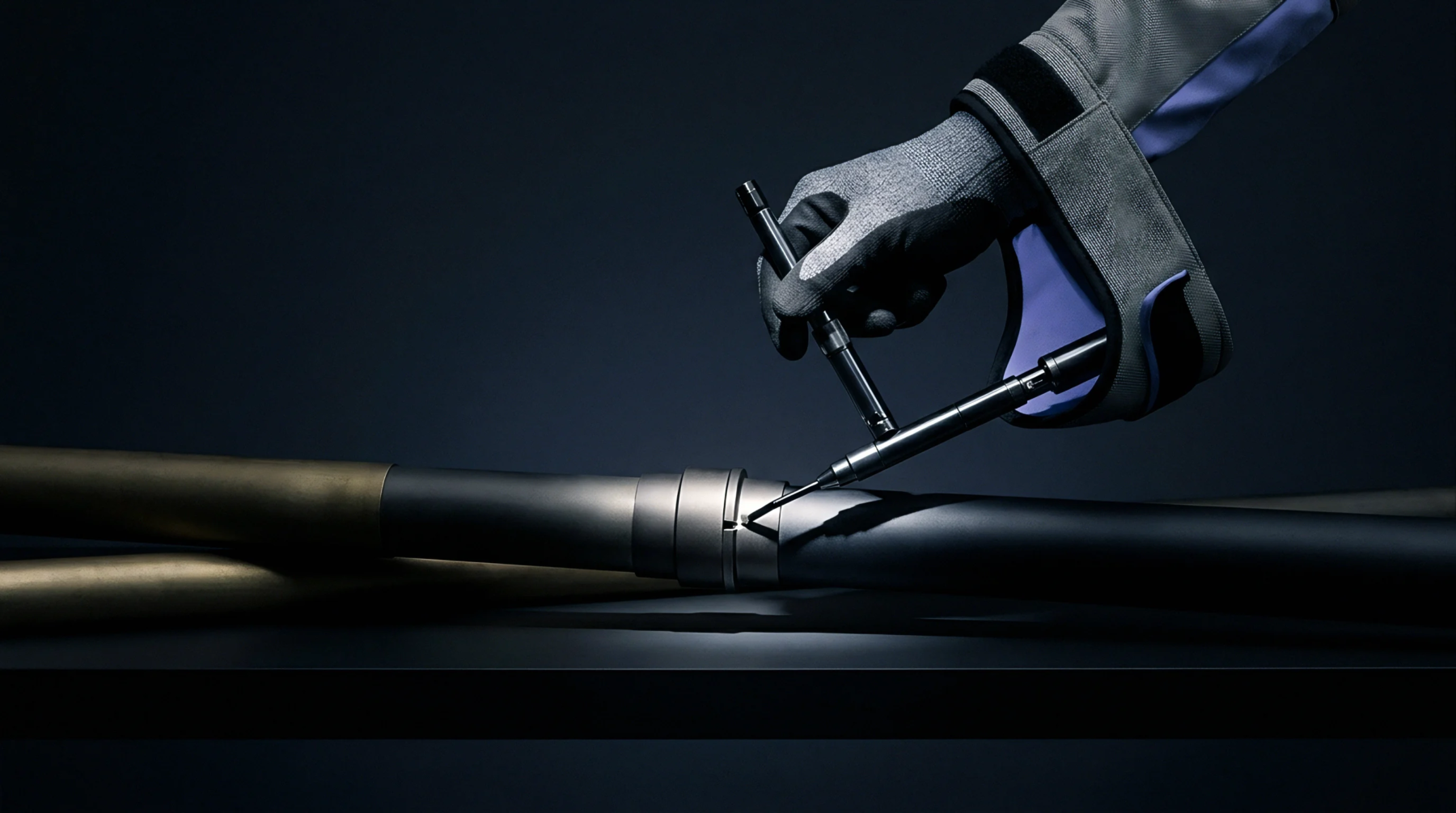
Packaging creep and stress relaxation require uncertainty budgets combining Arrhenius activation scatter, solder viscoplasticity, and burn-in screening costs.
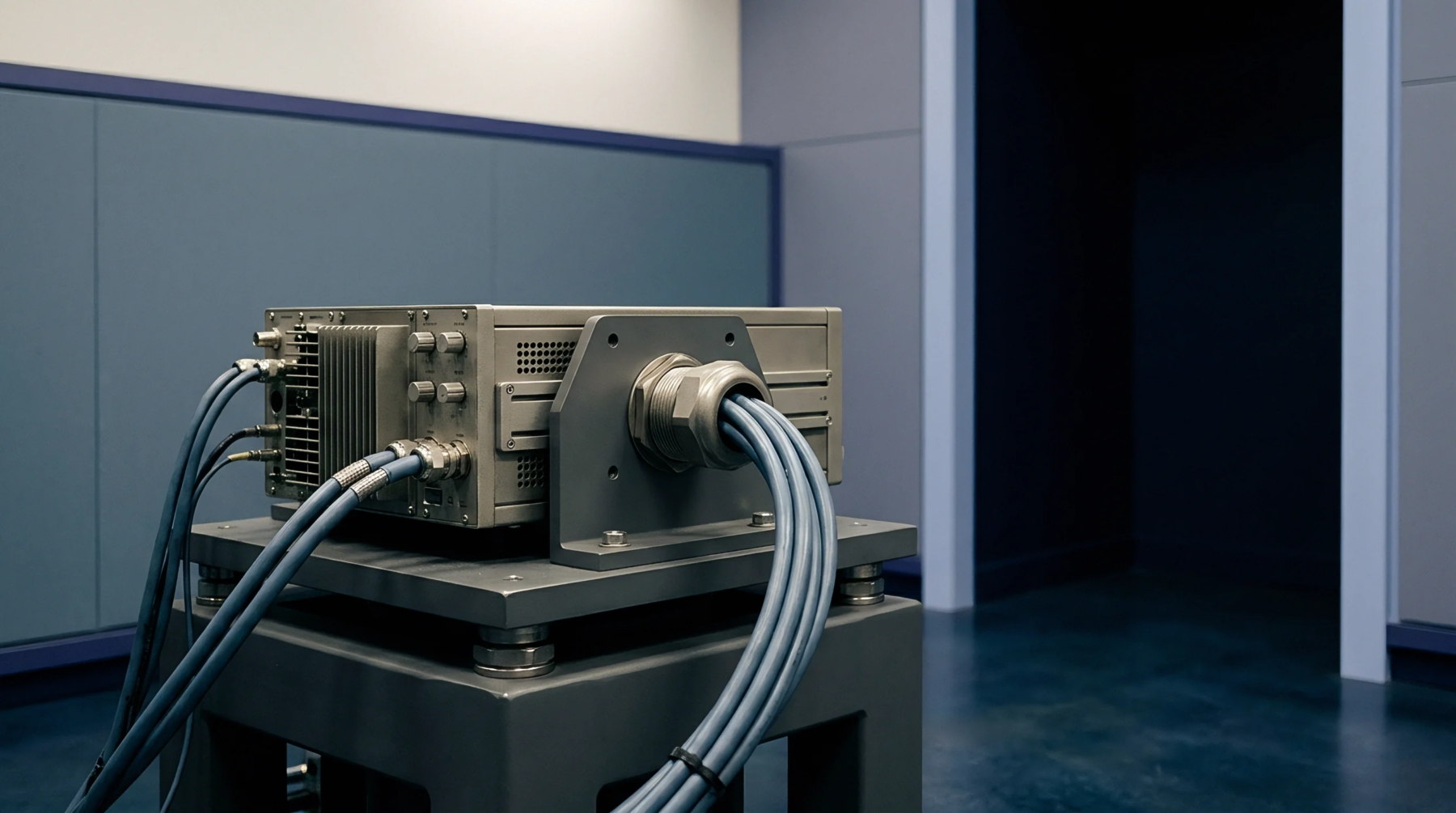
Viscoelastic stress relaxation in packaging adhesives redistributes mounting strains over time, driving zero drift that requires thermal pre-aging to stabilize.

Interfacial package creep modeling requires viscoplastic constitutive equations and temperature-dependent stress mapping to prevent long-term field drift.

Sub transition structural relaxation alters polymer density and modulus over time, requiring non linear fictive temperature modeling to predict long term drift.
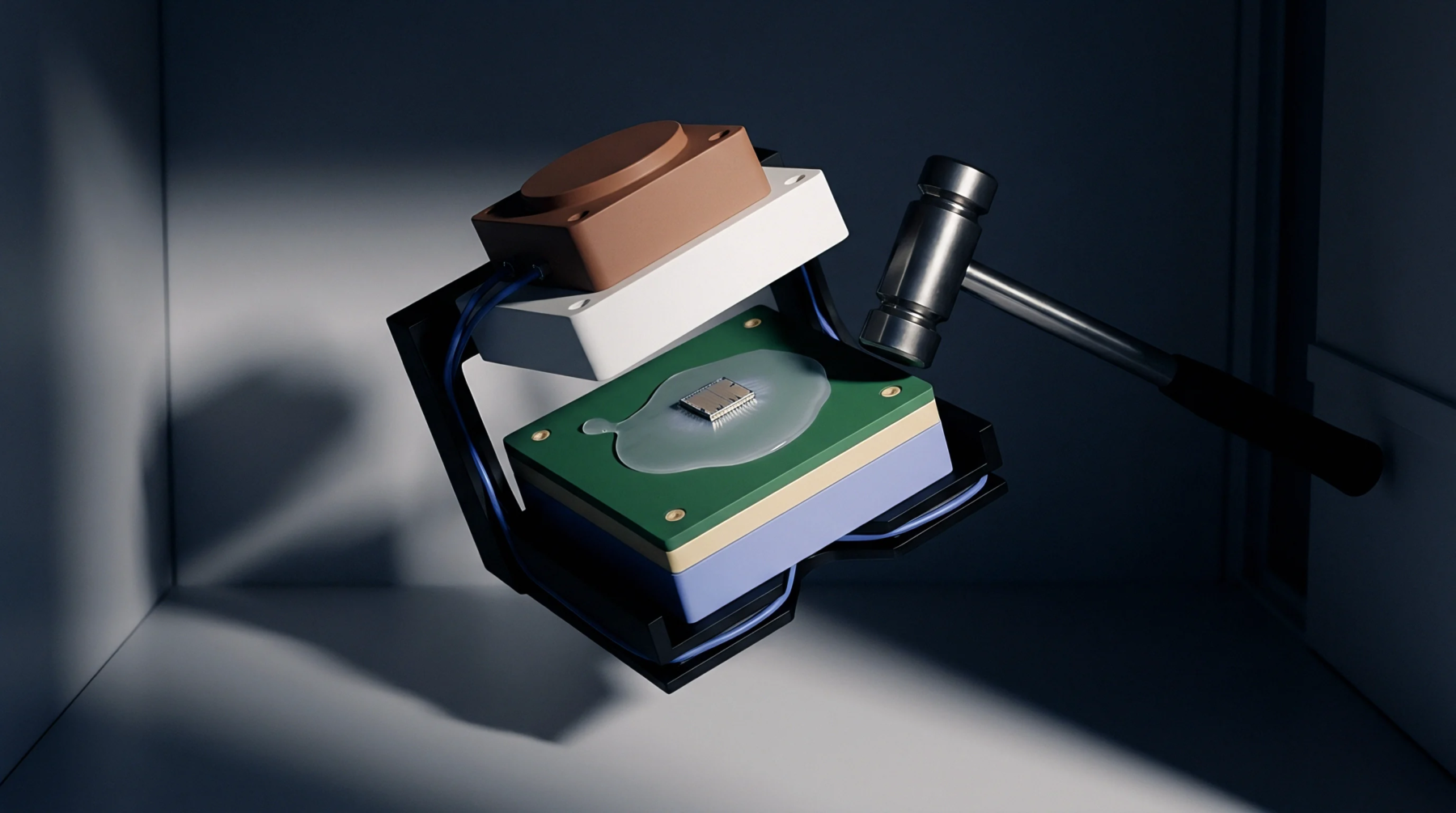
Dynamic temperature shifts in cryogenic structural epoxy master curves demand non-isothermal rate correction factors to resolve physical aging relaxation delays.

High temperature oxygen diffusion across sensor passivations triggers interfacial void nucleation, driving sensor zero-point drift past operational limits.
Metrological verification of high-temperature piezoresistors requires quantified drift kinetics, four-wire thermal testing, and guardbanded uncertainty budgets.
Anodic glass pedestal bonds creep during thermal cycling via sodium-depleted layer relaxation, inducing permanent piezoresistive sensor zero-point drift.

Packaging thermal expansion mismatch generates die stress that converts to electrical offset drift via piezoresistive coupling and polymer viscoelastic creep.
Submicroliter cavity stability under cryogenic cycling depends on managing fluid volumetric contraction to prevent diaphragm bucking and zero drift.

Lot acceptance for high-temperature MEMS sensors requires GUM uncertainty budgets and guardbanding to mitigate consumer risk across severe thermal envelopes.
High-temperature MEMS micro-strain relaxation follows stretched exponential kinetics driven by Coble creep, requiring in-situ Raman verification above 400°C.

Turnover temperature migration in sub-ppm resistance references systematically shifts effective thermal coefficients, accelerating drift and invalidating linear calibrations.
Expertise is a utility, not a secret. sentiention™ publishes its working knowledge as open reference: intelligence layer covering the materials it sources, the markets it enters, and the reference that serves both.