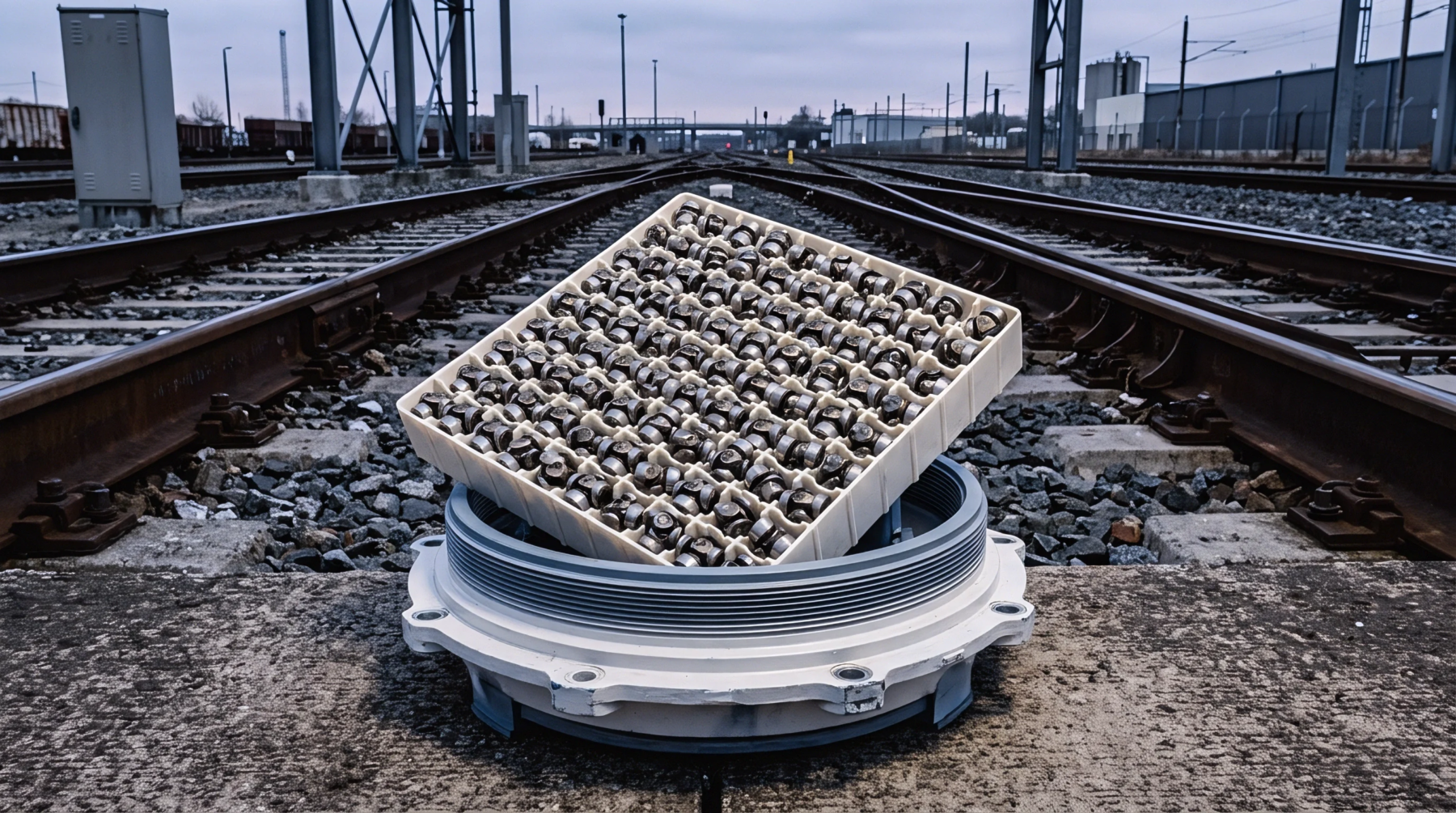
Accreditation Scope as the Line between a Certificate and a Printout
An ISO/IEC 17025 logo proves accreditation only for parameters and ranges explicitly listed on the laboratory active schedule of scope.
An ISO/IEC 17025 logo proves accreditation only for parameters and ranges explicitly listed on the laboratory active schedule of scope.

An incoming thermal soak verification combined with statistical guardbanding isolates unstable sensor populations before integration into field systems

Accelerated incoming thermal soak verification exposes latent transducer parameter drift within 48 hours, enabling quantitative C=0 lot rejection before production integration.

Variable acceptance sampling under ANSI ASQ Z1.9 reduces sample size by 70 percent while enforcing strict consumer risk bounds on transducer lot audits.

Incoming transducer lot qualification demands static thermal dwell saturation mapped against spatial chamber gradients to prevent false acceptance of drifting lots.
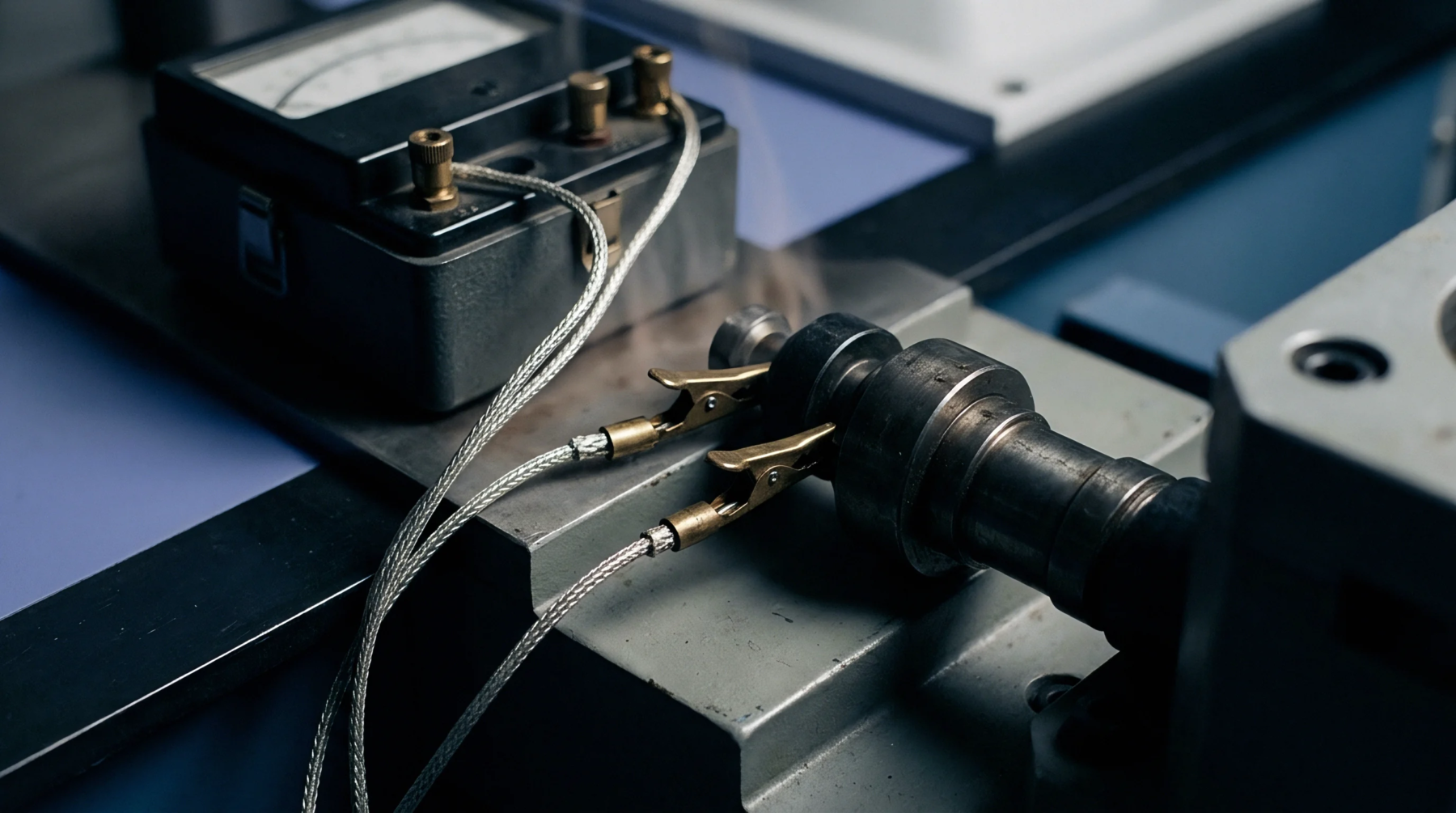
Unbudgeted sensor thermal settling times and hysteresis generate severe measurement errors, demanding mandatory package-level soak protocols to preserve field accuracy.

Verify ingress claims using ISO IEC 17025 accredited test reports detailing pre and post electrical insulation checks rather than marketing datasheets.
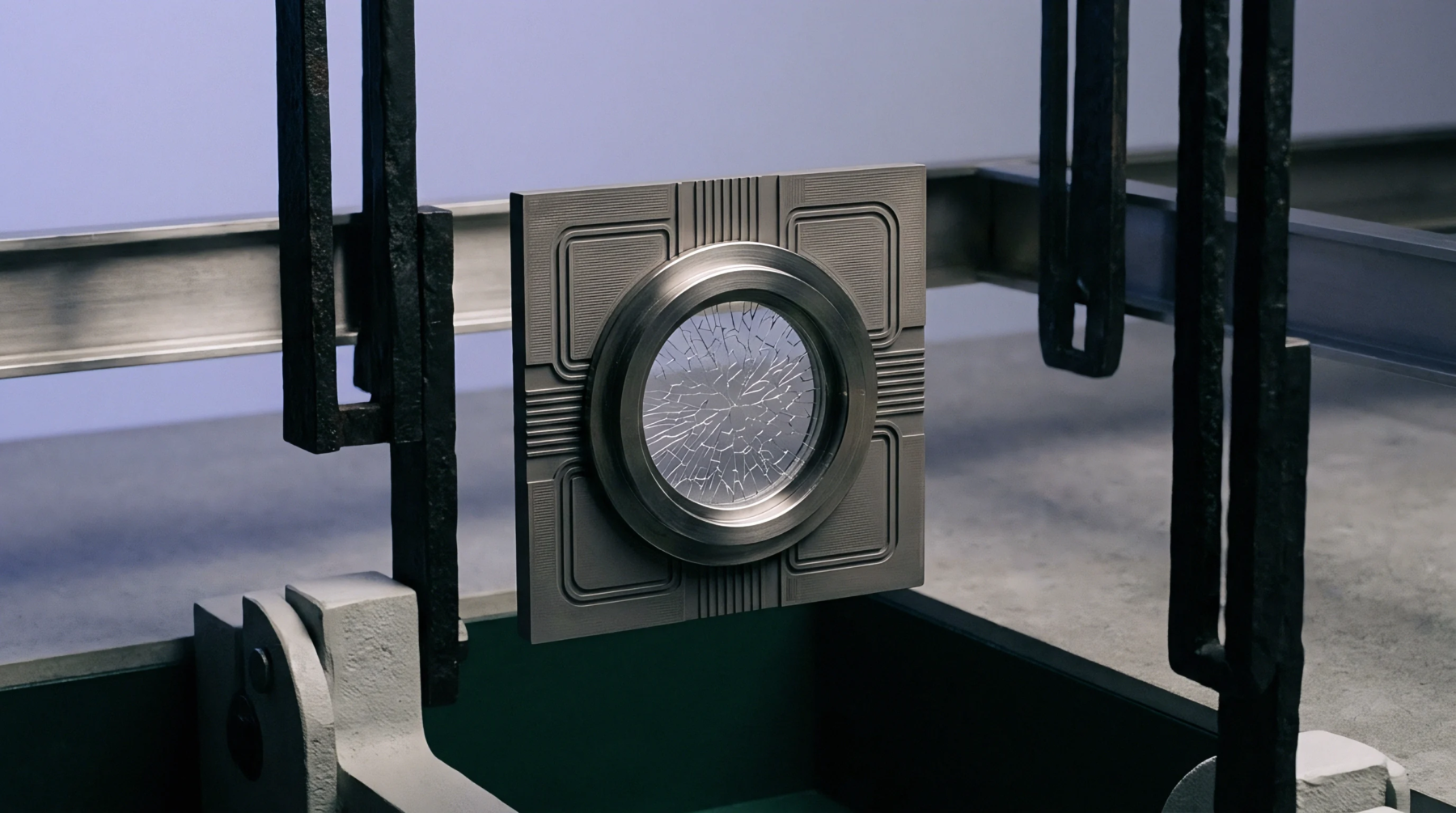
Matching element strain coefficients to substrate thermal expansion eliminates thermal hysteresis and holds sub-ppm resistance stability across operational temperature bands.
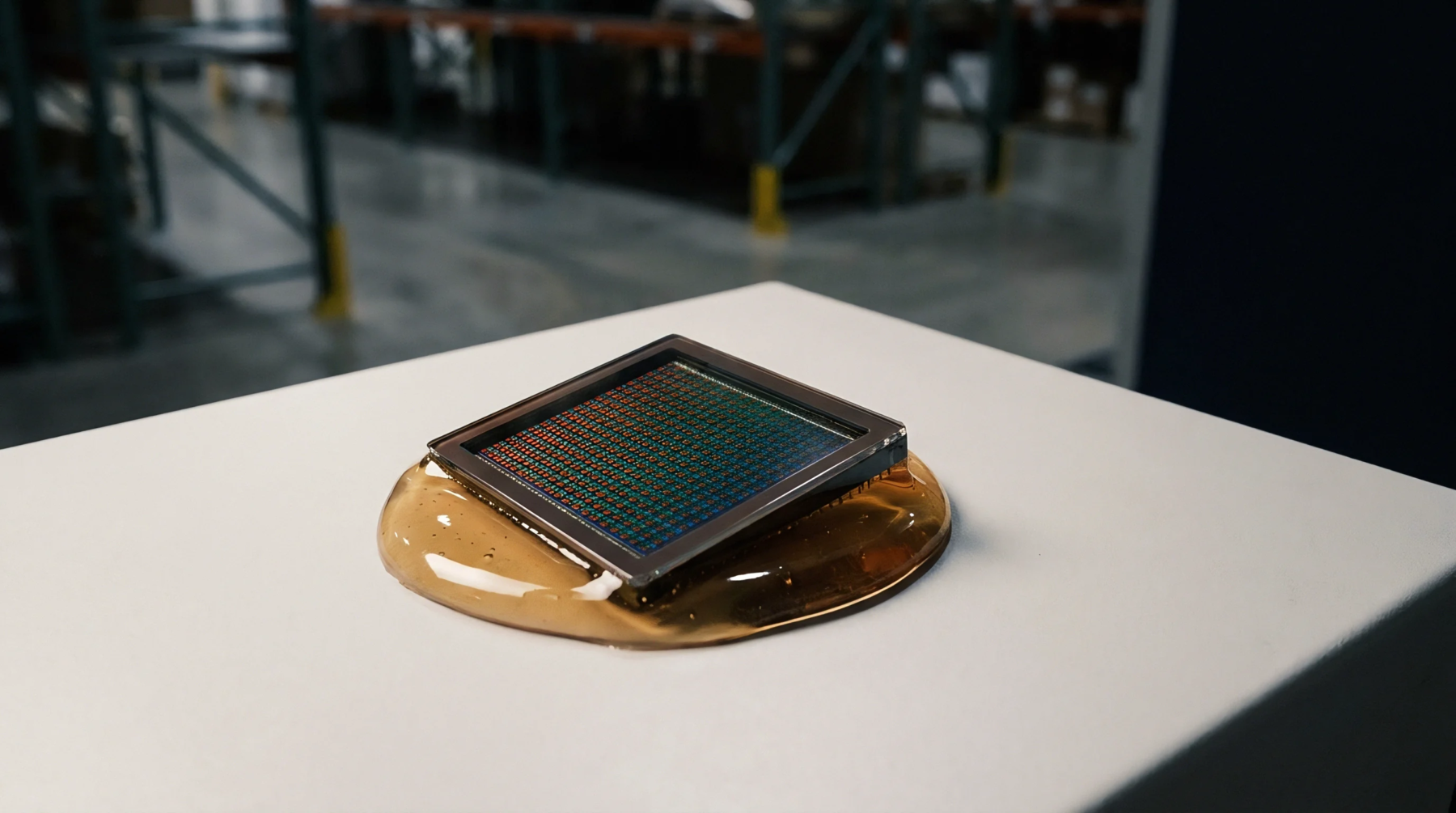
Dynamic moisture ingress into piezoresistive sensor encapsulants expands thermal hysteresis by up to 0.25% FSS, requiring humidity-conditioned calibration.

Cross-border supply disputes resolve only when contracts define referee laboratory selection, expanded uncertainty budgets, and guard-banding rules under ISO 14253-1.

Verify ingress protection using automated pressure decay or helium leak testing; standard IP liquid tests ignore steam vapor and thermal breathing effects.
Micro-strain relaxation in MEMS silicon transducer die-attach and packaging interfaces causes long-term zero drift that invalidates ASIC polynomial calibration.
Polymer encapsulant swelling induces parasitic diaphragm stresses that drive zero-offset drift requiring hydrophobic materials or multi-variable digital compensation.

MEMS silicon pressure sensor zero offset shift originates from package thermomechanical stress, dielectric charge trapping, and gel swelling, requiring thermal burn-in and polynomial ASIC compensation.

Mitigating piezoresistive pressure diaphragm stress requires Pyrex pedestal isolation, compliant die-attach selection, and multi-point thermal matrix trim.

Mechanical stress isolation via matched CTE submounts, compliant gels, and silicon micro-machined trenches eliminates parasitic packaging strain to preserve long-term sensor calibration stability.

Viscoelastic relaxation in organic sensor die attach adhesives causes baseline zero drift that requires thermal pre-conditioning bake cycles to stabilize.
Optimal piezoresistive stability requires heavy surface boron doping above 2e19 cm-3 combined with plasma-activated silane coupling to prevent delamination.

Viscoelastic stress relaxation in sensor potting creates non-linear strain hysteresis, requiring generalized Maxwell modeling to prevent zero-point calibration drift.
Evaluating sensor certificates requires auditing expanded uncertainty, coverage factors, and environmental test bounds to ensure data defensibility.

Quantifying permeation drift requires modeling water vapor diffusion across elastomer seals to prevent dielectric zero shifts in vacuum pressure transmitters.

Curvature compensation calculates temperature-dependent resistance shifts using quadratic parameters, eliminating thermal uncertainties in calibration standards.
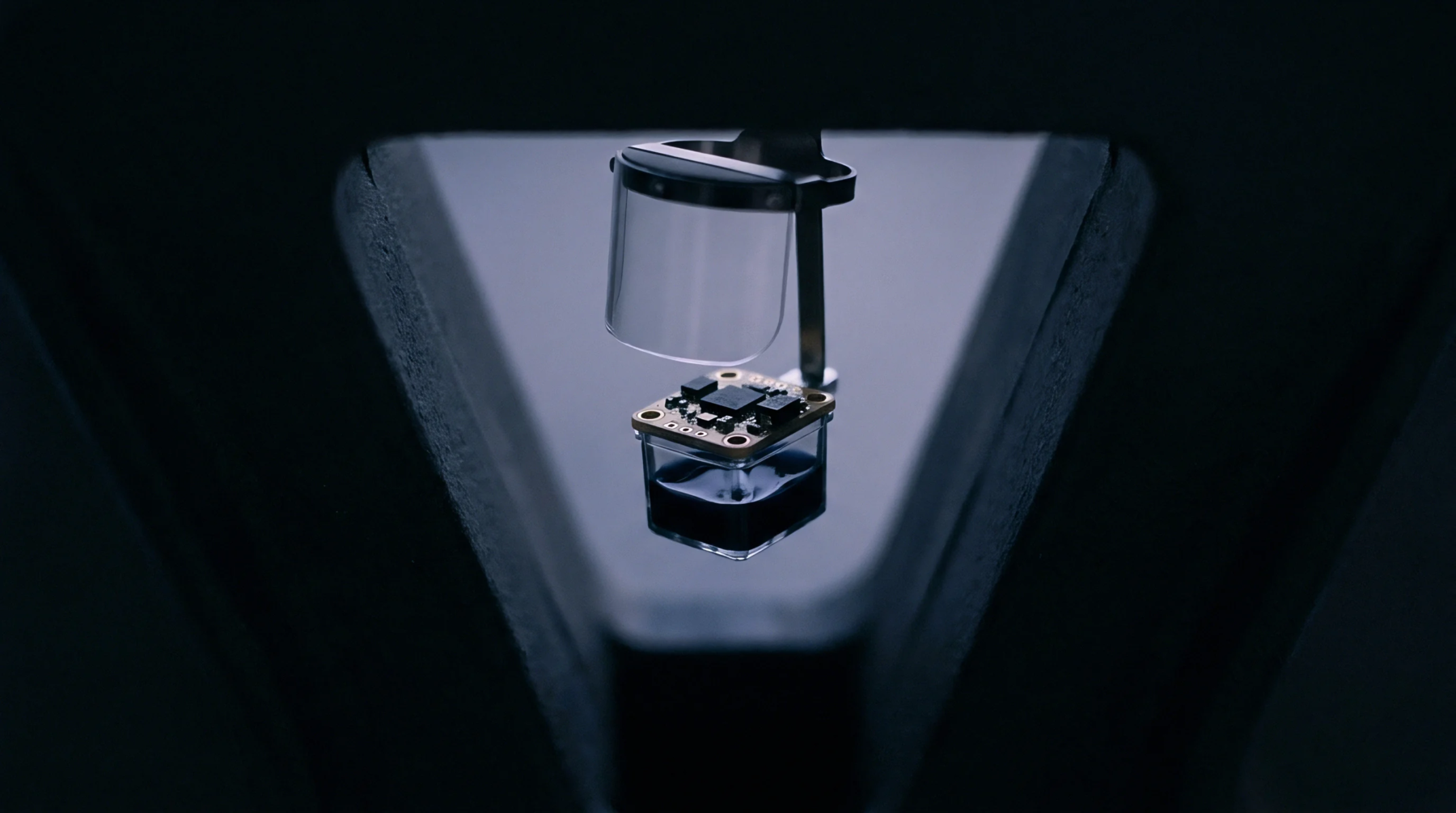
High temperature MEMS lot acceptance demands GUM-compliant uncertainty budgeting that maps micro strain relaxation kinetics to verified drift limits.

Minimizing fluid volume below five microliters and matching diaphragm spring rate eliminates thermal zero shift in isolated piezoresistive pressure cells.

Thermal expansion mismatch between silicon dies and packaging substrates generates parasitic mechanical stress, causing piezoresistive zero-point drift.

High temperature thin film gauge survival requires balancing deposition stress and CTE mismatch to hold interlayer shear below critical fracture limits.

Generalized Maxwell models under cryogenic thermal ramps require Arrhenius shift functions and thermal lag compensation to accurately predict stress relaxation bounds.

High-temperature package creep redistributes interfacial strain to drive long-term sensor drift, requiring viscoplastic modeling and burn-in stabilization.
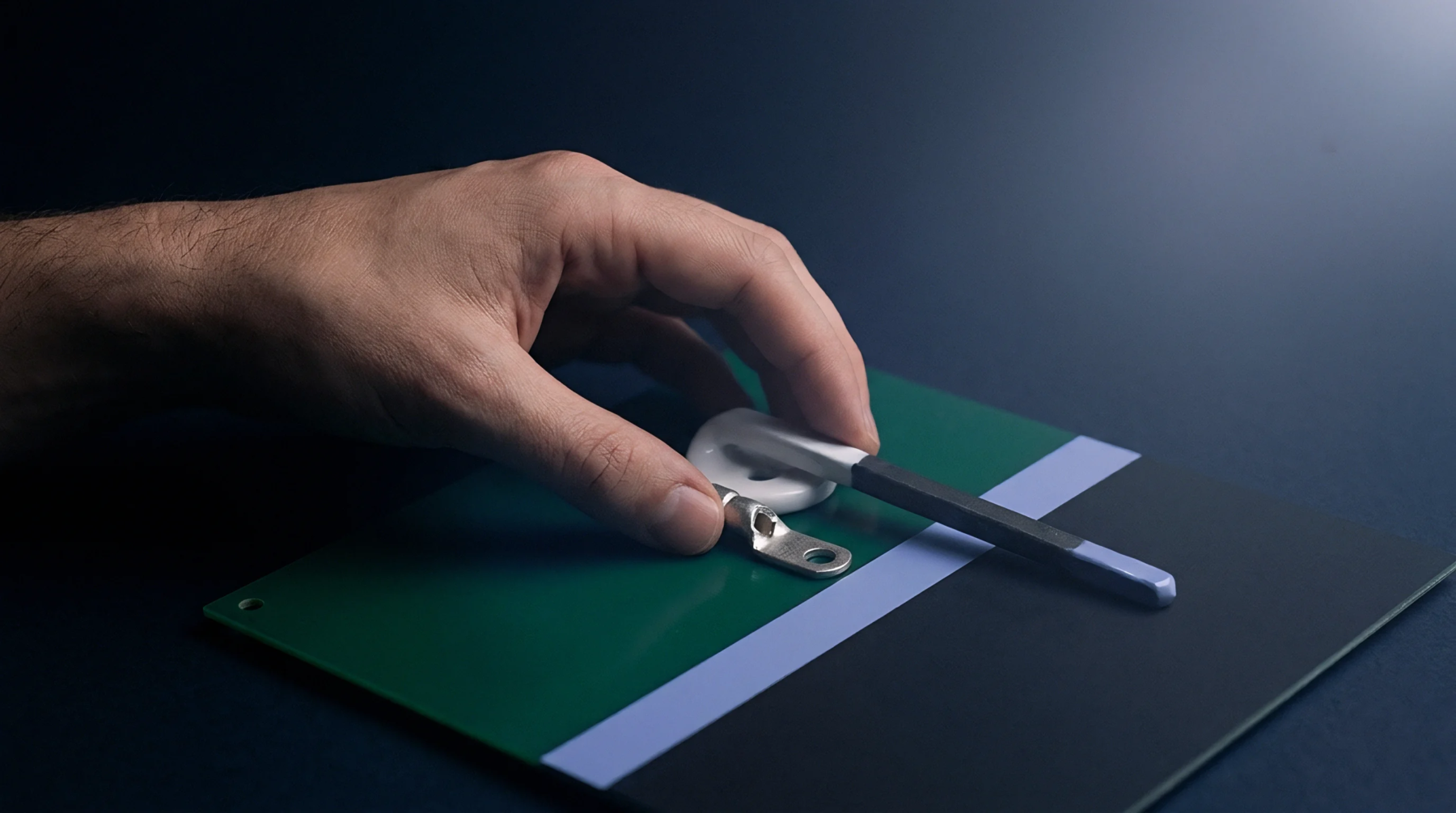
Thermal zero drift calibration of piezoresistive pressure transducers requires precise thermal soak equilibrium, bridge resistance thermometrics, and low-order polynomial matrix surface fitting to achieve residual zero offset errors below 0.05 percent of full-scale output across broad operating temperatures.

Isolated silicon cell thermal hysteresis depends directly on micro-dosing oil volume accuracy and outer diaphragm compliance balance.
Expertise is a utility, not a secret. sentiention™ publishes its working knowledge as open reference: intelligence layer covering the materials it sources, the markets it enters, and the reference that serves both.