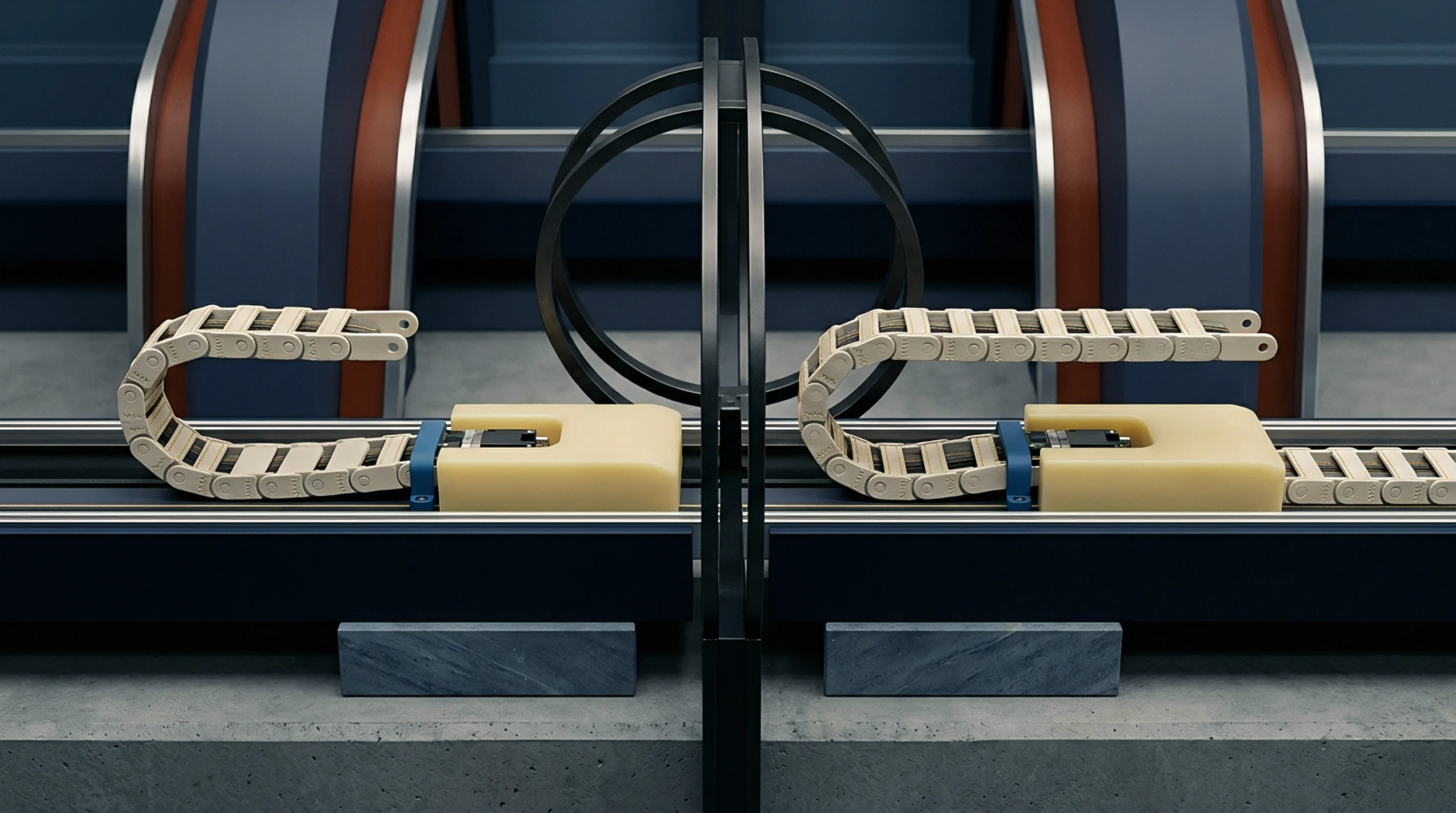
Establishing Measurement Traceability Chains for Industrial Pressure Transducers
Establishing pressure traceability requires calculating complete uncertainty budgets and enforcing accredited test ratios to prove sensor claims.
Establishing pressure traceability requires calculating complete uncertainty budgets and enforcing accredited test ratios to prove sensor claims.
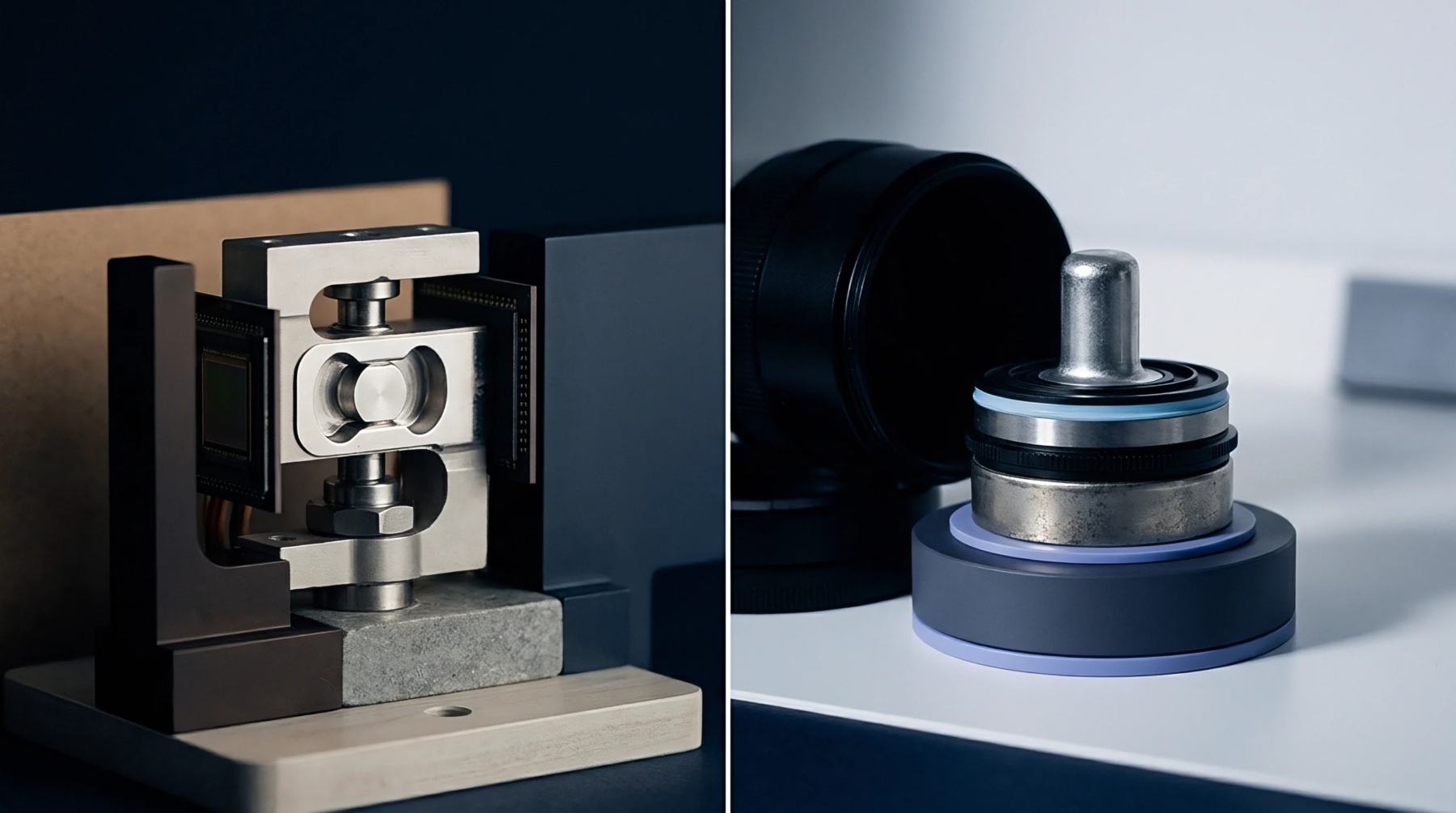
A structured transducer intake bench verifies zero balance, insulation resistance, and multi-point span accuracy against calibrated reference standards.

Water vapor diffusion across elastomer seals causes reference cavity pressurization and dielectric drift, requiring coulometric ISO 15105-2 verification.

Submersible sensor accuracy requires unbroken ISO 17025 traceability and pressure-thermal uncertainty budgets to prevent costly subsea deployment failures

Bulk metal foil resistor drift stems from thermal stress relaxation and epoxy moisture swelling, manageable through hermetic packaging and thermal burn-in.

Arrhenius acceleration models for sensor encapsulation polymers require activation energy mapping across glass transition bounds to prevent unearned drift extrapolation.

Risk-adjusted calibration cycles combined with quarterly field verification reduce 5-year fleet costs by 23 percent while holding out-of-tolerance risk below 2.5 percent.

MEMS silicon pressure sensor zero offset shift originates from package thermomechanical stress, dielectric charge trapping, and gel swelling, requiring thermal burn-in and polynomial ASIC compensation.
An ISO/IEC 17025 logo proves accreditation only for parameters and ranges explicitly listed on the laboratory active schedule of scope.
Expertise is a utility, not a secret. sentiention™ publishes its working knowledge as open reference: intelligence layer covering the materials it sources, the markets it enters, and the reference that serves both.