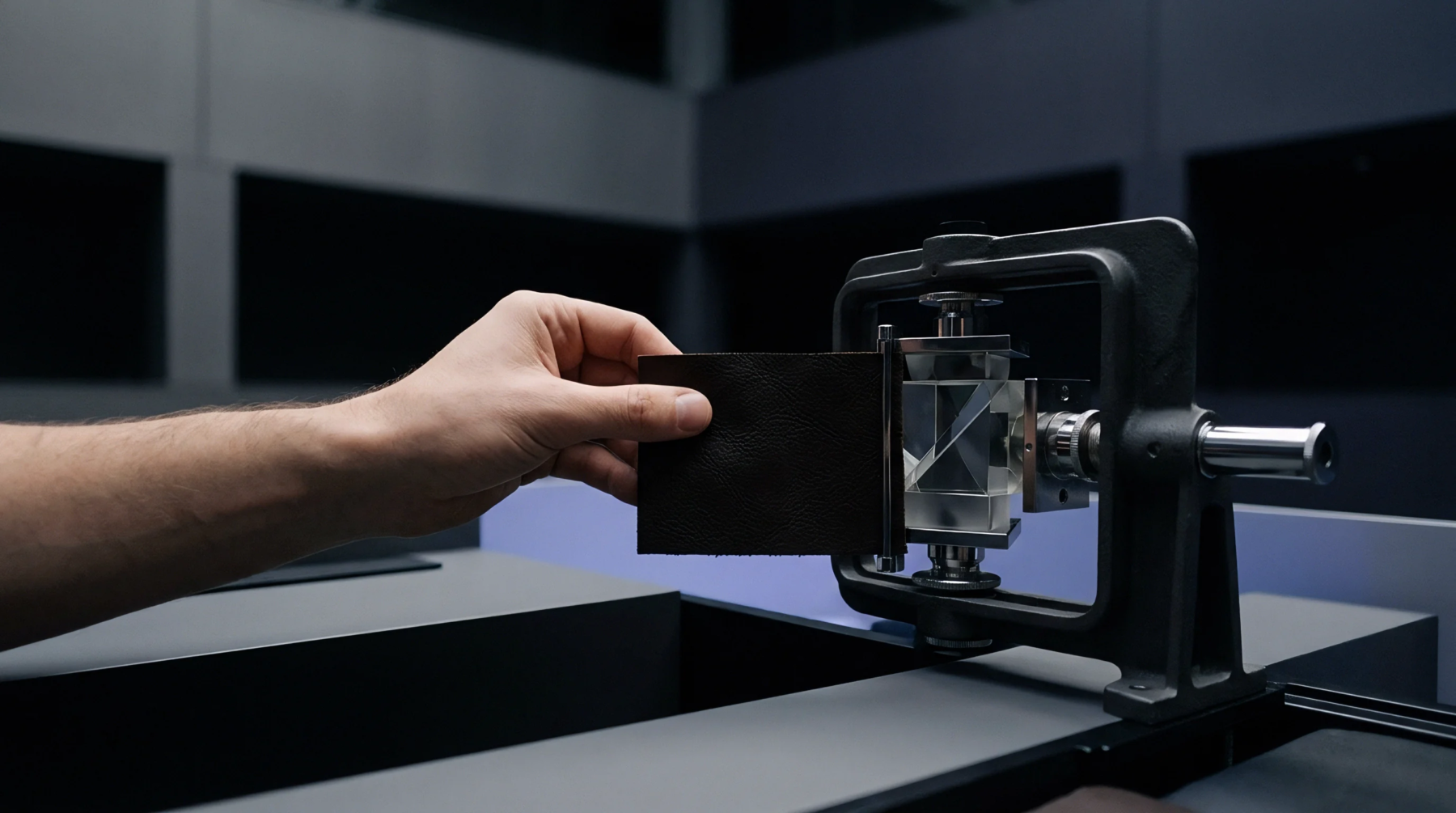
Spectrometric Mechanism
Optical resonance wavelength displacement occurs within an interference cavity when physical or environmental variables alter its optical path length. A fabry-perot filter shift describes this change in central transmission wavelength, driven by fluctuations in cavity gap distance, mirror coating phase responses, or refractive indices of the intermediate dielectric medium. The effect governs tunable laser modules, micro-electro-mechanical spectrometers, and thin-film optical filters by shifting the constructive interference condition.
Measurement boundaries terminate where excessive physical cavity displacement introduces multi-order interference overlapping or when cavity losses extinguish transmission fringe contrast altogether.
Thermal Sensitivity
Temperature variations modify the physical dimensions of the optical spacer and alter the refractive index through thermo-optic coupling. In solid-cavity configurations, thermal expansion increases the mechanical gap, shifting the peak toward longer optical wavelengths. Silicon spacers exhibit positive thermo-optic coefficients that amplify this displacement, whereas specialized dielectric stacks can combine materials with opposing coefficients to reduce spectral wander.
Piezoelectric actuators employed in variable-gap filters exhibit hysteresis and thermal displacement coefficients that require closed-loop capacitive sensing. Thermal drift is quantified as picometers of spectral shift per degree Celsius.
Qualification Metrics
Spectral transmission checks determine wavelength displacement across operating thermal cycles. Monochromatic light sources or reference absorption gas cells containing acetylene or hydrogen cyanide establish stable physical spectral lines for tracking resonance peaks. The shift is calculated by tracking the centroid of the transmitted spectral distribution as environmental conditions fluctuate.
Sourcing specifications stipulate the maximum permissible deviation in peak position across defined temperature and operational vibration envelopes.
Installation Degradation
Mechanical clamping stresses distort the micro-scale parallelism of cavity mirrors, producing asymmetric transmission peaks alongside apparent centroid displacement. Particulate contamination on reflective surfaces scatters light, degrading filter finesse and broadening the transmission band. Hermetic seal degradation introduces ambient moisture into dielectric cavities, which modifies the internal refractive index and causes unpredictable drift.
Stabilization requires mounting the optical assembly within stress-isolated, temperature-controlled enclosures.