
Silicon Pressure Sensor Encapsulation Media Tradeoffs and Calibrations
Sensor media isolation dictates lifecycle drift, requiring matched fill fluid volume and multi-point thermal calibration to hold industrial accuracy.
Sensor media isolation dictates lifecycle drift, requiring matched fill fluid volume and multi-point thermal calibration to hold industrial accuracy.

Calculate uncertainty budgets under ISO/IEC 17025 by converting Type A scatter and Type B limits into standard deviations and applying guard-banded decision rules.
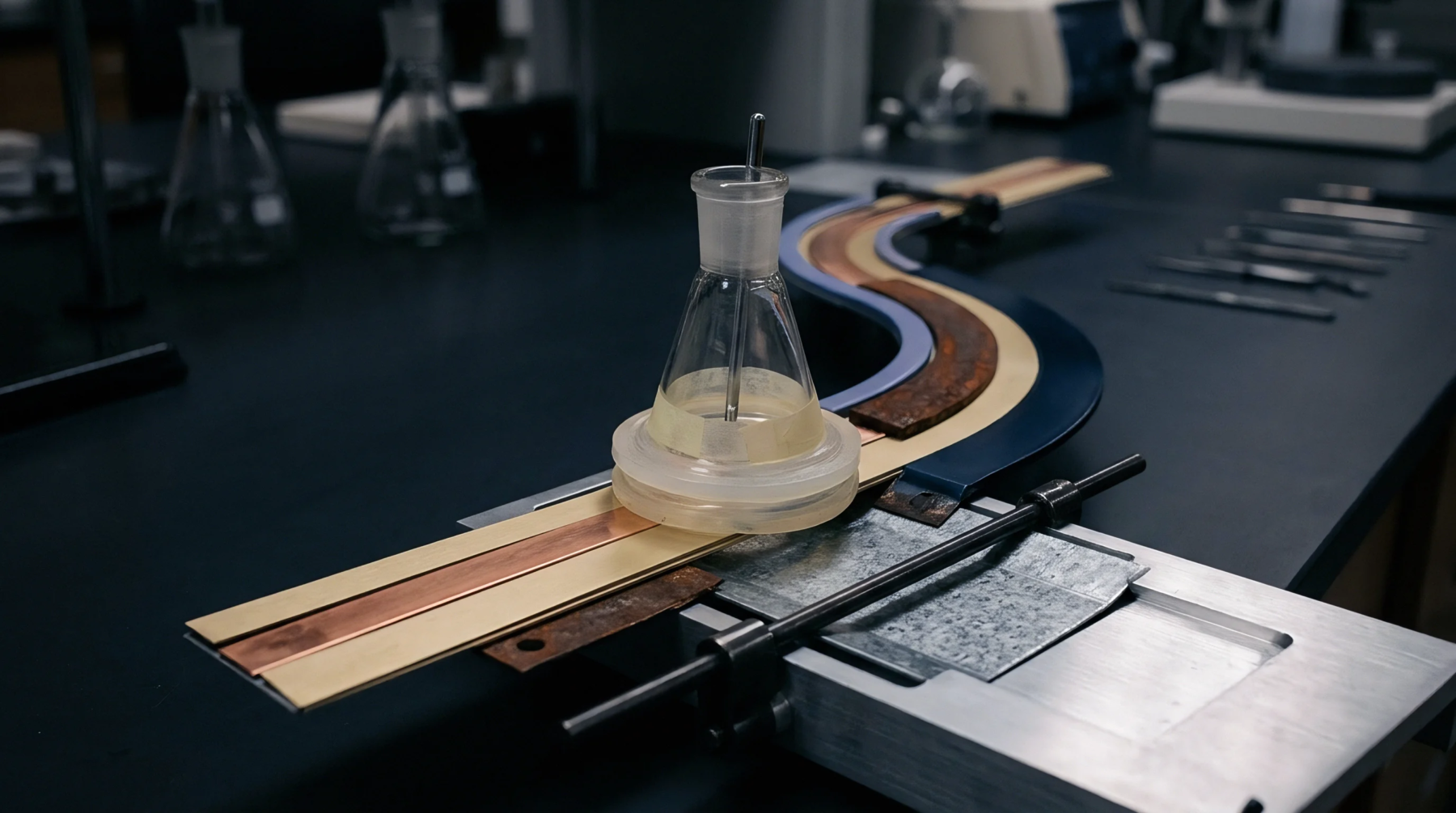
Evaluating piezoresistive humidity cross-sensitivity requires isothermal stepped chamber dwells that decouple packaging swelling strain from bridge thermal drift.
Optimizing calibration intervals balances in situ sensor drift history against consumer risk to minimize total plant ownership costs without violating tolerances.

Controlled high-temperature bake schedules accelerate viscoelastic strain relaxation in die-attach adhesives to suppress long-term zero drift.
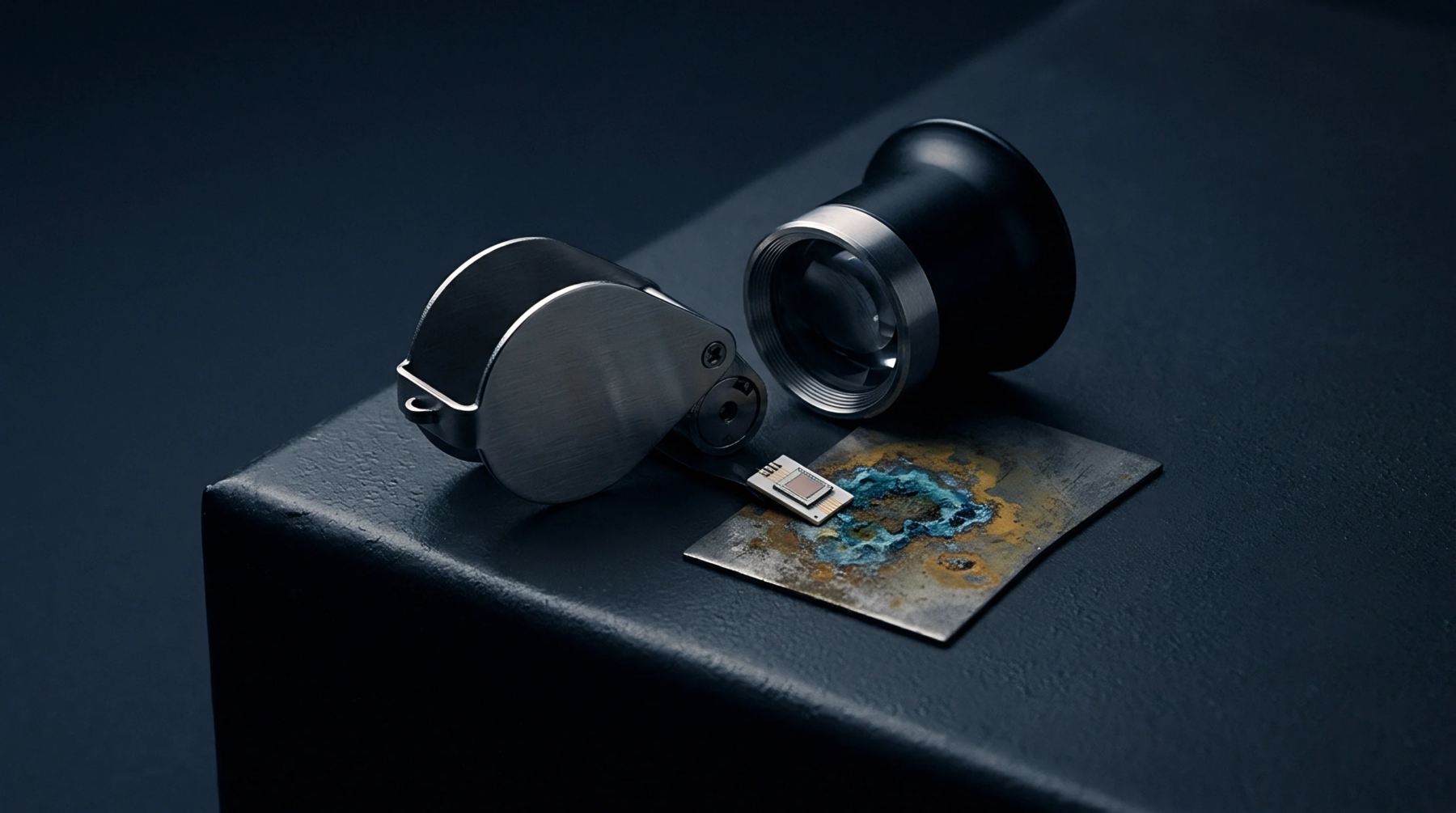
Master supply agreements enforce microelectronic acceptance by establishing guard-banded drift boundaries that partition thermal, packaging, and aging errors.

Calibration traceability requires unbroken deadweight references, while exceeding proof pressure bounds causes unrecoverable zero drift from metallic yielding.

Reconciling divergent calibration certificates requires auditing lab scopes, matching test conditions, and computing normalized error ratios before retesting.

Linear annual drift extrapolation from four-week test bench data produces severe forecast errors by ignoring logarithmic relaxation and test fixture noise floors.
When two laboratories return conflicting calibration values for the same sensor unit, calculate the normalized error ratio to isolate systemic lab bias from valid measurement uncertainty.

Sensor accuracy price curves scale exponentially because higher tiers demand longer thermal chuck dwell times, lower silicon yields, and guard-banded calibration.

High-temperature package creep redistributes interfacial strain to drive long-term sensor drift, requiring viscoplastic modeling and burn-in stabilization.

Cross-border supply disputes resolve only when contracts define referee laboratory selection, expanded uncertainty budgets, and guard-banding rules under ISO 14253-1.
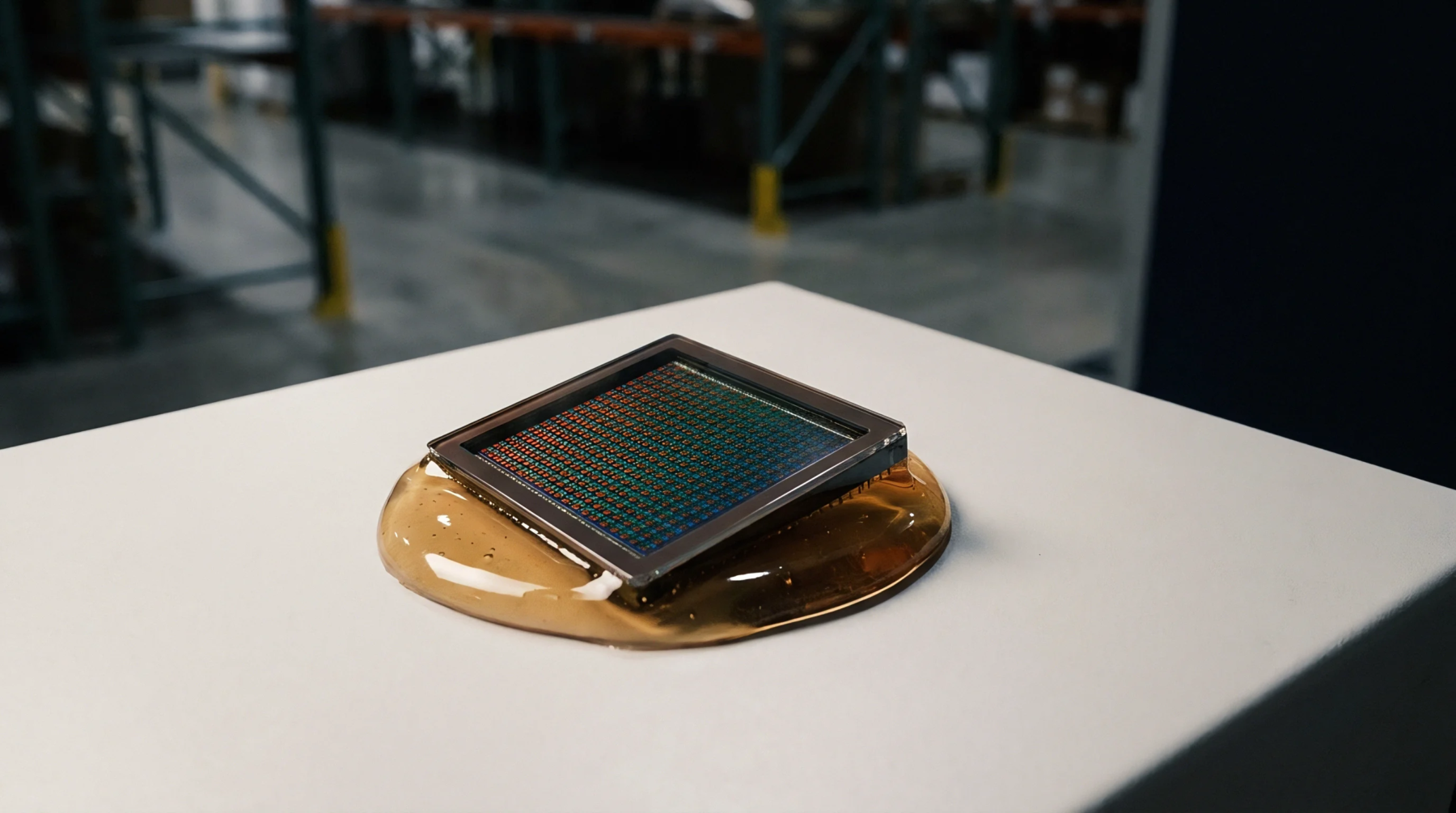
Dynamic moisture ingress into piezoresistive sensor encapsulants expands thermal hysteresis by up to 0.25% FSS, requiring humidity-conditioned calibration.

An ISO/IEC 17025 logo proves accreditation only for parameters and ranges explicitly listed on the laboratory active schedule of scope.
Expertise is a utility, not a secret. sentiention™ publishes its working knowledge as open reference: intelligence layer covering the materials it sources, the markets it enters, and the reference that serves both.