
Recalibration Intervals Costed across a Five Year Service Fleet
Risk-adjusted calibration cycles combined with quarterly field verification reduce 5-year fleet costs by 23 percent while holding out-of-tolerance risk below 2.5 percent.
Risk-adjusted calibration cycles combined with quarterly field verification reduce 5-year fleet costs by 23 percent while holding out-of-tolerance risk below 2.5 percent.
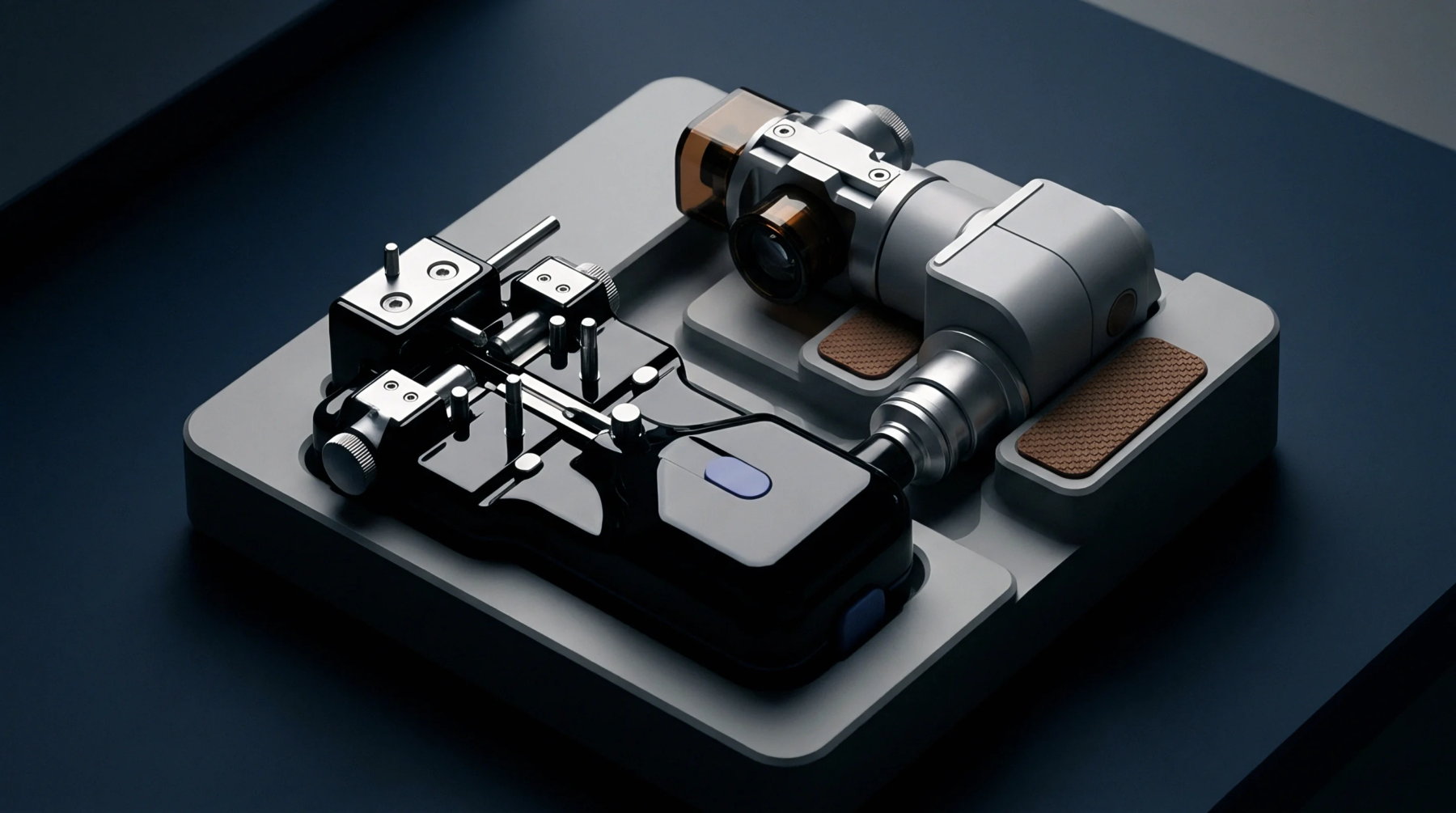
Room-temperature sensor calibrations omit outdoor thermal drift coefficients, expanding real field uncertainty far beyond published baseline claims.

Packaging stress relaxation drives post-thermal drift, requiring pre-conditioning bakes and verified isothermal recovery windows to ensure long-term calibration stability.

Undetected metrological drift in offshore sensors requires contractual drift caps, extended audit windows, and dual-transmitter cross-validation to protect fiscal allocation.
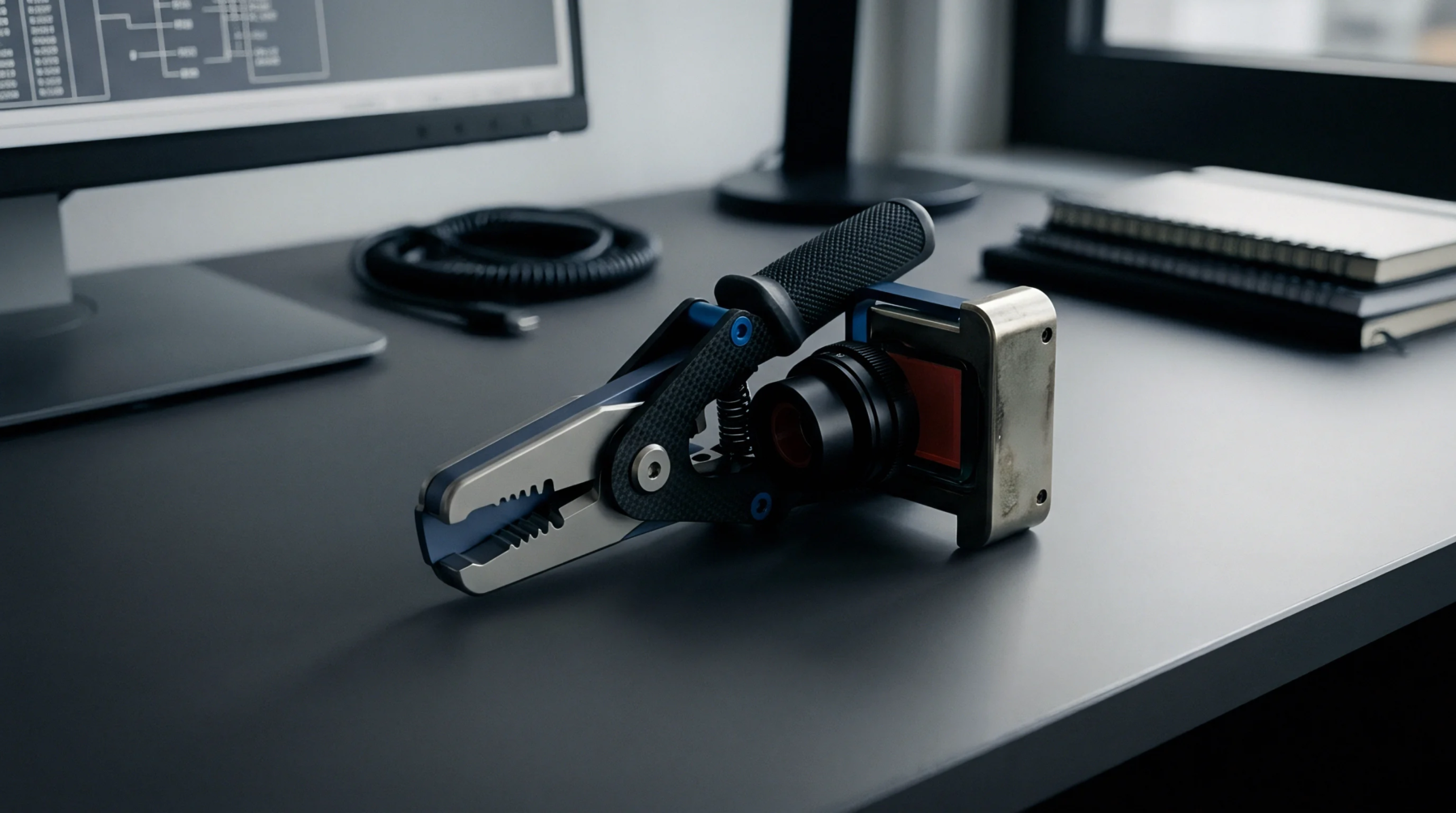
Dynamic atmospheric humidity alters gel swelling stress and dielectric passivation properties in piezoresistive sensors, driving measurable zero baseline drift.

Guard banded acceptance limits calculated from expanded measurement uncertainty resolve inter-laboratory sensor disputes and control consumer risk.

Calculating normalized error scores isolates facility bias from measurement noise by evaluating raw offsets against combined expanded uncertainties.

Thermal hysteresis drift in high density transducer arrays stems from package microstructural strain relaxation and requires multi-cycle thermal preconditioning.
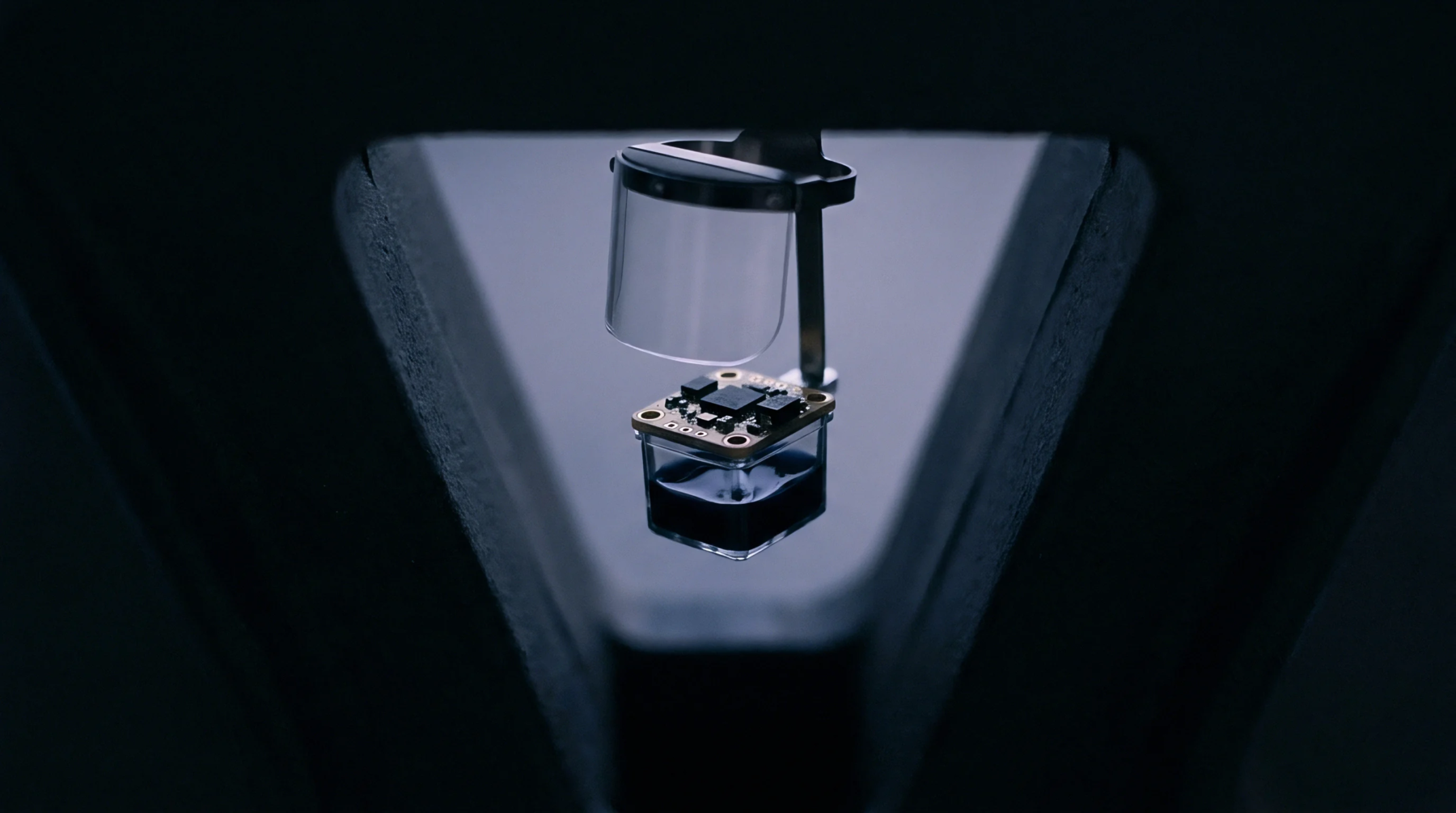
Initial glass transition advancement dictates die attach modulus evolution and residual stress, requiring calibrated thermal analysis to prevent assembly yield loss.

High temperature thin film strain sensor accuracy depends on rigorous apparent strain polynomial correction, dielectric barrier integrity, and drift mitigation.

Dynamic mechanical relaxation testing isolates glass transition, creep compliance, and thermal stability in high temperature die attach polyimides.

Vacuum pull-down removes polarizable gas from capacitive pressure cells, causing a dielectric zero shift calculated via gas polarizability and gap geometry.
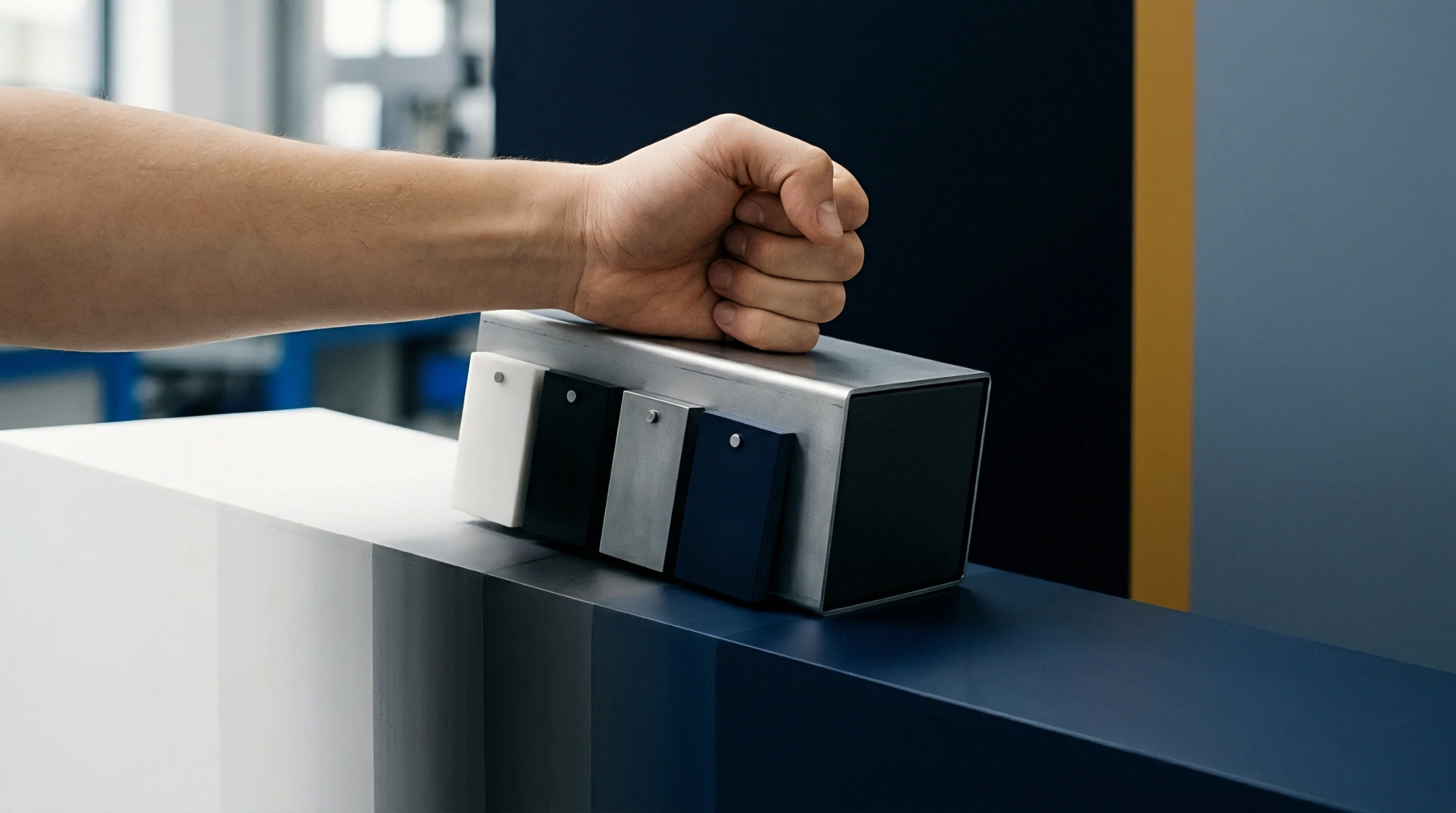
Evaluating submersible oceanographic calibration certificates requires verifying ISO 17025 scopes, polynomial fit residuals, and expanded uncertainty budgets.
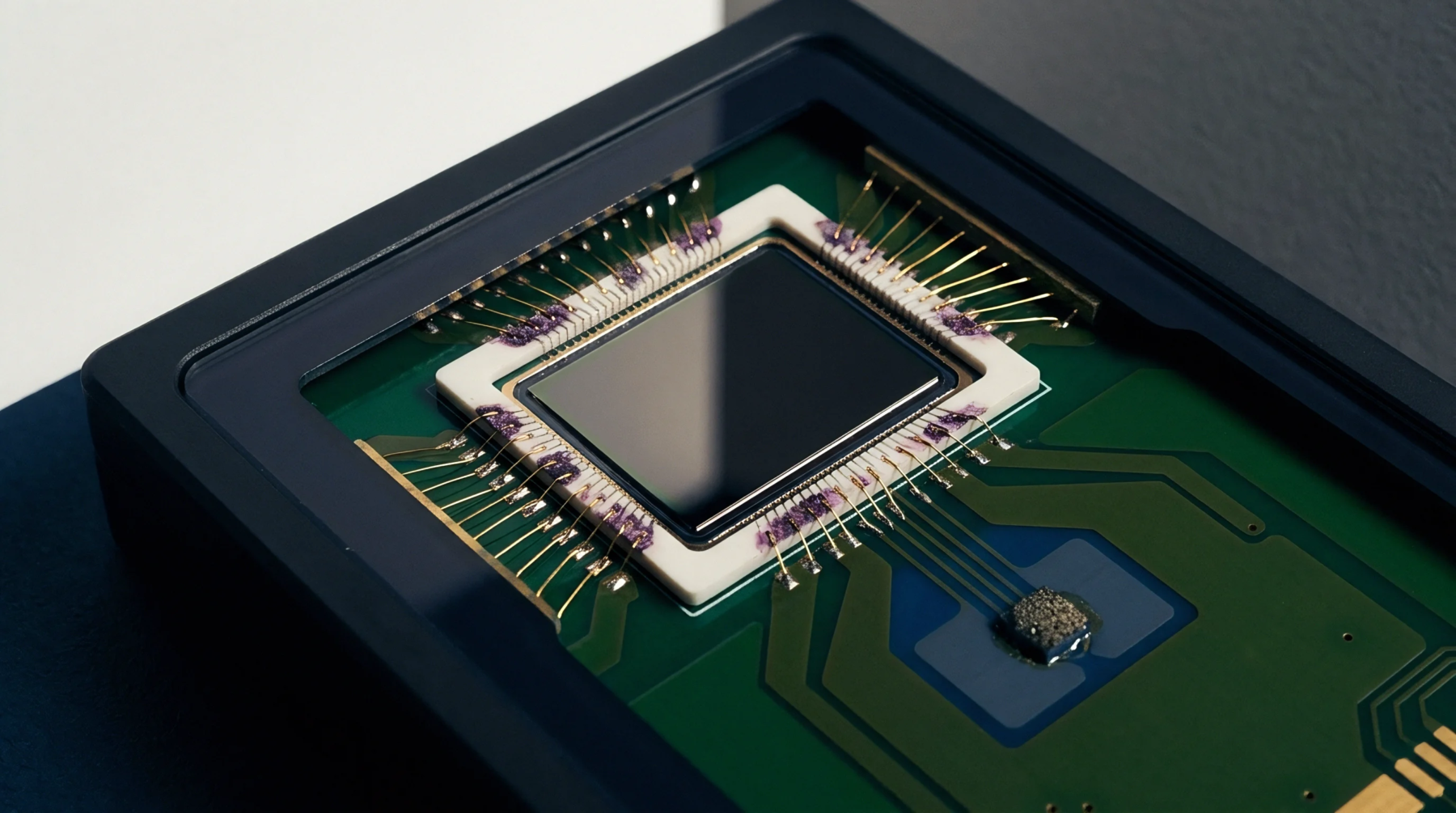
Polymeric potting stress relaxation causes time-dependent zero drift in precision transducers, requiring thermal seasoning to stabilize output baseline.

Anand viscoplastic strain modeling requires accredited nine-parameter empirical calibration to accurately calculate fatigue life in metallic die attach layers.
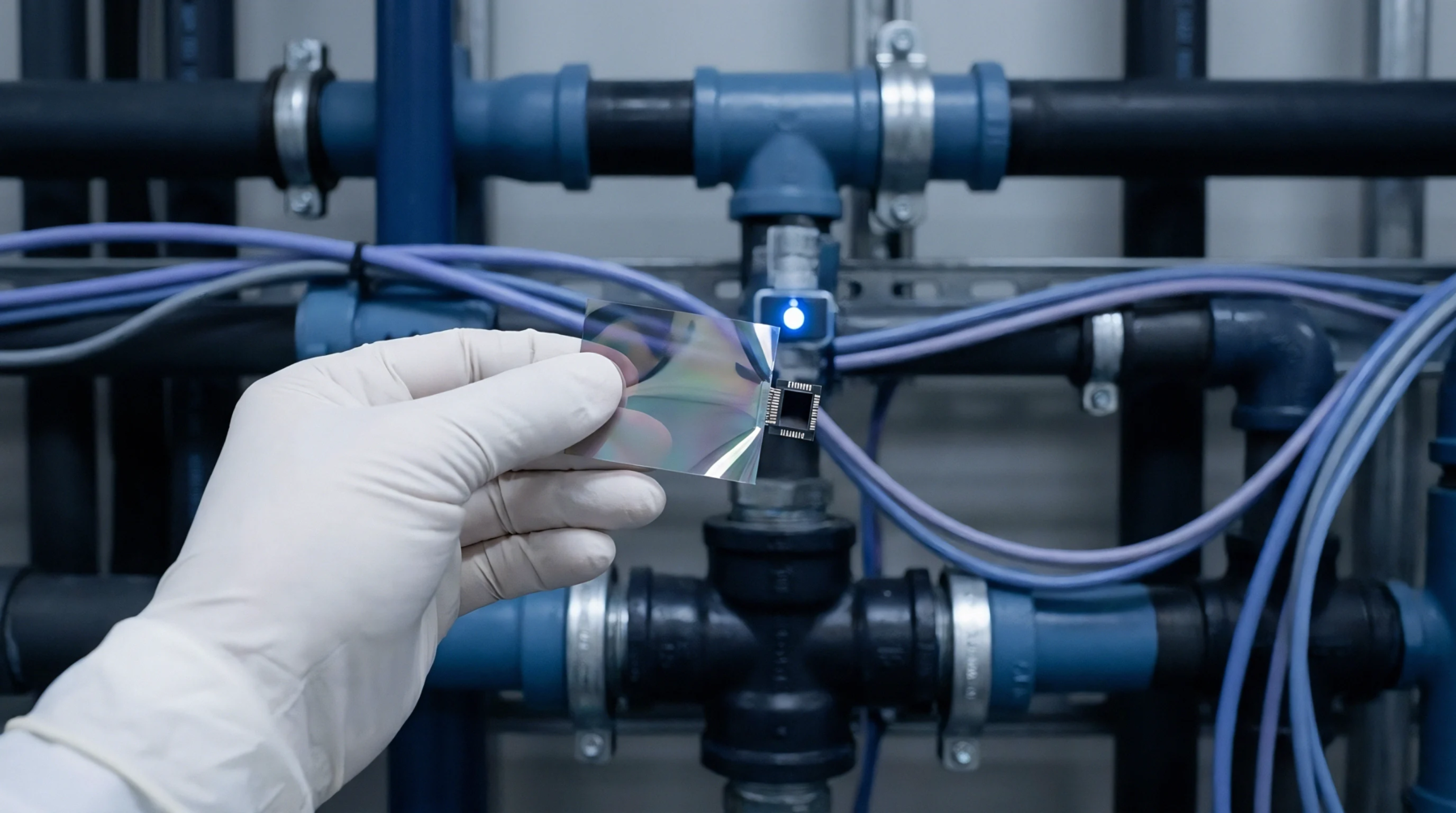
Packaging stress decay in silicon sensor dies causes continuous zero-point drift that requires thermal preconditioning bakes to stabilize long-term offset accuracy.
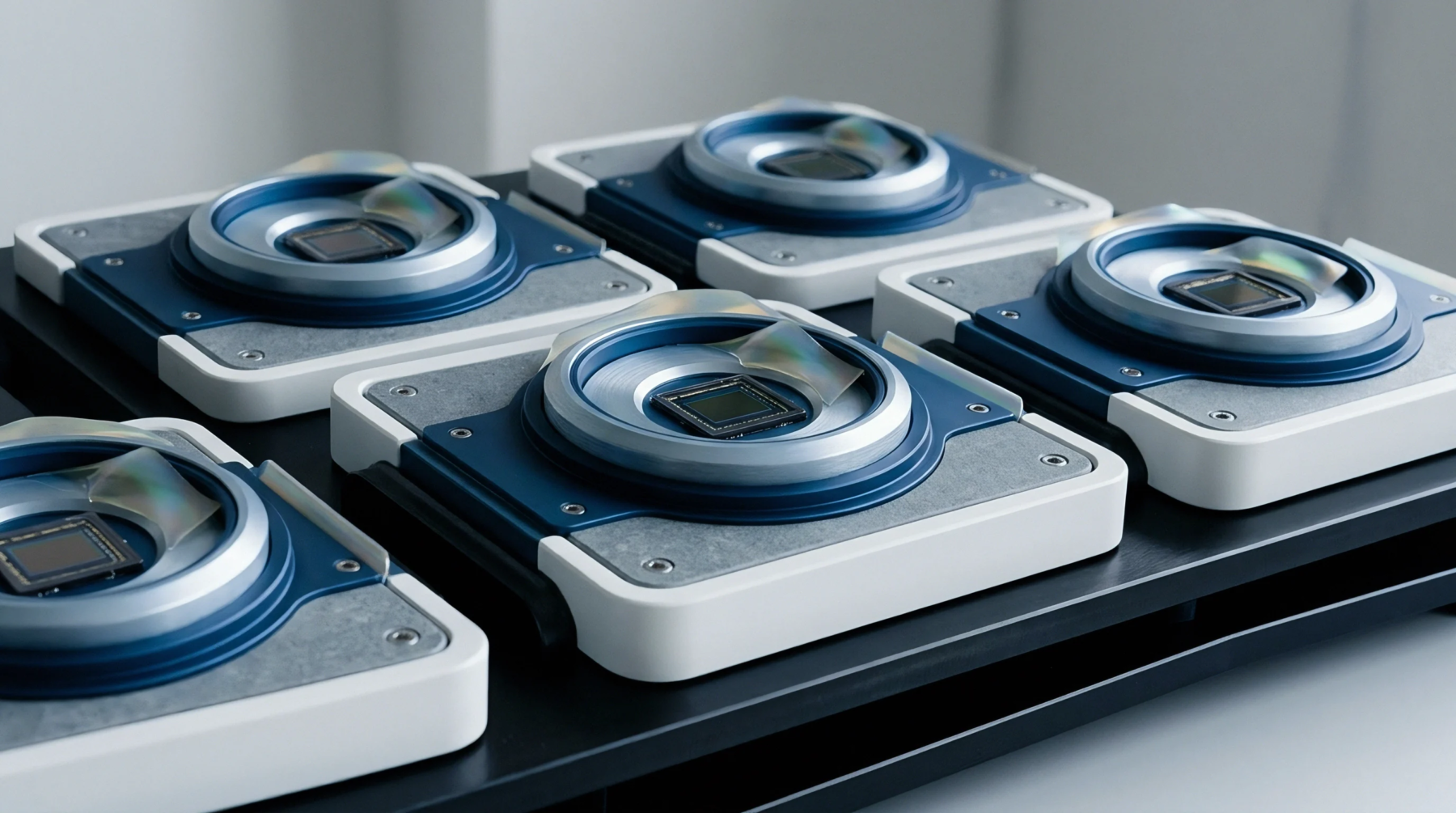
Polymeric die attach viscoelastic creep drives time-dependent sensor offset drift; matching glass transition temperature and controlling bondline shear lag minimizes zero wander.

Encapsulated piezoresistive sensor zero drift under cyclic humidity stems from encapsulant swelling strain and viscoelastic creep, requiring Parylene passivation or oil isolation to hold long-term accuracy.
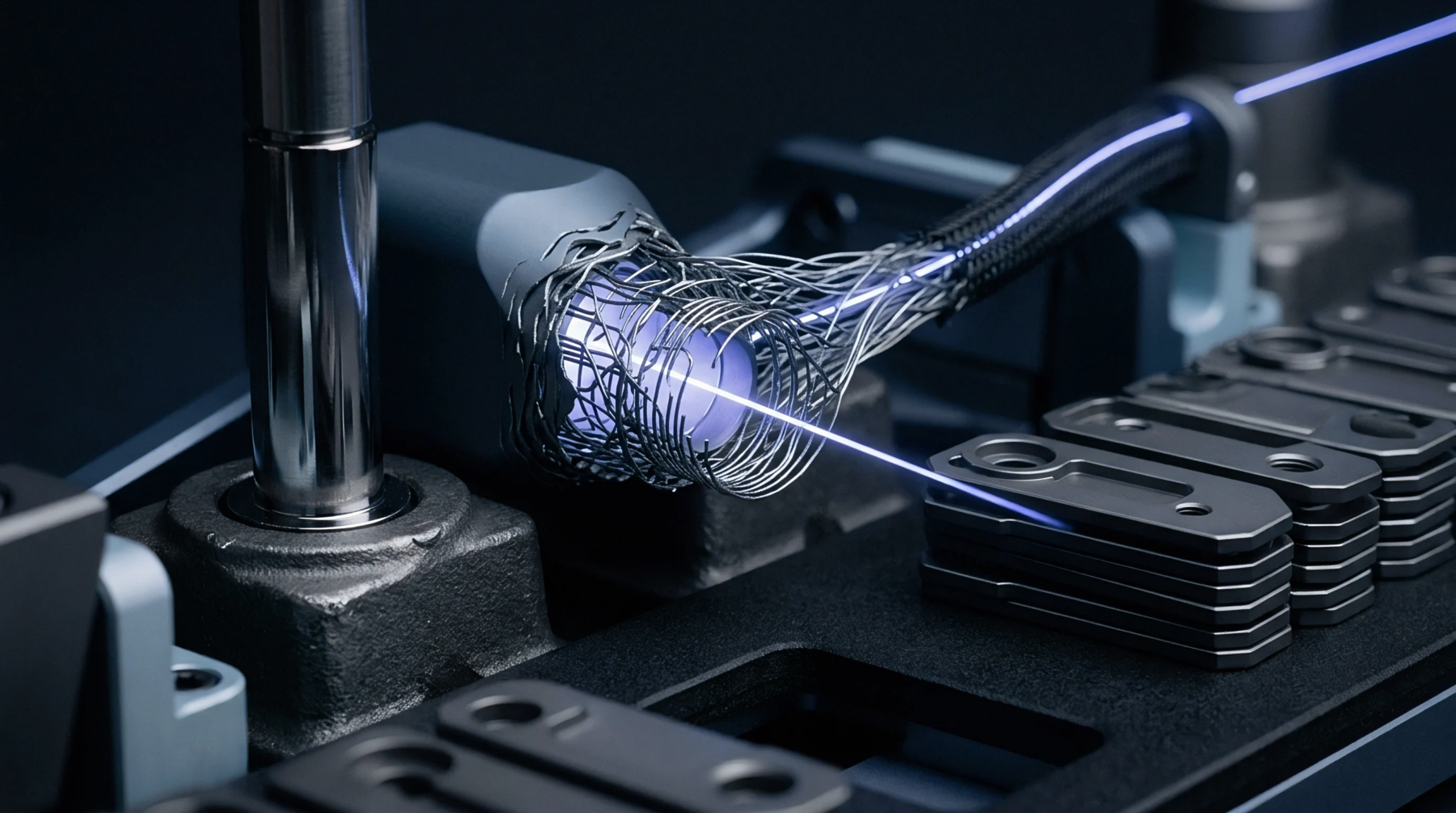
Thermal soak accelerates die attach viscoelastic micro-strain relaxation, reducing shear stress while driving physical aging, interface delamination, and Rth growth.

Dynamic environmental transfer artifact drift verification requires non-linear hysteresis modeling to maintain absolute calibration uncertainty within 0.05% of full scale across thermal cycles.

Calibration maps sensor error against traceable standards, while drift stems from physical aging, mechanical strain, and environmental stress over time.

Master supply agreements must separate initial trim accuracy from multi-year operational drift, backing rejection triggers with accredited 4:1 TUR testing.

Incoming high-pressure transducer compliance verification requires thread geometry checks, insulation resistance testing, proof pressure cycling, and ISO 17025 traceability validation.
When two laboratories return conflicting calibration values for the same sensor unit, calculate the normalized error ratio to isolate systemic lab bias from valid measurement uncertainty.

Sensor accuracy price curves scale exponentially because higher tiers demand longer thermal chuck dwell times, lower silicon yields, and guard-banded calibration.

Thermal burn-in under active electrical bias removes early non-linear drift, locking in long-term calibration stability before sensors reach the field.
Constitutive modeling of viscoelastic aging in thermoset die attach layers enables precise finite element prediction of lifetime stress and sensor drift.

Baseline Prony series parameters extracted from room temperature dynamic mechanical analysis require non-negative least squares fitting and compliance-corrected frequency sweeps bounded between 0.01 Hz and 100 Hz.

Managing sputtered interlayer stress prevents sensor delamination and holds zero-point strain gauge drift below zero point five percent at nine hundred degrees Celsius.

Polyimide die attach master curves bound stress relaxation under automotive minus forty to plus one hundred seventy-five degree thermal shock cycles.
Expertise is a utility, not a secret. sentiention™ publishes its working knowledge as open reference: intelligence layer covering the materials it sources, the markets it enters, and the reference that serves both.