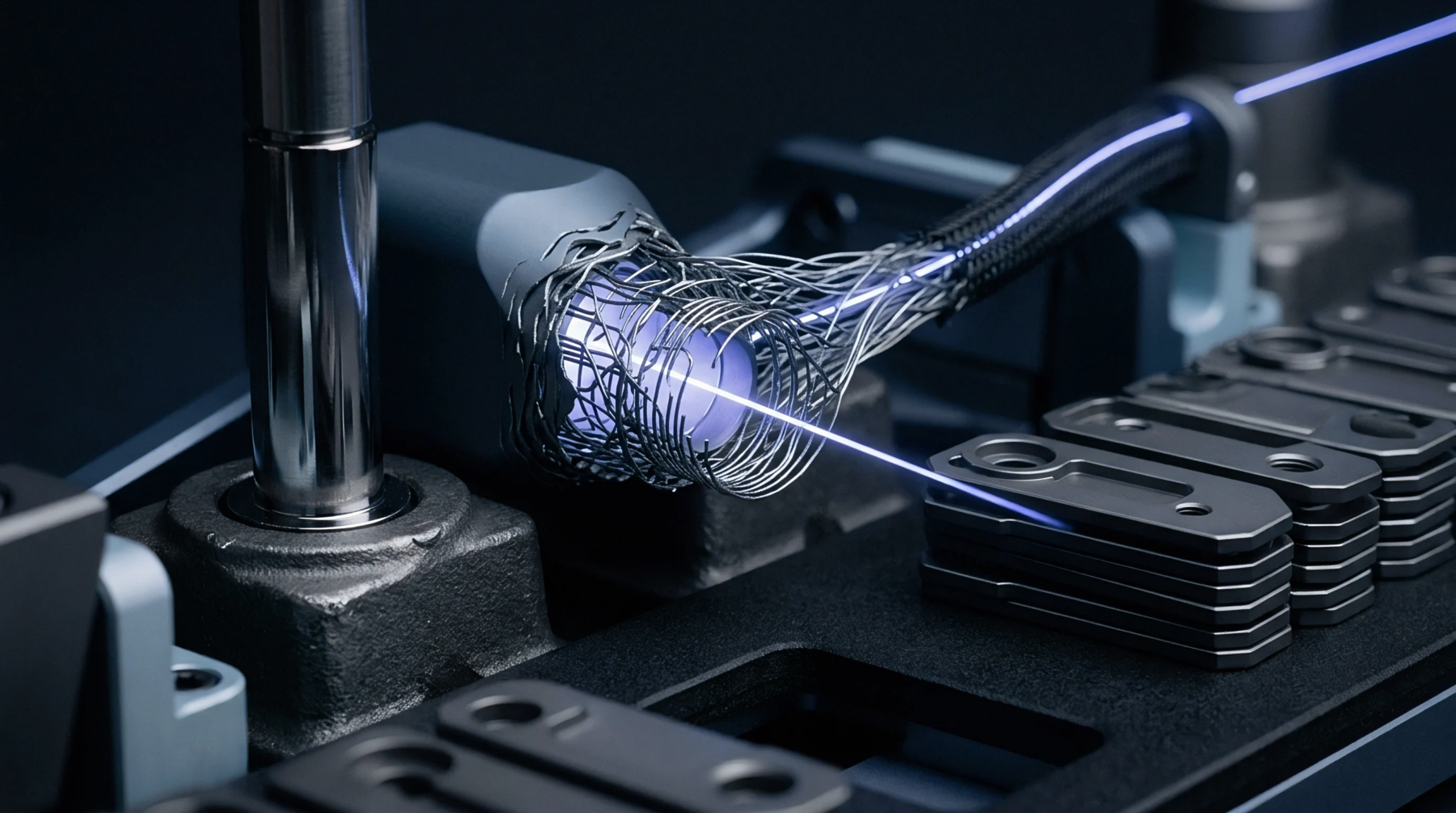
Pressure Transition
Rapid reduction in ambient pressure performed as a discrete change between two stable levels is used to evaluate the dynamic response of pressure sensors and seals. Subjecting a sensor to step decompression allows engineers to measure its recovery time and identify any transient thermal or mechanical anomalies. This test is critical for devices deployed in aerospace or deep-sea environments where rapid pressure changes are common during normal operation.
Sensor Response
Adiabatic expansion of the surrounding fluid or gas can induce a transient temperature drop during the rapid reduction of pressure. This thermal change creates a temporary drift in the sensor signal that must be distinguished from the mechanical response of the diaphragm itself.
Transient Duration
Stabilization time after the pressure drop depends on the thermal conductivity of the housing and the volume of the sensing chamber.
Testing Validation
High-speed data acquisition systems capture the sensor output during this rapid transition to determine the dynamic response parameters. The resulting response curve is analyzed to calculate the rise time, settling time, and any overshoot, ensuring the sensor meets the operational requirements for dynamic pressure monitoring. These measurements are verified against reference transducers in a controlled laboratory environment to ensure that the sensor performs accurately during sudden pressure changes in the field.