
Silicon Piezoresistive Strain Gauge Thermal Expansion Mismatch Interfacial Shear Mechanics
Thermal expansion mismatch generates interfacial shear tractions that distort piezoresistive bridge symmetry, producing unrecoverable zero-point drift.

Thermal expansion mismatch generates interfacial shear tractions that distort piezoresistive bridge symmetry, producing unrecoverable zero-point drift.

Arrhenius acceleration models for sensor encapsulation polymers require activation energy mapping across glass transition bounds to prevent unearned drift extrapolation.
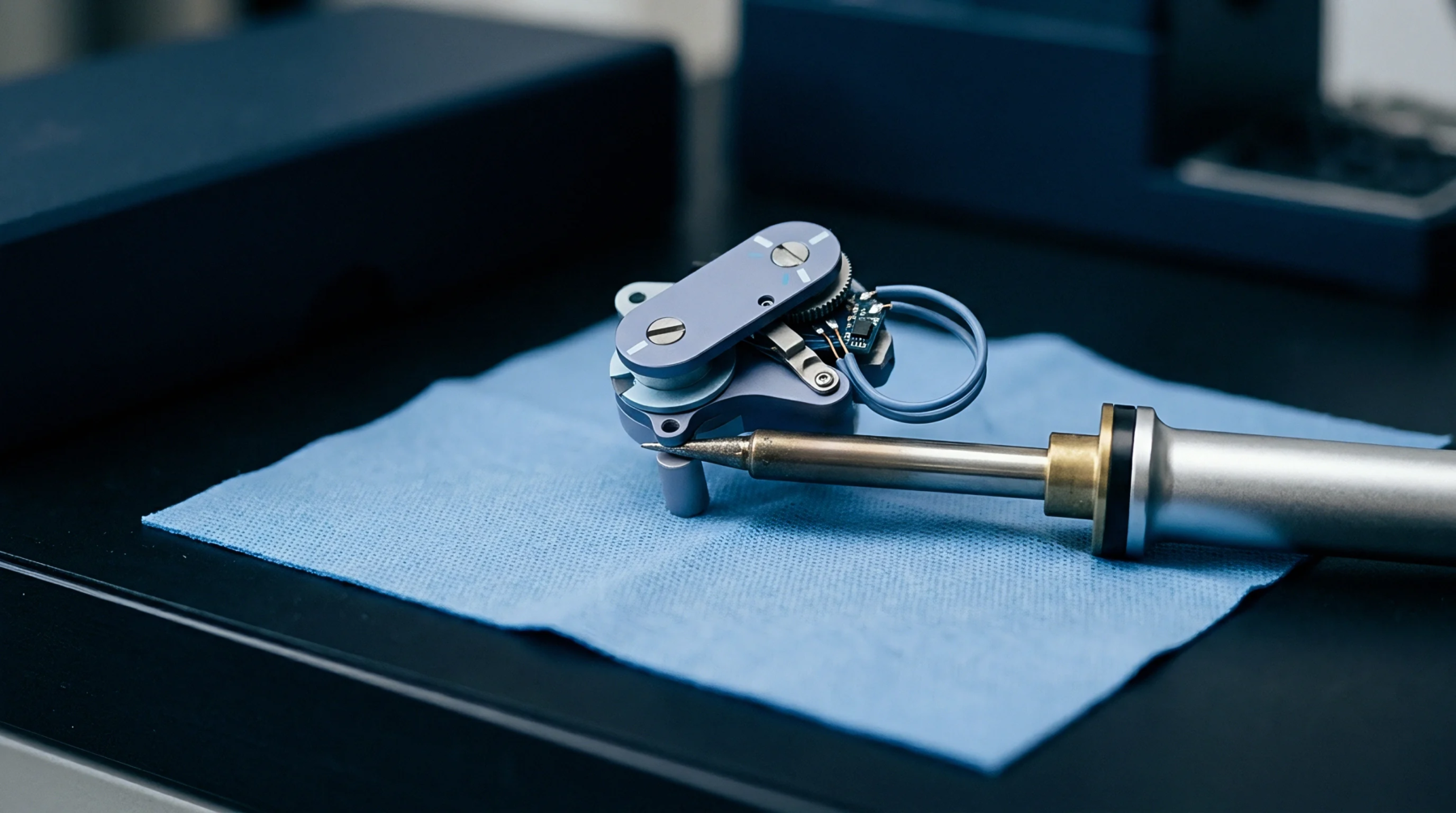
Transitioning to leadless packages reduces lead inductance by 80 percent, accelerating edge rates and requiring layout tuning to control ringing and drift.
Closed loop inertial sensor Allan variance noise parameters require isolating active rebalance filter artifacts before populating discrete Kalman filter process noise matrices.

Risk-adjusted calibration cycles combined with quarterly field verification reduce 5-year fleet costs by 23 percent while holding out-of-tolerance risk below 2.5 percent.

IPC-JEDEC-9704 line audits deploy triaxial strain rosettes at high-stress component corners to calculate principal strain vectors and enforce process microstrain limits.

Room-temperature sensor calibrations omit outdoor thermal drift coefficients, expanding real field uncertainty far beyond published baseline claims.
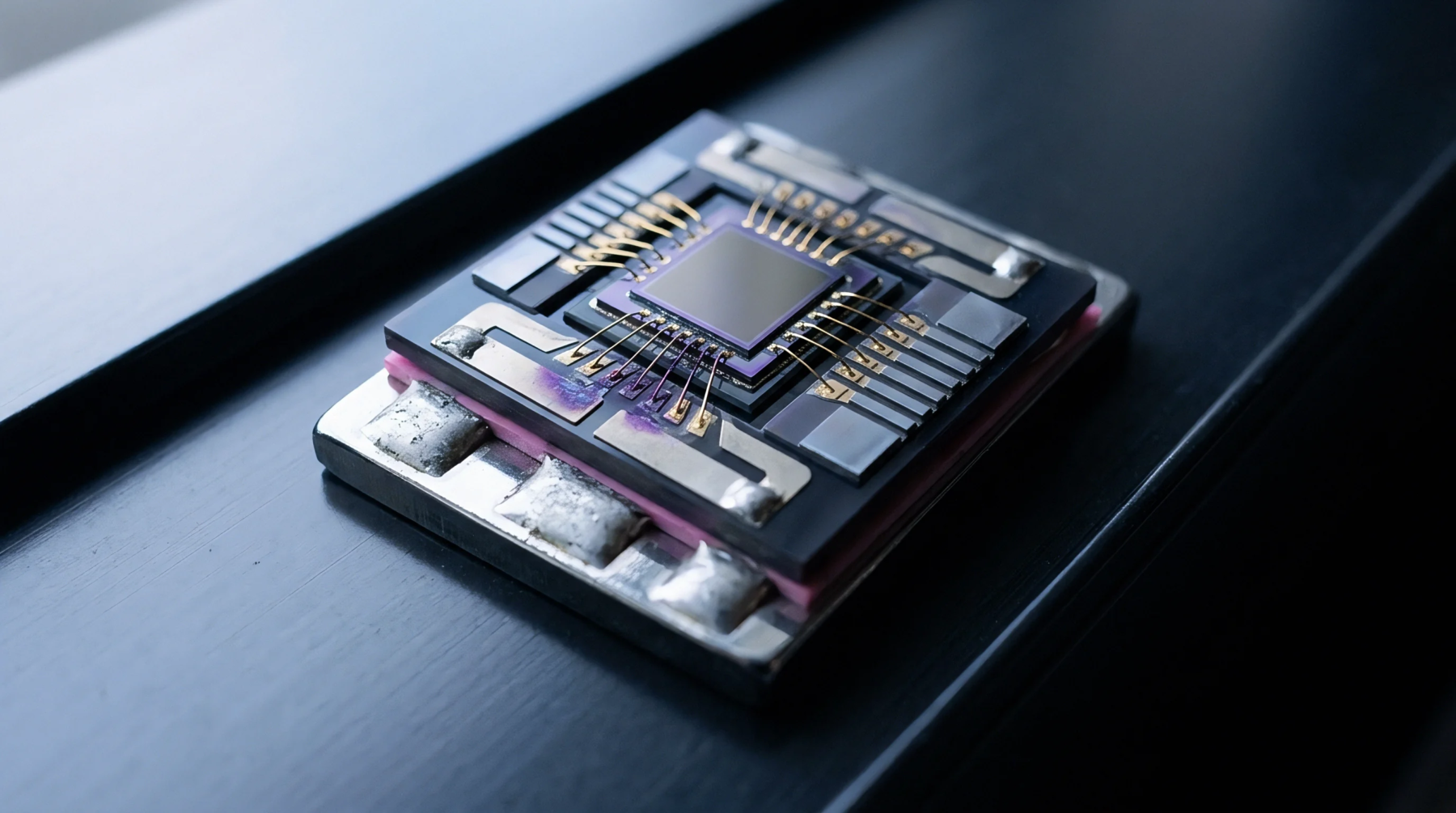
Substrate viscoelastic relaxation and thermal expansion mismatch induce time-dependent, hysteretic offset drift in MEMS requiring mechanical anchor isolation.
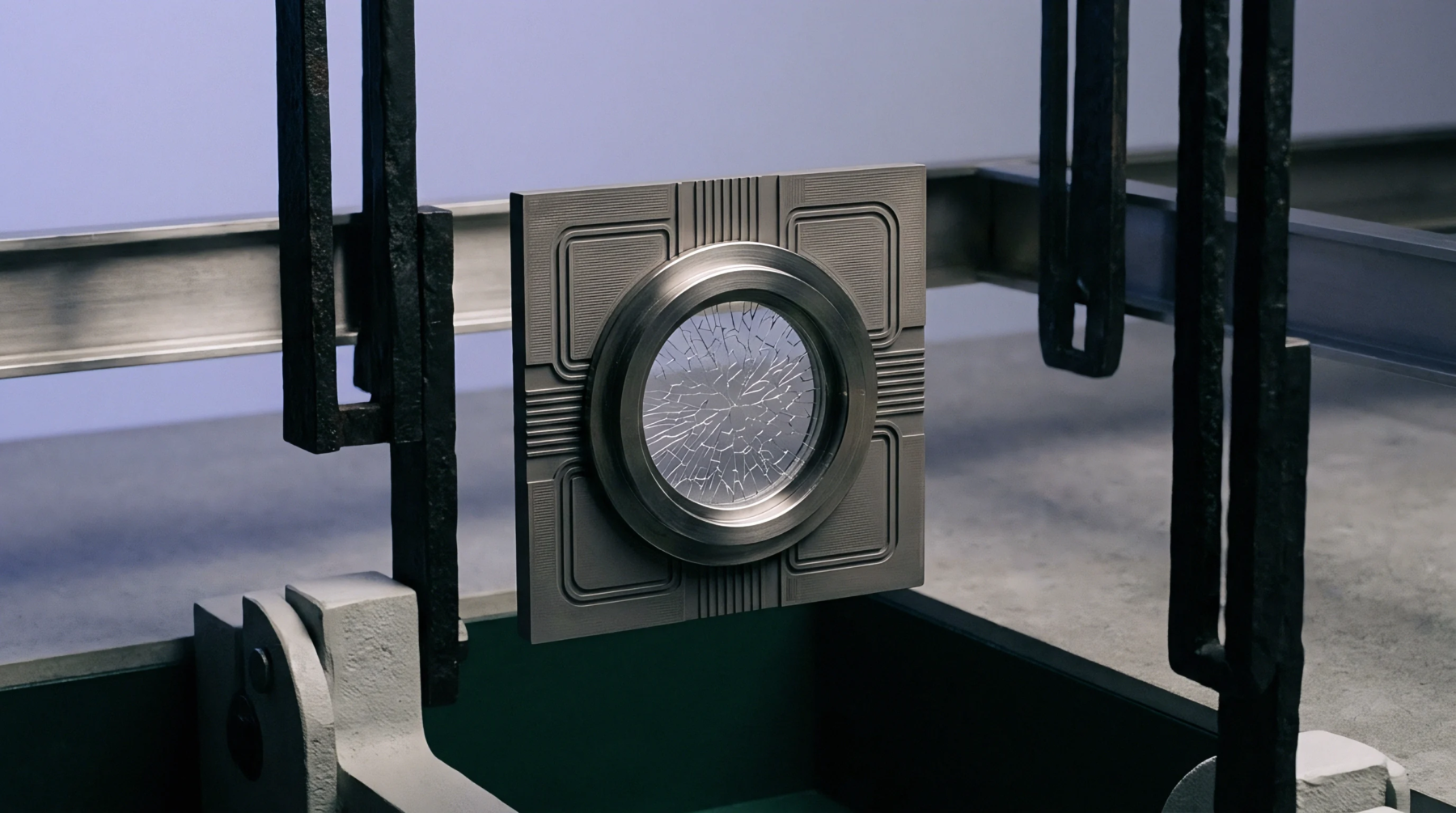
Wafer-level packaging stress relaxation induces anisoelastic stiffness drift and quadrature leakage, requiring stabilization annealing to hold tactical bias limits.

Building discrete sensor layouts beats buying pre-tested modules when batch volume crosses twenty-five thousand units and host routing absorbs test NRE without HDI layer additions.

Packaging stress relaxation drives post-thermal drift, requiring pre-conditioning bakes and verified isothermal recovery windows to ensure long-term calibration stability.
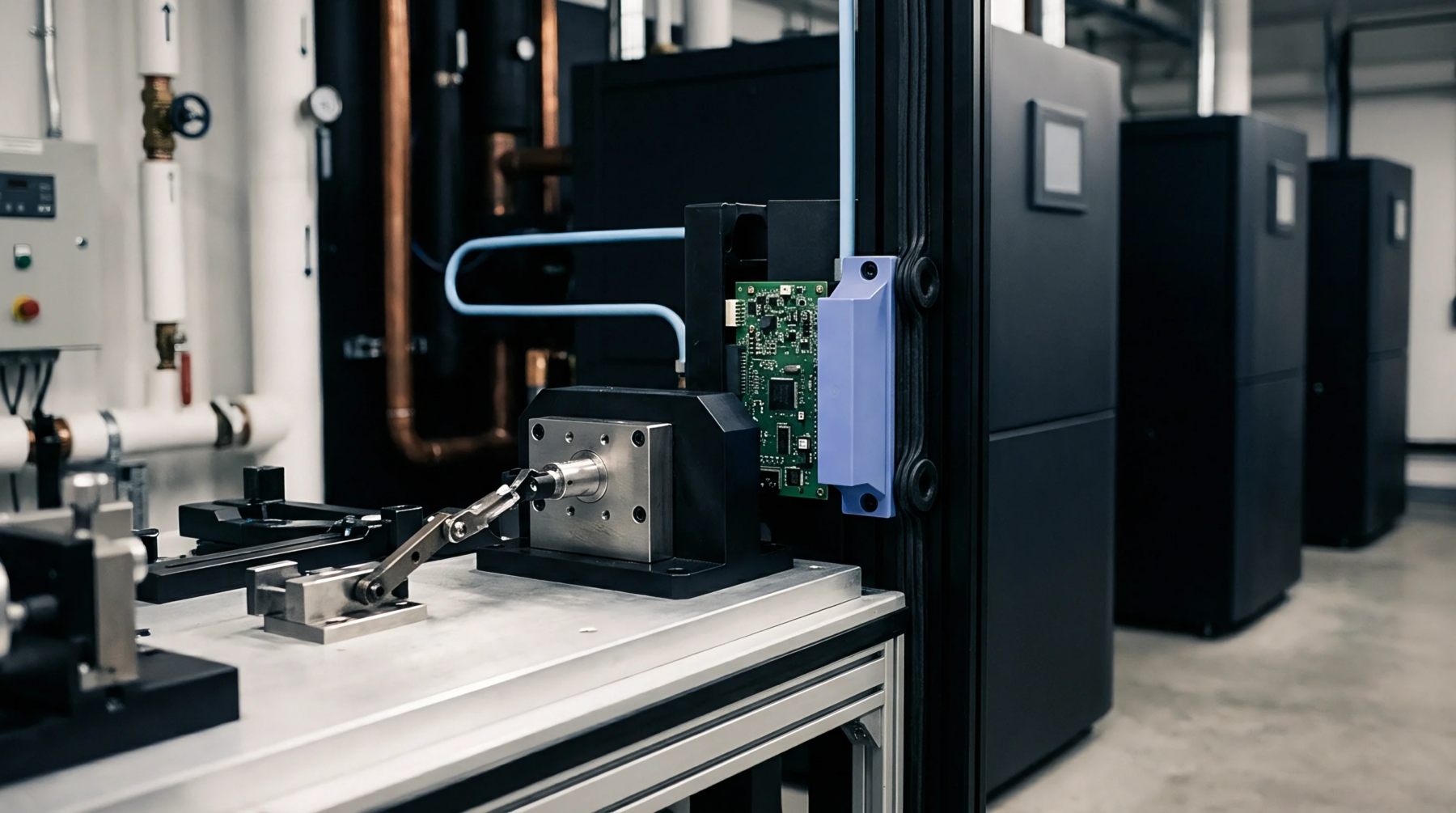
Active guard architectures require closed loop phase alignment below 0.05 degrees to eliminate moisture induced stray capacitive leakage currents.

Early silicon steppings lock up I2C clock stretching during ACK phases, requiring firmware timeouts and board RC tuning across packaging revisions.
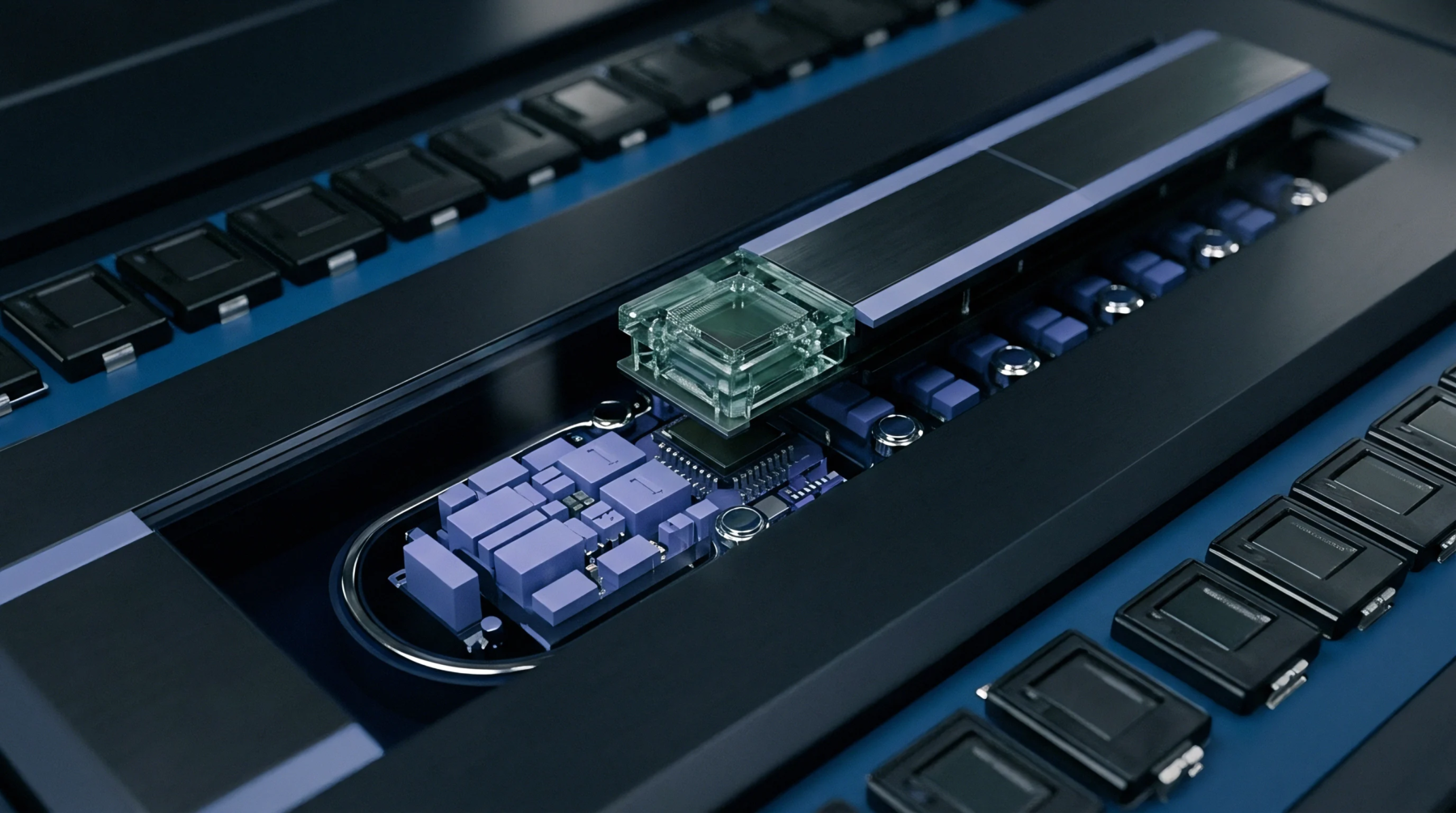
Undetected metrological drift in offshore sensors requires contractual drift caps, extended audit windows, and dual-transmitter cross-validation to protect fiscal allocation.

Controlled gland squeeze between 15% and 25% prevents mechanical die stress while isolating the pressure port against long-term fluid leakage.
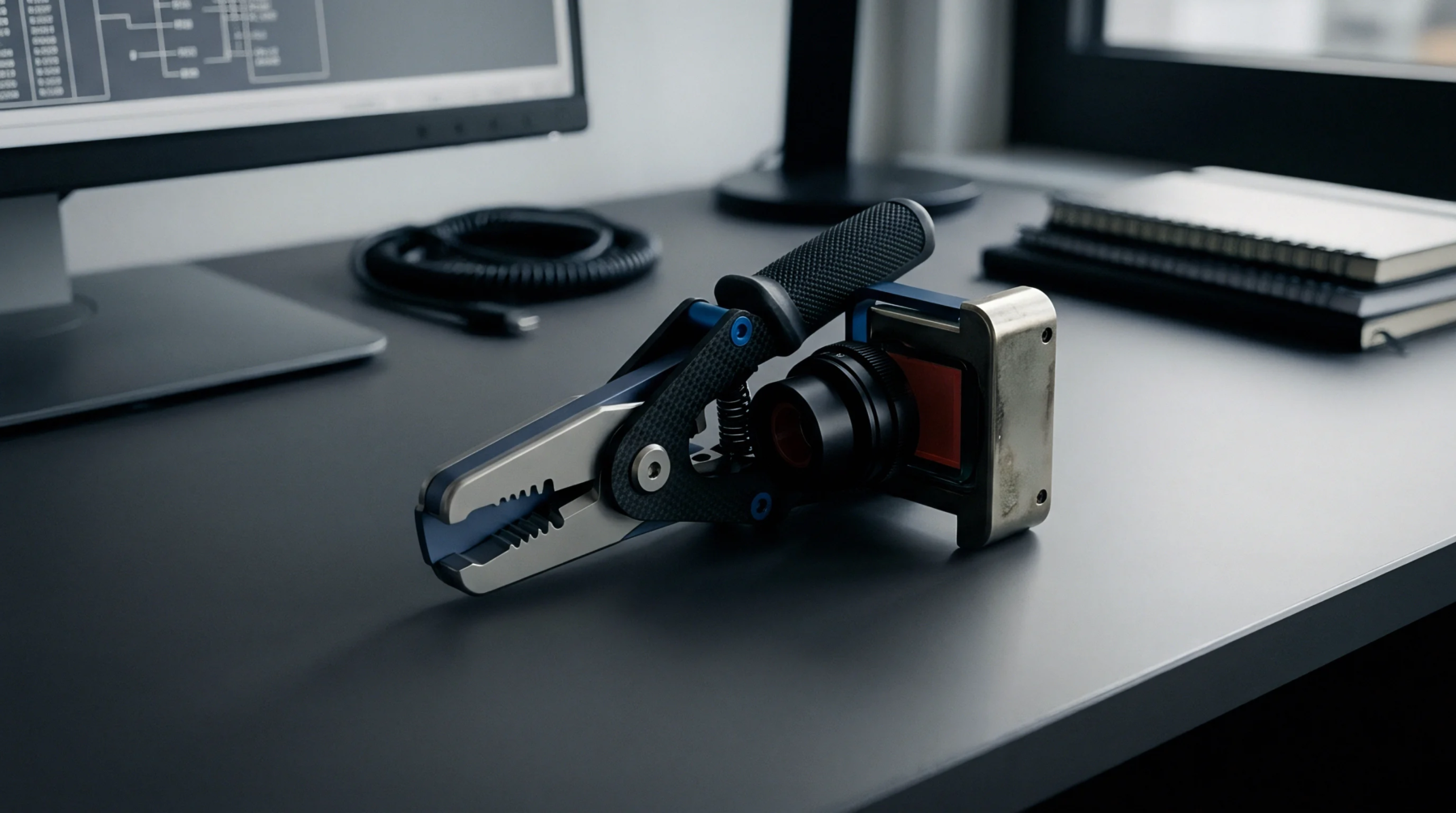
Dynamic atmospheric humidity alters gel swelling stress and dielectric passivation properties in piezoresistive sensors, driving measurable zero baseline drift.

Non-linear squeeze film compression transforms high-frequency cross-axis vibration into static acceleration bias through phase-aligned mechanical gap modulation.

Target alloy phase microstructures dictate electromagnetic skin depth and relative permeability, requiring controlled heat treatment to hold transduction drift within sub-micron limits.
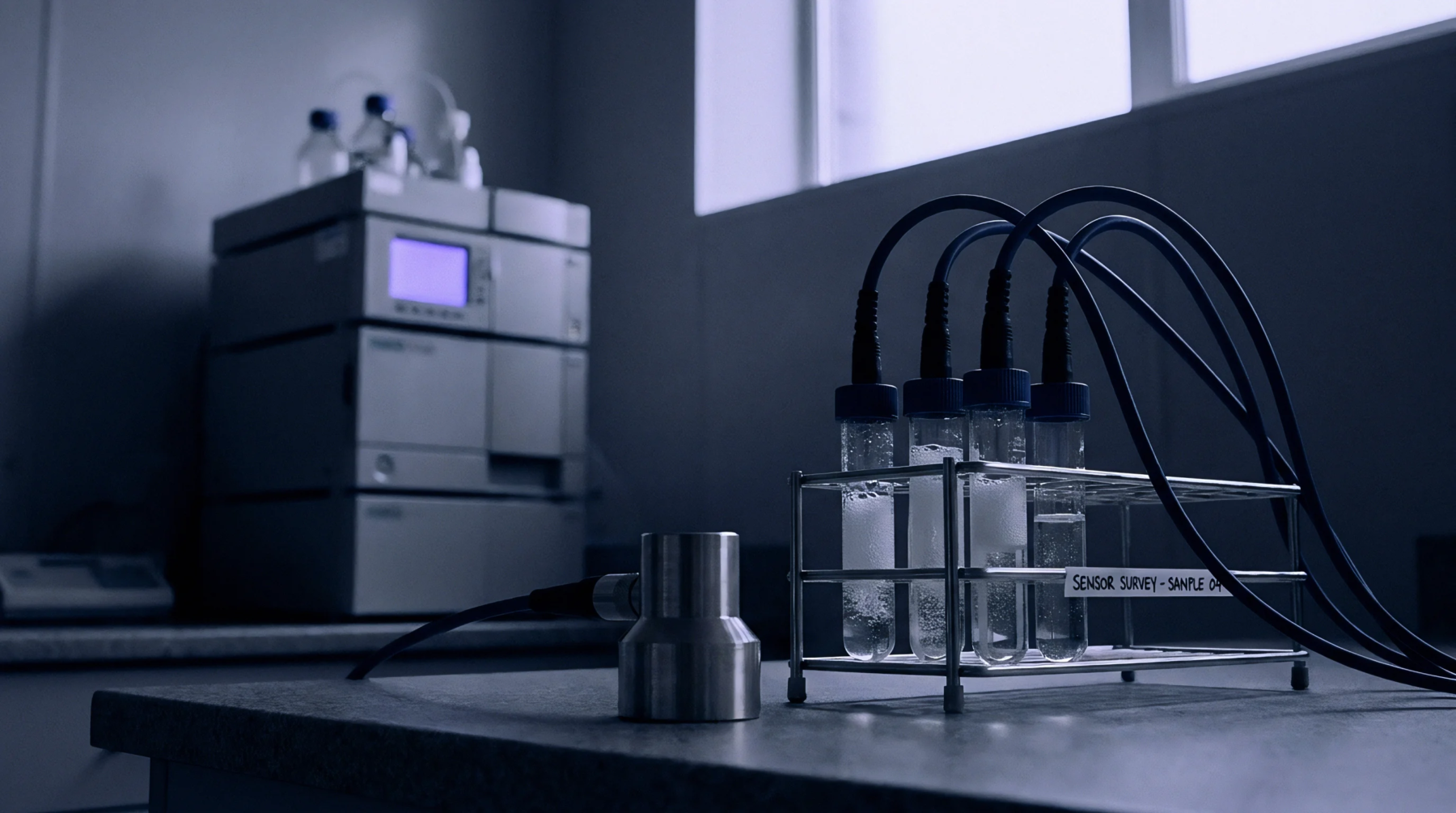
Thermomechanical stress relaxation in MEMS suspensions causes long-term zero-g bias drift that requires Prony series modeling and state estimation to mitigate.

Guard banded acceptance limits calculated from expanded measurement uncertainty resolve inter-laboratory sensor disputes and control consumer risk.

Calculating normalized error scores isolates facility bias from measurement noise by evaluating raw offsets against combined expanded uncertainties.

Substrate thermal gradients induce anisotropic strain fields that degrade MEMS accuracy through piezoresistive offset shifts and capacitive gap distortion.

Thermal hysteresis drift in high density transducer arrays stems from package microstructural strain relaxation and requires multi-cycle thermal preconditioning.
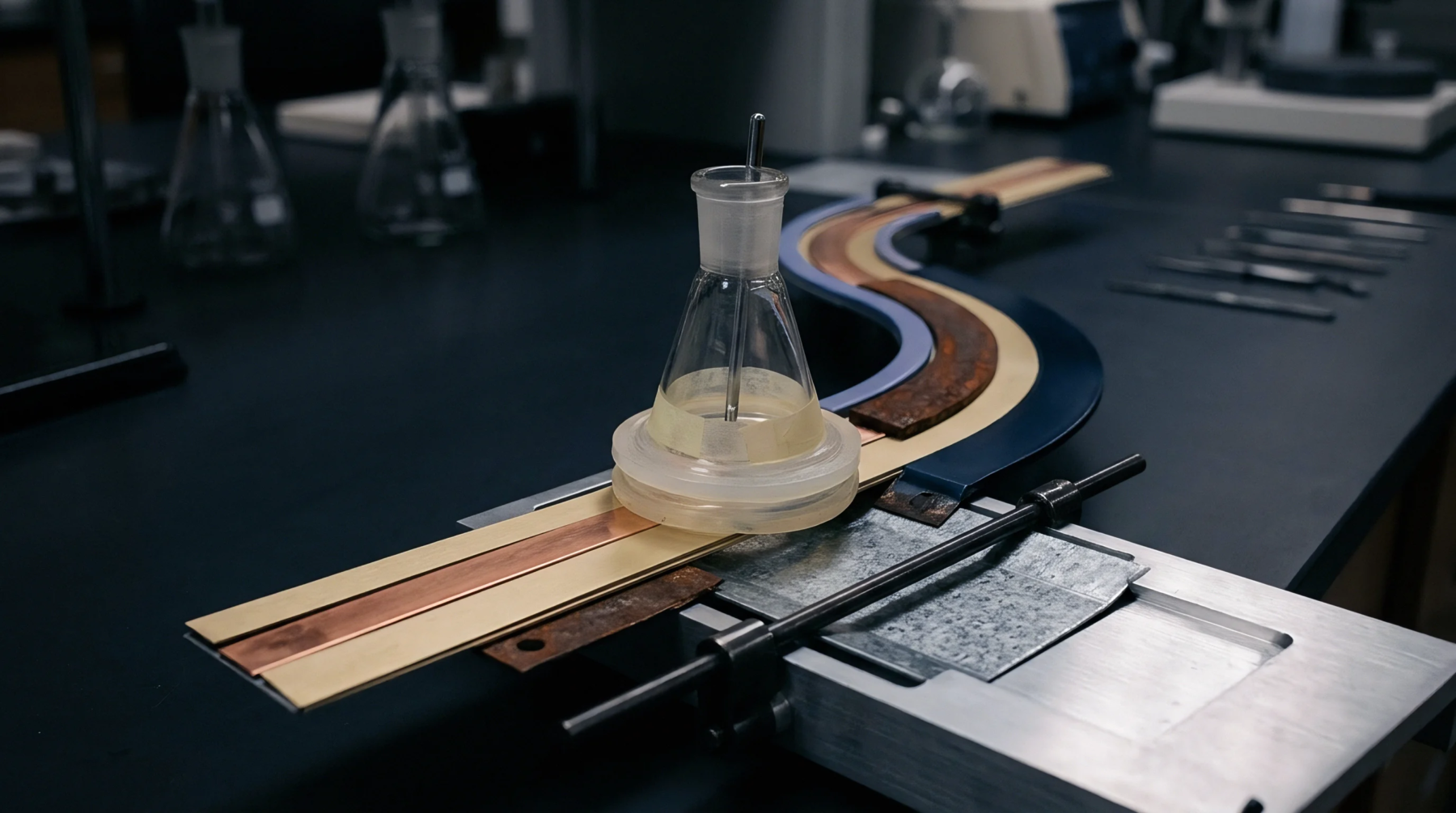
Optimizing boron doping concentrations between 10¹8 and 10¹⁹ cm⁻³ balances high piezoresistive gauge factors with manageable temperature coefficient drift.
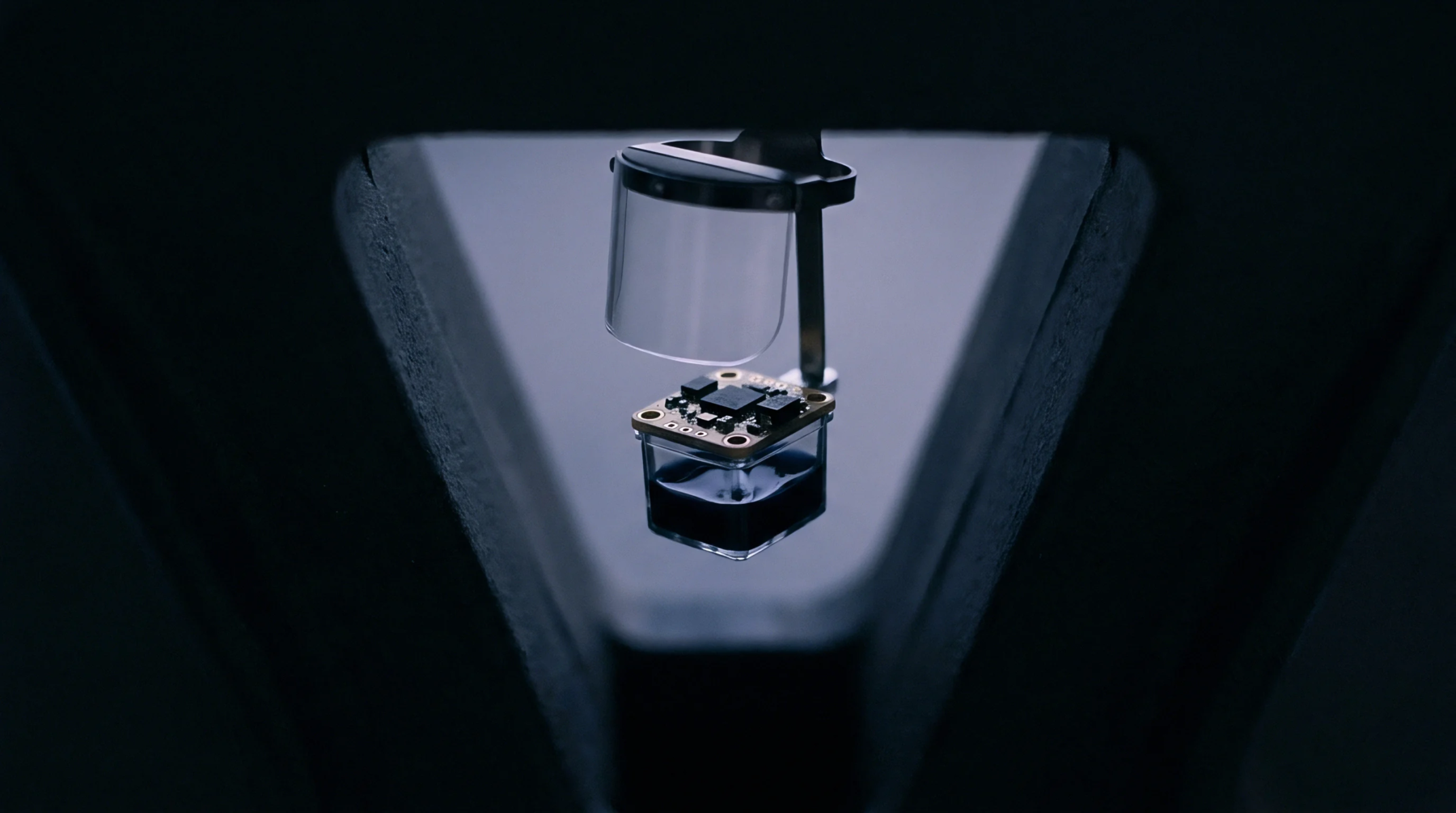
Initial glass transition advancement dictates die attach modulus evolution and residual stress, requiring calibrated thermal analysis to prevent assembly yield loss.
Unstated front-end filter group delay mismatches across dual-sourced sensors create dynamic phase errors that destabilize real-time fusion loops.

High temperature thin film strain sensor accuracy depends on rigorous apparent strain polynomial correction, dielectric barrier integrity, and drift mitigation.
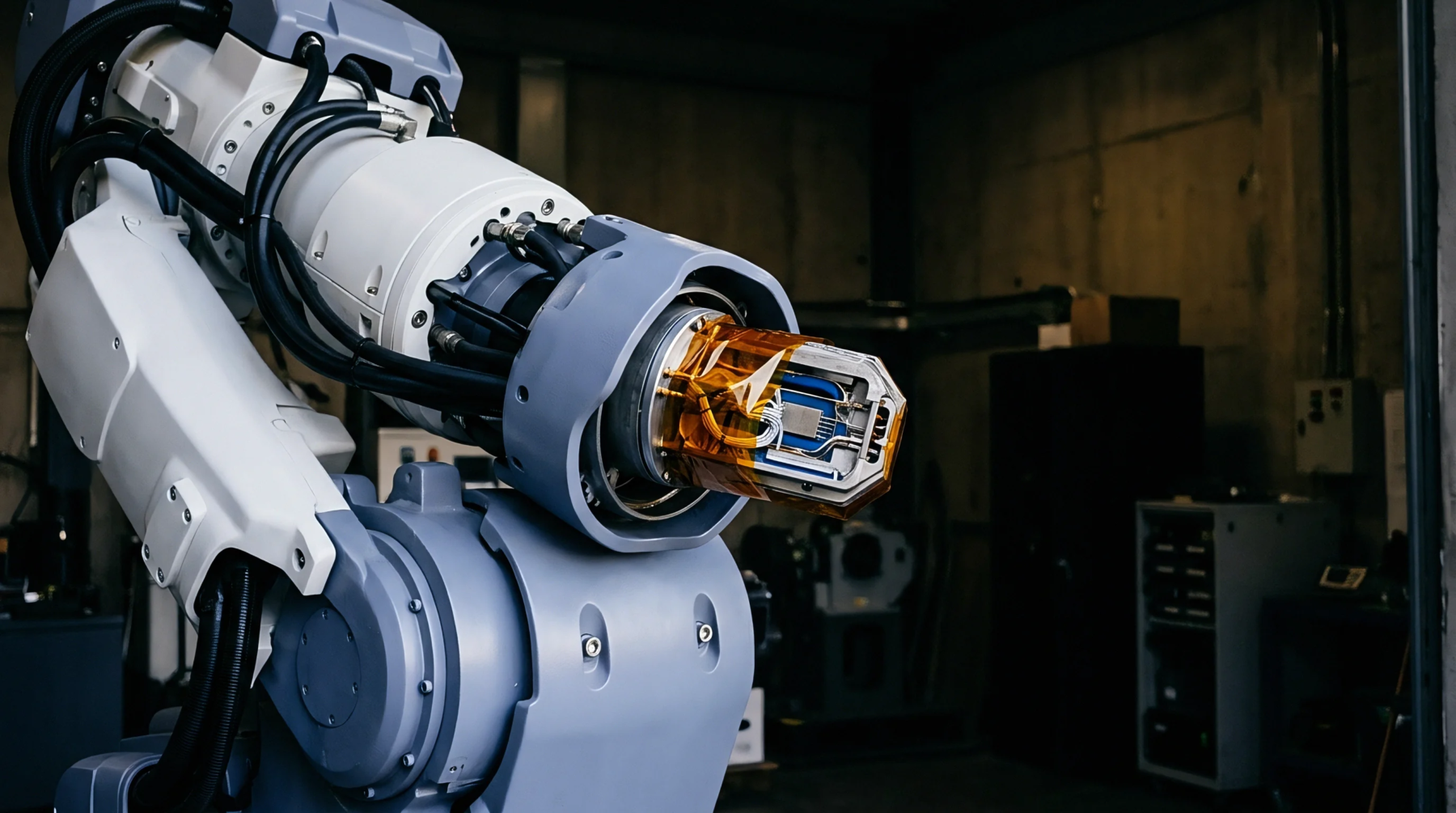
Real-time digital inverse Prony filtering decouples time-dependent polymer stress relaxation from true acceleration signals in high-precision micro-sensors.

Dynamic mechanical relaxation testing isolates glass transition, creep compliance, and thermal stability in high temperature die attach polyimides.

Board flexure transfers surface strain into sensor packages via shear lag mechanics, where higher standoff height and low-modulus interconnects attenuate die stress and offset drift.
Expertise is a utility, not a secret. sentiention™ publishes its working knowledge as open reference: intelligence layer covering the materials it sources, the markets it enters, and the reference that serves both.