Signal Drift
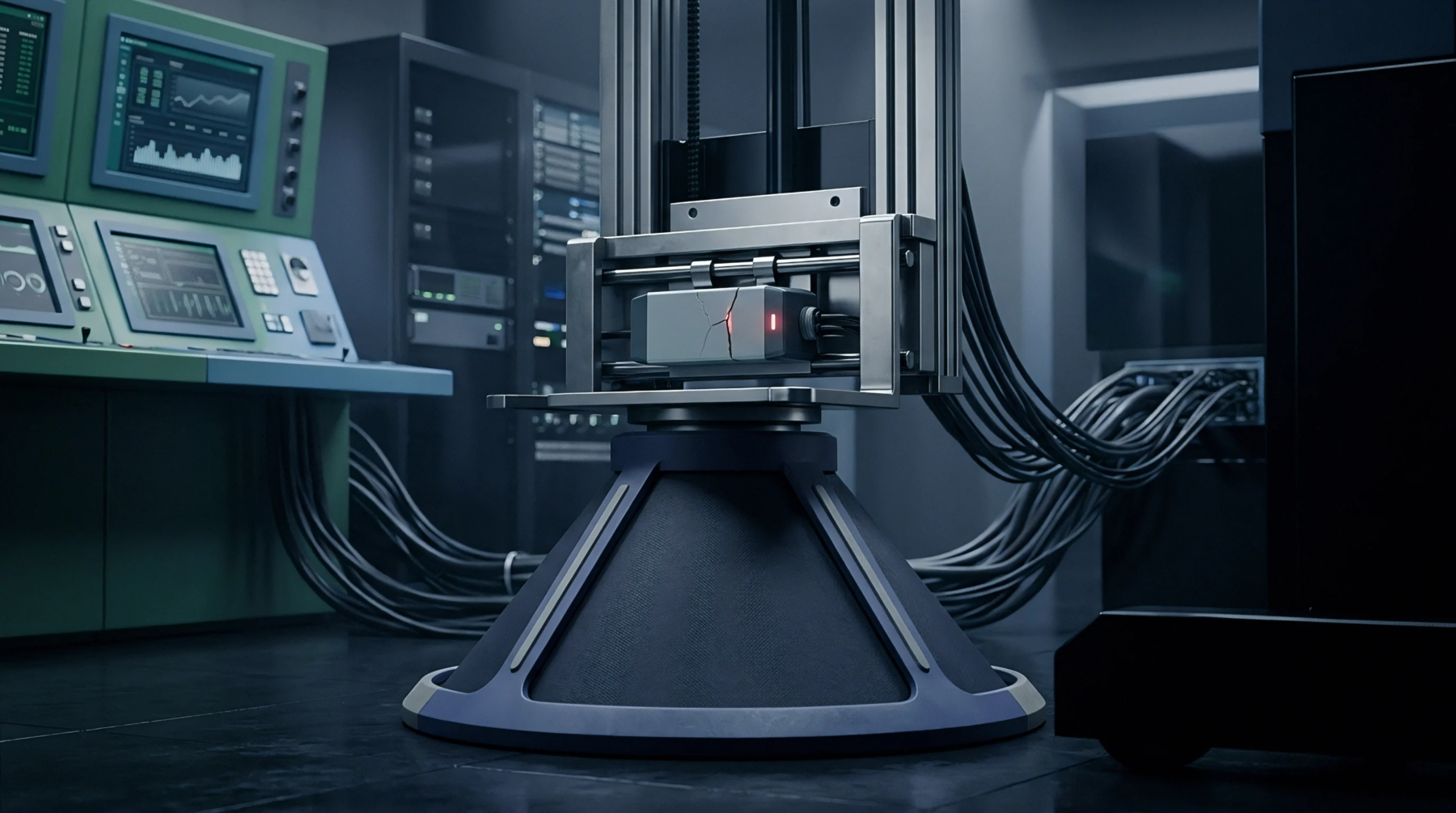
An electronic deviation occurring when the quiescent output voltage of a sensor departs from its calibrated zero reference point due to thermal fluctuations or aging components. Baseline shift manifests as a persistent offset in the measured signal that is independent of the input stimulus. Designers of high-precision instrumentation account for this variation during the circuit layout process by incorporating stable references.
Compensation requires periodic re-zeroing of the hardware to maintain the integrity of the output data.
Measurement Variance
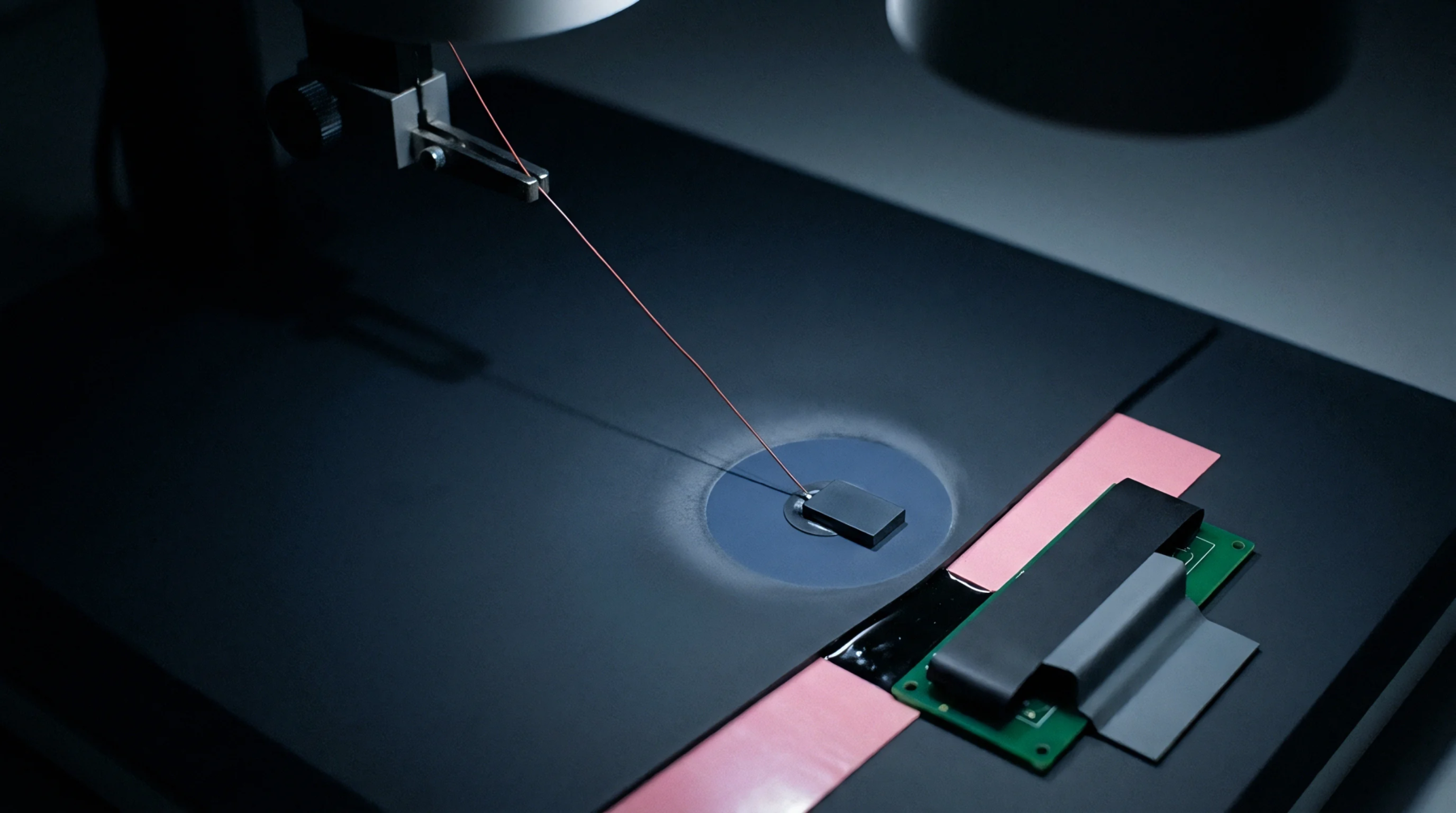
Thermal gradients across a printed circuit board generate unwanted voltages that alter the baseline shift. High-gain amplification stages amplify these errors alongside the intended signal. Developers reduce this effect by positioning sensitive components away from heat sources and utilizing differential signal paths to cancel common-mode offsets.
Precise environmental control ensures that internal component temperatures remain stable throughout the operating duration of the measurement system.
Calibration Protocol
Factory specifications define the maximum allowed baseline shift for a device before it fails to meet accuracy requirements. Technicians verify this parameter by measuring the output of the system while the input stimulus remains at a constant state of rest. Software routines perform an automatic subtraction of the measured offset from all subsequent readings to restore the validity of the signal stream.
Verified drift remains within the manufacturer tolerance limits throughout the expected lifespan of the hardware.
Systemic Reliability
Stable reference voltages provide the anchor for performance across variable power supply conditions. Any variation in the supply rail propagates through the gain stages and results in a baseline shift that degrades the signal-to-noise ratio of the output. Engineers address this vulnerability by implementing low-dropout regulators and high-density decoupling capacitors near the voltage references.
Proper design maintains signal fidelity even under taxing electrical noise conditions.